COMMERCIAL ENERGY SERVICES
Commercial energy audits.
A walked building, metered systems, and a prioritized plan with real numbers. Most audits find their own fee several times over.
Find the waste before you buy the upgrade.
Most commercial buildings are paying for energy they never use. A proper commercial energy audit puts numbers on it: where the waste is, what the fix costs, and what it returns. From there, efficiency consultants sequence the upgrades so the cheap wins pay for the big ones.
The audit also tells you when the answer is bigger than efficiency. High demand charges point at battery storage; aging equipment points at a mechanical replacement that pays back in utility savings. Either way, you decide with real numbers on the table.
START HERE
What are commercial energy services
Energy services is a bundle of work with one goal: make the building spend less on power. It starts with measurement. An audit finds where energy goes. Benchmarking shows how your building compares to others like it.
Then comes the fixing. Lighting gets upgraded. Schedules get corrected. Controls get tuned. Bigger projects replace equipment that wastes power. Last comes the ongoing part: monitoring that watches the meters, and management that keeps savings from drifting away. Each piece has its own page under this door. The order matters, and it always starts with measuring.
AT A GLANCE
Commercial energy savings at a glance
3 levels
ASHRAE AUDITS
Level 1 walk-through, Level 2 survey and analysis, Level 3 investment-grade. Match the level to the building, not the biggest pitch.
~50%
LIGHTING CUT
Typical energy cost reduction when old fluorescent and HID lighting moves to LED, with payback commonly inside a few years.
1-100
ENERGY STAR SCORE
Portfolio Manager benchmarks your building against similar ones nationwide; 50 is median. A quarter of US commercial space already benchmarks.
Paid
DEMAND RESPONSE
Utilities pay enrolled buildings to shed load during peak events — typically capped around 20 events a season, four hours max each.
WORTH KNOWING FIRST
What to know before hiring an energy consultant
01
Audits come in sizes
ASHRAE defines three levels. A Level 1 walk-through finds the obvious waste cheap; Level 3 justifies million-dollar retrofits. Paying for Level 3 rigor on a Level 1 building is overpaying.
02
Benchmark before you buy anything
ENERGY STAR Portfolio Manager turns twelve months of utility bills into a 1-100 score against similar buildings. If the score is already high, big retrofits return less.
03
An electrician's 'audit' isn't an audit
A trade contractor auditing only what they sell — lights, transformers — misses the envelope, the boilers, and the schedule problems. Hold any audit to the ASHRAE scope.
04
Demand response is revenue, not savings
Programs pay buildings that can shed load on notice — commonly 100 kW or more of curtailment. Aggregators enroll you with no upfront cost and split the payments.
05
Sequence cheap wins into big ones
Schedules, setpoints, and lighting first; the savings fund controls and equipment. Buying the chiller before fixing the schedule buys a bigger chiller than you need.
IN PRACTICE
What does a commercial energy audit include
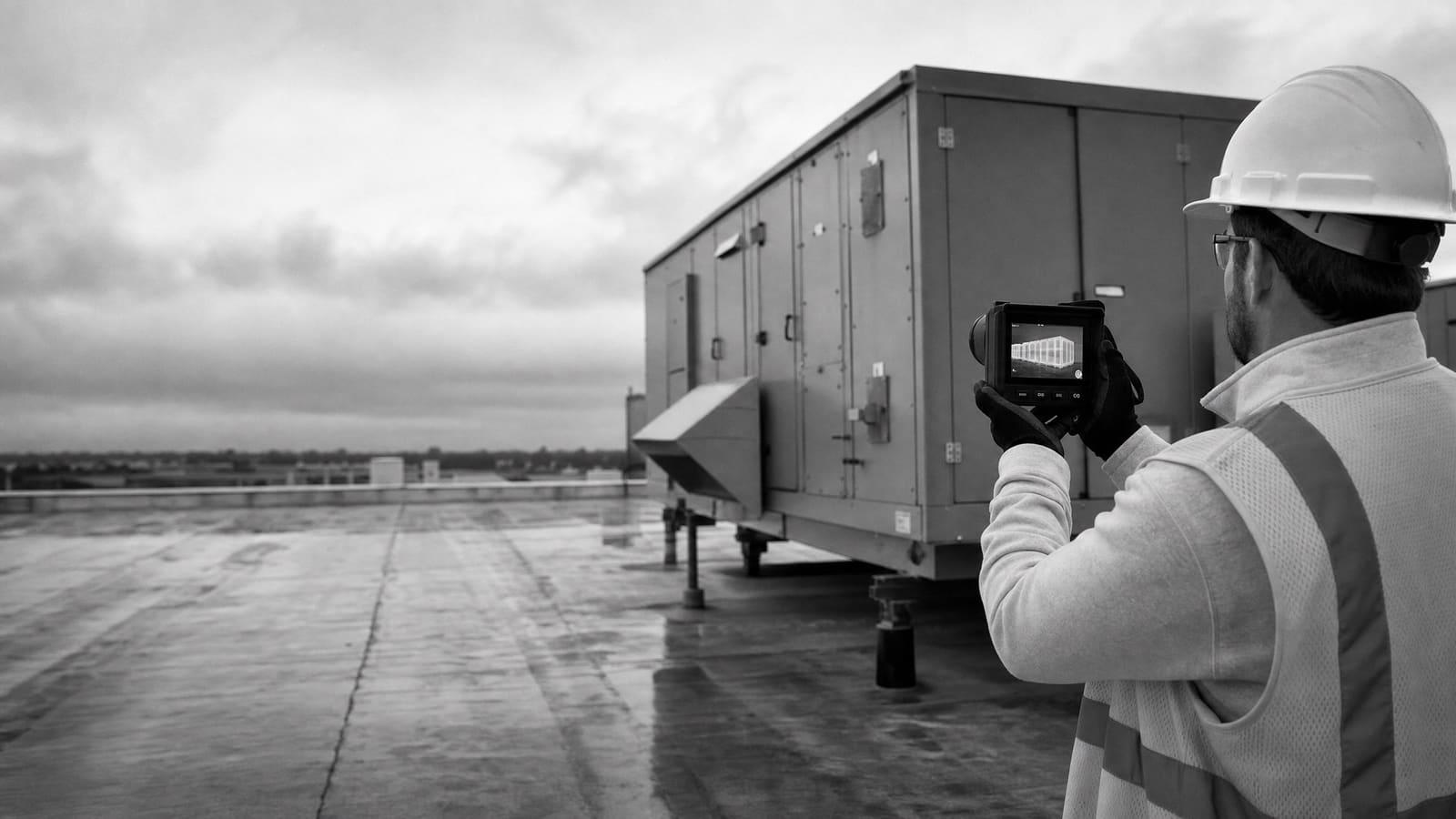
A proper audit starts with utility bill analysis and a site walk covering every energy-consuming system: HVAC, lighting, envelope, controls, and schedules. Level 2 adds metering and engineering analysis; the report prices each measure with its expected payback.
The deliverable to demand is a prioritized list with real numbers, not a brochure. Start with an energy audit or go straight to lighting if the ceilings still glow fluorescent.
GOOD TO KNOW
Commercial energy facts worth knowing
- LEDs produce light up to 90% more efficiently than incandescent sources, and their lifetime is rated to lumen depreciation, not burnout.
- Demand response events are bounded: programs commonly cap around 20 events per season at up to four hours each, with day-ahead or two-hour notice.
- Grid peak demand is forecast to grow by more than 130 GW over the next decade, which keeps pushing utilities to pay for load flexibility.
- An audit that costs more than the savings it finds was the wrong level — audit rigor should scale with building complexity.
GETTING PAID TO USE LESS
Utility programs that pay commercial buildings
On the hottest days, the power grid runs short. Utilities will pay buildings that can use less power right then. That is demand response.
The deal is simple. You agree to cut some load when the utility calls an event. Events are limited. Many programs cap them near 20 a season, at up to four hours each. Most want buildings that can shed 100 kilowatts or more. Aggregator companies sign you up with no upfront cost and share the payments. Your building earns money for flexibility it may already have. Start at demand response.
WHAT WE HANDLE
Everything under the energy door.
MANAGEMENT
THE FIRST NUMBER
ENERGY STAR benchmarking for commercial buildings
The cheapest energy tool is a comparison. ENERGY STAR Portfolio Manager takes a year of utility bills and scores your building 1 to 100 against similar buildings. A 50 is average. Higher is better. About a quarter of US commercial space already benchmarks this way.
Why do it first? Because the score sets the strategy. A building scoring 30 has big, cheap wins waiting. A building scoring 80 should think twice before buying an expensive retrofit. The score tells you how hard to push and what payback to expect. It also proves progress later, when the upgrades land and the score climbs.
PICKING THE RIGHT SIZE
Choosing the right energy audit level
Audit price follows audit depth. A Level 1 walk-through is the cheap one. An auditor walks the building, reads a year of bills, and lists the easy wins. Level 2 adds metering and real engineering math. Level 3 is the big one. It exists to justify major upgrades before you spend on them.
Here is the rule that saves money: the audit should cost less than the savings it finds. If a big audit finds small savings, you bought too much audit. Most buildings should start small. The audit page breaks down each level.

WHERE THE WASTE HIDES
Why commercial energy bills are so high
Most waste hides in the same four places. First, schedules: equipment running nights and weekends for a building that's empty. Second, old lighting: fluorescent and HID fixtures burning three times the power of LED for the same light.
Third, drifted controls: setpoints changed during one hot week years ago and never changed back, dampers stuck open, sensors reading wrong. Fourth, tired equipment: motors, chillers, and units running far past their efficient years. An audit prices all four for your building. The fixes range from free (schedules) to capital projects (equipment), which is exactly why the audit comes first.
WHAT MOVES THE NUMBER
Commercial energy project cost factors
- Building size and how many systems the audit must cover
- Audit level: a walk-through costs a fraction of investment-grade
- How many fixtures a lighting retrofit touches
- Whether controls exist or must be added from scratch
- Utility rebates in your territory, which can cover real chunks
- How much metering the building already has
THE PAYOFF PATTERN
Energy efficiency payback for commercial buildings
Energy work has a pattern most owners like: the savings are measurable, and they repeat every month. A lighting retrofit that cuts the light bill in half keeps cutting it for years. LEDs also last far longer, so maintenance drops too. Payback on lighting commonly lands within a few years, faster with rebates.
Schedule and control fixes pay back faster still, sometimes in weeks, because the cost is small and the waste was constant. Equipment projects take longer but stack with everything else. The honest way to buy: rank every measure by payback, do the fast ones first, and let those savings help fund the slow ones. That ranked list is what a good consultant hands you.
BUILT TO KEEP PAYING
Why energy savings fade over time
Savings drift. Setpoints creep. Schedules get overridden during one busy week and stay overridden. Buildings that treat energy as a one-time project watch half the savings leak away in a few years.
The fix is boring and effective: keep watching. An energy management system tracks use in real time and flags when something runs that shouldn't. Submetering shows which system is drifting. A quarterly review catches the creep. Buildings that pair projects with ongoing management keep what they paid for. Buildings that don't, buy the same savings twice.
WHO THIS IS FOR
Which commercial buildings save the most on energy
The biggest gains go to buildings with long hours, old lighting, and no recent tune-up: warehouses lit all night, offices with 20-year-old fixtures, retail with rooftop units nobody has balanced in a decade, healthcare that literally never closes.
High electric rates make everything pay back faster. So do demand charges, which demand response and load control attack directly. If your building has original lighting, original controls, and a bill that keeps growing, it is exactly the building this work was built for. If it was upgraded two years ago, the play is management, not another project.
Want the building measured?
Request a free estimate and get an audit scoped to the right level, with the report priced flat before anyone walks the building.
QUESTIONS
Straight answers.
What does a commercial energy audit cost?
It depends on the building's size and systems, and the site visit is free. The audit price comes before any work starts, and most audits find savings worth several times the fee.
What do you actually check?
Utility bills and rate structure, HVAC and controls, lighting, envelope, and how the building actually runs day to day. You get a prioritized list with costs and paybacks, not a binder of jargon.
Do you handle incentive and rebate paperwork?
Yes. If a utility program or tax incentive applies to the work, we build it into the numbers and handle the filings with you.
How long does it take?
A walkthrough audit on a typical building takes a day on site, with the report in your hands about a week later. Bigger buildings and deeper audits scale from there.
GET STARTED
Find the waste in your building.
The audit is free to scope, and most audits find their fee several times over. Tell us about the building and we'll price yours.