COMMERCIAL SOLAR
Commercial solar installation.
Site, roof, utility, financing, and construction handled as one commercial solar project.
Start with the building, not the panels.
A commercial solar project has to fit the site, the roof, the electrical system, and the utility rules. We start with a solar feasibility study, then compare rooftop solar with solar carports where parking offers the stronger site.
One team carries design, permits, utility interconnection, construction, commissioning, and solar maintenance. We also compare direct ownership with solar financing and PPAs, and add battery storage only when it has a clear job.
START HERE
What commercial solar installation includes
Commercial solar installation starts with the building load, usable site area, roof condition, electrical service, and utility path. We compare rooftop solar with solar carports before drawing an array. The building decides where the panels belong and how the system connects.
One team carries the work from solar feasibility through design, permits, utility interconnection, construction, testing, and owner handoff. The proposal names the open risks before equipment is ordered.
ROOFTOP SOLAR
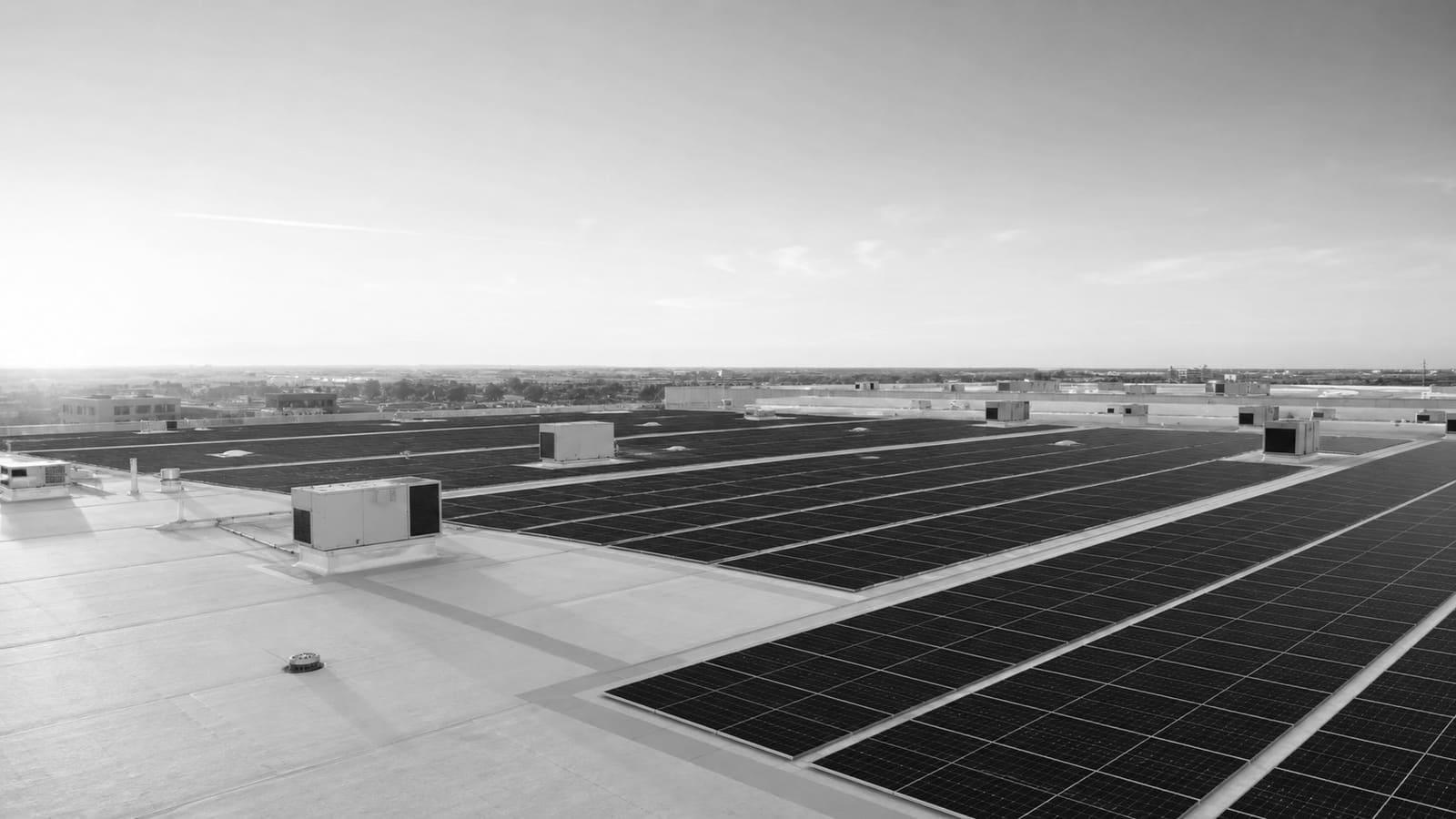
When rooftop solar fits a commercial building
A roof can turn unused space into power without taking more land. The array still has to protect drainage, equipment access, fire paths, structure, and the roof warranty. We check remaining roof life before detailed design so a new array does not block planned roof work.
SOLAR CARPORTS
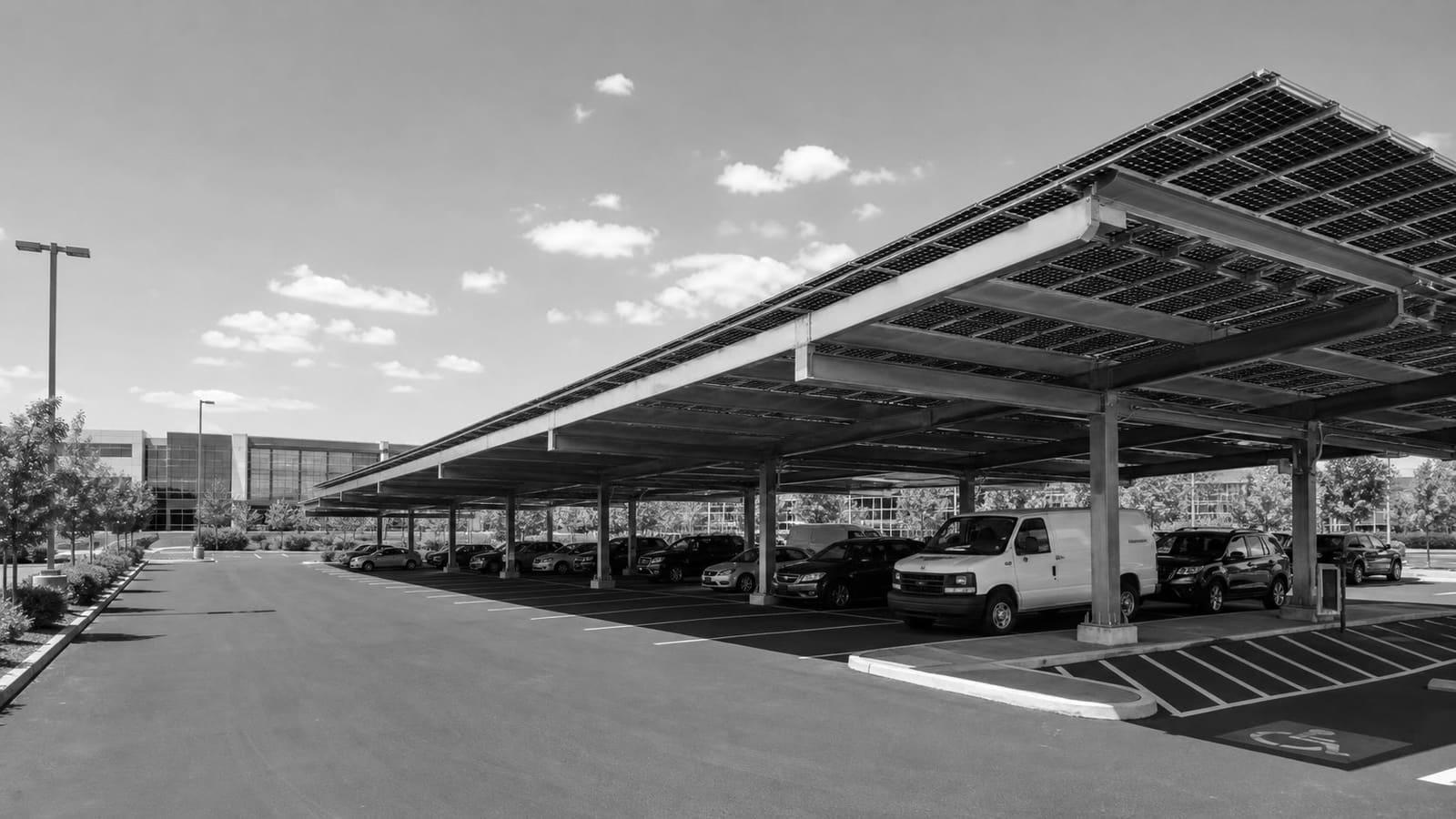
When a solar carport fits the parking lot
A solar carport adds power and covered parking without using the roof. It also adds steel, foundations, drainage, traffic control, lighting, and electrical trenching. We compare those site costs with the usable roof before picking a layout.
BEFORE DESIGN
How commercial solar feasibility works
01
Read the electric load
We review recent bills and available interval data to see when the building uses power and what the utility charges for.
02
Screen the site
We compare usable roof, parking, and ground area while keeping drains, equipment, traffic, and emergency access clear.
03
Check the hard limits
Roof condition, structure, electrical service, switchgear, and the utility connection can change the size or stop a weak option.
04
Compare ownership
The proposal separates direct ownership, financing, and power purchase agreement duties instead of hiding them in one payment.
05
Set the project path
You get the viable layout, open engineering questions, permit and utility steps, operating plan, and next price decision.
ROOF + POWER
How rooftop solar protects the building
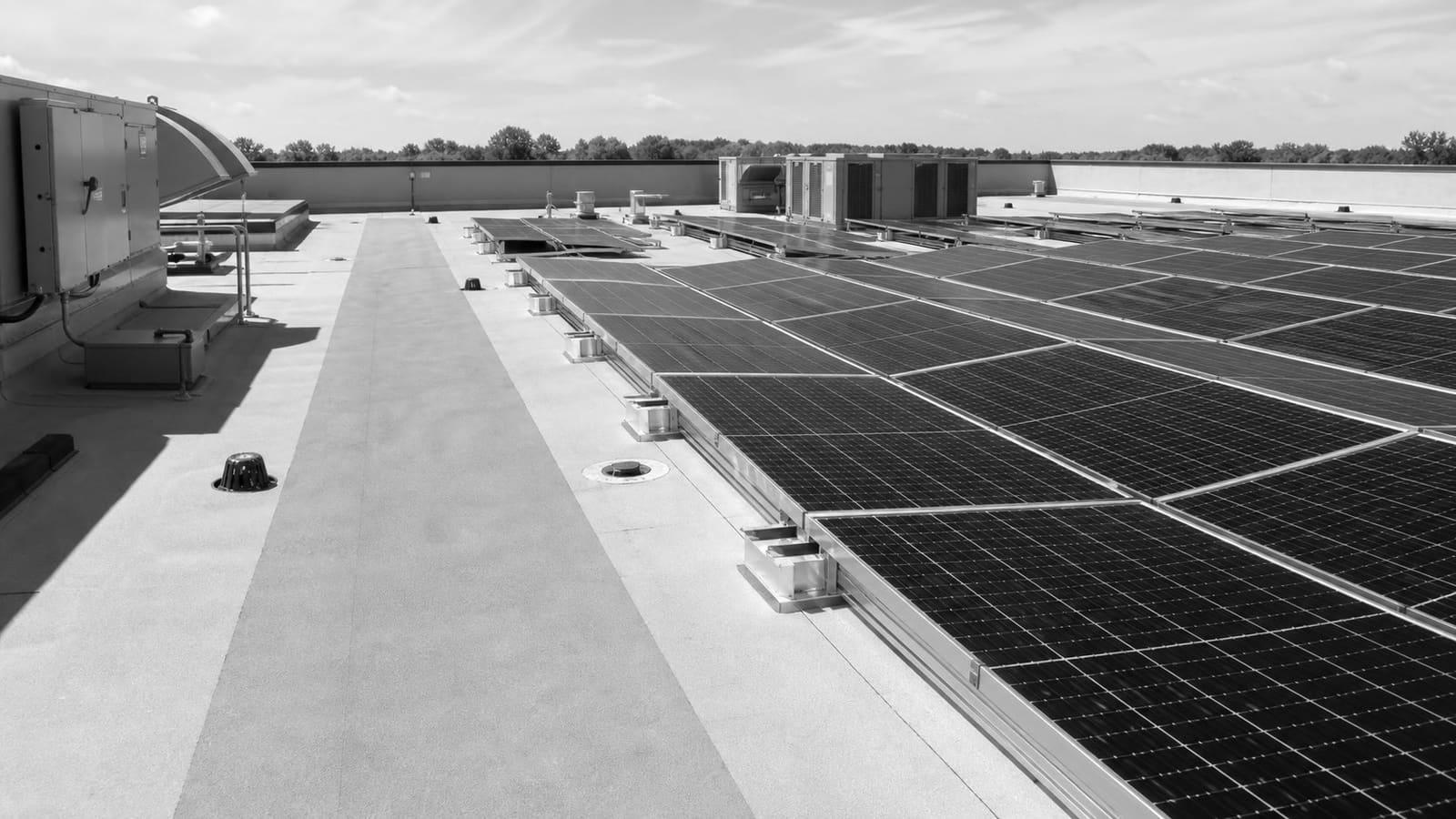
Commercial rooftop solar has to work with the roof for its full life. We coordinate the roofer, structural engineer, electrical designer, and solar layout before attachments and equipment locations are locked.
The plan keeps drains open and gives facility crews safe paths to rooftop units, disconnects, and array equipment. Roof repair and replacement timing stays visible in the proposal instead of becoming a surprise after installation.
PARKING + POWER
How commercial solar carports are planned
Solar carports are a building project in an active parking lot. We map foundations, buried utilities, drainage, accessible stalls, vehicle height, delivery routes, lighting, cameras, and electrical runs before closing spaces.
Construction is phased so the property can keep operating. If EV charging is planned, chargers, conduit, meters, controls, and future capacity belong on the same electrical drawing.
PRICE THE REAL SITE
What changes a commercial solar proposal
- Building load and utility rate structure
- Usable roof, parking, or ground area
- Roof condition, structure, drainage, and warranty terms
- Electrical service, switchgear, and interconnection path
- Permit, access, shutdown, and construction limits
- Ownership, maintenance, insurance, and end-of-term duties
WHAT WE HANDLE
Everything under the solar door.
BUY THE SYSTEM
What direct solar ownership puts on the owner
Direct ownership keeps the equipment and project benefits with the building owner. It also leaves capital, tax review, insurance, maintenance, monitoring, and equipment replacement with that owner. We show those duties beside the installed price.
BUY THE POWER
What a commercial solar PPA changes
Under a power purchase agreement, a third party generally owns the system and the host buys its power under a contract. The price is only one term. Roof access, maintenance, insurance, building sale, early exit, and end-of-term removal also need review.
AFTER STARTUP
How commercial solar maintenance finds lost output
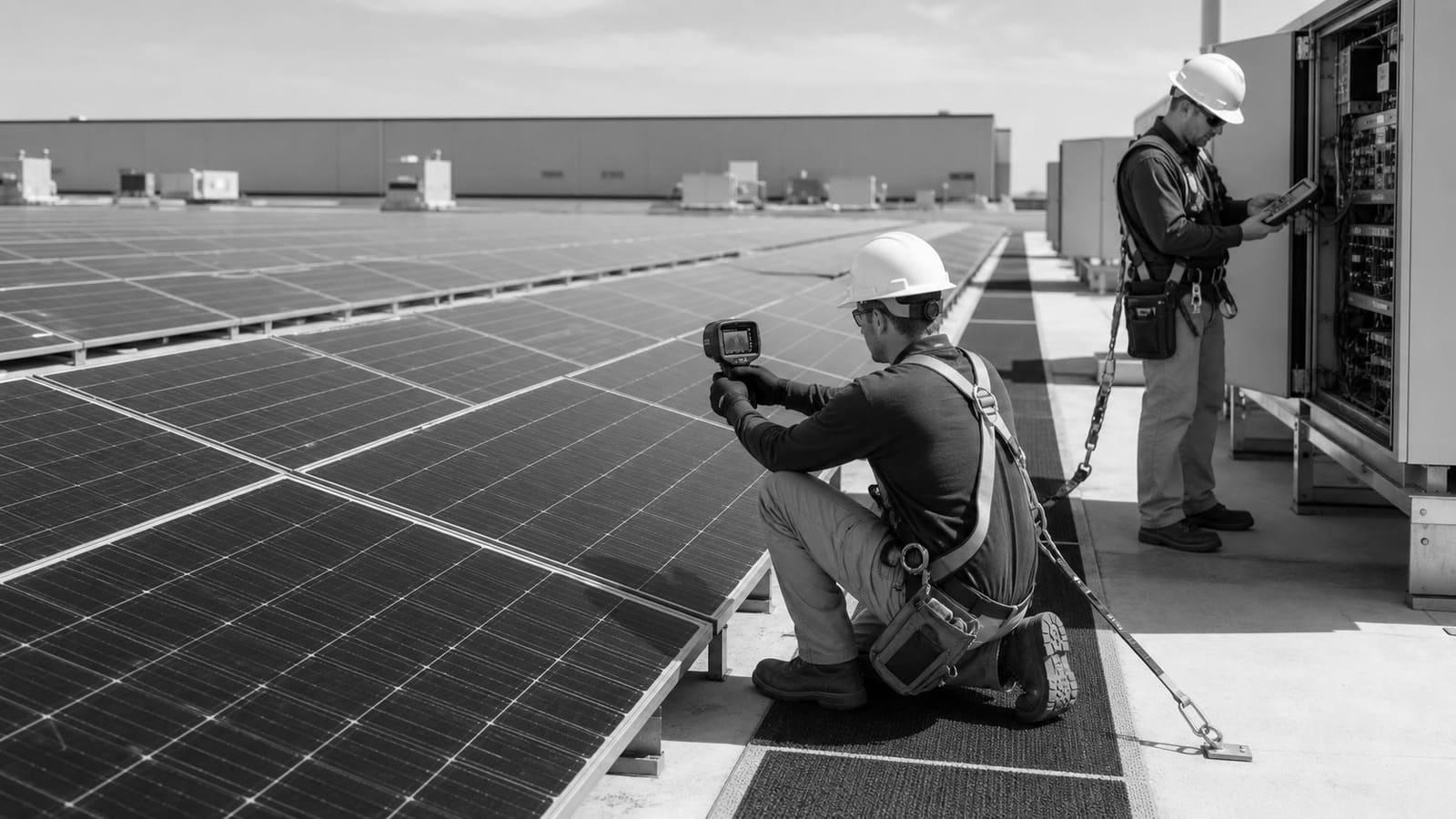
An operating array can lose output without shutting down the building. Solar maintenance starts with monitoring and a clear baseline. That data helps separate an equipment fault from shade, dirt, weather, or a communications issue.
The service plan covers safe inspections, electrical testing, inverter and connector checks, roof or site coordination, warranty records, and a response path. Cleaning is scheduled when site conditions and measured loss support it, not from a generic calendar.
READ THE DEAL
How to compare commercial solar financing
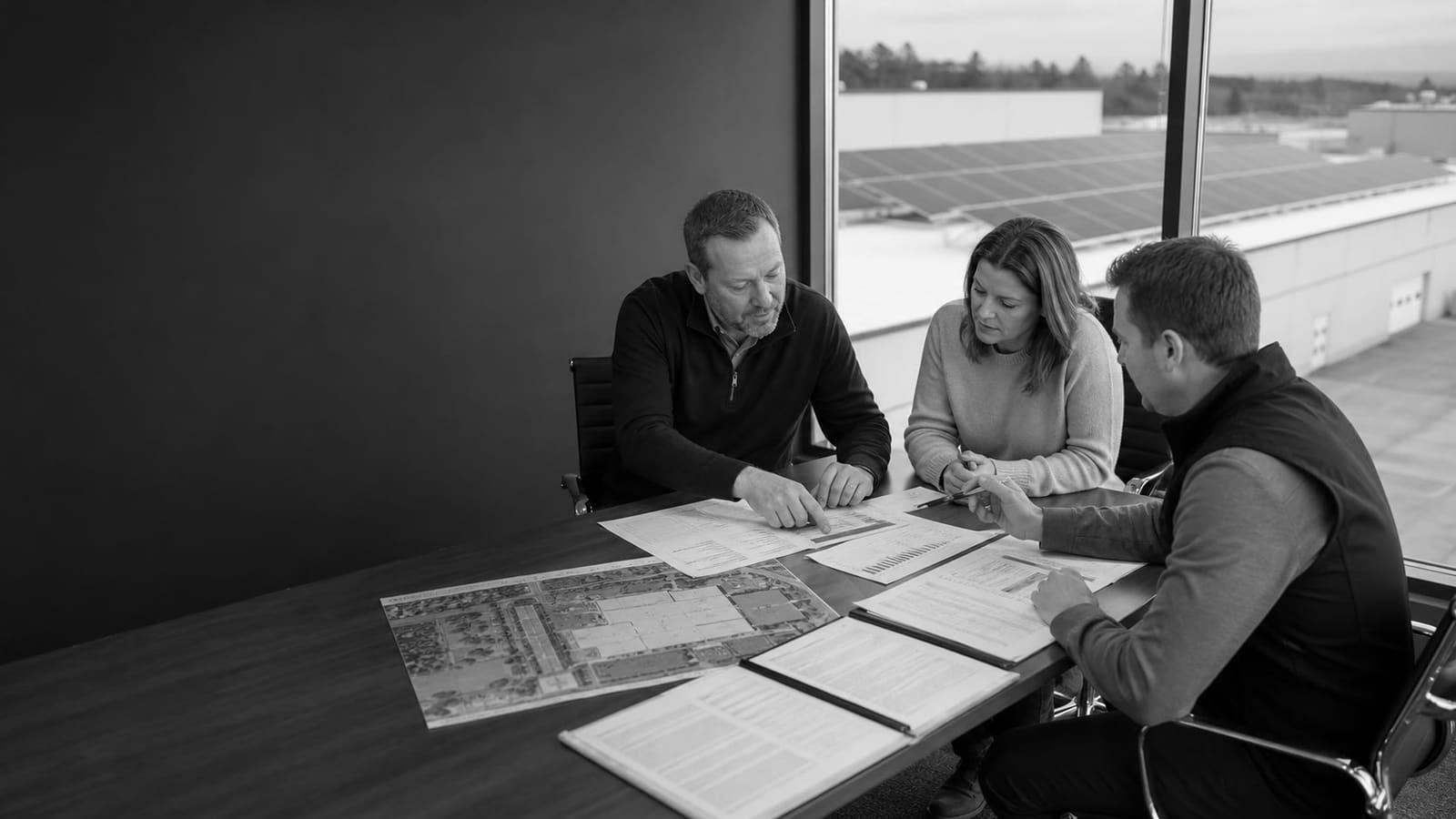
A useful solar financing comparison names who owns the equipment, who operates it, who receives each project benefit, and who carries each risk. We keep technical scope and contract scope on the same page.
Current official rules are checked before an incentive enters the model. The final comparison shows payment terms, operating duties, roof obligations, building-sale terms, default rules, and the choices available when the agreement ends.
SOLAR + STORAGE
When commercial solar should include battery storage
Solar produces power. A commercial battery moves power in time and can support selected loads when designed for that job. The two systems can share controls and electrical work, but they solve different problems.
We model storage separately against demand charges, outage goals, critical loads, site limits, and utility rules. The solar proposal shows the value of the array on its own before storage is added.
Want a commercial solar plan for your property?
Send the site address and a recent electric bill. We will screen the roof, parking, load, utility path, and ownership choices before detailed engineering begins.
QUESTIONS
Straight answers.
What do you need to price commercial solar?
The site address, recent electric bills, roof or site information, and the owner's goals. Those inputs are enough to begin feasibility before detailed engineering.
Can solar be installed while a building stays open?
Usually. The construction plan separates roof or parking work from electrical shutdowns, then schedules each interruption with the facility team.
Do you handle the utility and permits?
Yes. Interconnection, permit coordination, inspections, commissioning, and permission to operate belong in the project scope.
Should solar include battery storage?
Only when storage solves a measured problem such as demand peaks, limited export, or selected outage loads. Solar and batteries are modeled as separate choices before they are combined.
GET STARTED
Tell us about the building.
Whatever the trade, we scope it, price it, and put the right crew on it. Site visits are free, always.