SEATTLE, WA · EV CHARGING
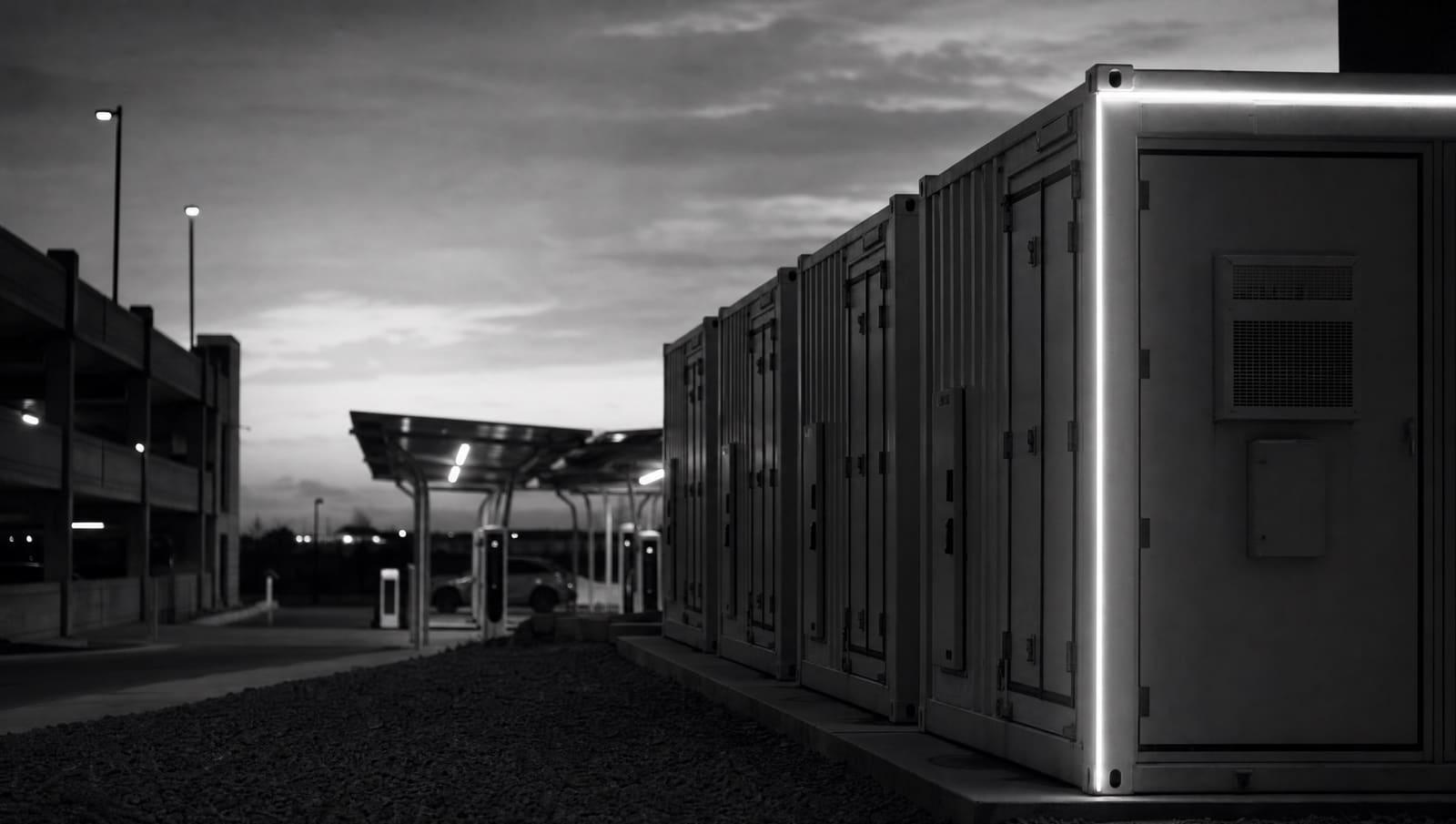
Commercial EV charging installation in Seattle.
We design, permit, and install commercial EV charging in Seattle, from Seattle City Light coordination and SDCI permits through final inspection and turnover to your team.
Chargers that show up on time.
The hard part of EV charging installation isn't the charger, it's the power: service capacity, panel upgrades, trenching, and utility make-ready programs that can cover a surprising share of the cost. Good designs start from your electrical reality, not a brochure.
Good fleet charging plans start from routes and dwell times so vehicles are charged when they roll, and workplace charging gets managed loads so your demand charges don't eat the benefit. Broken chargers kill adoption, so service is part of every proposal.
START HERE
How Seattle commercial buildings add EV charging ports without stalling the project
Commercial EV charging installation in Seattle starts with power, not hardware. We check what your electrical service and panel can carry, then size the port count to that limit. Only then do we pick equipment, stall locations, and conduit routes. The install must meet national electrical code and Seattle City Light rules, so we plan the utility side first. We work on commercial sites only: offices, retail, industrial buildings, and fleet yards. Before design, we pull the property record in the Seattle Services Portal and check the city GIS map. Open permits, violations, zoning, or a critical area flag can change the trench route, the permit path, and the schedule.
Pull the Seattle property record before you buy chargers
Two city lookups shape the job. The Seattle Services Portal shows recent permits and violations on the parcel. An open item there can hold up a new electrical permit until it is closed. The city GIS map shows zoning and environmentally critical area status. That flag matters because most commercial charger runs need a trench across a lot to reach the stalls. We run both lookups before we price ports, so the trench route and the permit path are known first, not after the equipment is ordered.
Before design starts
Site checks for commercial EV charging installation in Seattle
Seattle City Light capacity check
UTILITY
We ask the utility what service capacity is available at your address before we set a port count. If capacity is short, the decision becomes a service upgrade or more stalls at lower power. That answer changes the budget more than the charger brand does.
Seattle Services Portal record pull
RECORDS
We pull the parcel record for recent permits and open violations. An unresolved item on the property can block a new electrical permit. Clearing it first keeps one install date instead of two.
Zoning and critical area map check
SITE
We check the city GIS map for zoning and environmentally critical area status on the parcel. A critical area flag can change where we are allowed to trench and how far the conduit has to travel. Long routes drive wire size and labor hours.
Switchgear and panel survey
ELECTRICAL
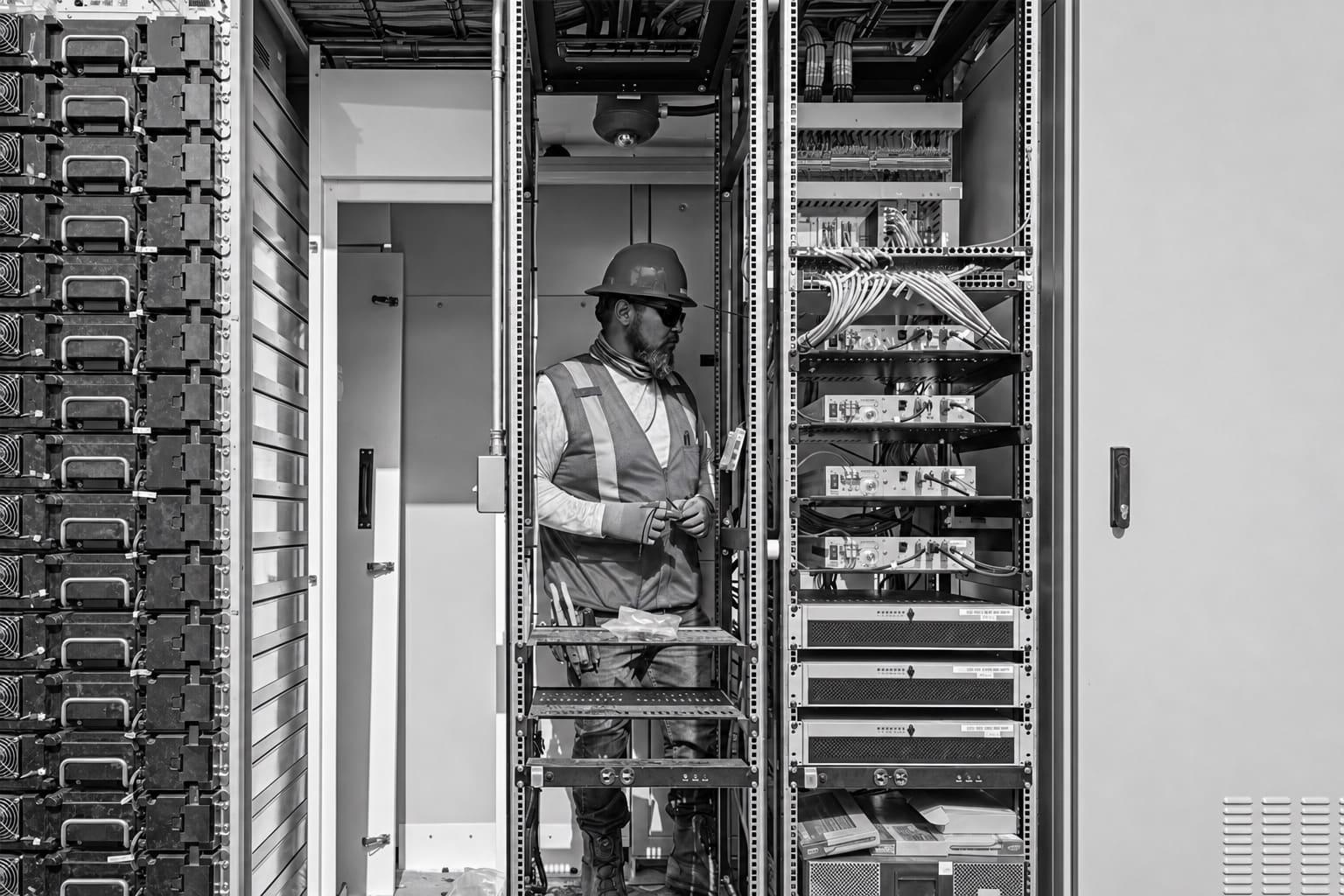
We open the gear and record bus rating, spare breaker space, and measured load. That tells us whether the chargers land on an existing panel or need a new distribution panel and feeder. It also fixes the run length from gear to the first stall.
Stall pick and driver access
LAYOUT
We place ports at stalls that are visible, lit, and easy to reach, because a convenient and well kept location is what gets them used. A stall tucked behind a dumpster sits idle. Stall distance from the gear also sets trench footage.
PROJECT PLANNING
Ownership and permit paths for commercial EV charging in Seattle
Own the ports outright
CAPEX
You fund the hardware and the install, own the equipment, and keep any session revenue. This fits owners holding the building long term who want direct control of pricing and uptime. It ties up capital at the start.
Charging as a service
OPEX
A third party funds, installs, and maintains the stations on a subscription. You trade ownership and revenue for lower upfront cash and less in-house technical work. Ask what happens to the ports and the wiring at the end of the term.
The management system makes or breaks it
CSMS
A charging as a service deal is only as good as the charging station management system running behind it. Ask how pricing, driver access, session data, and fault alerts are handled before you sign, not after a port goes dark.
Tenant improvement or new construction
PERMITS
Alterations at an existing Seattle location that do not change the building use are treated as a tenant improvement. A new commercial, multifamily, mixed use, or industrial building takes a full construction permit. Which path you land in sets the review time.
Amenity or revenue decision
REVENUE
Site hosts can charge drivers for sessions instead of giving power away. Decide this before design, because paid ports need metering, signage, and a network plan that free staff ports do not.
WHAT WE HANDLE
Everything under the EV door.
Scope decisions
What we size first for commercial EV charging installation in Seattle
- Port count against measured building demand, not nameplate load, so charging never trips the main.
- Charger power level set by how long vehicles actually sit at your Seattle site: staff parking all day, customers for an hour, fleet vans overnight.
- Spare conduit and pull boxes for a second phase, so added stalls do not mean cutting the lot open twice.
- A submeter path if you plan to bill drivers or charge tenants back for the power.
- Charging station management system choice, since access control, session pricing, and fault alerts all live there.
BEFORE YOU BUY
What we hand over after commercial EV charging installation in Seattle
- Final inspection signed off and the permit closed out in the Seattle Services Portal, so the parcel record stays clean for your next project.
- As-built drawings showing conduit routes, pull box locations, and which panel and breaker feed each port.
- A load report showing measured building demand before and after the ports went live.
- Network admin handed to your team, with logins, pricing rules, and fault alerts tested while we are still on site.
- A start, stop, and fault test on every port with your staff watching, not just our crew.
- Warranty terms and the service phone path in writing, so a down port has an owner on day one.
ASKED IN SEATTLE
Common questions about commercial ev charging installation in Seattle
Who can install an EV charging station in Seattle?
LICENSING
A licensed electrical contractor pulls the permit and performs the install. It must meet national electrical code and Seattle City Light rules, and it is inspected before the ports go live.
How much does it cost to charge an electric vehicle at a commercial charging station?
PRICING
It depends on the site. The host sets the session price, and the host's own power rate sits under it. We can walk your rate with you before you set pricing.
How much does it cost to have an EV charging point installed?
COST
Cost tracks trench length, service capacity, and port count far more than charger brand. We price after the load study and site walk so the number holds.
Project in Seattle?
Tell us the building, exact scope, and target date. Flux will review the request and send the next step.
QUESTIONS
Straight answers.
Do we need a permit to install commercial EV chargers in Seattle?
Yes. The install is permitted and inspected. We also check the Seattle Services Portal for open permits or violations on the parcel first, since an open item can hold up the new permit.
How does Seattle City Light affect how many ports we can install?
Available service capacity at your address caps how many ports can run at full power. If capacity is short, you choose between a service upgrade and running more stalls at lower power.
Where should the chargers go on our Seattle property?
Put them where drivers can see them and reach them easily, and keep the area lit and maintained. Stall distance from the switchgear also drives trench footage and wire size, so location affects cost too.
Should we buy the chargers or use charging as a service?
Buying keeps ownership, control, and session revenue. Charging as a service lowers upfront cash but hands the stations to a provider. Either way, review the management system that runs pricing, access, and alerts.
GET STARTED
Put a real number on your chargers.
Free site visit, make-ready money screened, and a price that covers the whole job, not just the hardware.
MORE SERVICE AREAS