SEATTLE, WA · BATTERY
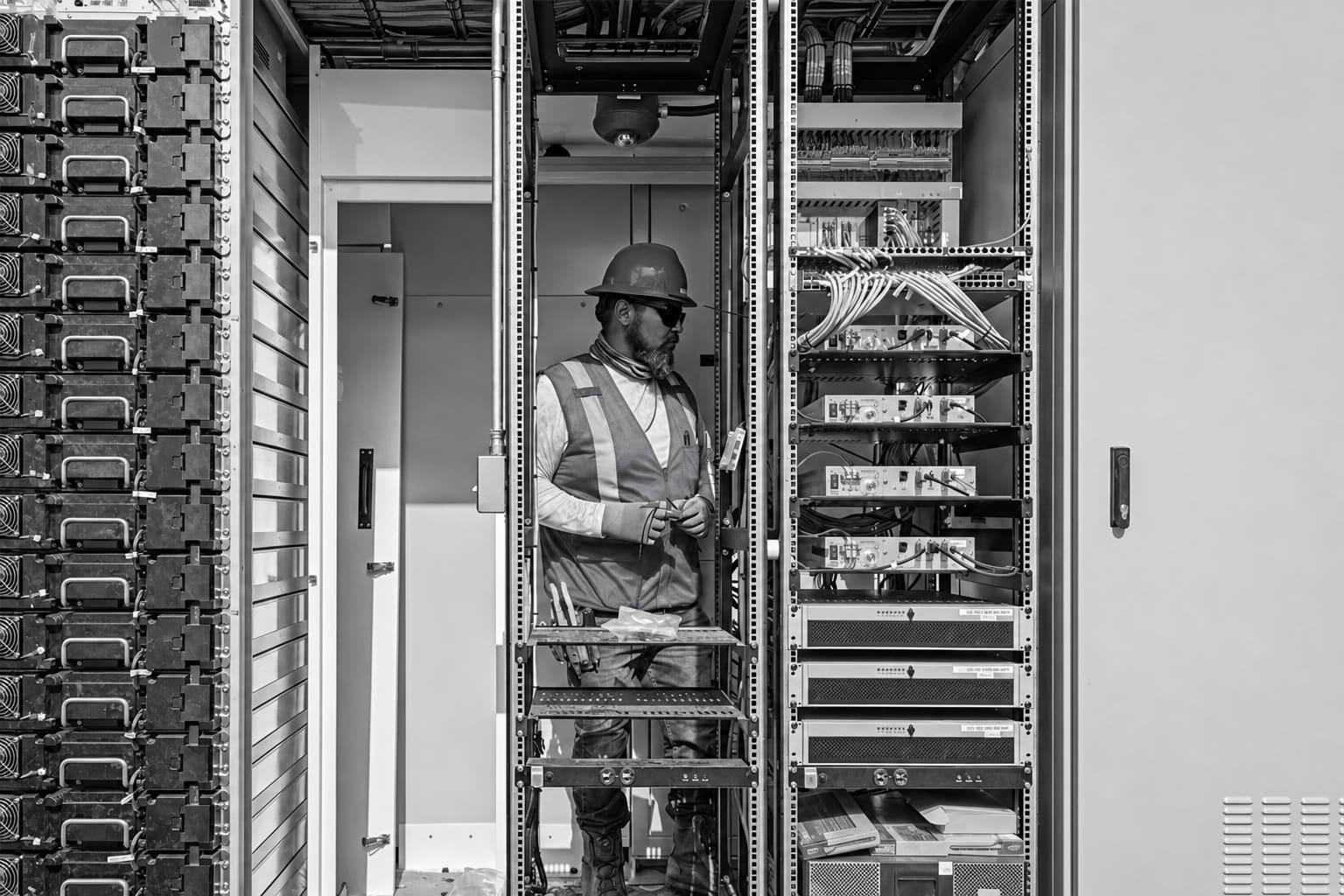
Battery energy storage systems in Seattle.
We design, install, and service commercial battery energy storage systems for Seattle buildings, from load data and permits through coordination with Seattle City Light.
Storage that pays for itself.
Commercial batteries earn their keep two ways: shaving the demand peaks that drive your bill, and carrying the building through outages that used to cost you a day. Request pricing on install battery energy storage systems from a single cabinet to containerized BESS on a pad.
The unglamorous parts are where projects die, so price them up front: utility interconnection, permits, NFPA 855 compliance, and commissioning. Pairing with solar or EV charging? One design, one crew, one number.
START HERE
How Seattle Commercial Buildings Buy and Run Battery Storage
A commercial battery energy storage system stores power on site and releases it when your Seattle building's load spikes. The battery watches the meter and discharges during the peak, so the building pulls less from the grid. It can also hold power for backup and shift use to cheaper hours. We size the system from your own interval data, not a rule of thumb. Every Seattle project runs on two tracks. One is the building: space in the switchgear room, a spot for the cabinet, and a permit through the Seattle Department of Construction and Inspections. The other is the utility. Seattle City Light is city owned, so metering and connection questions go to the city. We work both tracks at once.
Permits and a City-Owned Utility in Seattle
Two Seattle facts change how a battery project runs. First, SDCI issues the construction permits for commercial, mixed use, and industrial buildings, and a business that moves or expands inside an existing building can need more than one permit type. We settle which path applies before equipment is ordered, because the answer sets the drawing package and the schedule. Second, Seattle City Light is a municipally owned utility, so metering and connection requirements come from the city rather than a private power company. We open that request early and get the answer in writing before a cabinet is set.
Seattle permit path
Permits and Utility Steps for Commercial Battery Storage in Seattle
Confirm the permit type with SDCI
PERMIT
SDCI issues construction permits for commercial, mixed use, and industrial buildings. A battery added inside an occupied building is handled as work on an existing business, while a new building or an expansion follows the new building permit path. We confirm which one applies, because it sets the drawing package and who has to stamp it.
Check zoning and critical areas before picking a pad
SITE
SDCI's GIS map shows zoning and environmentally critical areas by parcel. If the outdoor spot you had in mind for the enclosure falls inside a mapped critical area, the site plan and the review both change. We pull that map before we commit to a cabinet location.
Pull the property's permit and violation record
RECORDS
The Seattle Services Portal lists recent permits and violations on a property. An open violation on the address can stall a new application, so we check the record first and clear it into the schedule instead of finding it after the equipment is on order.
Open the Seattle City Light request early
UTILITY
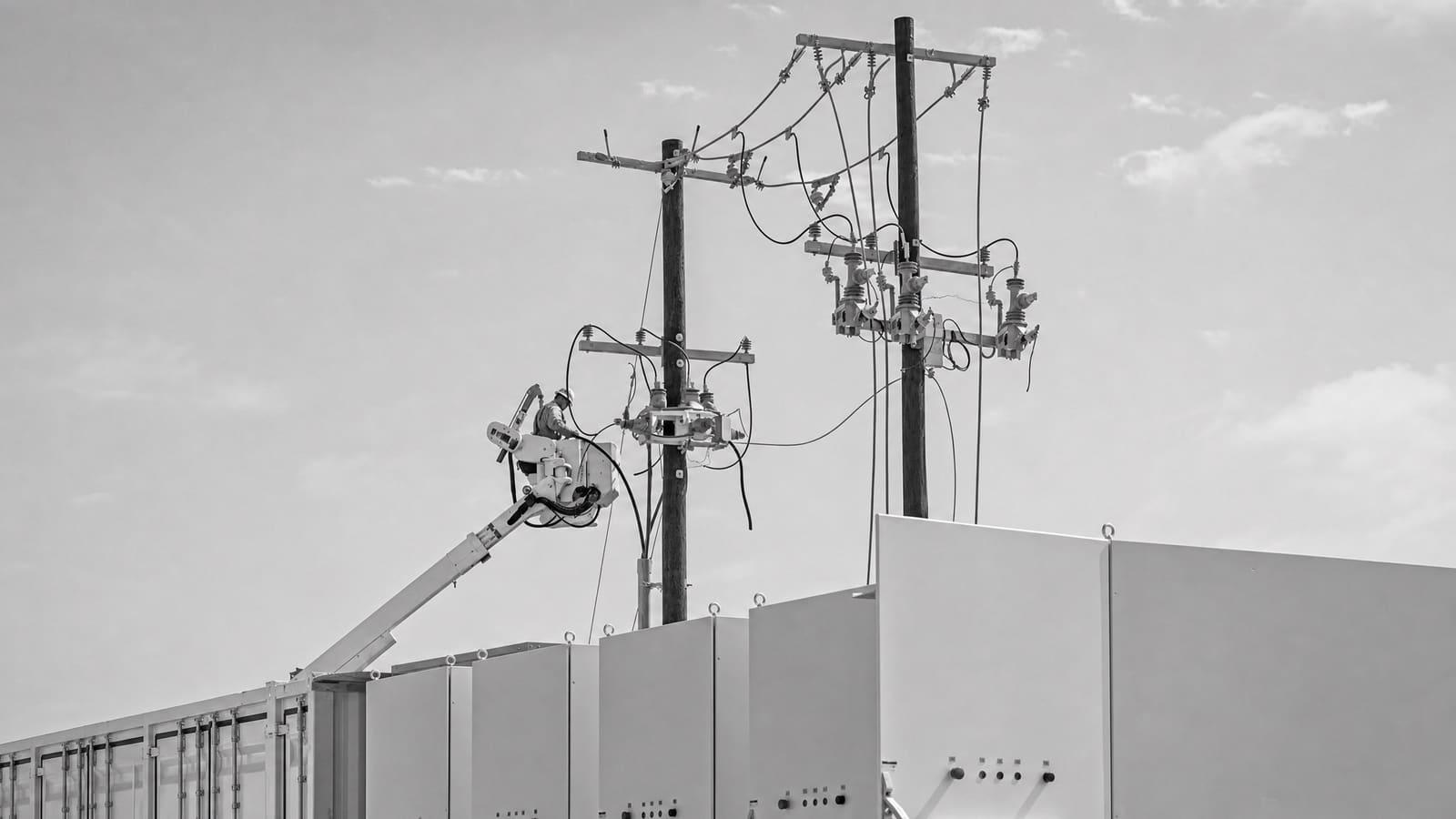
Seattle City Light is the city-owned electric utility. Metering and connection requirements come from them. We submit the request and hold their written answer before the cabinet, the disconnect, and the conduit runs are locked into the drawings.
PROJECT PLANNING
What Drives Battery Storage Payback for Seattle Facilities
Peak demand is billed on short intervals
DEMAND
Commercial power bills scale with the highest power draw, typically measured in intervals as short as 15 minutes. The battery watches the load and discharges inside those windows to cap the peak. One uncontrolled spike can set the demand charge for the entire month, which is why control settings matter as much as capacity.
The federal credit comes with labor rules
ITC
Standalone commercial storage qualifies for a base 30% investment tax credit under Section 48E when prevailing wage and apprenticeship requirements are met, and domestic content or energy community adders can stack on top. We flag those labor rules before bid, because they change how the install is staffed.
Value comes from more than one bucket
VALUE
Storage earns through demand charge reduction, shifting use to cheaper hours, backup power, and grid services. We list which buckets your Seattle site can actually use. A building with flat load and no outage exposure has fewer of them, and the sizing should shrink to match.
Warranty terms set the service plan
WARRANTY
Lithium-ion dominates commercial storage, with ten-year warranties and cycle counts in the thousands. Those terms decide how hard the system can be cycled and what monitoring the manufacturer expects. We match the control strategy to the warranty so aggressive dispatch does not void coverage.
WHAT WE HANDLE
Everything under the battery door.
Sizing inputs
How We Size a Commercial Battery Energy Storage System for a Seattle Building
- Twelve months of interval demand data from the meter, so the peak is measured in the same short intervals the bill uses instead of guessed from a monthly total.
- The loads that must ride through an outage and how many hours each one needs, because backup runtime and peak shaving pull the battery in opposite directions.
- A cycle budget. Lithium-ion systems carry roughly 4,000 to 6,000 cycles and ten-year warranties, so daily peak shaving spends warranty life every day it runs.
- Indoor or outdoor placement. For any battery going in an occupied room we ask the manufacturer for UL 9540A certification, the same document California now requires for indoor systems.
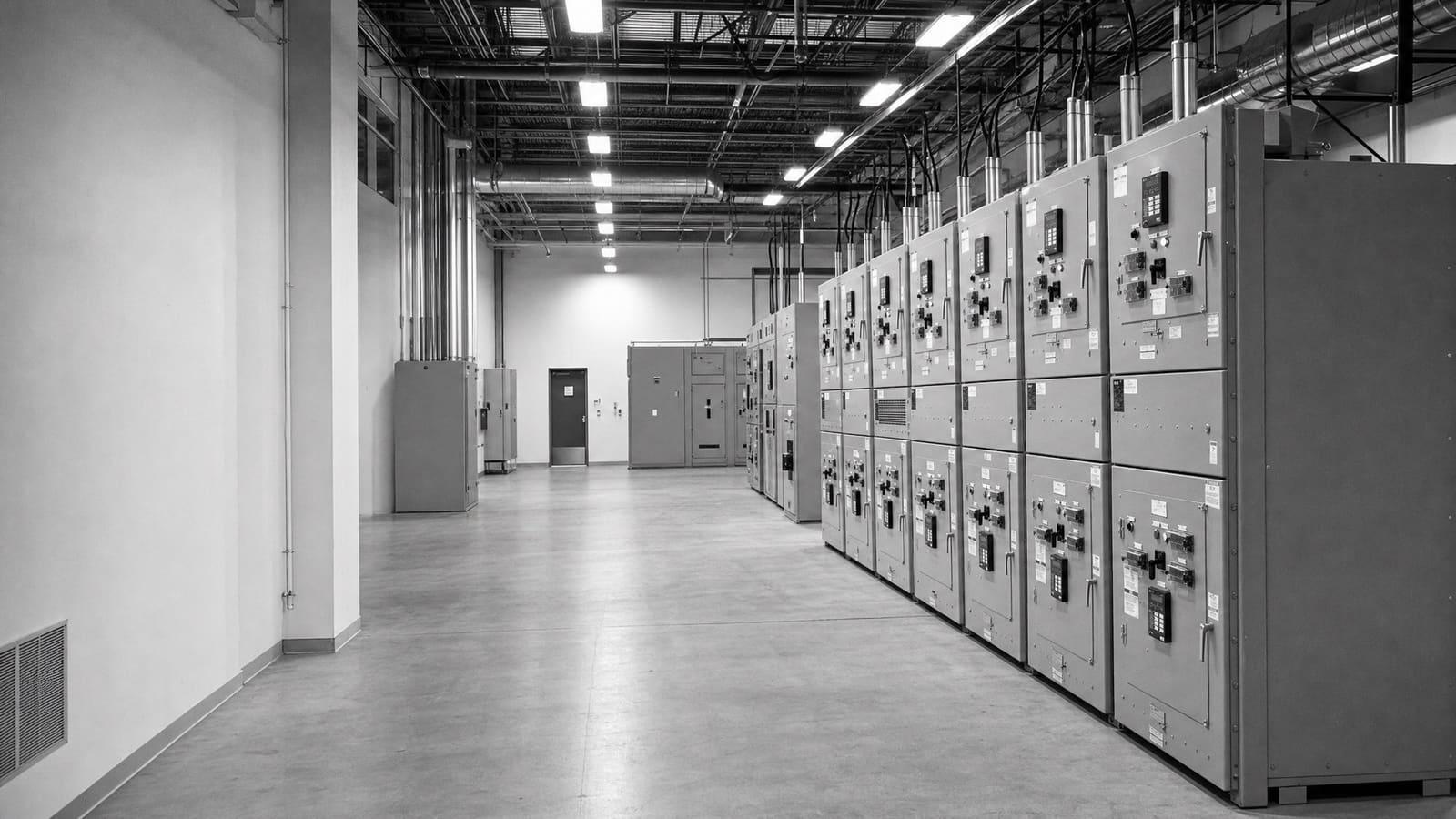
- Free space in the switchgear room and the route from the dock to that room, since a cabinet that will not fit the path changes the model before it changes the price.
BEFORE YOU BUY
Documents We Collect Before a Battery Storage Install in Seattle
- Utility bill history plus interval data, so the peaks we plan to shave are the ones the meter recorded.
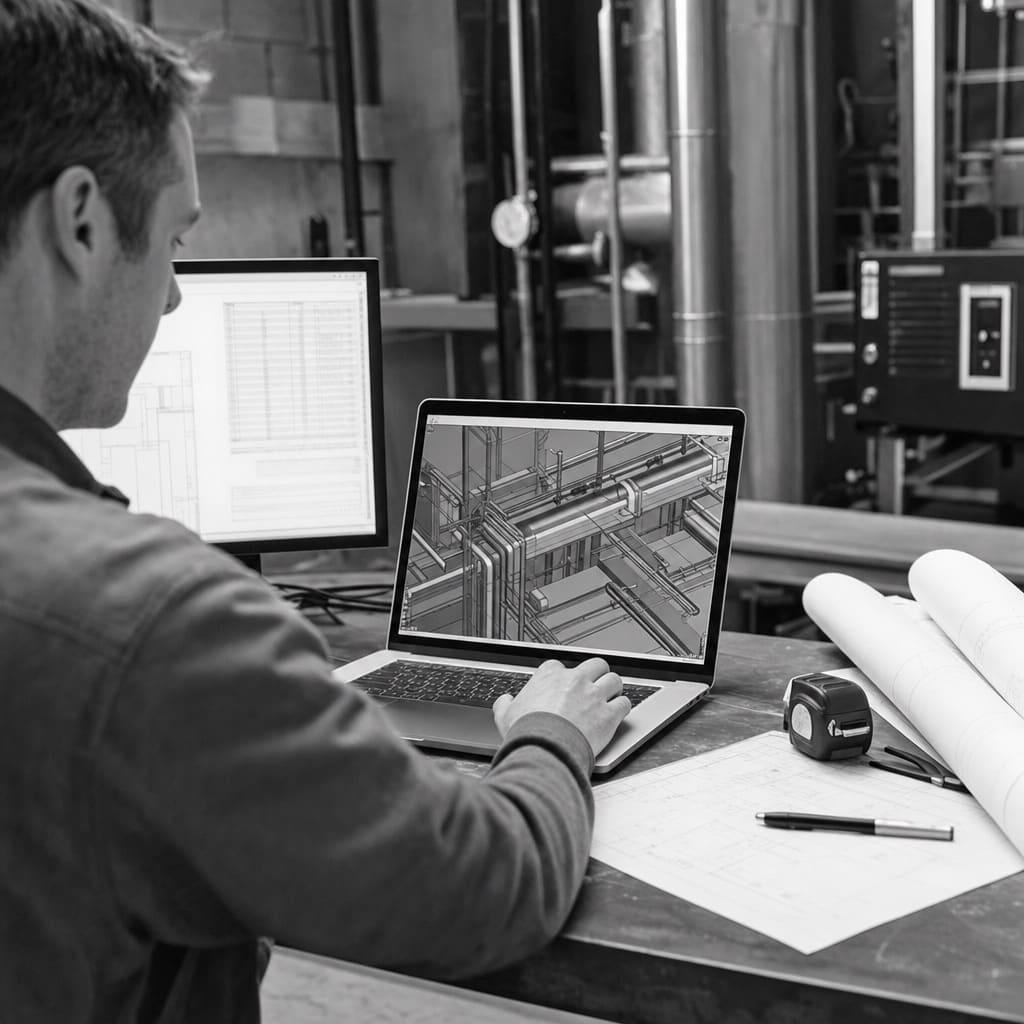
- A current one-line diagram showing service size, main breaker, and any spare positions in the switchgear.
- The manufacturer's UL 9540A report for any battery placed inside an occupied room.
- Written confirmation from Seattle City Light on metering and connection requirements for the address.
- Photos of the proposed cabinet location, the conduit path, and the delivery route in from the street.
- Your outage history and the list of loads that must stay up, signed off by the person who owns that call.
Project in Seattle?
Tell us the building, exact scope, and target date. Flux will review the request and send the next step.
QUESTIONS
Straight answers.
Do we need a permit to add battery storage to a commercial building in Seattle?
Plan on it. SDCI issues construction permits for commercial, mixed use, and industrial buildings, and a business that moves or expands can need several permit types. We confirm the path with SDCI before equipment is ordered.
Who is the electric utility for a battery storage project in Seattle?
Seattle City Light, which the city owns. Metering and connection requirements come from them rather than a private power company. We submit the request early and get the answer in writing before a cabinet is set.
Does a commercial battery system at our Seattle building qualify for the federal tax credit?
Standalone commercial storage can claim a base 30% investment tax credit under Section 48E when prevailing wage and apprenticeship requirements are met, and adders may stack. Your tax advisor confirms the final treatment.
How big should the battery be for our Seattle facility?
It depends on your measured peak, the hours of backup you need, and budget. We size from twelve months of interval data. California's new mandate uses two hours of average peak demand as a floor, but that law applies in California, not here.
GET STARTED
See what storage does to your bill.
Twelve months of bills is all the modeling needs. We'll show the demand-charge math for free, and tell you straight if it doesn't pencil.
MORE SERVICE AREAS