BATTERY ENERGY STORAGE
Battery storage interconnection.
The utility's permission slip for your batteries, and the timeline that rules the whole project.
THE APPROVAL
What battery interconnection involves
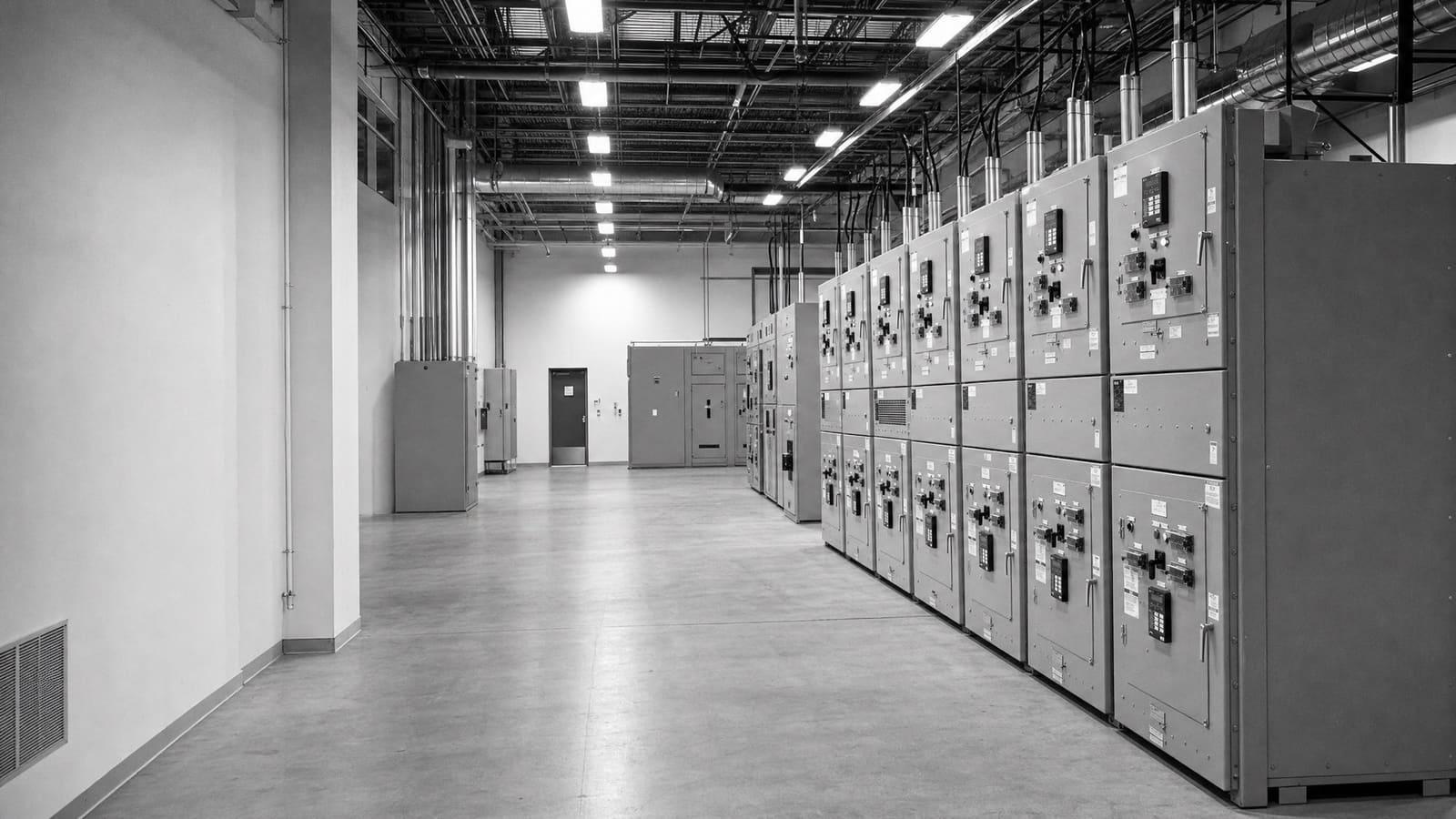
Battery interconnection is the utility's review and approval of your storage system before it may connect to their grid. The utility studies whether your equipment can push and pull power safely at your service point, what protections it needs, and whether their wires can handle it.
It is paperwork, engineering, and patience - and on most commercial battery projects it is the single longest item on the calendar. Interconnection cannot be rushed by construction: a finished system waits exactly as long as an unbuilt one. That is why experienced developers file first and build second.
THE PROCESS
The interconnection process, step by step
01
Application
System specs, one-line diagrams, and equipment certifications go to the utility. Complete applications move; incomplete ones restart the clock.
02
Study
The utility models your system against their grid. Small systems often pass a fast screen; larger ones get deeper studies.
03
Agreement and upgrades
The utility issues terms - sometimes requiring protective equipment or, on constrained circuits, paid upgrades.
04
Witness test
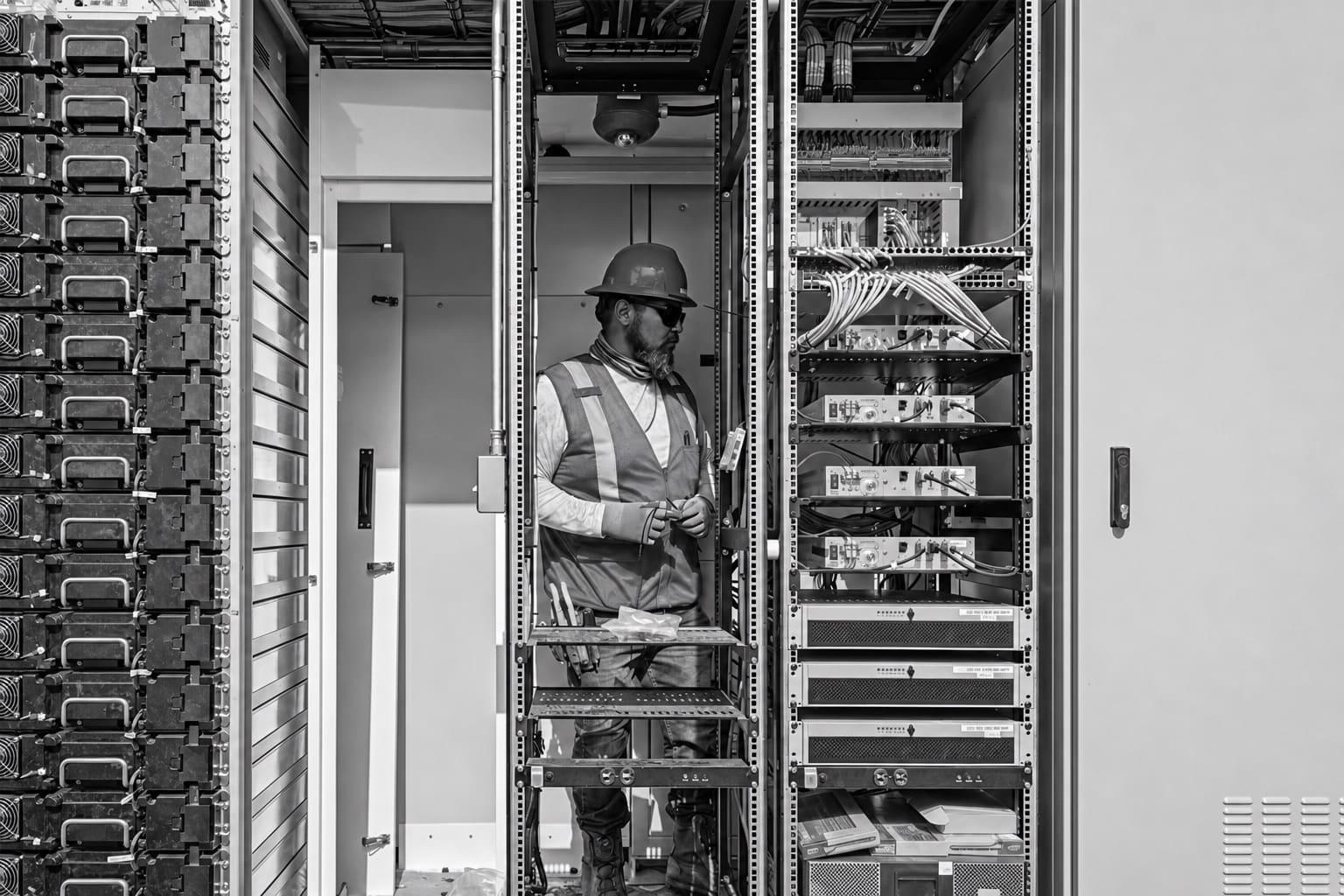
After installation, the utility verifies the safety functions in person and grants permission to operate.
SPEED FACTORS
How to speed up battery interconnection
Certified equipment on the utility's known list. A complete first application. A system sized within the circuit's headroom. Responsive answers when the reviewer asks questions.
None of it is exotic - but each miss adds weeks. An installer who files these routinely is buying you calendar time.
EXPORT OR NOT
Export vs non-export battery systems
A battery configured never to push power onto the grid - non-export - often gets a lighter review than one that sells energy back. Many commercial systems choose non-export for exactly that reason: the value is behind the meter in demand savings anyway.
The right answer depends on your programs and rates; it gets decided at design time, not after.
Planning a battery project timeline?
Request an estimate. We file interconnection first, so approval and construction finish together instead of in series.
QUESTIONS
Straight answers.
How long does interconnection take?
Small systems on healthy circuits can clear in weeks; larger systems with studies run months. It's usually the longest single item on a battery project calendar.
Can we build while the application processes?
You can, but energization still waits for approval. The smart sequence files early so the reviews and the build overlap.
What if the utility requires upgrades?
On constrained circuits the utility may require paid grid upgrades. The study phase surfaces this before you're committed - one more reason to file first.
What is a non-export system?
A battery configured never to push power to the grid. It often earns a lighter, faster review while keeping the demand-charge value that drives most projects.
GET STARTED
Ready to price battery storage?
Request an estimate. Interconnection filed first, timeline honest from day one.