SEATTLE, WA · MECHANICAL
Commercial mechanical contractors in Seattle.
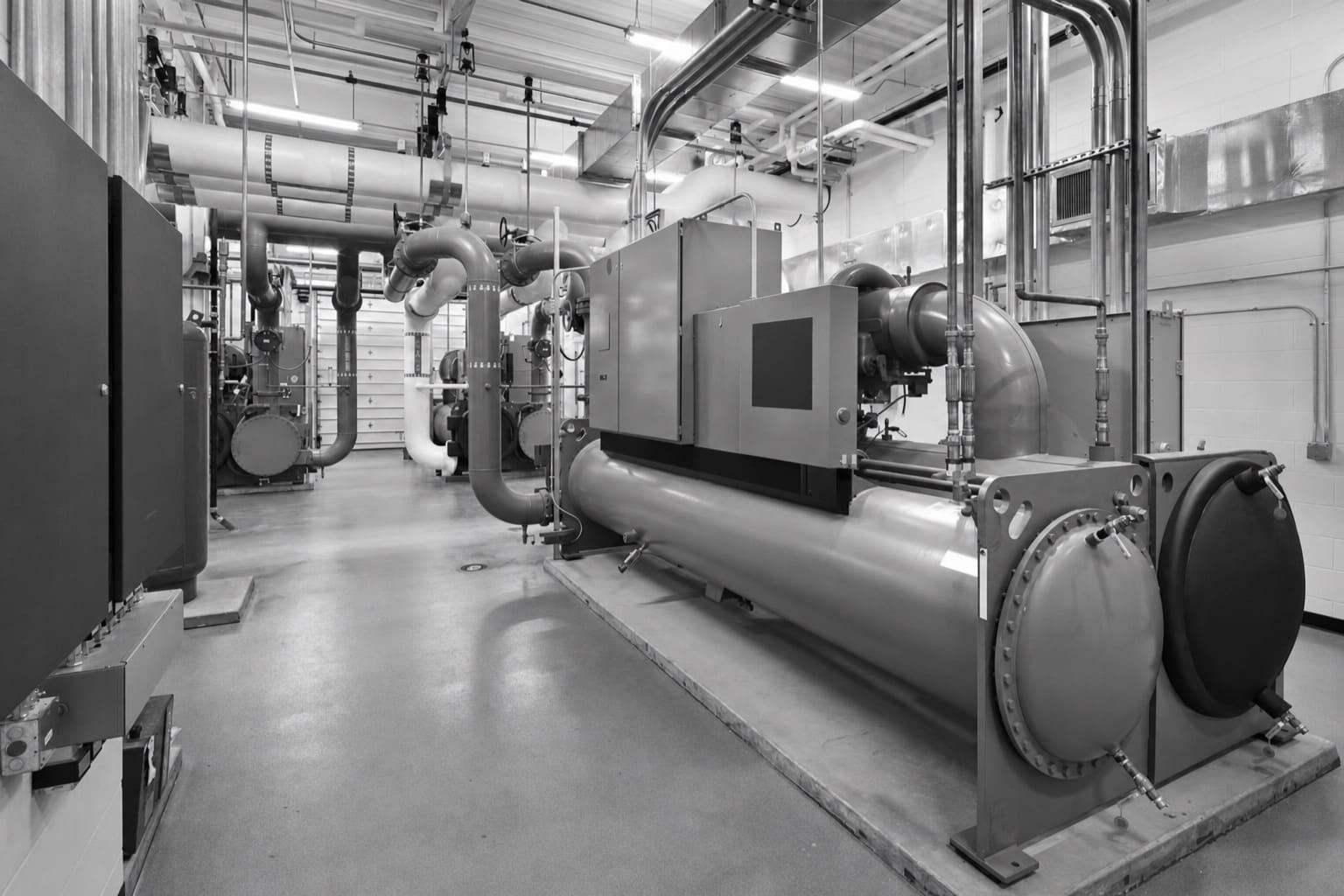
We are commercial mechanical contractors in Seattle. We service HVAC, plumbing, and piping for offices, retail, mixed use, and industrial buildings.
Mechanical work that hits the date.
Whether a build-out needs mechanical from scratch or one system reached its end, the schedule is the job. One request covers plumbing, HVAC, boilers and chillers, and ductwork with the coordination that keeps other trades moving.
Industrial work is its own discipline: process piping, sheet metal and pipe fabrication, and design-build engineering when the drawings don't exist yet. One point of contact from scope to commissioning, and a number that doesn't move after signing.
START HERE
Mechanical service for Seattle offices, retail, and industrial buildings
We are commercial mechanical contractors for Seattle buildings. We install, repair, replace, and maintain HVAC systems, plumbing, and piping. We also handle retrofits, design-build installations, and control systems. We work in offices, retail spaces, restaurants, mixed use buildings, and industrial sites. Seattle buildings vary a lot. Downtown holds older office properties. Other areas hold newer shells and leased tenant spaces. So we start in your building, not on a drawing. We record equipment nameplate data, ductwork layout, thermostat locations, and electrical service capacity. Then you get a written report of what we found before you approve any equipment.
Seattle permits change your mechanical scope
Seattle's Department of Construction and Inspections treats a new business differently from a tenant improvement. A business is new when it moves to a different location or expands inside an existing commercial building, and a new business may require several types of permits. If you alter your current space without changing its use, the city calls it a tenant improvement to an existing business. A new commercial, mixed use, or industrial building needs a construction permit. Before we price mechanical work, we check the Seattle Services Portal for recent permits or violations on the property and the city's Research a Project page for older permit history. That tells us what the city already has on record for your address.
Pre-quote walk-through
What we check before we quote mechanical work in Seattle
Equipment nameplate data
SIZING
We record the nameplate data on every unit. That tells us whether a replacement runs on the electrical service you already have or forces electrical work into the same project.
Duct leakage and static pressure
AIRFLOW
We test duct leakage with calibrated flow hoods and manometers. If ducts leak or fight high static pressure, a larger rooftop unit will not fix the space, so the ductwork gets corrected first.
Electrical service capacity
POWER
We check the power available at the panel. Low capacity narrows the equipment we can specify and moves cost from the mechanical line to the electrical line.
Code violations from prior installs
CODE
We look for work left non-compliant by earlier installers. Those items must be corrected with the new work, so we price them up front instead of at inspection.
Thermostat and sensor locations
CONTROLS
We record where thermostats sit and which zone each one controls. A sensor in the wrong zone makes a system look undersized when the real fix is control placement.
PROJECT PLANNING
Commercial mechanical services we deliver in Seattle buildings
Repair or replace
DECISION
We weigh repair against replacement on aging units. Nameplate data, part availability, and duct condition drive that call, so you are not replacing equipment to solve a ductwork problem.
Retrofit and design-build
BUILD
When a Seattle tenant space changes use, we design and build the mechanical system around the new load instead of reusing whatever the last tenant left in the ceiling.
Commercial plumbing and piping
PLUMBING
We service and repipe domestic water, waste, and mechanical piping. Catching failed piping during a build-out keeps it from shutting a floor down after you move in.
Control systems
CONTROLS
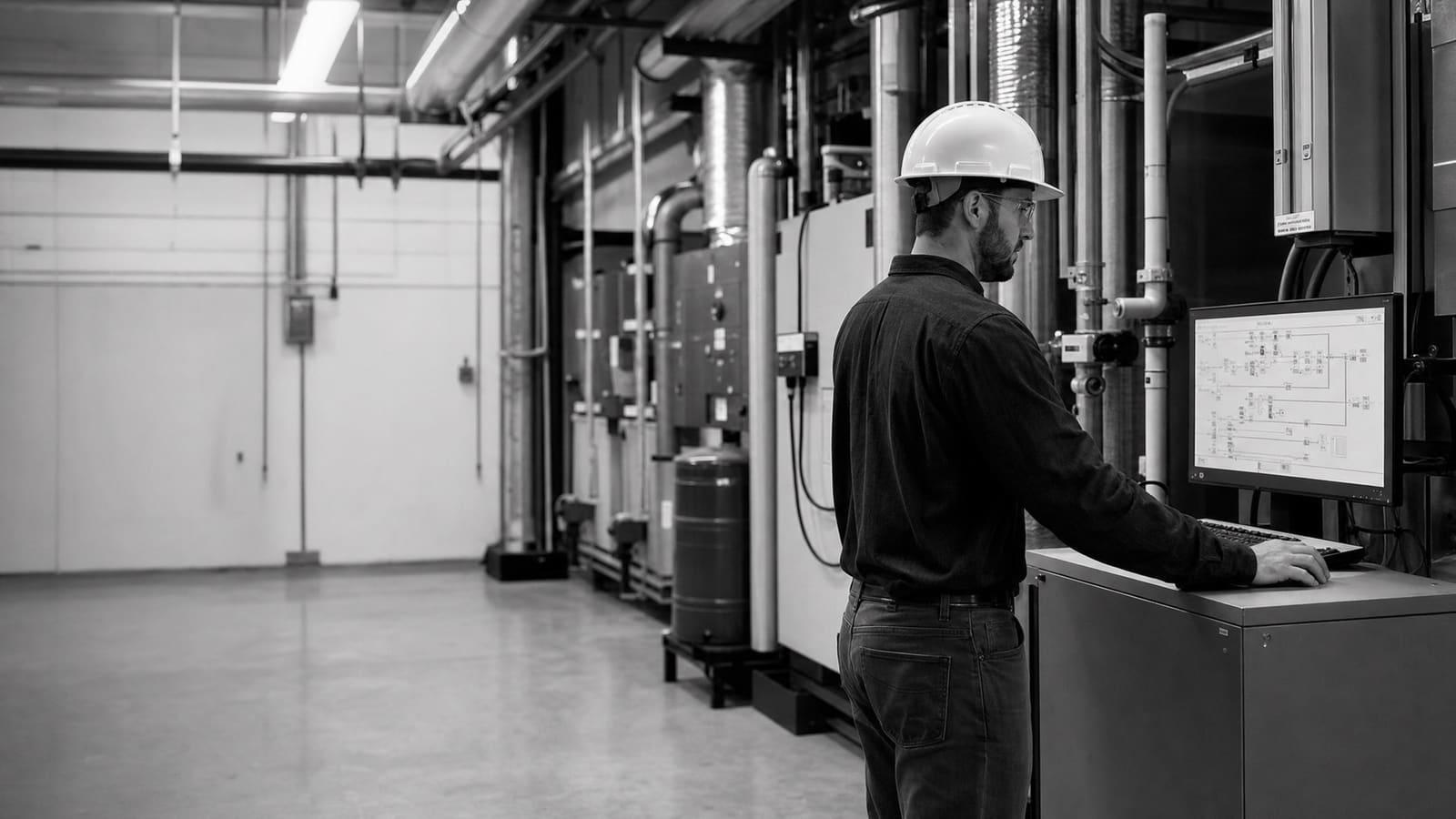
We install and repair controls so equipment runs on your occupied hours. Bad schedules run units all night in a building nobody is in.
Planned maintenance
MAINTENANCE
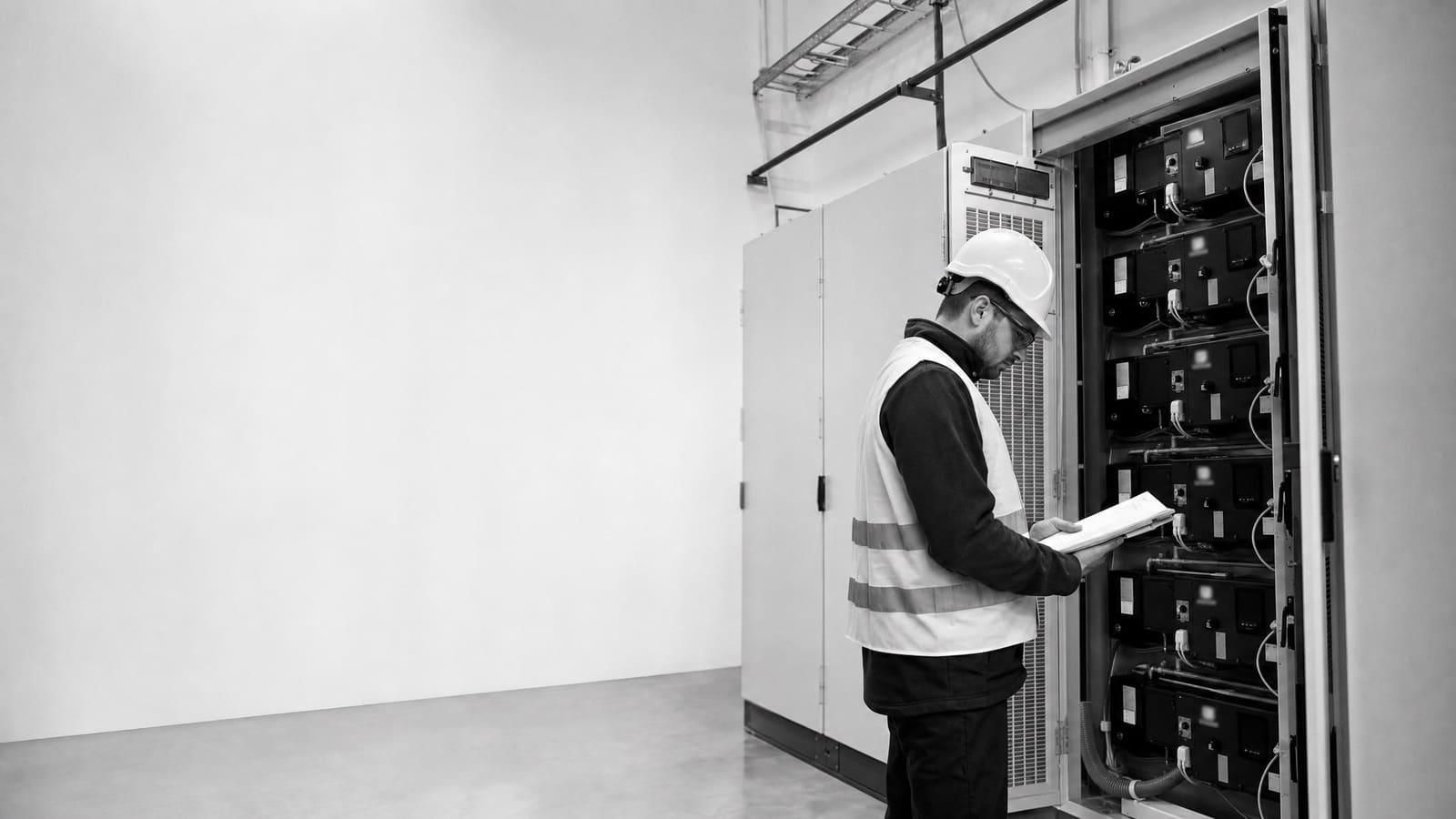
We maintain equipment on a written scope that names each unit and each task, so you know what was touched and what we flagged for budget.
WHAT WE HANDLE
Everything under the mechanical door.
CONSTRUCTION & INSTALLATION
DESIGN & PRECONSTRUCTION
Permit path
Seattle permit questions that change a mechanical project
- Is your space a new business? Seattle counts a business as new when it moves to a different location or expands within an existing commercial building, and that answer changes which permits you need.
- Are you altering your current location without changing its use? Seattle calls that a tenant improvement to an existing business, which is a different path than a new business.
- Is this a new commercial, mixed use, or industrial building? Those need a construction permit from the city before mechanical work goes in.
- Have you checked the Seattle Services Portal for recent permits or violations on the property? Open items can stall the mechanical inspection you are counting on.
- Do you need older records? We use the city's Research a Project page and King County records to find what was permitted before, so our drawings match the real building.
BEFORE YOU BUY
How to vet a commercial mechanical contractor in Seattle
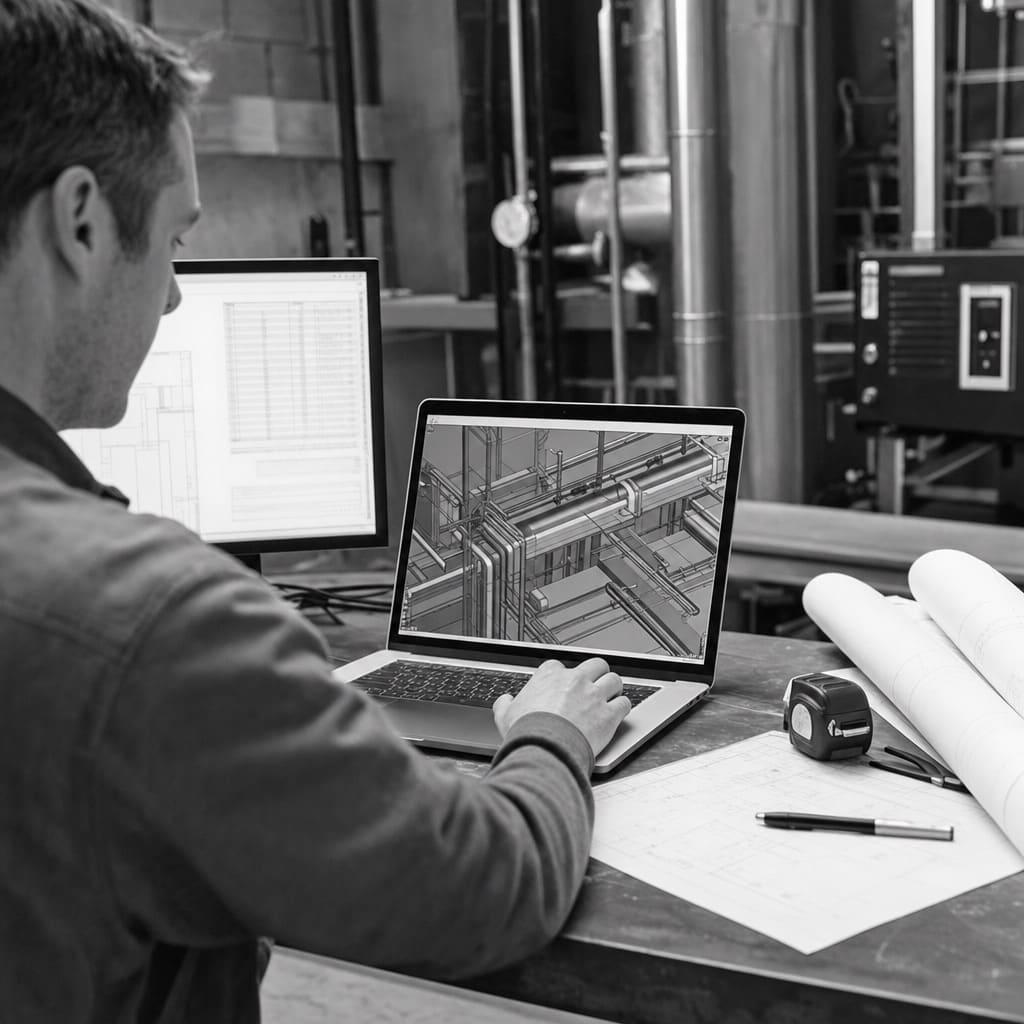
- Ask whether they measure actual conditions or work from old blueprints. Past tenants change ductwork and drawings rarely catch up.
- Ask for a written report of existing conditions before you approve equipment. It should list nameplate data, ductwork configuration, thermostat locations, and electrical service capacity.
- Ask who pulls the Seattle permits and who meets the inspector. Unclear ownership of that step is where schedules slip.
- Ask whether one contractor covers HVAC, plumbing, and piping. Splitting them adds handoffs on a tenant build-out where the ceiling is shared.
- Ask how they handle service calls in an occupied Seattle office or retail space, including access and work hours.
- Ask what happens when they find code violations from prior installs. You want that in the proposal, not as a change order.
Project in Seattle?
Tell us the building, exact scope, and target date. Flux will review the request and send the next step.
QUESTIONS
Straight answers.
Do I need a permit for mechanical work in a Seattle commercial building?
Often, yes. Seattle says a new business may require several types of permits, and a new commercial, mixed use, or industrial building needs a construction permit. We confirm the path with the city before work starts.
What counts as a tenant improvement in Seattle?
If a business makes alterations at its current location without changing its use, Seattle treats it as a tenant improvement to an existing business rather than a new business.
Can you find out what permits already exist on my Seattle property?
Yes. We check the Seattle Services Portal for recent permits or violations, and use the city's Research a Project page and King County records for historical permit information.
What kinds of Seattle buildings do you serve?
Commercial only. That includes administrative offices, retail stores, restaurants, mixed use and industrial buildings, and tenant spaces inside older downtown office properties.
GET STARTED
Plan it once. Build it right.
Send the plans or the nameplate and get a complete installed price: real scope, real lead times, no surprises on the back end.
MORE SERVICE AREAS