MECHANICAL
Design-build mechanical contractor.
From a problem and a floor plan to an engineered, priced, built system, one contract, one throat to choke.
THE SHORT VERSION
How design-build mechanical projects work
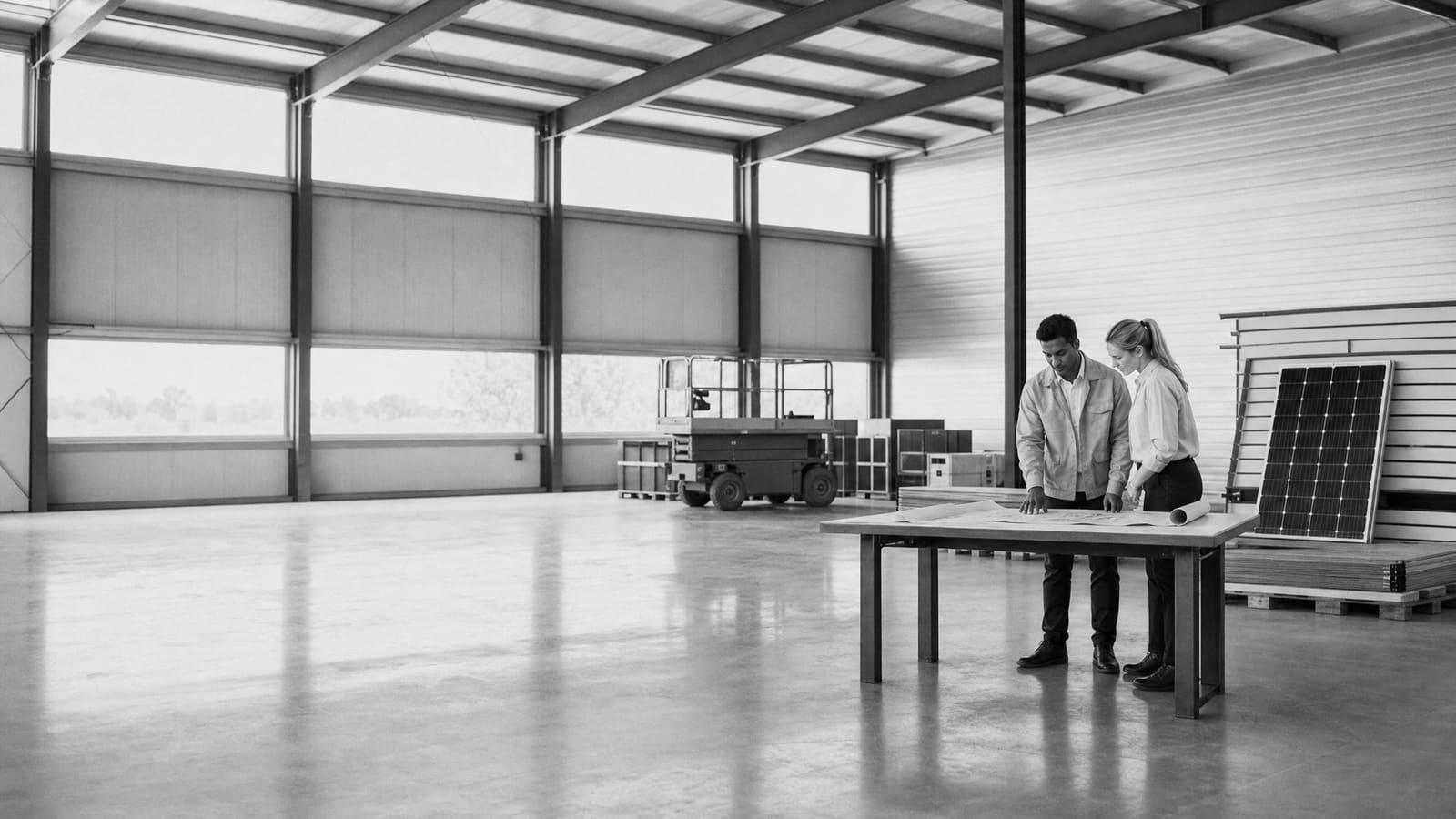
Design-build puts the mechanical system's designer and installer on one team, under one contract, with one line of accountability. The alternative, plan-and-spec, finishes drawings first and then bids them out, which invites the classic failure: the low bid from whoever missed the most.
With design-build, the price forms alongside the design, constructability gets baked in early, and there's nobody to blame but the team that owns everything. For buildouts, additions, and plant overhauls, it usually means faster schedules, fewer change orders, and a number that means something.
WHERE IT FITS
When design-build fits a mechanical project
- Buildouts and additions where drawings don't exist yet
- Plant replacements with engineering choices to make
- Schedule-driven projects that can't wait for a bid cycle
- Owners who want one accountable party, not a referee role
- Complex retrofits where field conditions will surprise someone
- Projects where early cost certainty beats theoretical bid savings
THE TRADE-OFF
Design-build vs plan-and-spec bidding
Plan-and-spec creates price competition on finished drawings, and it works when the design is truly settled. Its weakness is what the drawings missed: gaps become change orders, and the winning bid was often the one that forgot the most.
Design-build trades bid-day price pressure for early collaboration and a negotiated number. The owner's protection shifts from competition to transparency: open-book pricing and a team with its name on the outcome.
DOING IT RIGHT
What to expect from a design-build partner
One point of contact from concept through commissioning. Design decisions made with installers in the room. Equipment ordered against real lead times, not hopeful ones. A schedule the same team both drew and has to live with.
And at the end, commissioning that proves the system performs, by the people with nowhere to point except themselves.
Project without drawings yet?
That's exactly the starting point. Describe the goal and design-build takes it from there.
QUESTIONS
Straight answers.
Is design-build more expensive?
It trades theoretical bid-day savings for fewer change orders and faster schedules. On projects with unknowns, the final cost is usually lower; open-book pricing keeps the number honest along the way.
How does pricing stay fair without bidding?
Transparency: open-book equipment and labor, milestones tied to scope, and a team whose reputation rides on the outcome. Owners see the number form instead of receiving it sealed.
What projects suit design-build best?
Anything where the drawings don't exist yet or field conditions will force decisions: buildouts, plant swaps, and retrofits. Truly settled designs can still bid plan-and-spec.
Who owns problems during construction?
The design-build team, by structure. When designer and installer are one party, 'the drawings were wrong' and 'the field built it wrong' are the same company's problem to fix.
GET STARTED
One team, one number.
Describe the project, even roughly. A design-build approach comes back with scope, schedule, and a number that holds.