MECHANICAL
Process piping contractors.
Welded systems for the fluids that run production: compressed air, steam, glycol, gas, and product lines.
THE SHORT VERSION
What process piping systems require
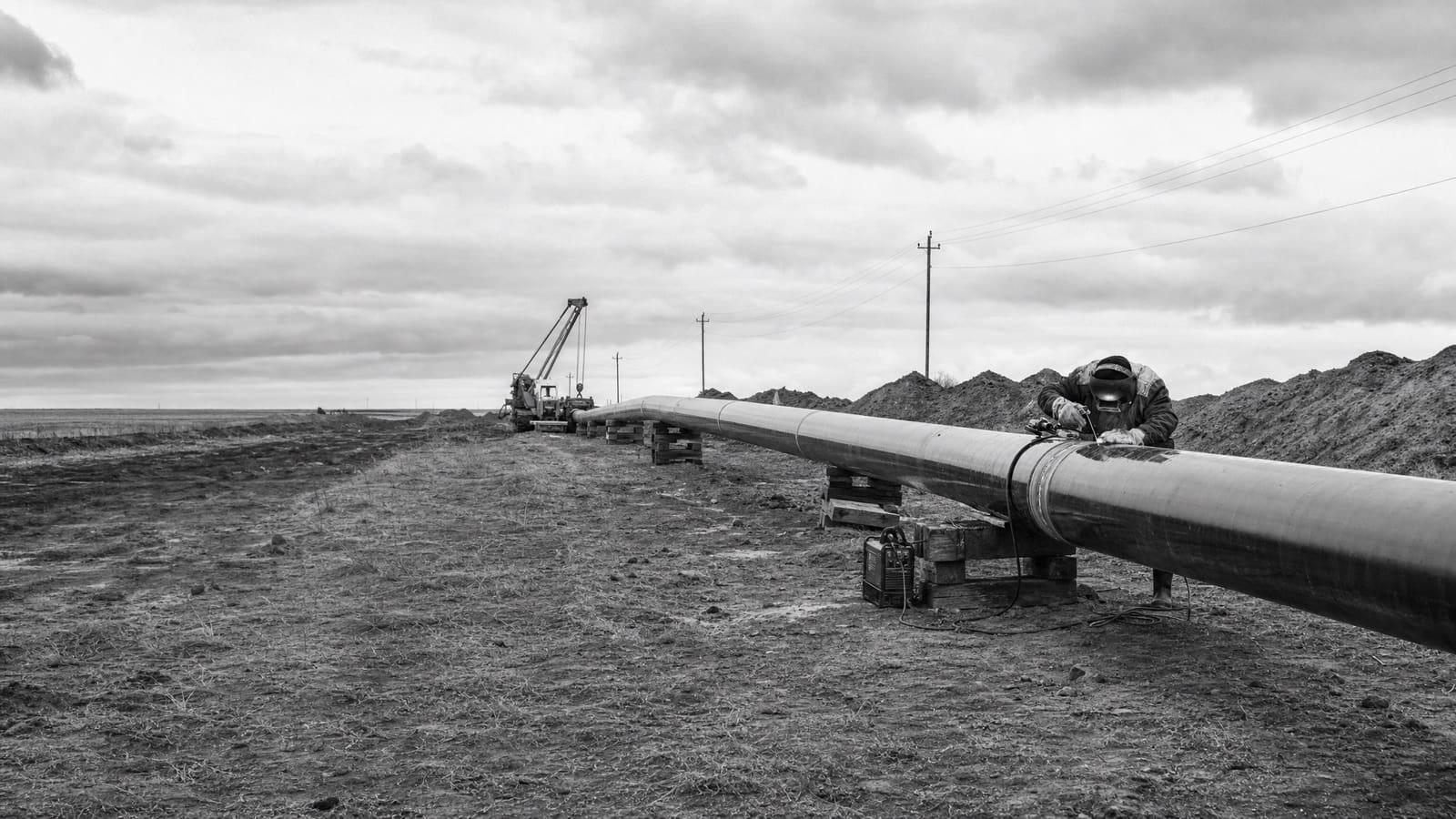
Process piping moves what a facility makes: steam, chemicals, gases, process water, food product, and everything else production depends on. ASME B31.3 governs it, and the code is the whole point: materials, welds, testing, and documentation are engineered to the specific fluid, pressure, and temperature.
That's what separates it from building plumbing. A process line isn't pipe from a shelf; it's an engineered system with corrosion allowances, certified welders, and records that survive audits. Facilities that treat it as plumbing find out why the standard exists.
WHAT MOVES THE NUMBER
Process piping cost factors
- The fluid: benign process water and aggressive chemicals price differently
- Material spec: carbon steel, stainless, and alloys by duty
- Operating pressure and temperature, which set the code class
- Certified welding scope and the testing behind it
- Routing through a live production environment
- Documentation: weld maps and test records the code requires
THE DIVIDING LINE
Process piping vs utility piping
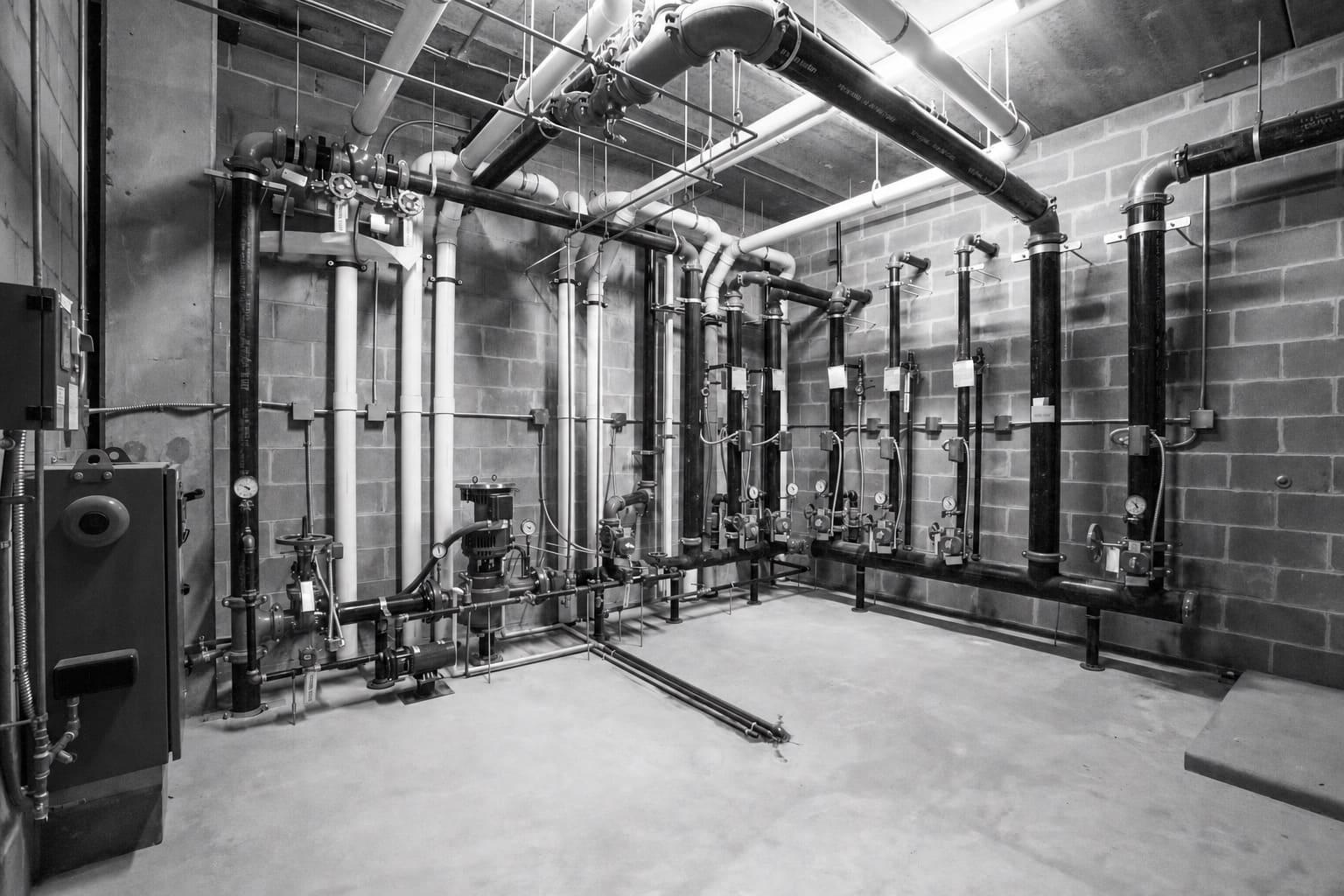
The building's water and drains follow the plumbing code. Production's fluids follow ASME B31.3, and the difference is real: stricter engineering, certified welders, and testing appropriate to what the pipe carries.
The boundary matters at bid time. Scope labeled correctly gets built by crews certified for it; scope mislabeled gets rebuilt after the audit finds it.
LIVING SYSTEMS
Maintaining process piping systems
Process lines age by their contents: corrosion, erosion, and fatigue accumulate invisibly. Well-run facilities inspect on a schedule, monitor known wear points, and replace sections on evidence instead of failure.
Unplanned line failure means lost production at best. The inspection program is cheap against a single unplanned shutdown, which is the honest budget comparison.
Adding a line or moving one?
Describe the fluid and conditions. The spec, the crew certs, and the price all follow from that.
QUESTIONS
Straight answers.
What does ASME B31.3 mean for my project?
It's the process piping code: material selection, weld procedures, testing, and documentation matched to your fluid and conditions. Crews working under it carry the certifications to prove it.
Why can't a plumber run process pipe?
Different code, different certifications, different stakes. Plumbing licenses cover building systems; process piping requires B31.3-qualified procedures and welders.
How is process piping priced?
By the engineering: fluid, pressure, temperature, material, and routing. Two lines of identical length can price far apart because the duty differs.
Can work happen during production?
Often, with planning: tie-ins scheduled for windows, prefabrication done off-line, and routing staged around operations. The plan is part of the scope.
GET STARTED
Pipe it to the standard.
Describe the fluid, the conditions, and the route. Certified process piping work comes back scoped and priced.