MECHANICAL
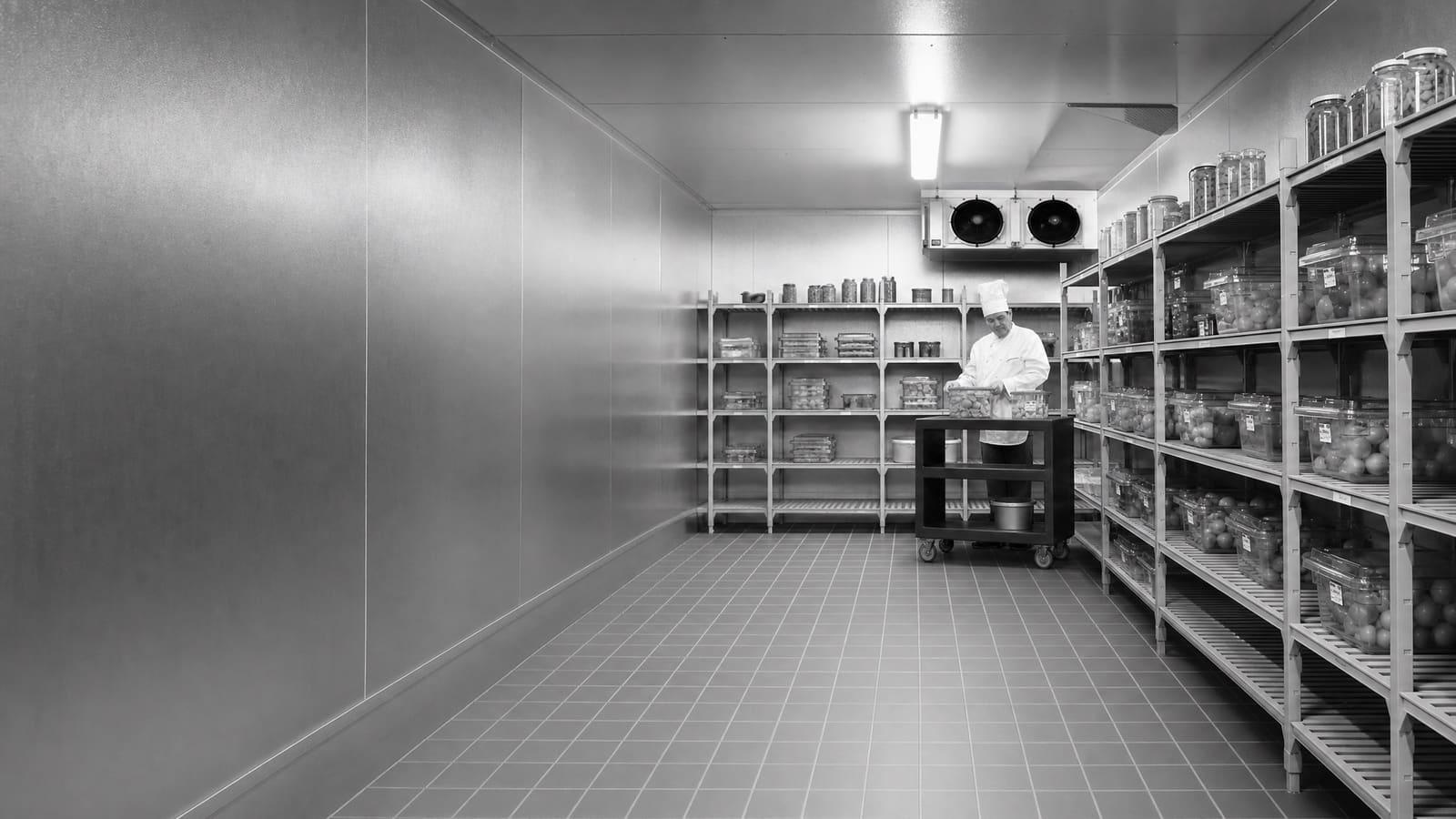
Commercial refrigeration installation.
Walk-ins, racks, and process cooling, installed tight, charged right, and ready for inspection.
THE SHORT VERSION
What commercial refrigeration installation involves
Commercial refrigeration installation builds the systems that hold temperature for a living: walk-in coolers and freezers, reach-in lineups, and rack systems serving whole stores. The box is the visible part; the system is compressors, evaporators, refrigerant lines, drainage, insulation, and controls, engineered to hold setpoint through door swings and summer.
Installation quality is destiny here. A well-built walk-in holds temperature quietly for years; a shortcut build sweats, ices, and burns compressors. The difference is sizing, line work, and drainage done to spec on day one.
WHAT MOVES THE NUMBER
Refrigeration installation cost factors
- Box size and temperature: coolers and freezers build differently
- Compressor location: self-contained versus remote racks
- Refrigerant line runs between box and equipment
- Drainage: condensate has to go somewhere legal
- Floor spec: freezers need insulated, heated-slab detail
- Controls and monitoring, especially where food safety logs matter
DESIGN CHOICES
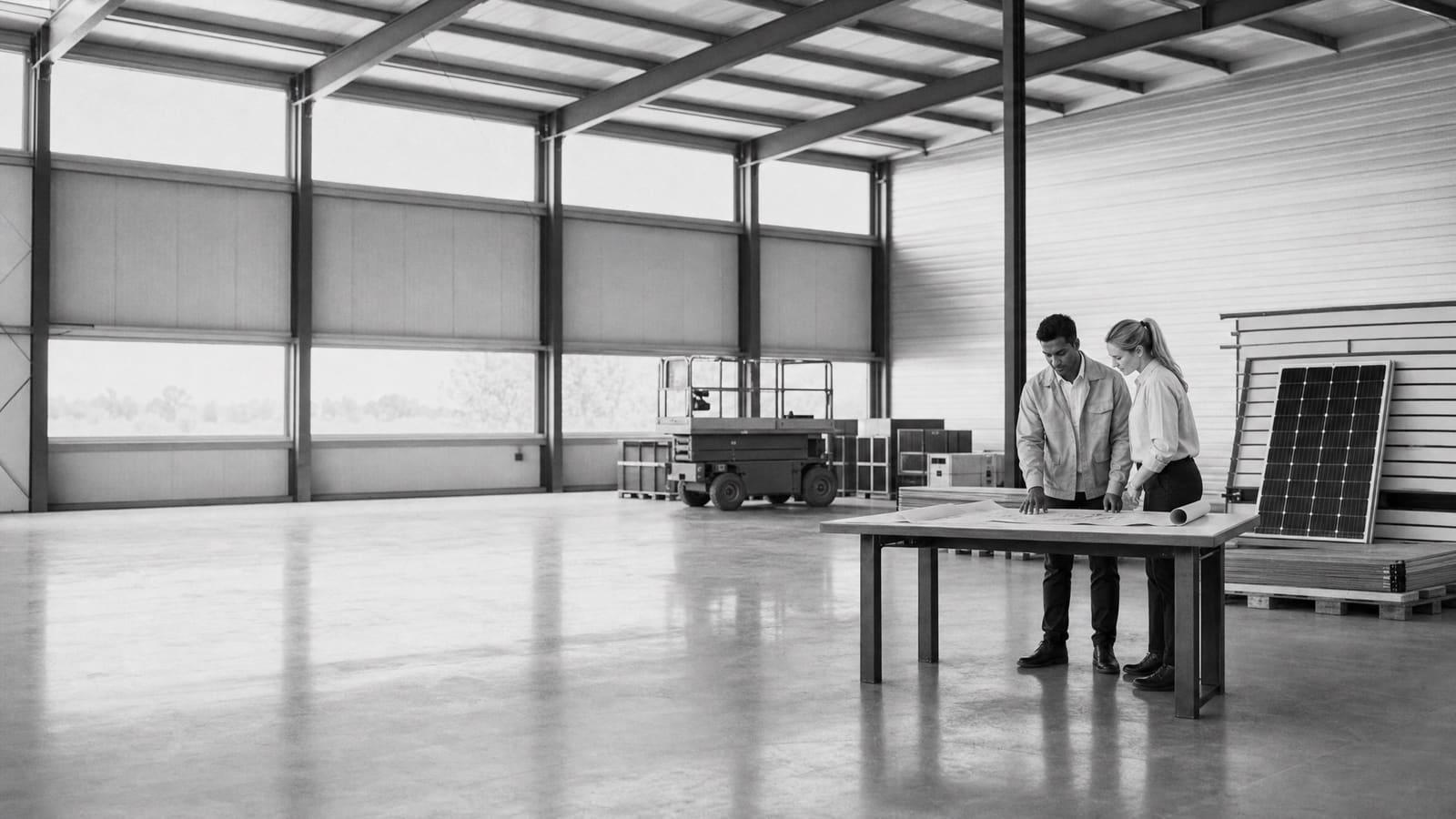
Walk-in cooler installation requirements
The failures that plague walk-ins are installation choices: undersized condensing units that never stop running, uninsulated line runs, drains that trap and freeze, and door heaters wired wrong.
A right-side build sizes equipment to the real load: door traffic, product turnover, ambient heat, and details the boring parts to spec. The proof arrives every summer afterward.
SERVICE REALITY
Planning for refrigeration service from day one
Every refrigeration system will need service; installation decides how painful that is. Accessible compressors, labeled circuits, isolation valves, and documented charge turn future repairs into visits instead of projects.
Rates for that future work follow urgency and expertise, which is one more reason equipment that fails less, because it was installed right, is the cheapest kind.
Adding cold storage?
Describe the product and the space. Sizing comes first, then the price, in that order.
QUESTIONS
Straight answers.
What does a walk-in installation cost?
Box size, temperature, compressor configuration, and site work set it. Freezers cost more than coolers for the same footprint; remote racks change the math again. Real quotes follow a site look.
Self-contained or remote refrigeration?
Self-contained is simpler and cheaper for one box; remote racks serve multiple fixtures efficiently and move heat and noise out of the space. Store-scale projects usually go remote.
Why do freezer floors need special construction?
Ground under a freezer can freeze and heave without insulation and, in some designs, gentle heat. It's foundational, literally, and expensive to retrofit later.
How fast can a walk-in go in?
Panel boxes assemble quickly; the schedule lives in equipment lead times, electrical, and drainage. The timeline arrives with the quote.
GET STARTED
Build the cold right.
Describe what needs refrigerating and the space it lives in. Installation options come back sized and priced.