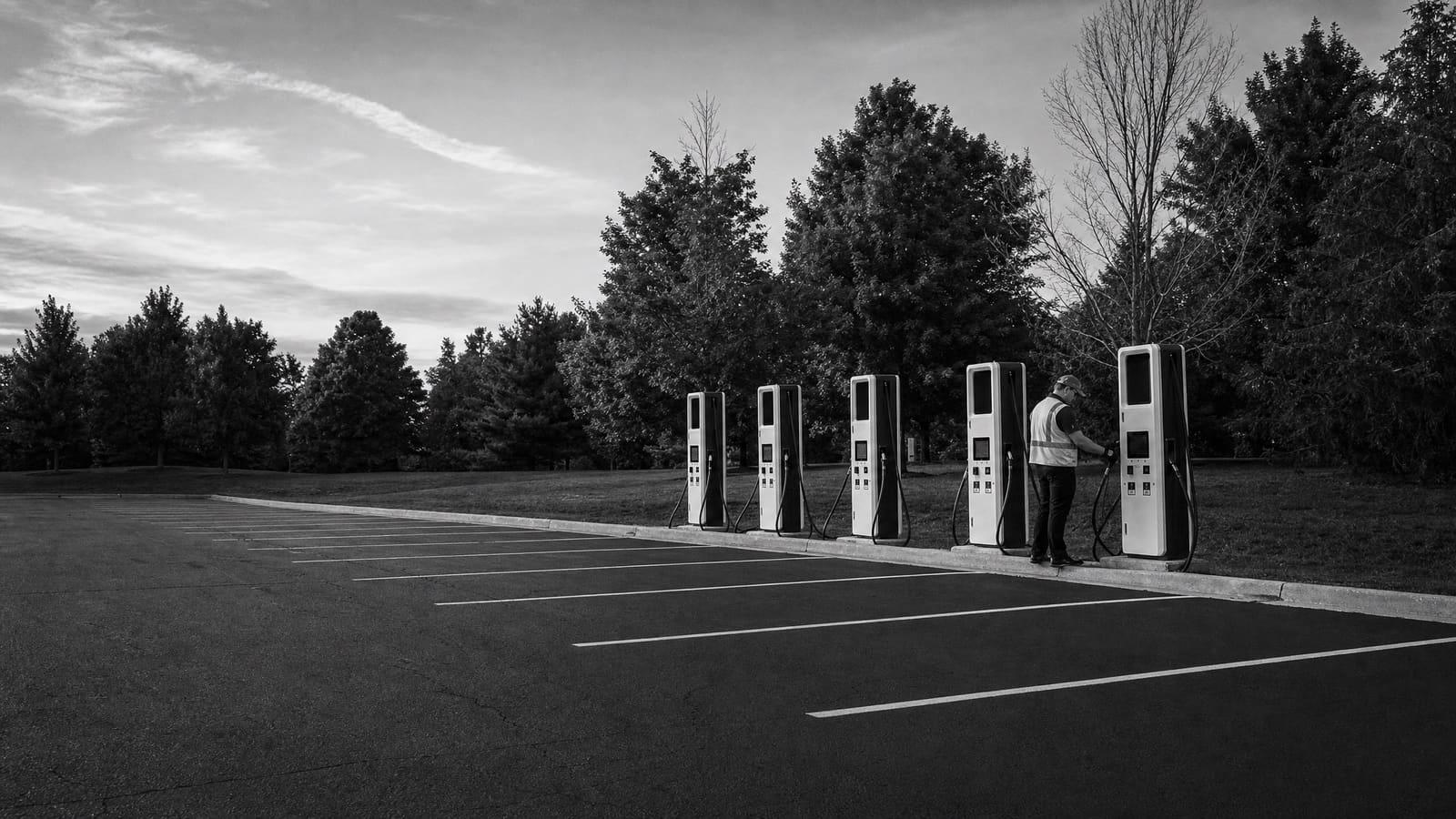
EV CHARGING
EV charger maintenance and repair.
Uptime service for charging you own, whoever installed it. A dead charger is worse than none.
AFTER THE INSTALL
Keeping chargers alive and earning
EV charger maintenance is the difference between an amenity and an apology. A dead charger advertises that the building does not maintain things, and driver apps broadcast it to everyone who checks before arriving.
The good news: the work is modest. The Department of Energy benchmarks planned charger upkeep around $400 per charger per year, with a real jump for networked DC fast stations that handle payments and heavy cycles. Budget it on day one and chargers stay boring, which is what good infrastructure looks like.
PREVENTIVE
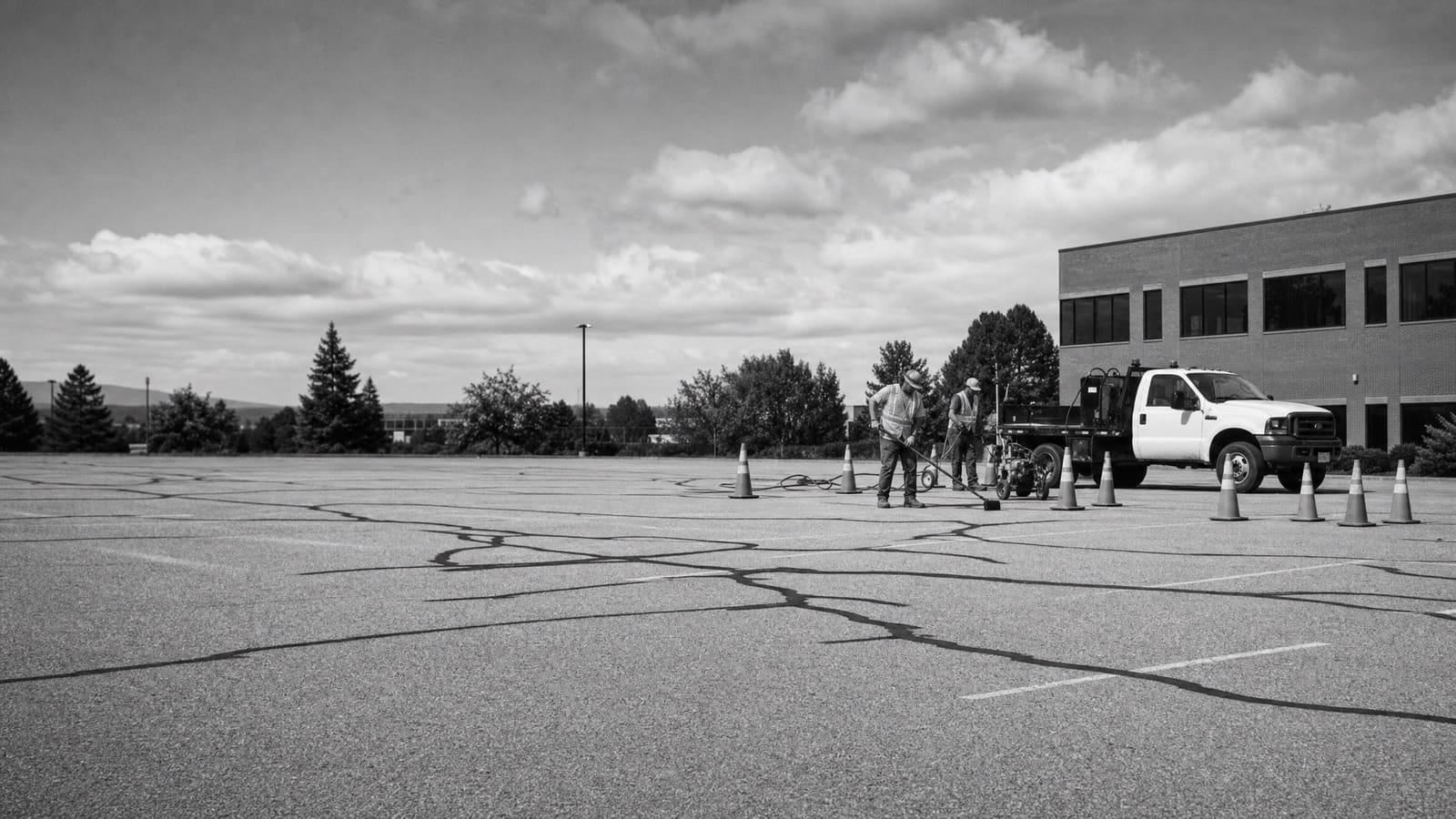
EV charger preventive maintenance
Cables and connectors take the abuse: dragged, dropped, driven over. Planned visits inspect them, test safety circuits, clean screens and vents, and update software before bugs become outages.
Networked chargers help by reporting faults the moment they happen, often before a driver does. Most sessions that fail do so for boring, fixable reasons.
REACTIVE
EV charger repair and response times
Response time is the contract line that matters. A port down for a day is an inconvenience; down for a month, it is a reputation. Maintenance plans set repair windows, cover parts, and keep spares for the pieces that break most - connectors and cables.
Uptime commitments from the provider mean the site is not diagnosing charger electronics itself.
THE BUDGET
Charger upkeep by the numbers
~$400
PER CHARGER / YEAR
DOE benchmark for planned Level 2 upkeep. DC fast runs meaningfully higher.
CABLES
FIRST TO FAIL
Connectors and cables take the physical abuse and top the repair list.
REMOTE
FIRST RESPONSE
Networked chargers report faults instantly; many fixes happen without a truck.
Chargers already on site?
Request service. Inspections, parts, and response windows in one plan, priced per port.
QUESTIONS
Straight answers.
What does charger maintenance cost?
Around $400 per charger per year is the planning benchmark for Level 2. Networked DC fast stations cost meaningfully more to keep healthy.
What breaks most on chargers?
Cables and connectors - the parts people handle. Screens and payment hardware follow. Planned inspections catch most of it early.
Do networked chargers really help?
Yes. They report faults the moment they happen and accept remote fixes. Many outages end before anyone on site notices.
Is maintenance worth it on a few Level 2 ports?
A small plan beats a dead amenity. Even light-touch coverage - periodic inspection plus repair windows - keeps uptime and reviews healthy.
GET STARTED
Ready to price your chargers?
Request service. Your ports covered: inspections, parts, and a response window in writing.