SAN FRANCISCO, CA · EV CHARGING
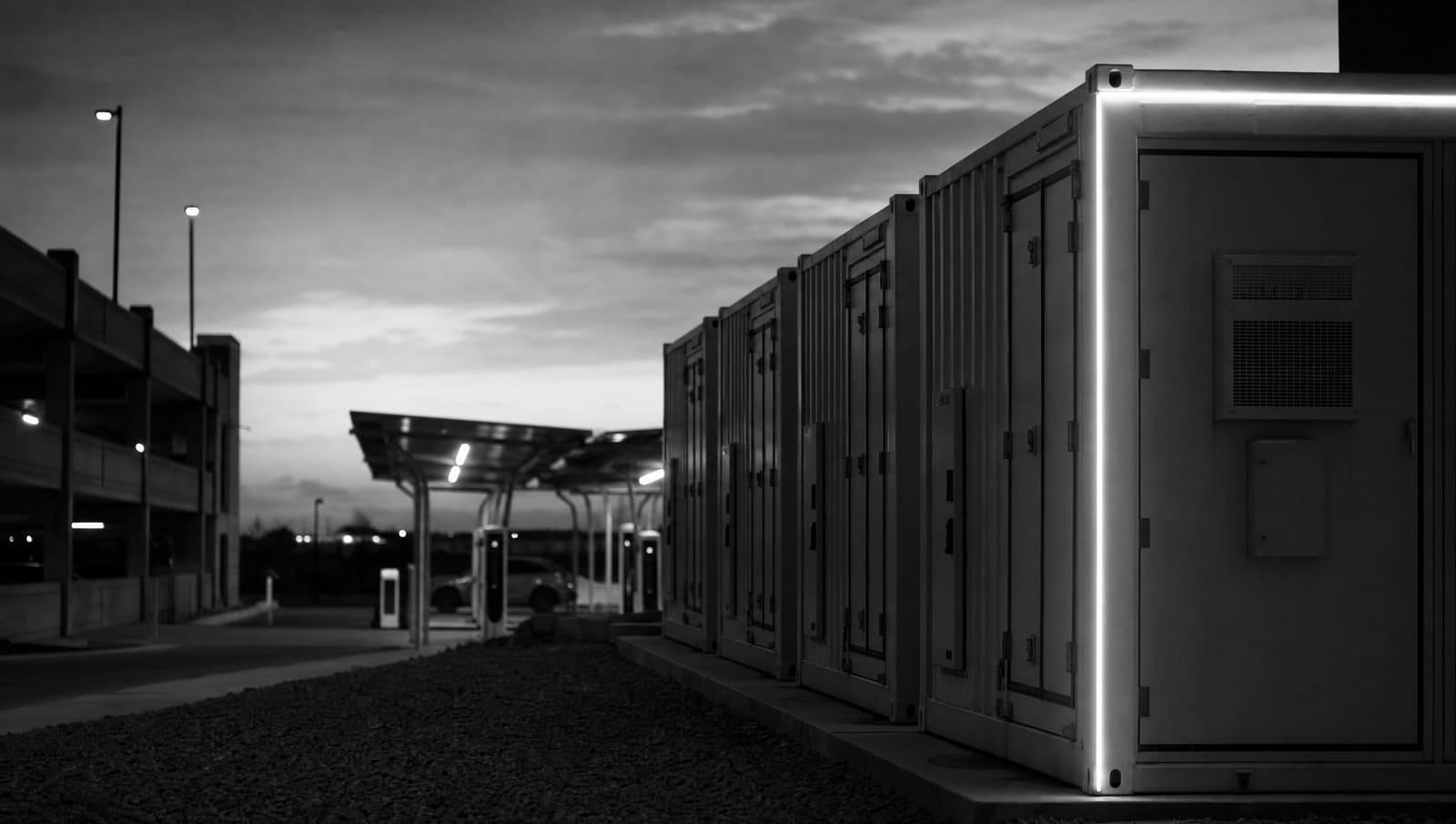
Commercial EV charging installation in San Francisco.
We install commercial EV charging at San Francisco offices, retail centers, dealerships, and fleet yards, from a single station to a full networked site.
Chargers that show up on time.
The hard part of EV charging installation isn't the charger, it's the power: service capacity, panel upgrades, trenching, and utility make-ready programs that can cover a surprising share of the cost. Good designs start from your electrical reality, not a brochure.
Good fleet charging plans start from routes and dwell times so vehicles are charged when they roll, and workplace charging gets managed loads so your demand charges don't eat the benefit. Broken chargers kill adoption, so service is part of every proposal.
START HERE
How Flux plans EV charger projects for San Francisco commercial properties
We design, install, and support EV charging at San Francisco commercial properties, and we handle the whole job: parking layout, electrical capacity, conduit routing, permit filing, and the software that runs the stations. We size the build to the building, so a two-port garage and a full employee lot follow the same steps at a different scale. Most San Francisco sites we serve are offices, retail centers, dealerships, medical buildings, and fleet yards. Each one buys charging for a different reason. So we start with who plugs in, how long they park, and what your existing electrical service can already carry.
Your address decides which building department reviews the job
If the property sits inside San Francisco, the Department of Building Inspection reviews every building permit application for life safety and building code compliance, and the city offers multiple ways to apply based on the project. We confirm the reviewing department before drawings start, because filing with the wrong city costs weeks on the schedule.
Scope and sizing
What sets the scope of an EV charging installation in San Francisco
Who plugs in and how long they park
SIZING
Staff lots, customer stalls, and fleet yards need different port counts and different charging speeds. We settle dwell time first, because a vehicle parked all shift and a shopper parked for an hour do not need the same station.
Where the stalls sit in the lot or garage
SITE PLAN
Location is the first design choice. We pick stalls that are convenient, visible, and well lit, because that drives driver adoption, and the same pick shortens the conduit run back to the electrical room.
Purchase or Charging-as-a-Service
BUDGET
Buying stations is a capital purchase you own. Charging-as-a-Service is a subscription where a third party funds, installs, and maintains the stations. We price both so finance can weigh cash now against long-term operating duties.
The management system behind the ports
SOFTWARE
A Charging-as-a-Service deal is only as good as the Charging Station Management System driving it. We review access control, pricing rules, and reporting before you sign, because that software decides how you bill drivers and what you can see.
One station now, a network later
PHASING
Scope changes if you plan to add ports. We size conduit, panel space, and pad locations for the later count, so phase two does not mean trenching the same lot a second time.

PROJECT PLANNING
Keeping San Francisco EV chargers running after installation
Preventive service visits
MAINTENANCE
Preventive maintenance programs exist to keep a charging network healthy and cut downtime and outages. We set a visit interval per site and record connector, cable, and enclosure condition at each visit.
Remote status checks
MONITORING
A unified platform lets you run one site or an entire charging network from anywhere. We connect the stations so a dead port shows up as an alert instead of as a complaint from a driver.
Cable and connector wear
PARTS
Handles and cords take the most abuse in a shared lot. We check them for cuts, cracked housings, and latch failure, and we swap the part before the port drops offline.
A record for every port
RECORDS
We log serial number, firmware level, faults, and repair dates per port. That record tells you which units to replace at refresh time instead of replacing the whole row.
WHAT WE HANDLE
Everything under the EV door.
Owner decisions
Questions we answer before installing EV charging in San Francisco
- Who is charging here — staff, tenants, visitors, or your own fleet? Fleet vehicles return on a schedule, so we size those chargers to the return window, not to peak visitor traffic.
- Will the ports be free or paid? Charging you bill for becomes a revenue line, and that one answer sets the software, the signage, and the payment setup.
- Basic stations or networked ones? Networked units cost more and add a subscription, but they are what lets you see port status and usage remotely.
- Who owns uptime after we leave — your staff, our service team, or an outside provider? We put that in writing before the first stall is cut.
BEFORE YOU BUY
What San Francisco property types get from EV charging installation
- Auto dealerships: charging stalls serve the vehicles on the lot and give buyers a reason to stay on the property.
- Shopping centers: charging is an amenity that sets a center apart and draws shoppers who value the convenience.
- Offices: workplace charging helps attract and keep staff, which is why many employers fund it.
- Fleet operators: fleets need reliable, efficient charging on their own yard so vehicles are ready for the next shift.
- Any site that bills for charging: the stalls can turn into a source of revenue instead of only a cost line.
Project in San Francisco?
Tell us the building, exact scope, and target date. Flux will review the request and send the next step.
QUESTIONS
Straight answers.
Do we need a building permit to install EV chargers in San Francisco?
Plan on it. The Department of Building Inspection reviews every building permit application for life safety and building code compliance, and San Francisco offers multiple ways to apply based on the project.
Is the permit process the same?
We confirm the address, equipment changes, and project documents before we set the commercial ev charging installation schedule and filing path.
Can we start with a few ports and expand later?
Yes. We install anything from a single station to a full network, and we size conduit and panel space for the later count so the next phase does not tear up the lot again.
Should we buy the chargers or use Charging-as-a-Service?
It is a balance-sheet call. A purchase is capital you own. Charging-as-a-Service is a subscription where a third party funds, installs, and maintains the stations. We quote both.
GET STARTED
Put a real number on your chargers.
Free site visit, make-ready money screened, and a price that covers the whole job, not just the hardware.
MORE SERVICE AREAS