BALTIMORE, MD · SOLAR
Commercial solar installation in Baltimore.
Plan commercial solar installation in Baltimore around roof use, panel tilt, wind load, snow shedding, permits, and system monitoring.
Start with the building, not the panels.
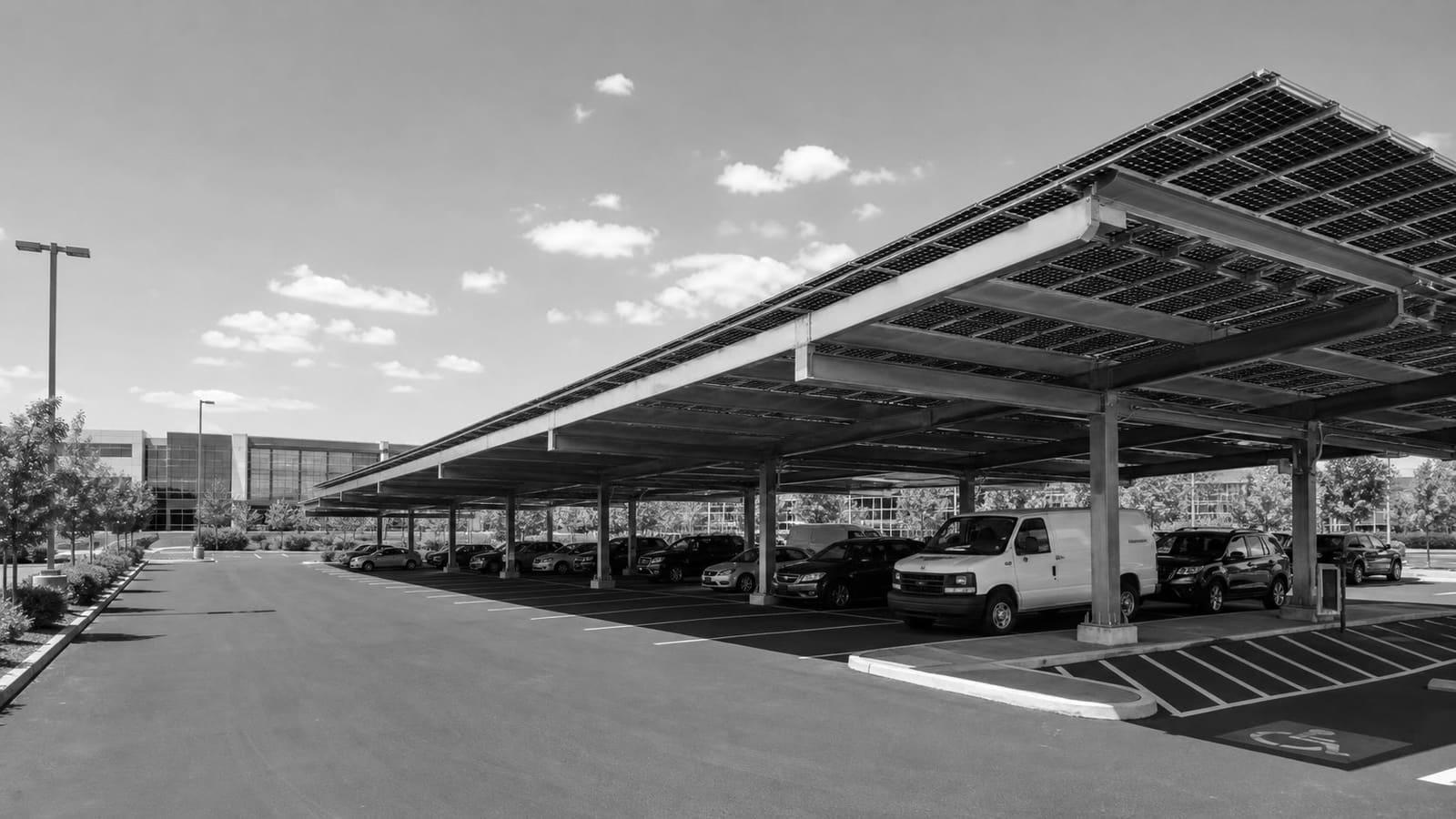
A commercial solar project has to fit the site, the roof, the electrical system, and the utility rules. We start with a solar feasibility study, then compare rooftop solar with solar carports where parking offers the stronger site.
One team carries design, permits, utility interconnection, construction, commissioning, and solar maintenance. We also compare direct ownership with solar financing and PPAs, and add battery storage only when it has a clear job.
START HERE
What should a Baltimore business check before adding solar?
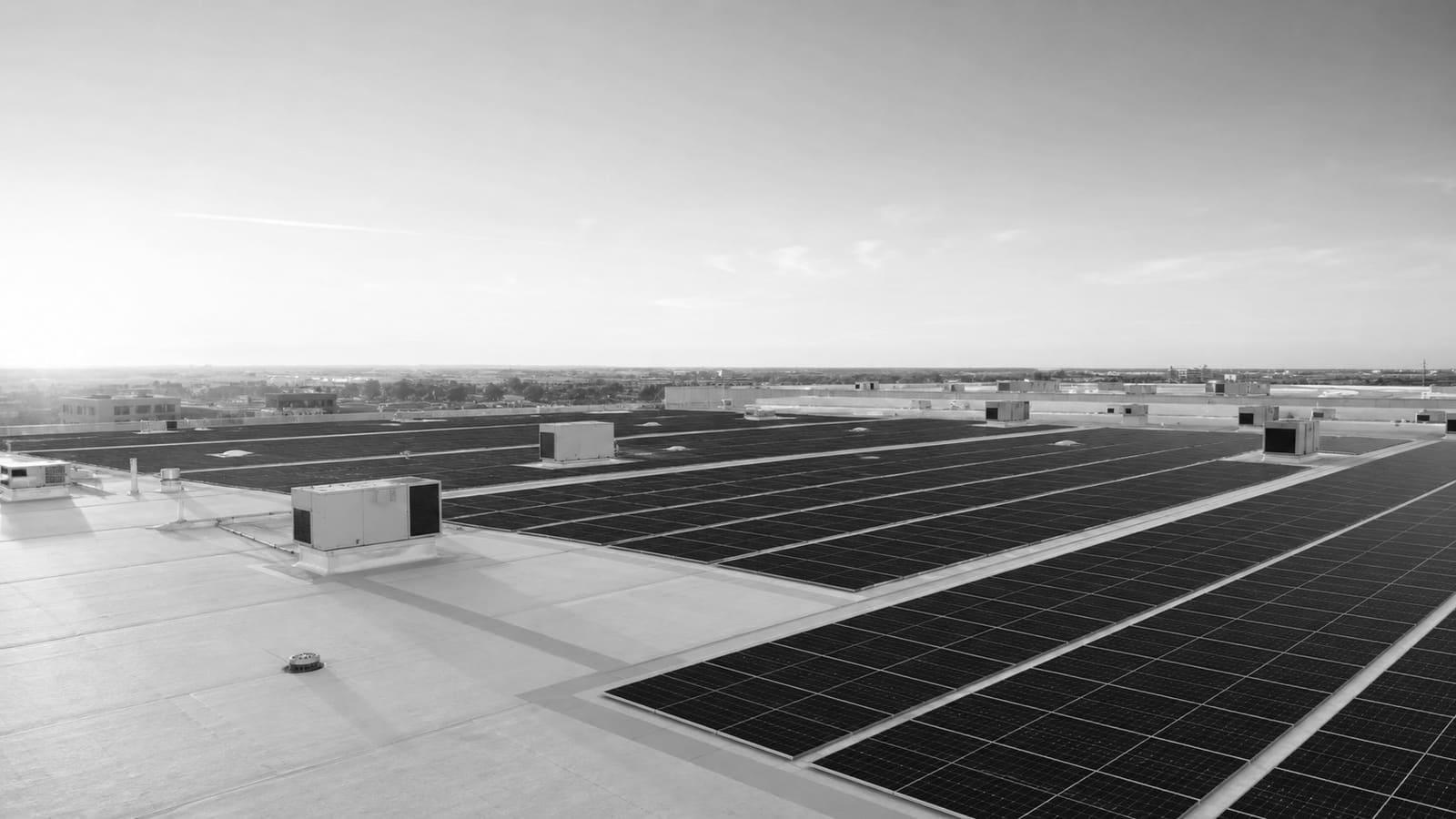
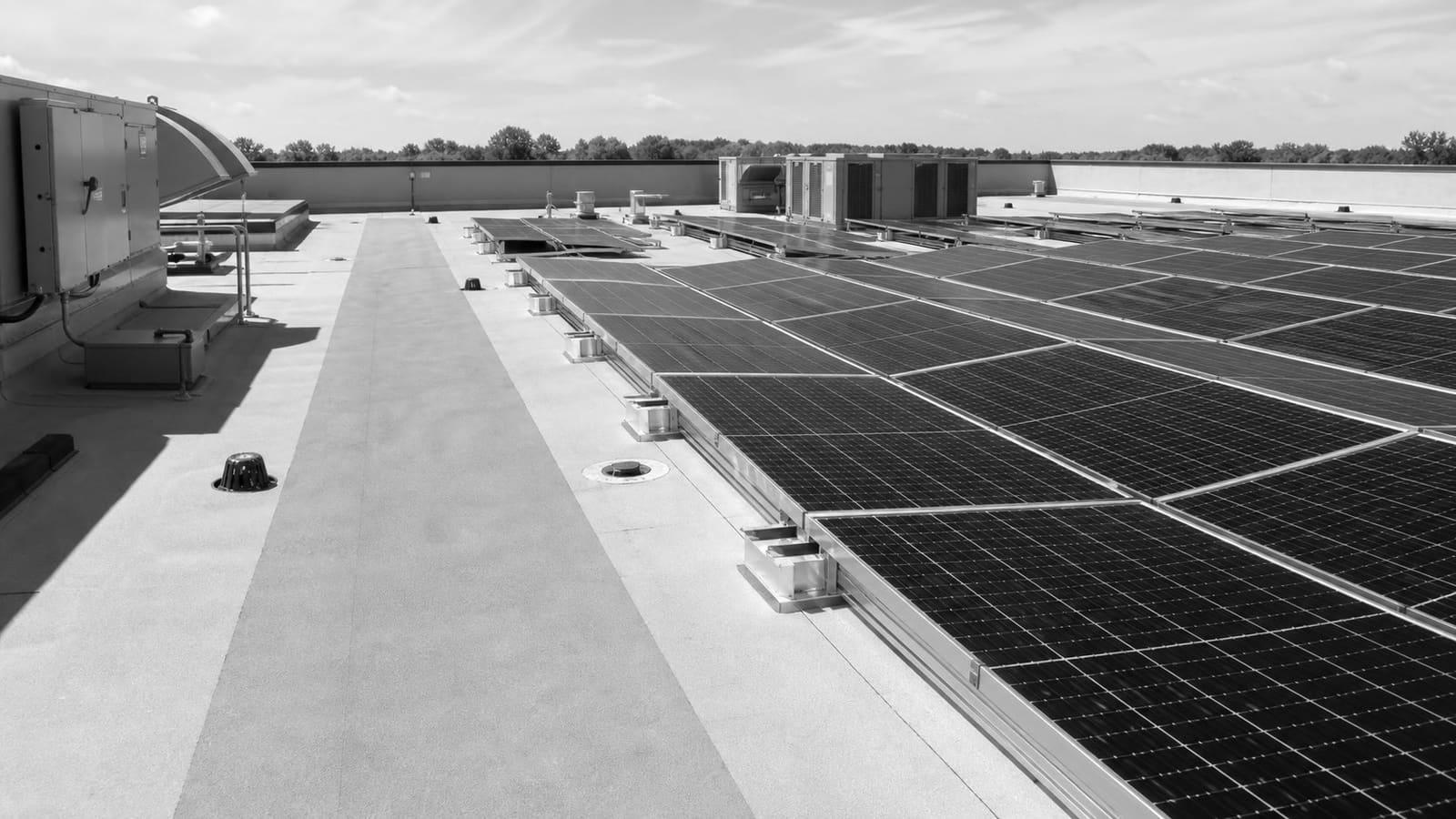
For Baltimore commercial buildings, commercial solar installation is a fit when the roof can hold panels and mounting gear while meeting the building’s power goal. The design must also place inverters and monitoring software so crews can convert power and track output. Roof angle is a key choice. A south-facing tilt from 15° to 40° gives strong production in the continental United States. A low tilt can cut wind load. A steep tilt can shed more snow but adds wind load. A flush array may suit a building where appearance or lower wind load matters more than peak output.
Balance snow shedding with wind load
Baltimore averages about 17 inches of snow a year. That makes panel tilt a real design choice for exposed roofs. A steeper angle can shed more snow and hail, but it also raises wind load. A lower angle can reduce wind load and may improve production. We set the roof layout around the building’s exposure, power goal, and mounting limits. A steep array is a poor fit when its added wind load cannot be accepted.
Roof fit checks
Commercial solar installation choices for Baltimore roofs
Panel tilt
ANGLE
Compare a 15° to 40° south-facing layout with the roof’s limits. The choice changes expected production, wind load, and snow shedding.
Flush mounting
TRADEOFF
Choose flush panels when appearance or lower wind load matters more than the best tilt and direction. That choice may reduce production.
System parts
SCOPE
Name the panels, inverters, mounting equipment, and monitoring software in the scope. Missing parts make the system plan incomplete.
Project type
USE CASE
Decide whether the roof will offset building power or host a community solar project. That choice changes the system goal and design.
WHAT WE HANDLE
Everything under the solar door.
PROJECT PLANNING
What equipment belongs in a Baltimore commercial solar scope?
Panels
POWER
Panels capture sunlight. Their count and roof layout change the array size and mounting plan.
Inverters
CONVERSION
Inverters turn captured energy into usable power. The selected system layout changes inverter placement and scope.
Mounting equipment
ROOF
Mounting equipment holds the panels. The chosen tilt changes wind load and snow-shedding behavior.
Monitoring software
TRACKING
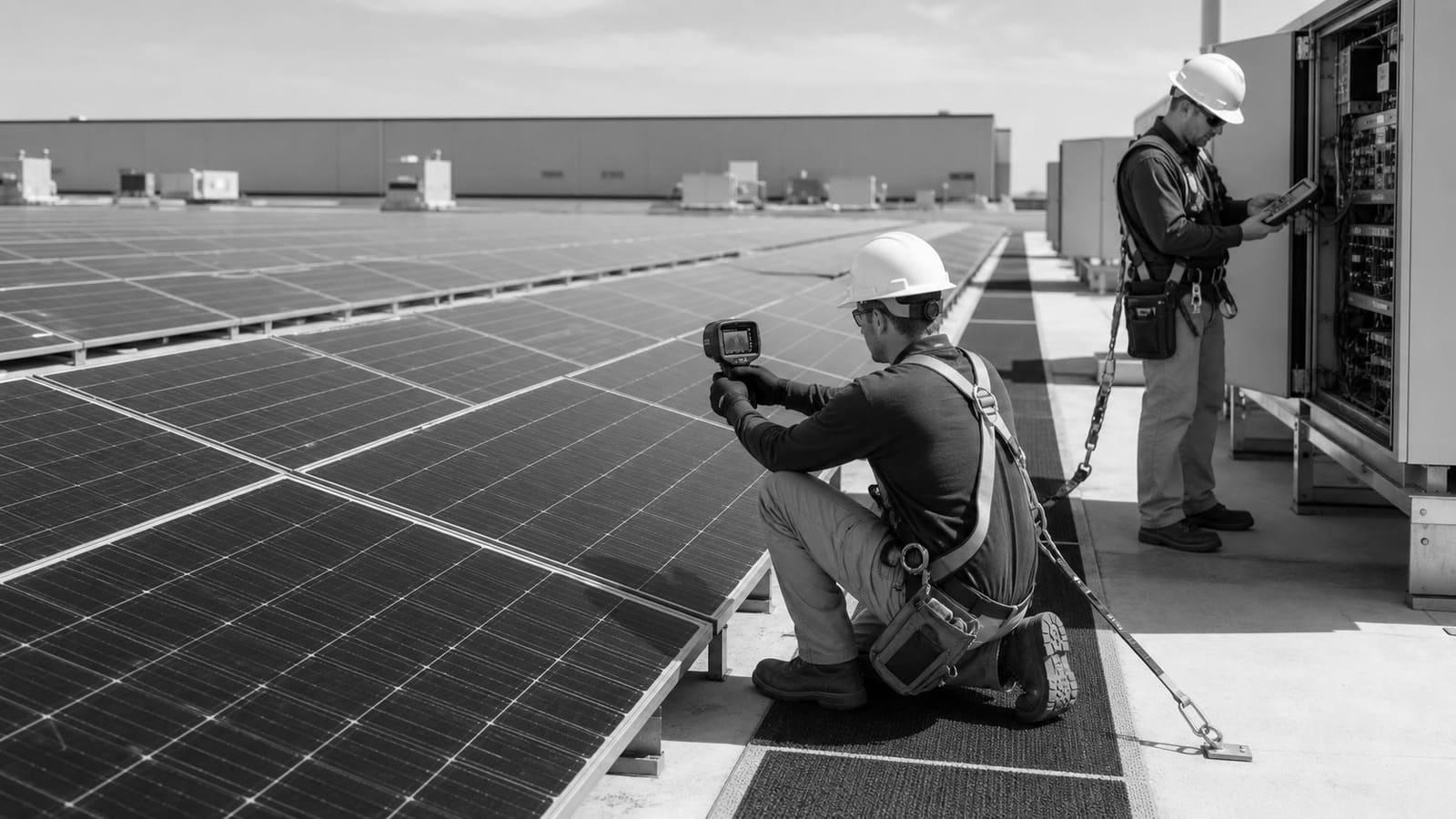
Monitoring software tracks system performance. Include it when the facility team needs a clear operating record.
Permit set
Commercial solar installation permit checks in Baltimore
- State which roof areas, panels, inverters, and mounting equipment are included. This sets the permit drawing scope.
- Check the design against Baltimore’s 2024 Building, Fire, and Related Codes. This changes which code set guides review.
- Use the listed 2021 International Building Code for building details and the 2020 National Electrical Code for electrical details.
- Confirm whether the project will use Baltimore’s ePlans review process. This changes how permit documents are prepared and sent.

BEFORE YOU BUY
How should Baltimore facilities compare solar proposals?
- Require each proposal to state whether the array offsets building use or supports a community solar project. This changes the project goal.
- Require the proposed tilt and direction. These choices change production, wind load, and snow shedding.
- Require a full equipment list for panels, inverters, mounting gear, and monitoring software. This exposes scope gaps.
- Require the permit path and code editions used. This shows whether the review set matches Baltimore’s listed standards.
- Reject a roof plan that depends on a steep tilt when the added wind load cannot be accepted.
QUESTIONS
Straight answers.
Can a Baltimore warehouse roof support a solar project?
Warehouse roofs can offer useful space for solar. The roof layout, mounting plan, tilt, wind load, and project goal still decide whether the site is a fit.
Does Baltimore snow affect panel design?
Yes. Baltimore averages about 17 inches of snow each year. A steeper panel angle can shed more snow, but it also increases wind load.
Which Baltimore code editions should the plan address?
Baltimore’s 2024 code article lists the 2021 International Building Code and the 2020 National Electrical Code among its standards.
What should facility teams monitor after installation?
Monitoring software should track system performance. The operating scope should name the software so the facility team knows where to check output.
GET STARTED
Tell us about the building.
Whatever the trade, we scope it, price it, and put the right crew on it. Site visits are free, always.
MORE SERVICE AREAS