CINCINNATI, OH · SOLAR
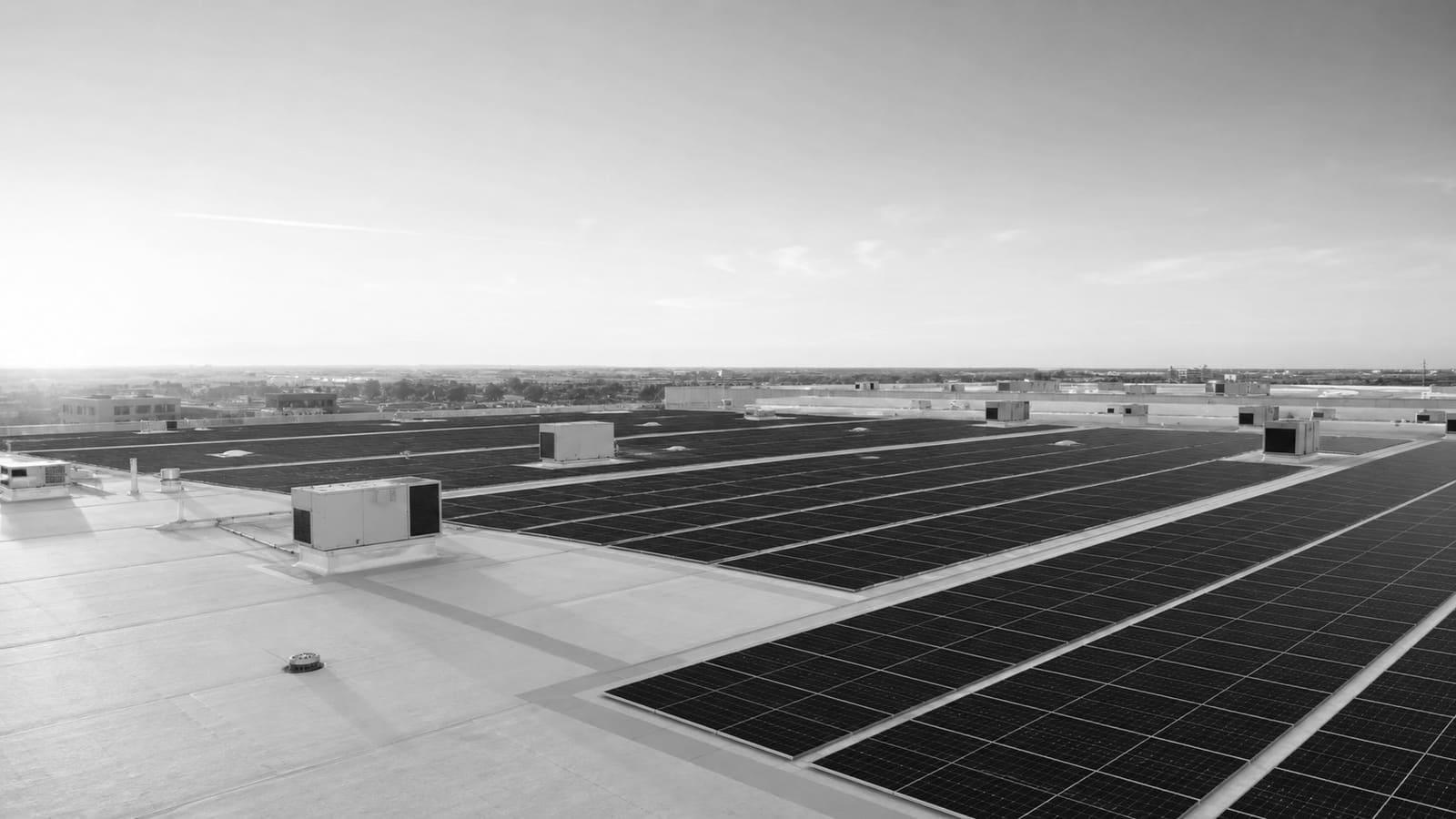
Commercial solar installation in Cincinnati.
We design and install solar arrays for offices, warehouses, retail sites, and other commercial buildings in Cincinnati.
Start with the building, not the panels.
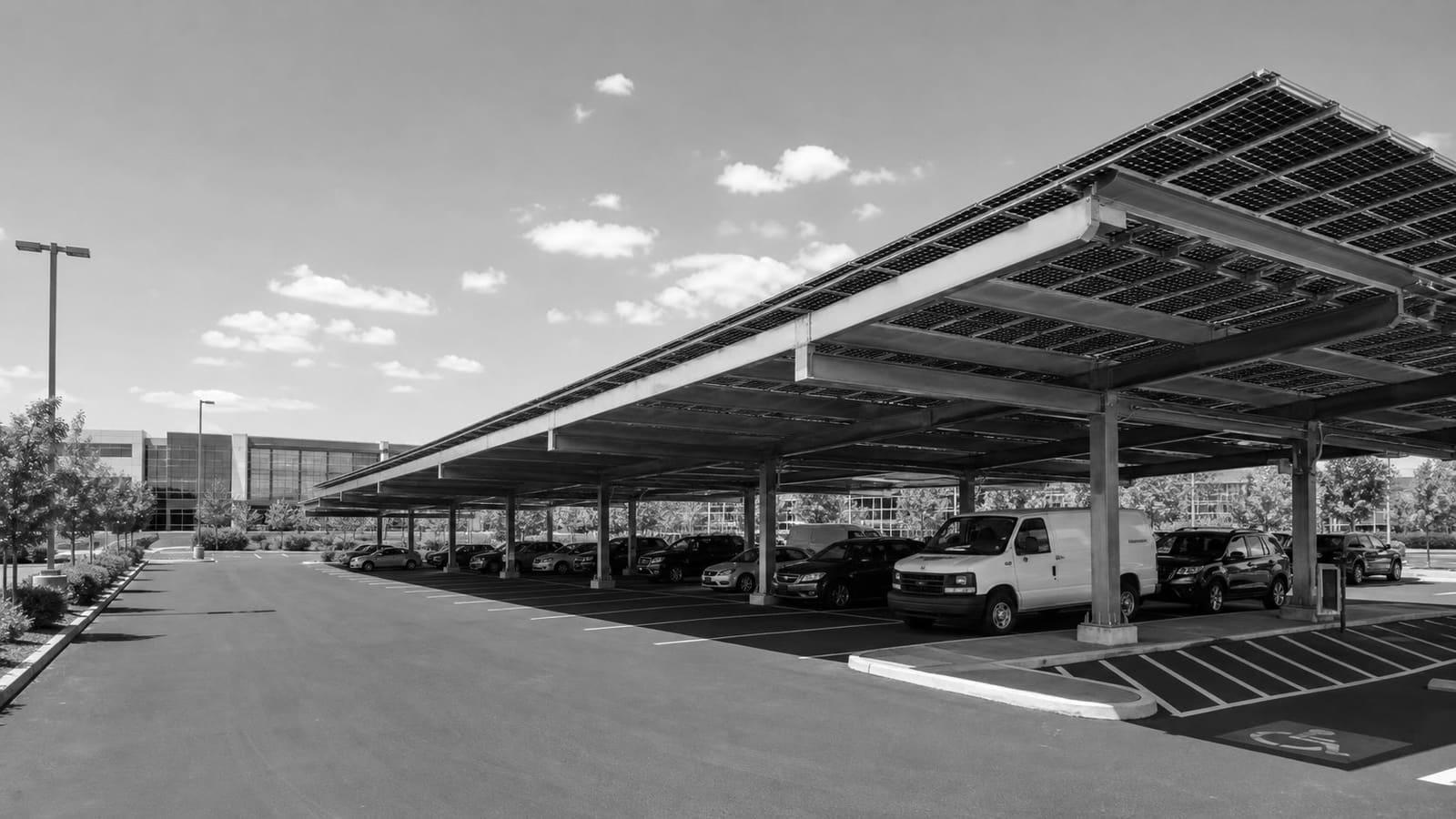
A commercial solar project has to fit the site, the roof, the electrical system, and the utility rules. We start with a solar feasibility study, then compare rooftop solar with solar carports where parking offers the stronger site.
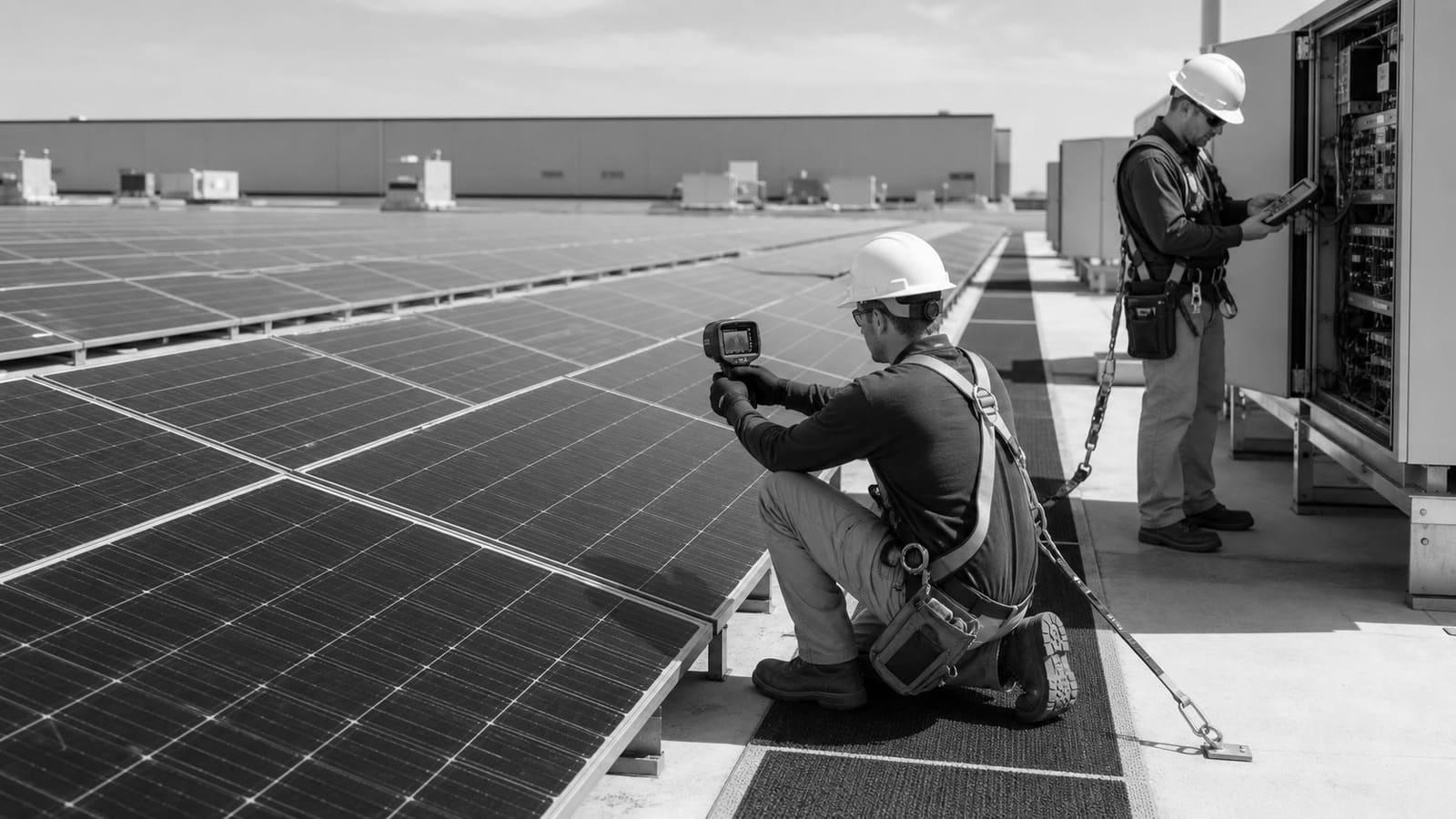
One team carries design, permits, utility interconnection, construction, commissioning, and solar maintenance. We also compare direct ownership with solar financing and PPAs, and add battery storage only when it has a clear job.
START HERE
What should Cincinnati businesses check before adding solar?
Commercial solar installation in Cincinnati starts with the building, power use, and available sun. We use those facts to choose a rooftop or ground-mounted array and set its size. A site with no useful solar exposure is a poor fit for a rooftop array. Panel angle also matters. A south-facing tilt from 15° to 40° can support strong output. A low angle can cut wind load, while a steep angle can shed snow better but raise wind load. We weigh that tradeoff before equipment is ordered.
Let snow shape the panel angle
Cincinnati averages about 17 inches of snow a year. That exposure can change the array angle. Steeper panels shed snow better, but they also face more wind load. Panels set close to the roof may lower wind load and give the building a cleaner look, though the angle may not yield the best output. We compare snow shedding, wind load, roof layout, and solar exposure before we set the final panel position.
Site fit checks
How is commercial solar installation sized in Cincinnati?
- Check the building’s energy-use record. It changes the proposed array size and the amount of power the system must supply.
- Check clear roof or ground space and solar exposure. The result decides whether we use a rooftop array, a ground-mounted array, or reject the site as a poor fit.
- Check whether the system will connect to the grid or run off-grid. That choice changes the system design and equipment plan.
- Check the project budget against the site and energy-use plan. It changes the system scope before equipment is selected.
WHAT WE HANDLE
Everything under the solar door.
PROJECT PLANNING
Which solar array layout fits a Cincinnati commercial site?
Rooftop array
ROOF
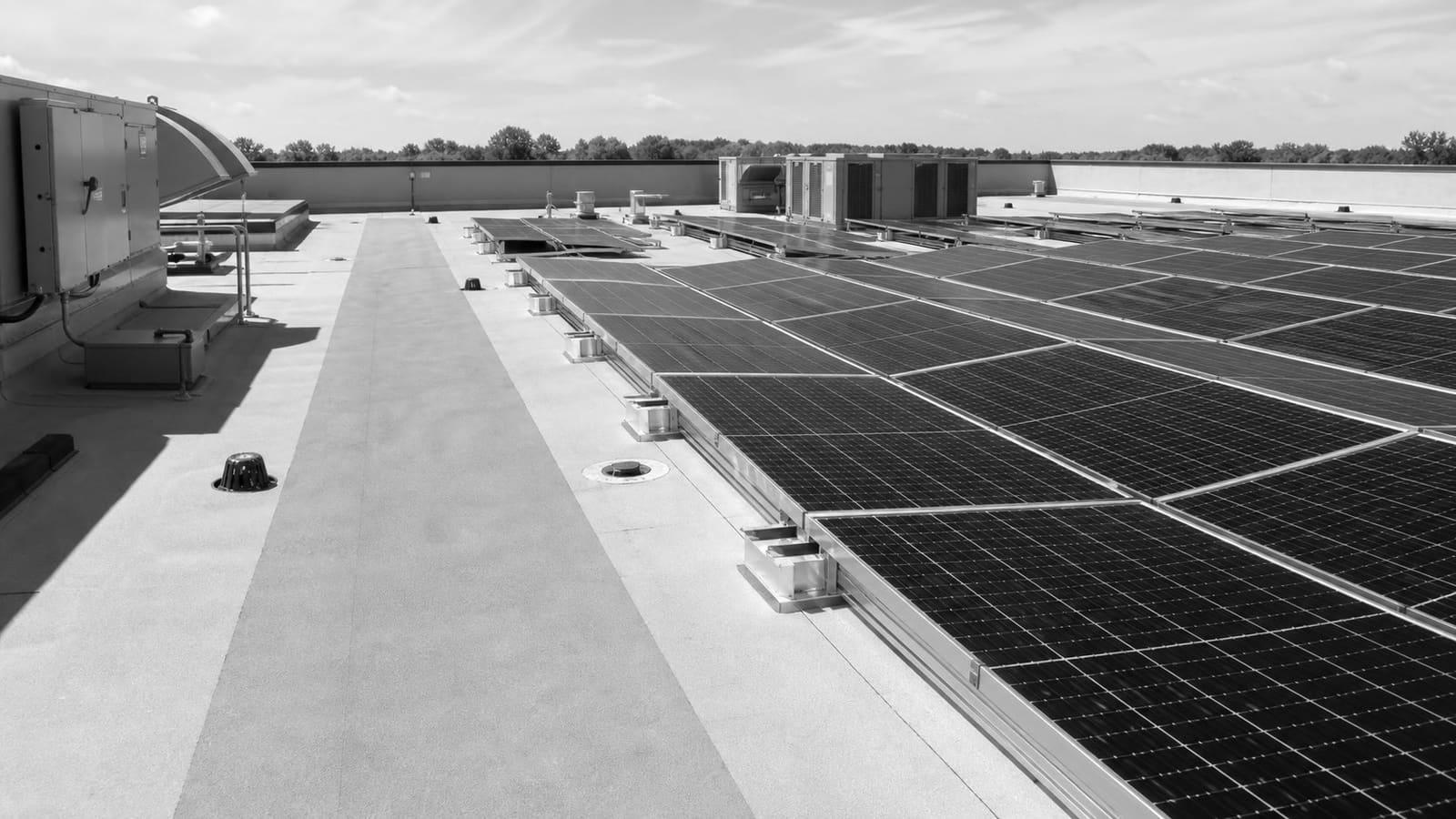
Use a rooftop array when the building has useful solar exposure and the panel layout fits the roof. A flush layout may lower wind load but may reduce output.
Ground-mounted array
GROUND
Use a ground-mounted array when open site space gives better solar exposure than the roof. This choice moves the installation scope from the building to the site.
No workable exposure
POOR FIT
Pass on a rooftop array when the roof cannot provide useful solar exposure. Test the ground-mount option before ending the project.
Approval path
What permit choices affect commercial solar installation in Cincinnati?
Permit route
PERMIT
Confirm the project path with the Cincinnati Permit Center before scheduling field work. The answer changes the plan set and work schedule.
System type
LAYOUT
Record whether the array is rooftop or ground-mounted. That choice changes the site plan and installation scope.
Project record
QUALITY
Ask whether the installer follows the voluntary NREL commercial and industrial PV guide and can self-certify its work. The answer changes the vendor review.

BEFORE YOU BUY
What should Cincinnati buyers confirm before solar commissioning?
- Record the final panel tilt. A 15° to 40° south-facing angle can support strong production, while a steeper angle can shed snow but raise wind load.
- Confirm that the installed array matches the approved rooftop or ground-mounted plan. A mismatch must be fixed before commissioning.
- Confirm whether the finished system is grid-tied or off-grid. The commissioning check must match that system type.
- Keep the installer’s commercial PV quality record. It gives the owner a clear file for later system review.
QUESTIONS
Straight answers.
Can Flux install solar on a Cincinnati warehouse?
Yes. Warehouses are a fit when the roof or site has useful solar exposure and the planned array matches the building’s energy use.
Is a rooftop or ground-mounted array better for a Cincinnati business?
It depends on usable space and solar exposure. We compare the roof and open ground, then choose the layout that fits the commercial site.
How does Cincinnati snow affect panel design?
Cincinnati averages about 17 inches of snow each year. A steeper tilt can shed snow better, but it can also raise wind load.
Does a Cincinnati solar project need a permit review?
The project team should confirm the path with the Cincinnati Permit Center. That decision affects the plan set and installation schedule.
GET STARTED
Tell us about the building.
Whatever the trade, we scope it, price it, and put the right crew on it. Site visits are free, always.
MORE SERVICE AREAS