RALEIGH, NC · SOLAR
Commercial solar installation in Raleigh.
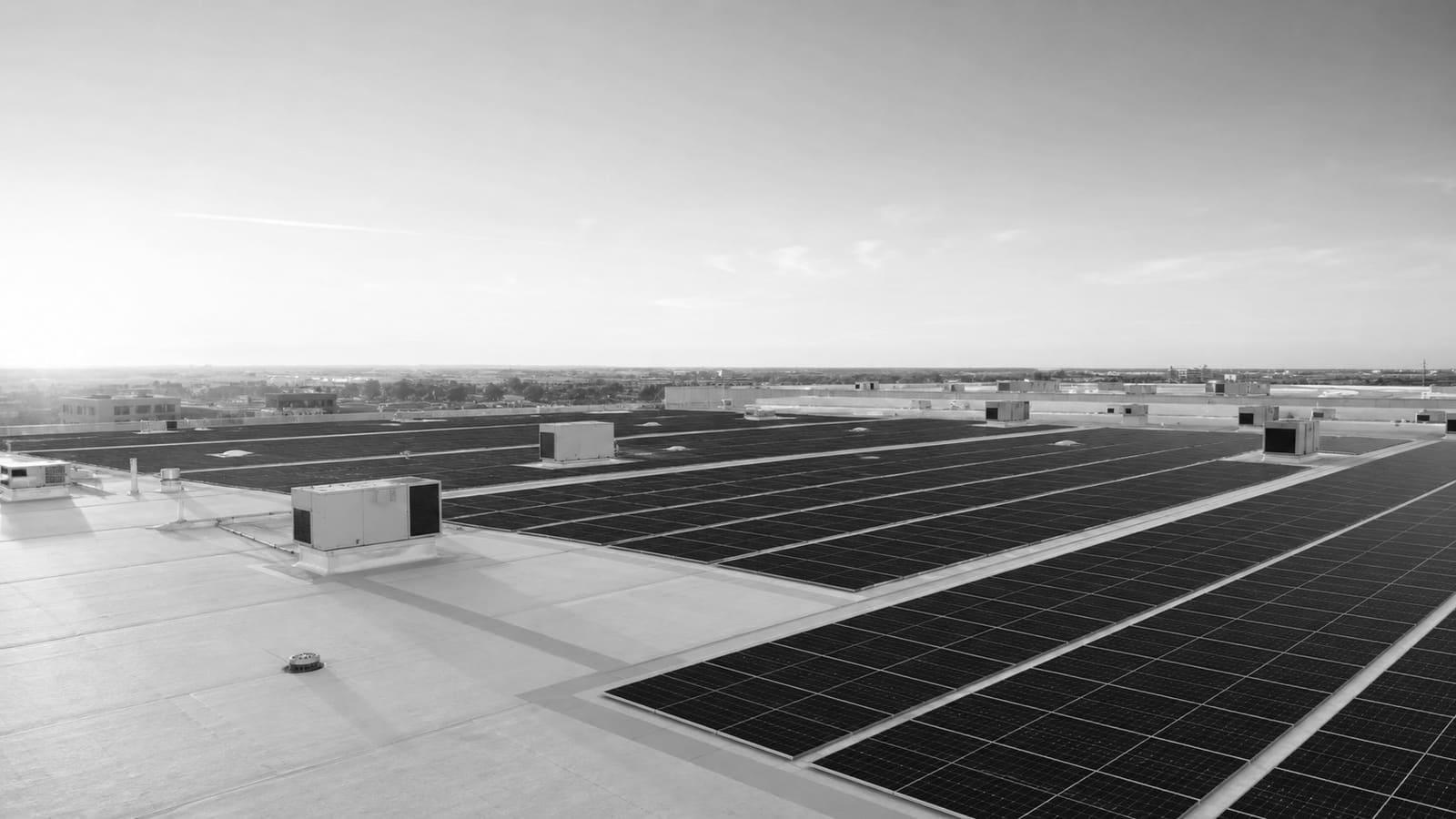
We plan and install solar arrays for Raleigh offices, schools, shops, and other commercial buildings.
Start with the building, not the panels.
A commercial solar project has to fit the site, the roof, the electrical system, and the utility rules. We start with a solar feasibility study, then compare rooftop solar with solar carports where parking offers the stronger site.
One team carries design, permits, utility interconnection, construction, commissioning, and solar maintenance. We also compare direct ownership with solar financing and PPAs, and add battery storage only when it has a clear job.
START HERE
What should Raleigh businesses know before adding solar?
For Raleigh commercial buildings, commercial solar installation starts with a site and energy-use check, then matches the array to the property. We compare rooftop panels, ground-mounted panels, solar carports, and battery storage. The right fit depends on usable space, power use, budget, and long-term goals. Panel direction and tilt also matter. South-facing panels set between 15 and 40 degrees tend to produce best. A lower tilt can cut wind load but may change output. We use these tradeoffs to shape a clear plan for the building.
Plan for Raleigh permits and inspections
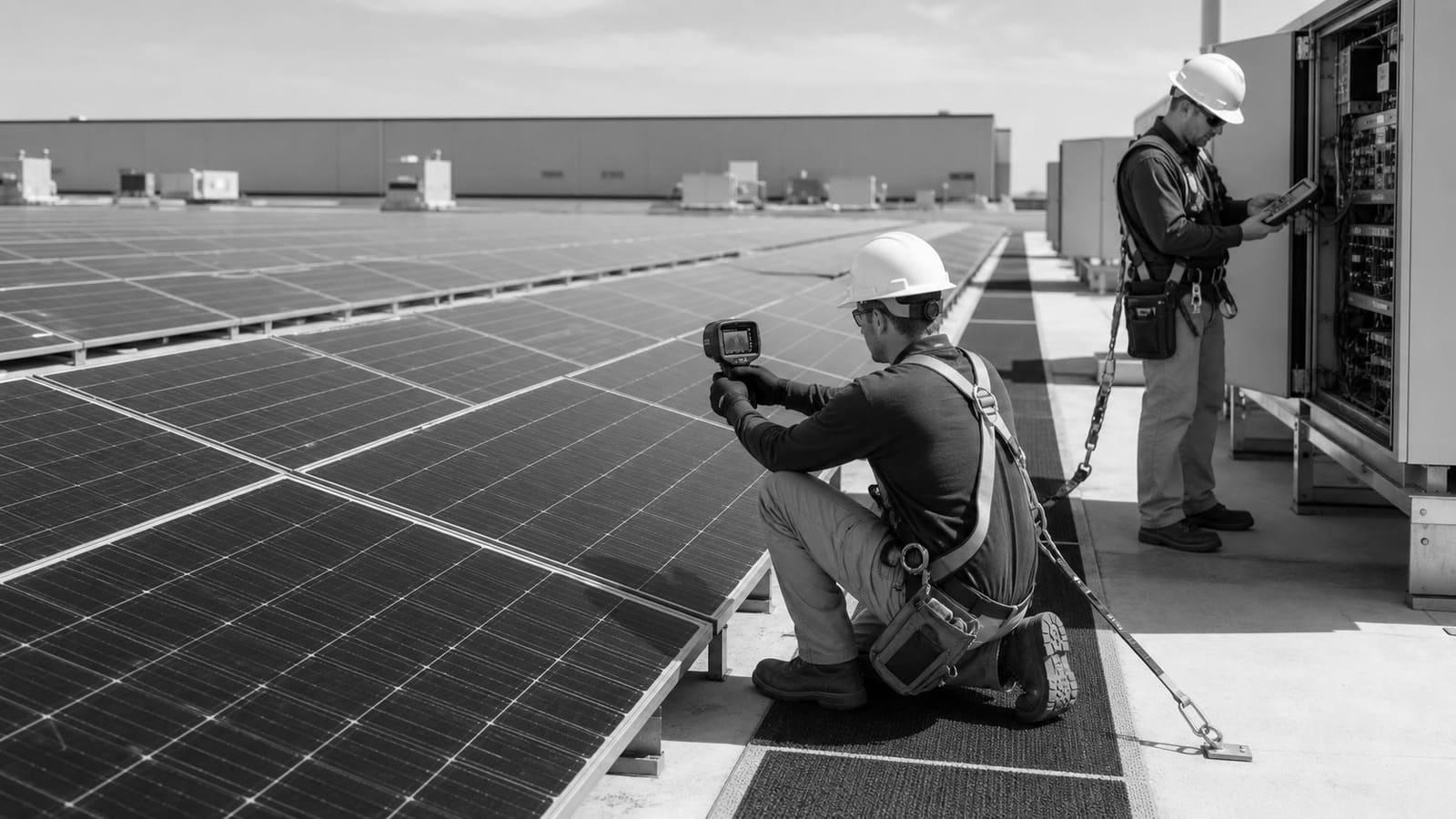
Raleigh inspects commercial construction after permits are issued. An electrical permit must follow the North Carolina Administration and Enforcement Requirement Code. We place permit steps and inspection points in the project plan before field crews start. This affects the drawing set, work order, and closeout schedule. A system does not pass our handoff step until required inspections and final system checks are complete.
Site fit checks
How do we size commercial solar installation in Raleigh?
Power-use record
USAGE
We check the building's energy-use record. It changes the target array size and whether battery storage belongs in the plan.
Usable roof area
SPACE
We check the exact roof area open to panels. A blocked or limited roof can shift the plan to a ground array or solar carport.
Panel direction and tilt
LAYOUT
We check roof direction and the planned panel angle. A south-facing angle from 15 to 40 degrees supports better production, while a lower angle can cut wind load.
Budget and long-term goal
SCOPE
We record the buyer's budget and long-term goal. That choice changes the array type, project scope, and whether storage is included.
WHAT WE HANDLE
Everything under the solar door.
PROJECT PLANNING
Which solar array fits a Raleigh commercial property?
Rooftop array
ROOF
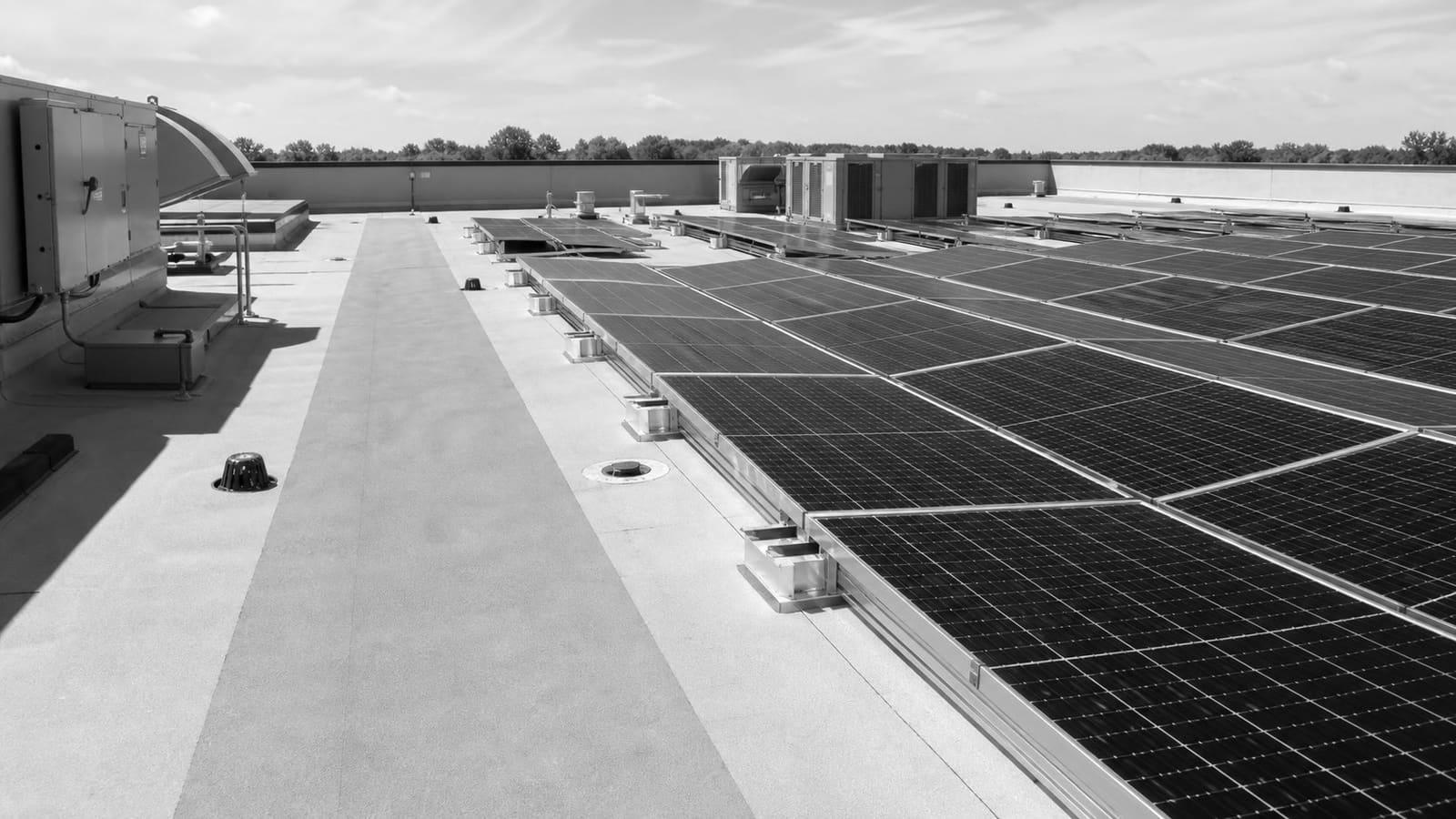
Choose a rooftop array when the building has enough clear roof area. A tight or blocked roof can make this a poor fit.
Ground-mounted array
GROUND
Choose a ground array when the site has usable land and the roof cannot hold the planned layout. This changes trench and site work.
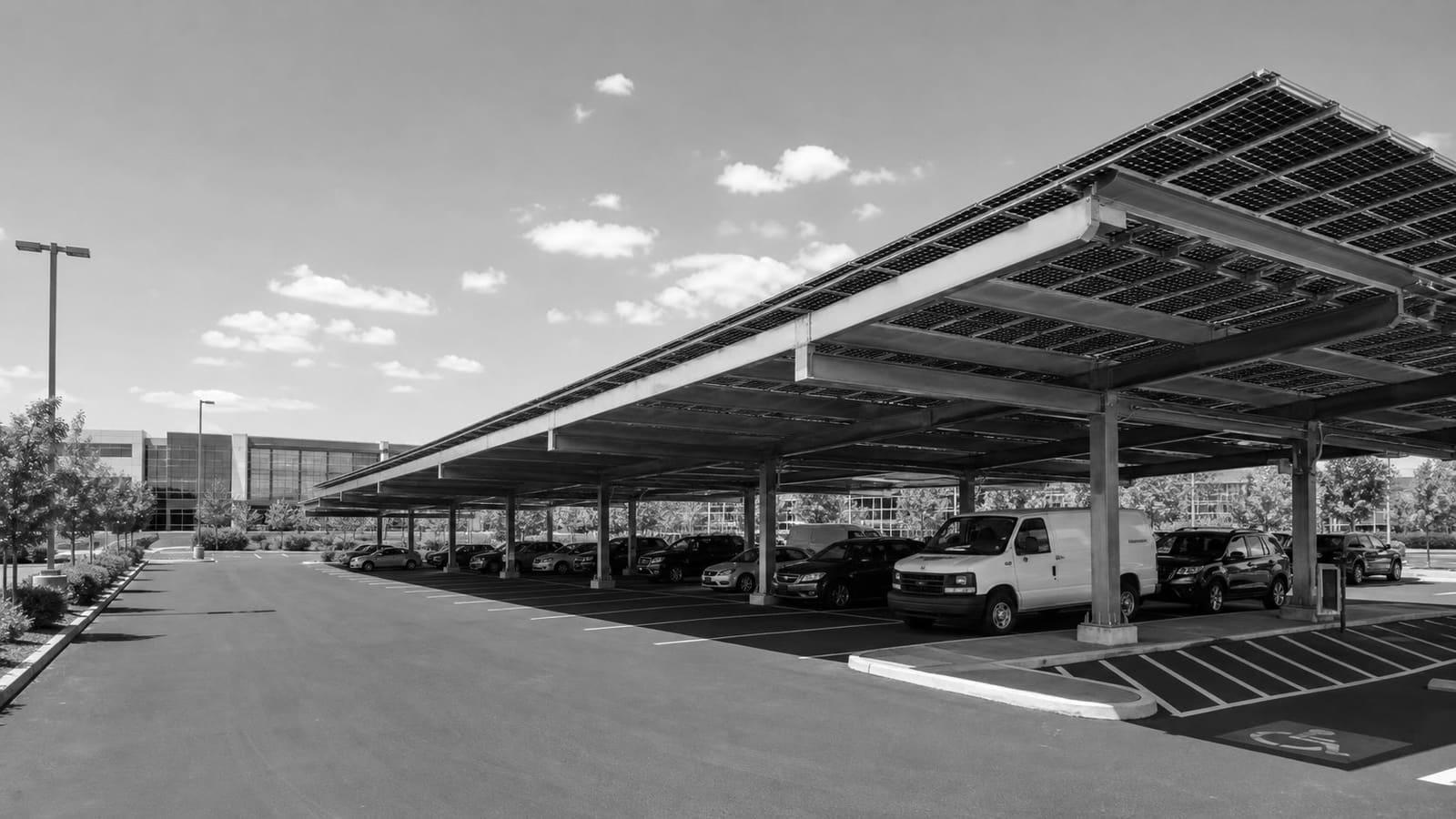
Solar carport
CARPORT
Choose a solar carport when parking area is the better panel location. This changes the support layout and construction zone.
Battery storage
STORAGE
Add battery storage only when the building's energy use and long-term goal support it. This changes equipment, drawings, and electrical scope.
Permit path
What does commercial solar installation require in Raleigh?
- Confirm whether the array will sit on the roof, ground, or a carport; that choice changes the drawings and field plan.
- List the electrical permit in the project record; Raleigh ties it to the North Carolina Administration and Enforcement Requirement Code.
- Set inspection points after permit approval; Raleigh inspects work on commercial buildings after permits are issued.
- Hold final handoff until required inspections and system checks are complete; an open inspection is a fail condition.
BEFORE YOU BUY
How do we close out a Raleigh solar project?
- Verify the installed panel direction and tilt against the approved layout; a mismatch changes expected output.
- Check that rooftop panels are flush where the design calls for lower wind load or a cleaner look.
- Record required commercial inspection results; an unresolved item delays handoff.
- Give the facility team the final array and equipment record so staff know what was installed.
QUESTIONS
Straight answers.
Does Raleigh inspect solar work on commercial buildings?
Yes. Raleigh says commercial construction is inspected after permits are issued. We add those inspection points to the project schedule.
Does a Raleigh commercial solar project need an electrical permit?
The Raleigh permit rules list an electrical permit tied to the North Carolina Administration and Enforcement Requirement Code. We plan for it before field work.
What panel angle works for a Raleigh commercial array?
DOE guidance says south-facing panels set from 15 to 40 degrees tend to produce best. We also weigh roof fit, appearance, and wind load.
When is rooftop solar a poor fit for a Raleigh building?
It is a poor fit when the roof lacks enough usable area for the planned array. We may then assess a ground-mounted array or solar carport.
GET STARTED
Tell us about the building.
Whatever the trade, we scope it, price it, and put the right crew on it. Site visits are free, always.
MORE SERVICE AREAS