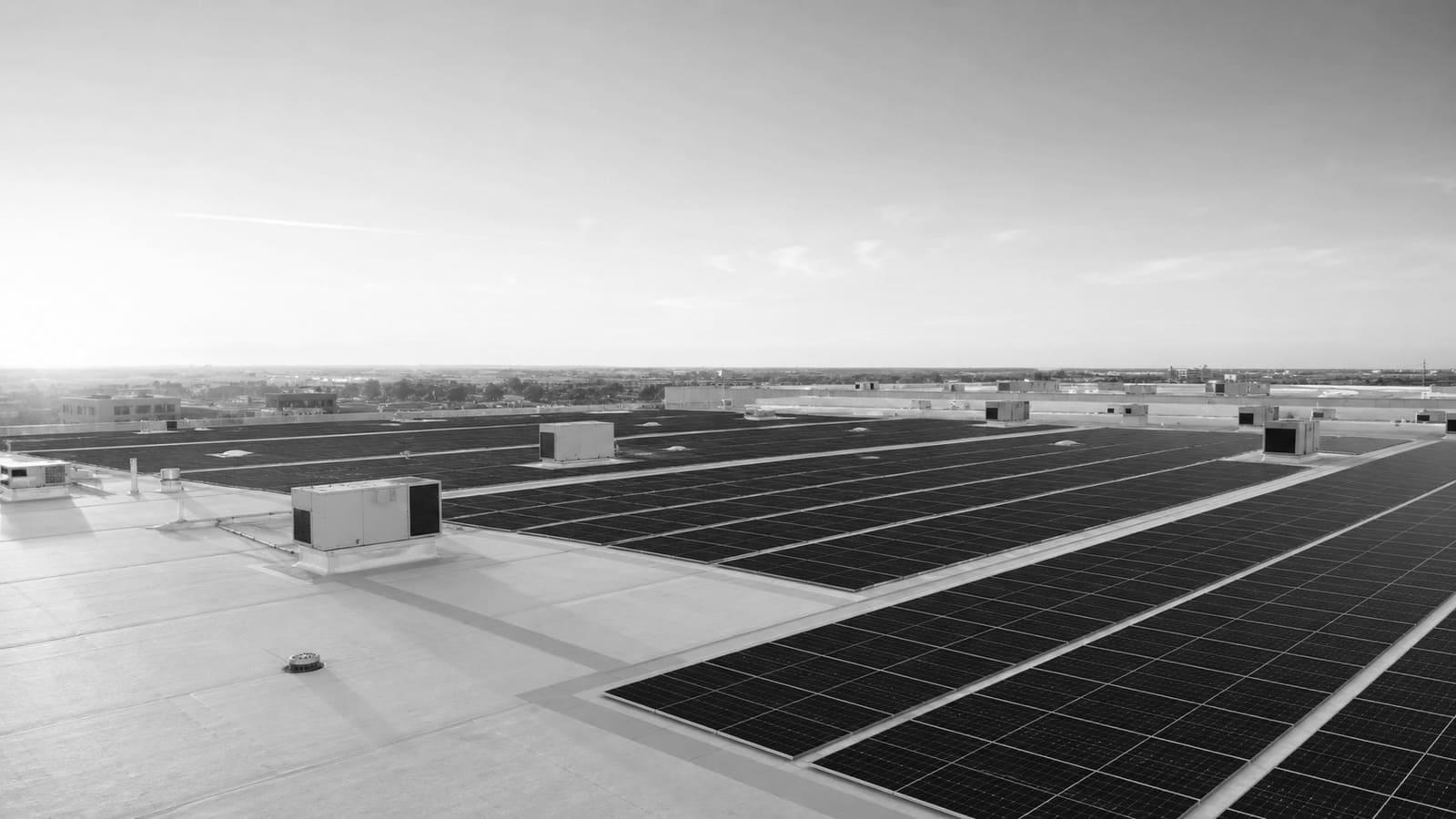
WASHINGTON, DC · SOLAR
Commercial solar installation in Washington.
We plan and install commercial solar systems for Washington, DC buildings.
Start with the building, not the panels.
A commercial solar project has to fit the site, the roof, the electrical system, and the utility rules. We start with a solar feasibility study, then compare rooftop solar with solar carports where parking offers the stronger site.
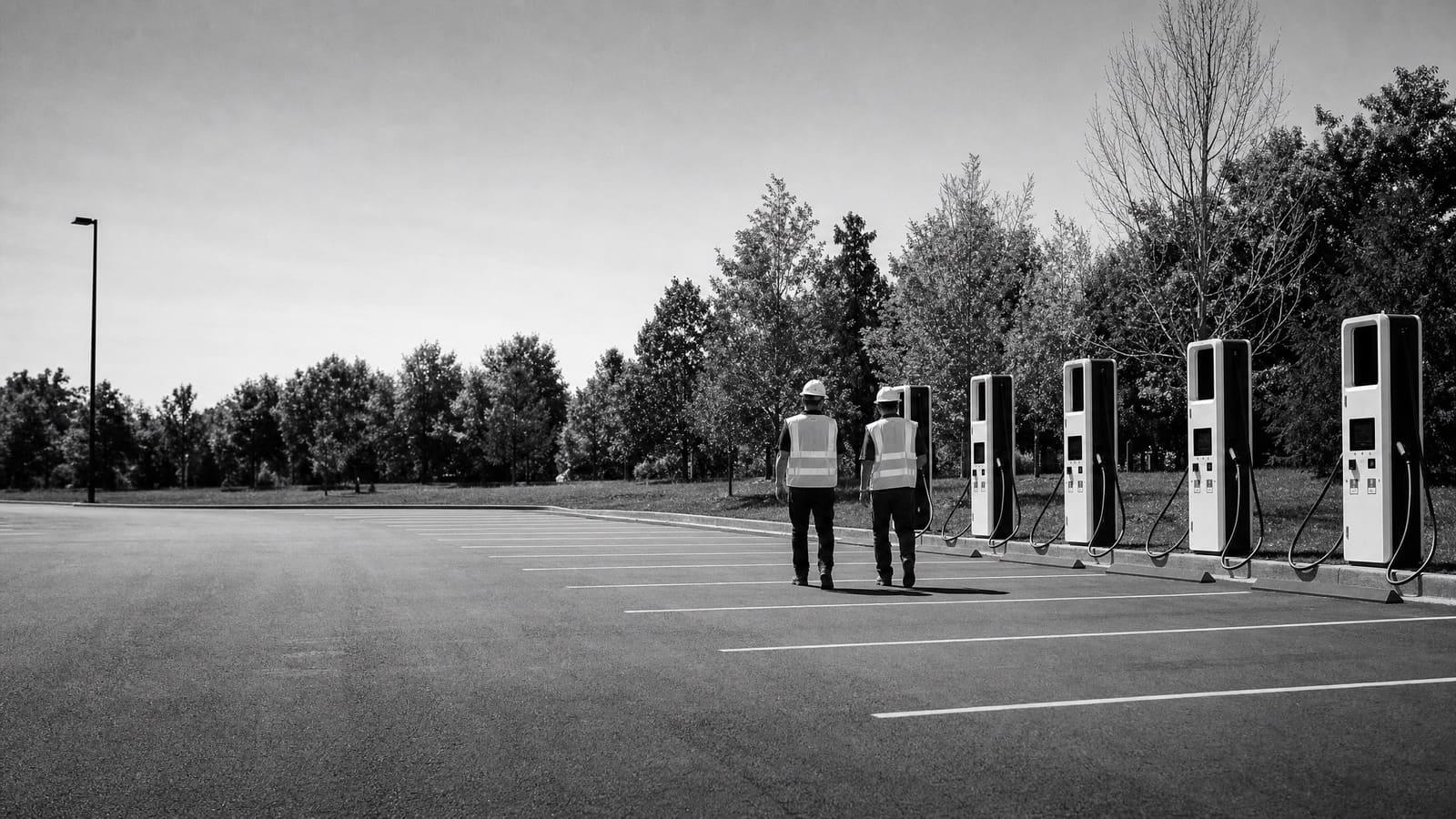
One team carries design, permits, utility interconnection, construction, commissioning, and solar maintenance. We also compare direct ownership with solar financing and PPAs, and add battery storage only when it has a clear job.
START HERE
Commercial solar installation for Washington, DC buildings
Commercial solar installation can fit Washington, DC commercial buildings when the roof, electrical system, and project goals support it. We help building teams make that decision before installation starts. Our team reviews the roof layout, panel location, electrical connection, access needs, and project records. We then install the commercial solar system around your building operations and prepare the handoff your team needs.
Choose the roof layout before choosing the array
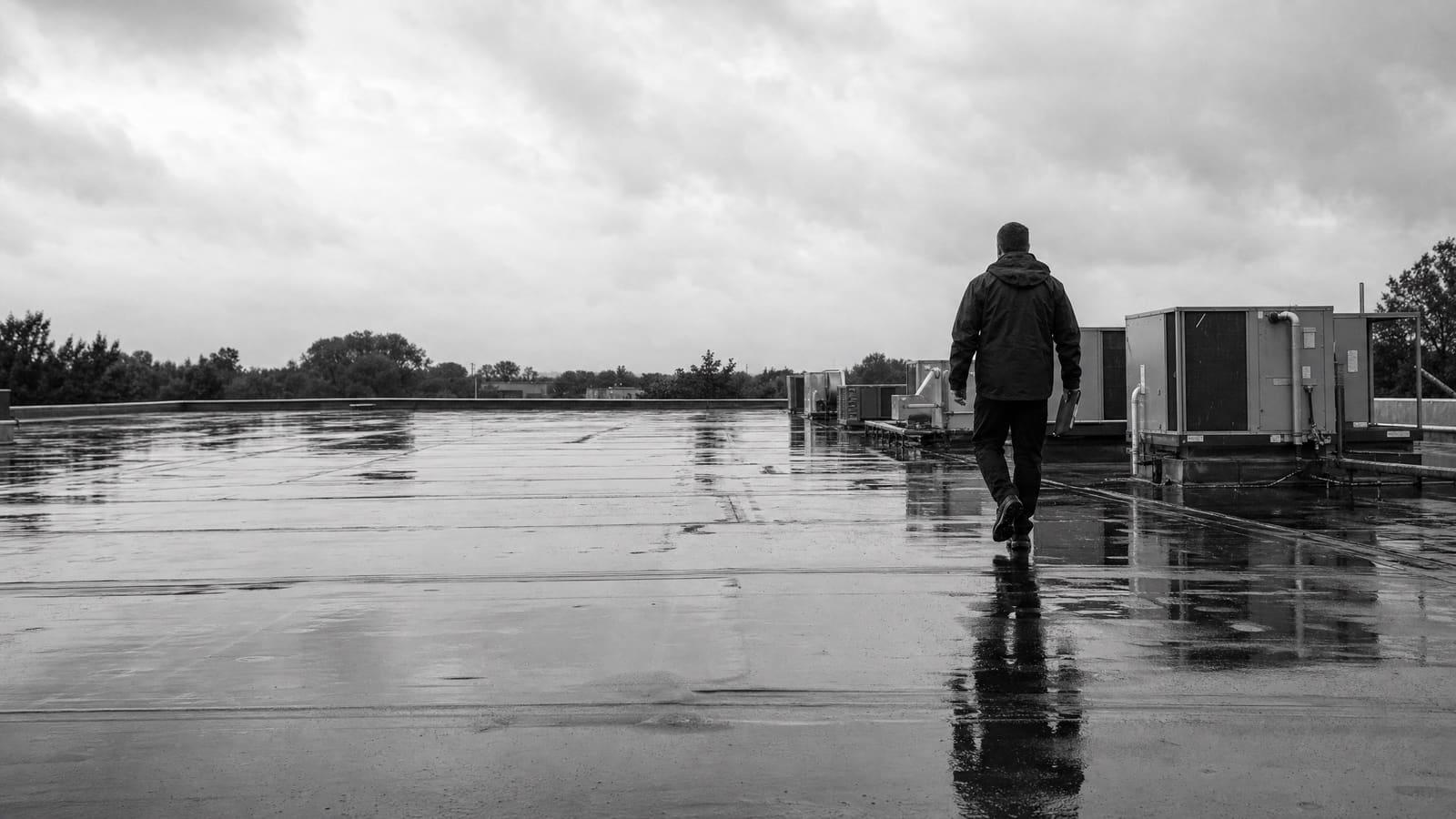
Washington averages about 17 inches of snow and 44 inches of precipitation each year. For a commercial solar installation, that makes roof drainage, panel spacing, and access routes real design choices. We review where water drains, where snow can collect, and how crews will reach the array. We also weigh panel tilt against wind load and weather exposure before we finalize the commercial solar layout.
Roof decisions
Commercial solar installation roof checks in Washington
- Confirm the roof areas that can hold the commercial solar array; this sets the usable panel layout.
- Map drains, scuppers, and low roof areas; this changes panel spacing and keeps drainage paths open.
- Choose panel tilt and mounting approach; this balances solar exposure, wind load, and snow shedding.
- Set crew access paths and equipment locations; this changes how installation can proceed without blocking building operations.
PROJECT PLANNING
Commercial solar installation design choices for Washington buildings
Panel tilt
TILT
We choose tilt based on solar exposure, wind load, and winter weather tradeoffs. Steeper panels can shed snow and hail more effectively, while lower tilt can reduce wind load.
Panel direction
ORIENTATION
We document the planned panel direction and roof constraints. In the continental United States, south-facing panels with a tilt between 15° and 40° generally provide the best production.
Flush roof layout
MOUNTING
We assess whether a flush roof layout fits the building. It can be preferred for appearance and wind load even when the tilt and direction are not ideal for production.
WHAT WE HANDLE
Everything under the solar door.
Project records
Commercial solar installation permit planning in Washington
District permit path
PERMIT
We identify the District permit and plan-review path for the planned building work. That decision sets the documents and review steps needed before installation.
Roof condition record
ROOF
We document roof areas, drains, obstructions, and access points. The record changes the array layout and protects required roof access.
Electrical connection record
ELECTRICAL
We record the planned electrical connection point and equipment space. That changes system routing and the installation sequence.
Operations schedule
OPERATIONS
We confirm occupied hours, delivery limits, and roof-access rules with the building team. This changes crew timing and the site work plan.
BEFORE YOU BUY
Commercial solar installation handoff for Washington facilities
- Confirm the final array layout and roof access paths; this gives operations staff a clear roof-use plan.
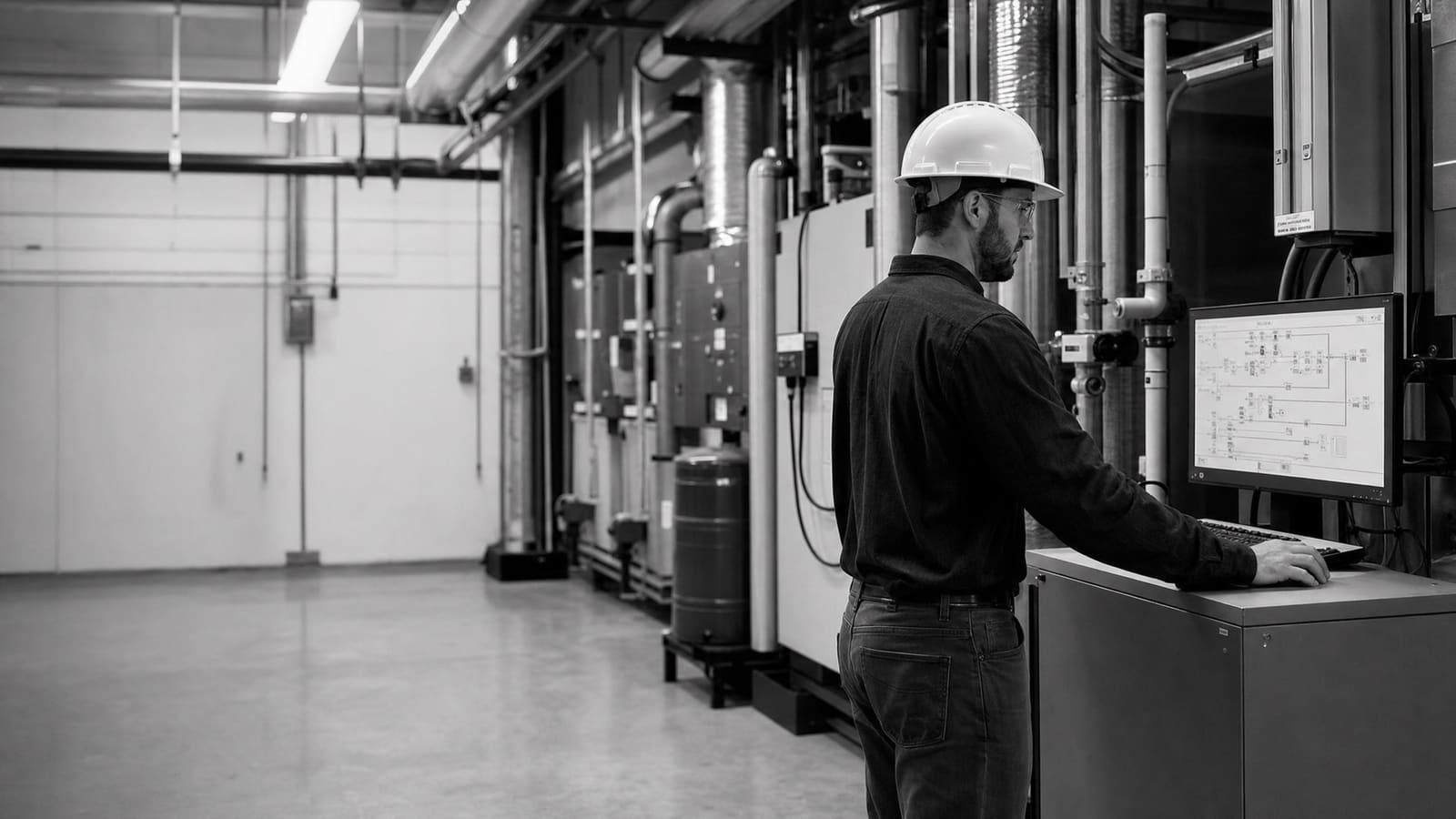
- Record installed equipment and electrical connection details; this supports future facility maintenance decisions.
- Complete commissioning records for the commercial solar system; this confirms the installed system is ready for handoff.
- Set the responsible contacts for roof access, electrical coordination, and solar-system questions; this defines the operating handoff.
ASKED IN WASHINGTON
Common questions about commercial solar installation in Washington
How much does it cost to install commercial solar panels?
COST
Cost depends on the roof layout, electrical connection, access needs, system design, and project delivery choice. We define those items before presenting a commercial solar installation scope.
Are solar panels worth it for commercial buildings?
FIT
They may be a fit when the building can support the array and the ownership or power-purchase choice matches your goals. We review those decisions with your team before installation.
QUESTIONS
Straight answers.
What should a Washington, DC building team review before commercial solar installation?
We review usable roof area, drainage, roof access, electrical connection space, building operations, and the District permit path.
Does snow affect commercial solar installation design in Washington?
Yes. Washington’s snowfall makes panel tilt, drainage paths, access routes, and snow-shedding tradeoffs part of the roof-layout decision.
Why does panel tilt matter for a commercial solar installation?
Tilt affects solar exposure, wind load, and weather exposure. Steeper tilt can help shed snow and hail, but it can also increase wind load.
Can a commercial solar array sit flush with the roof?
It can be a design option when appearance and wind load matter. We compare that option with the production tradeoffs for your Washington building.
GET STARTED
Tell us about the building.
Whatever the trade, we scope it, price it, and put the right crew on it. Site visits are free, always.