
COMMERCIAL ENERGY · AUTOMATION · FACILITY SERVICES
Commercial contractors in Washington.
We plan, coordinate, and manage commercial contractor work for Washington buildings with clear site steps and close communication.
WHAT WE DO
From energy audits to robot repair.
Energy
Find the waste, fund the fix.
Energy audits
Audit cost & pricing
Efficiency consultants
ALL ENERGY →
Battery
Storage that pays for itself.
BESS installation
Battery backup
Containerized BESS
ALL BATTERY →
EV
Charging that shows up on time.
EV charging installation
Fleet charging
Workplace charging
ALL EV →
Robots
Automation that earns its floor space.
Cleaning robots
Autonomous floor scrubbers
Security robots
ALL ROBOTS →
Mechanical
The big installs, built right.
HVAC installation & replacement
Ductwork installation
Sheet metal & pipe fabrication
ALL MECHANICAL →
Maintenance
The trades that keep buildings alive.
HVAC service
Electricians
Roofing
ALL MAINTENANCE →
Not sure where it fits?
Reach out. We scope it and put the right team on it, whatever the trade.
WASHINGTON BY THE NUMBERS
What Washington does to buildings.
17"
SNOW A YEAR
Snow removal is a contract here, not a maybe.
694K
PEOPLE STRONG
Washington commercial buildings keep a growing market running.
START HERE
Commercial Contractors for Washington, DC Buildings
We help building teams plan commercial contractor work in Washington, DC. We start with the space, the building’s daily use, access limits, and the trades needed. Then we set a clear scope so work can fit around tenant, staff, or public activity. Before a Washington project moves ahead, we ask if the plan changes interior layout, occupancy, signs, gas equipment, or HVAC equipment. Those answers can change the permit and plan-review path. We coordinate the contractor plan, building contacts, and work sequence.
Project Scope
What Washington Commercial Contractors Need Before Work Starts
- Interior layout change: We confirm whether the floor plan will change so the project can follow the right District review path.
- Occupancy or use change: We identify the planned building use because it can change the permit decision.
- HVAC or gas equipment replacement: We list the exact equipment so the trade scope and permit questions are clear.
- Building access plan: We set delivery, worker entry, and work-area access steps so contractor activity fits building operations.
Buyer Decisions
How We Coordinate Commercial Contractors in Washington, DC
Permit responsibility
Permits
We identify who will prepare permit items, submit plans, and answer review questions. This changes the project schedule and the work that can begin first.
Trade sequence
Scheduling
We map the order for demolition, building changes, equipment work, and finish work. This changes when each contractor can enter the space.
Occupied-space plan
Operations
We confirm which rooms stay in use and when building users need access. This changes work hours, barriers, and the contractor route.
Closeout record
Closeout
We name the drawings, approvals, equipment records, and completion notes the building needs. This changes what must be collected before final handoff.

POWER & AUTOMATION
Battery storage, EV charging, and robots that work.
Commercial buildings are adding batteries, chargers, and floor robots faster than most contractors can keep up. We design and install battery energy storage systems, handle utility interconnection, and build EV charging from a pair of stalls to a full fleet depot.
On the automation side, we deploy cleaning and security robots that pay for themselves in labor, then keep every piece of it running. Planning any of this? Get in touch and get a real number for your building.
Get in touchHOW IT WORKS
From first call to finished work.
01
Get in touch
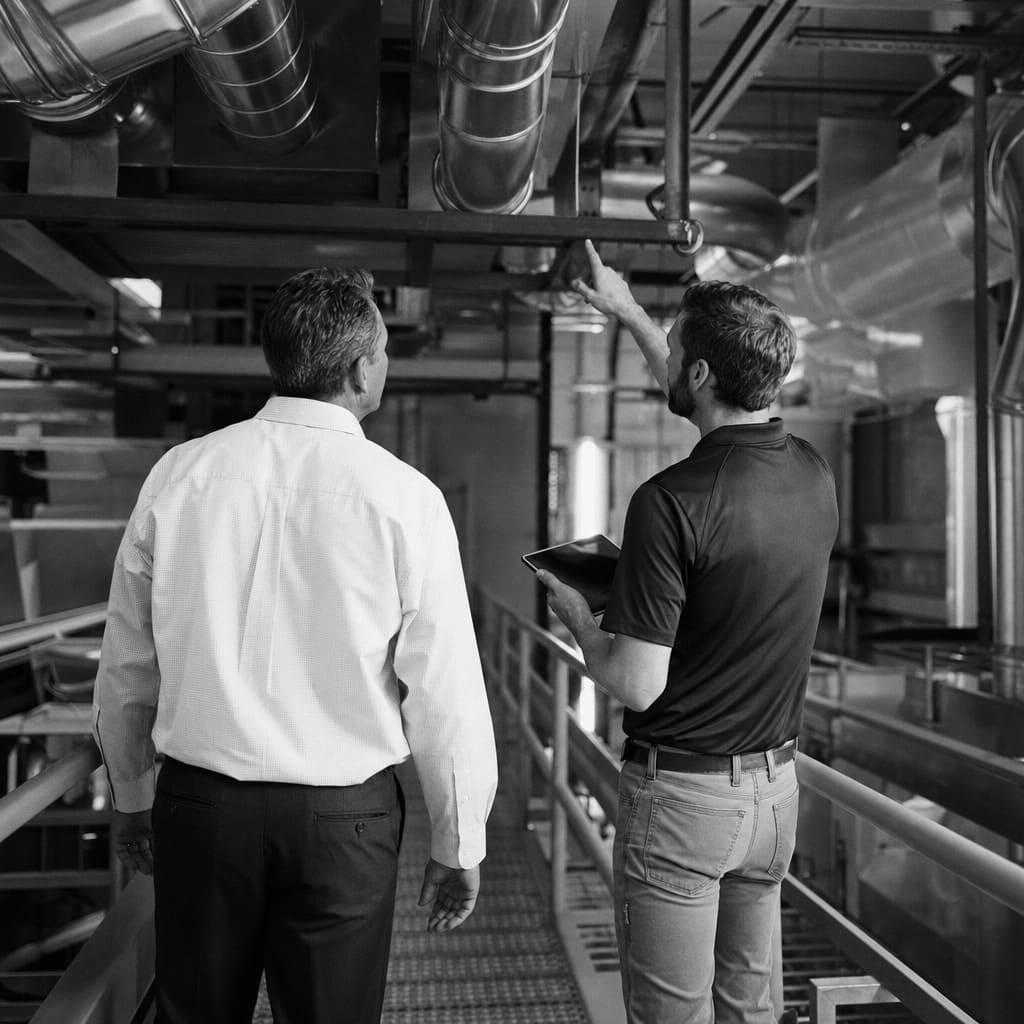
Tell us the building and the problem. Two minutes, no phone tag.

02
Get a scoped proposal
We assess the site, engineer the fix, and put a real price on it.
03
The work gets done
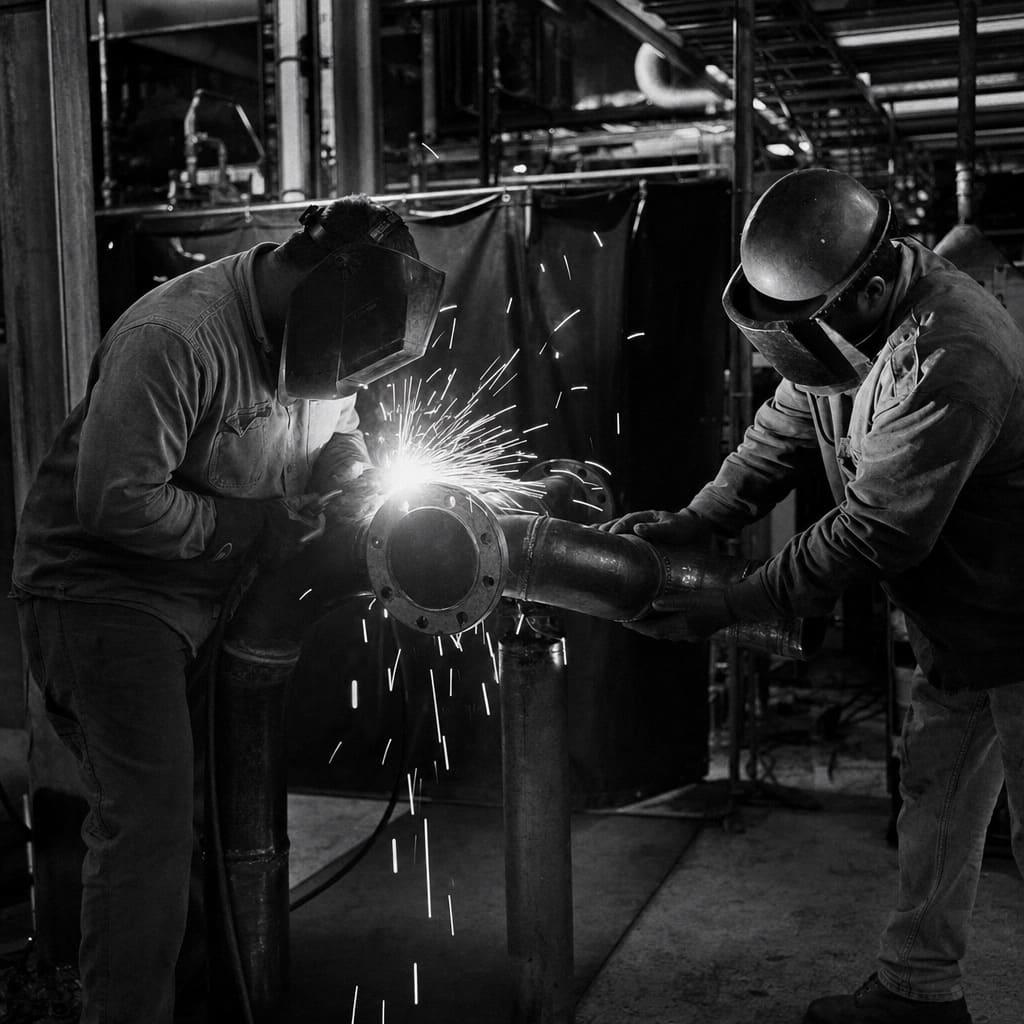
Vetted, insured local crews, with one point of contact from scope to done.
WHY FLUX
One call covers the whole building.
Every trade, one contact
Mechanical, electrical, energy, robots. You deal with one person from scope to done.
Licensed local crews
Insured crews from your market, vetted before they walk your site.
A real price, fast
Free site visit, scoped proposal, and a number you can take to your board.
Built for what's next
Battery storage, EV charging, and facility robots alongside the trades you already buy.
THE CORE TRADES
The trades that keep a building running.
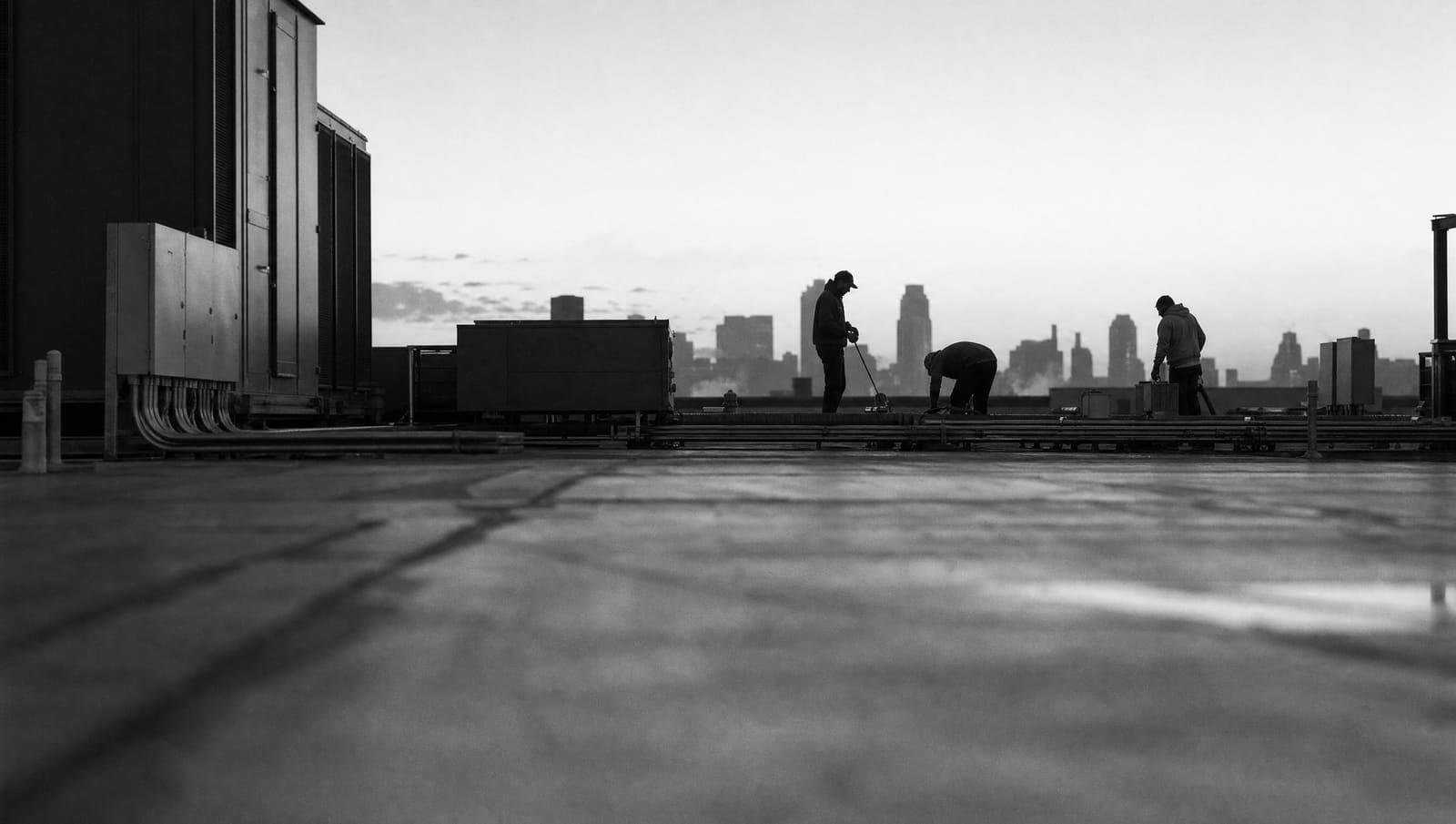
HVAC, plumbing, electrical, roofing. The unglamorous work is most of the job, and slow contractors are where it costs you. Our mechanical crews handle installs and replacements, from rooftop units to boilers, chillers, and process piping.
Maintenance covers the rest: service calls, electricians, roofing, fire and life safety, landscaping, and snow. Not sure where to start? An energy audit finds the waste and funds the fix.
Get in touchWHO WE SERVE
Every kind of commercial building.
Office & corporate
Tenant comfort, uptime, and energy costs under control.
Industrial & manufacturing
Process piping, automation, and the power to run it.
Warehouse & logistics
Docks, floors, charging, and robots that earn their space.
Retail & hospitality
Fast fixes and clean installs that never touch open hours.
Healthcare & medical
Code-first work in buildings that can't go down.
Multifamily & HOA
One contact for the whole property, every trade.
POPULAR PROJECTS
What we get asked for most.
QUESTIONS
Straight answers.
Do Washington, DC commercial projects need a permit?
It depends on the planned work. District permit information includes interior alterations, occupancy or use changes, signs, gas appliances, and HVAC equipment. We help define the project scope so the right permit questions are raised early.
Can Flux coordinate contractors in an occupied Washington building?
Yes. We plan contractor access, work areas, building contacts, and the work sequence around the parts of the commercial building that must stay open.
What should a Washington building manager provide before contractor work begins?
Share the work area, planned building use, access rules, operating hours, and any equipment being changed. We use those details to set the trade scope and project plan.
How does Flux keep a Washington commercial contractor project organized?
We set the scope, assign project contacts, coordinate the trade order, track permit questions, and collect agreed closeout records for the building.
GET STARTED
One call away.
Tell us the building and the problem. We bring the plan, the price, and the crew. Site visits are free, always.
MORE SERVICE AREAS