FACILITY ROBOTICS
Commercial cleaning robots.
Machines that absorb the square footage while your crew keeps the judgment work.
THE SHORT VERSION
What commercial cleaning robots do
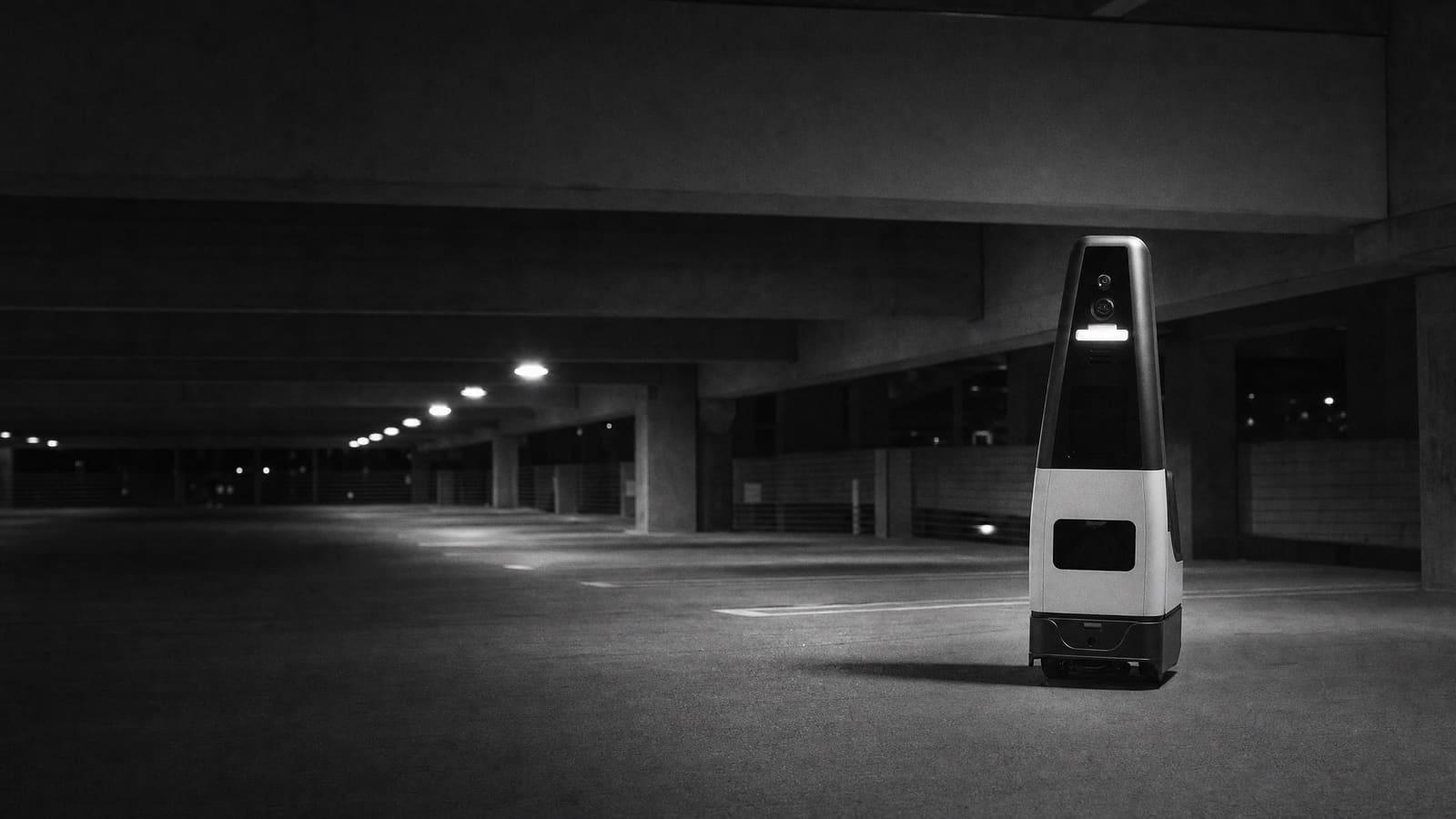
Commercial cleaning robots take over the repetitive share of floor care: scrubbing, sweeping, and vacuuming large areas on a schedule, without supervision, with proof-of-work maps at the end of every run.
The machines don't replace a cleaning program; they change its shape. Robots own the open floor, night after night, while people handle what needs judgment: edges, restrooms, spills, and detail work. Buildings with big repeatable floor plans, like warehouses, groceries, schools, terminals, get the strongest returns, because the robot's route never gets bored and never calls out.
WHAT MOVES THE NUMBER
Cleaning robot cost factors
- Machine class: vacuum, sweeper, or scrubber, sized to the floor
- Coverage area and how many machines the route needs
- Purchase versus robots-as-a-service monthly plans
- Site complexity: elevators, thresholds, and tight aisles
- Support plan: parts, batteries, and response time
- Integration extras: elevator and access-control connections
THE HONEST MATH
When cleaning robots pay for themselves
The route decides everything. A robot that owns a nightly loop through big open floors replaces real labor hours and pays back; one that runs an hour a day is an expensive gadget.
Map the repeatable square footage first. If the floors are large, open, and cleaned daily, the math usually works, and the robot's logs prove the coverage a clipboard only claimed.
PEOPLE PLUS MACHINES
How robots change a cleaning crew
The crew doesn't disappear; it moves up. Robots grind out open-floor coverage while staff take detail work, restrooms, and response, the parts machines can't do.
Buildings that plan that redeployment get cleaner results from the same headcount. Buildings that just buy a robot and hope get a machine in a closet.
Big floors, nightly cleaning?
That's the profile. Describe the space and see whether the math works for it.
QUESTIONS
Straight answers.
What do commercial cleaning robots cost?
Purchase prices scale with machine class and size, and robots-as-a-service turns it into a monthly fee with support bundled. The route's labor math decides which model makes sense.
Do the robots work around people?
Yes: sensors stop and steer them around obstacles and people. Most buildings still schedule them for off-peak hours, where they cover the most floor fastest.
What maintenance do they need?
Plan roughly 10-20% of purchase price annually: brushes, squeegees, batteries, and scheduled service. RaaS plans bundle it into the monthly fee.
How do we know the robot actually cleaned?
Every run logs a coverage map with timestamps. It's better proof than any checklist, and it's automatic.
GET STARTED
Automate the floors.
Describe the space, the schedule, and who cleans today. Robot options come back with the labor math attached.