SANTA ANA, CA · SOLAR
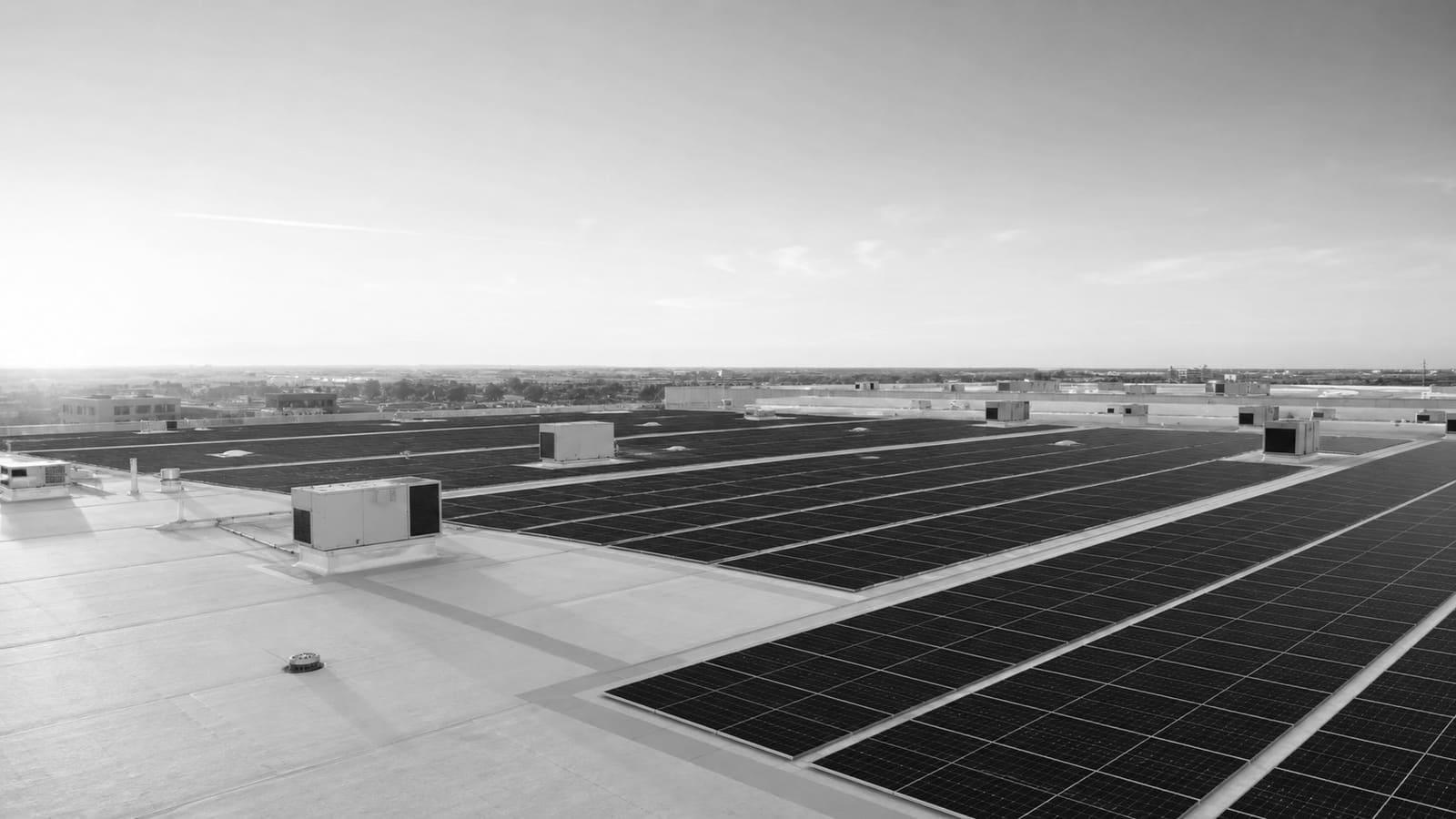
Commercial solar installation in Santa Ana.
Commercial solar installation for Santa Ana offices, shops, plants, warehouses, and other commercial buildings.
Start with the building, not the panels.
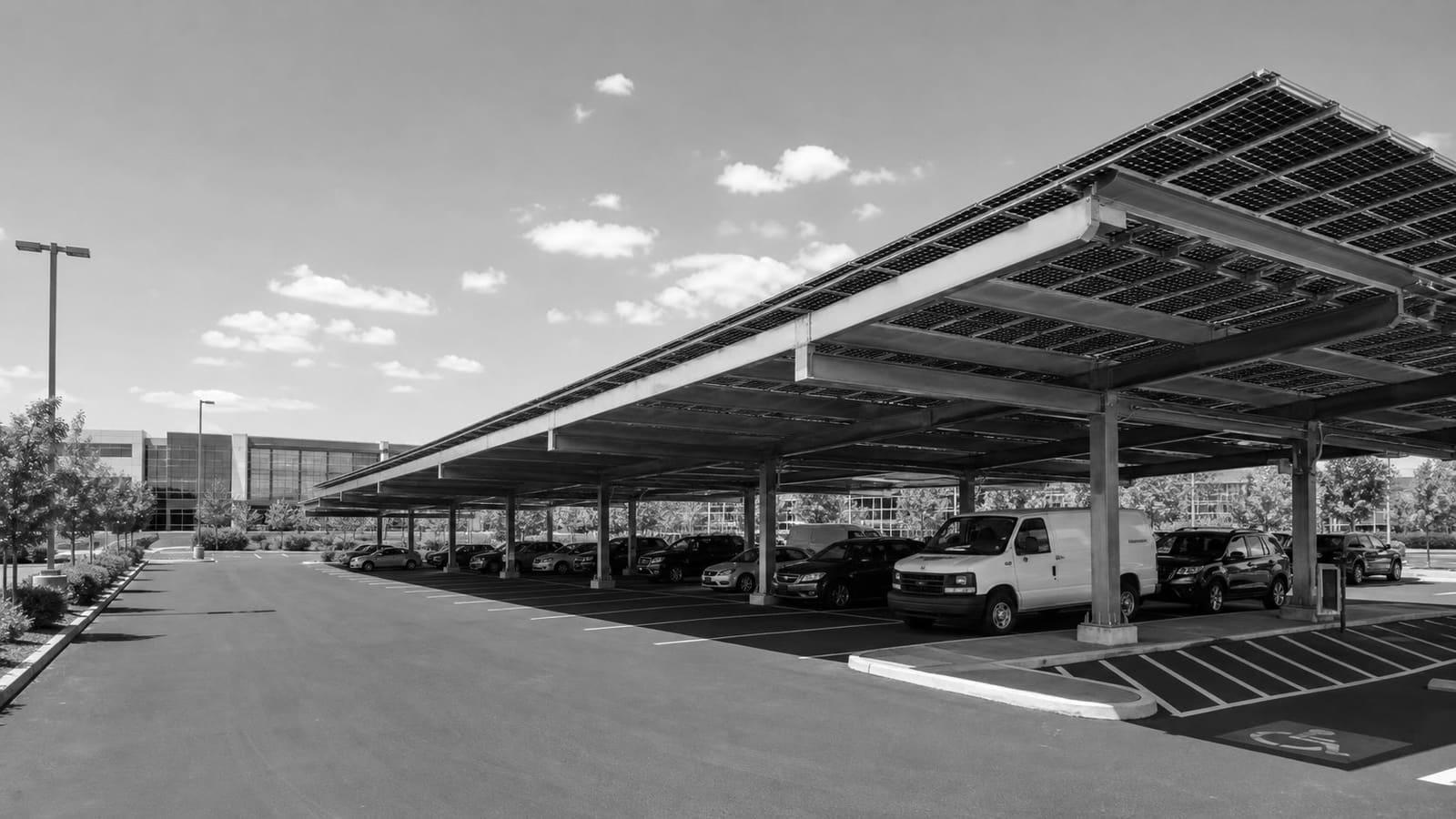
A commercial solar project has to fit the site, the roof, the electrical system, and the utility rules. We start with a solar feasibility study, then compare rooftop solar with solar carports where parking offers the stronger site.
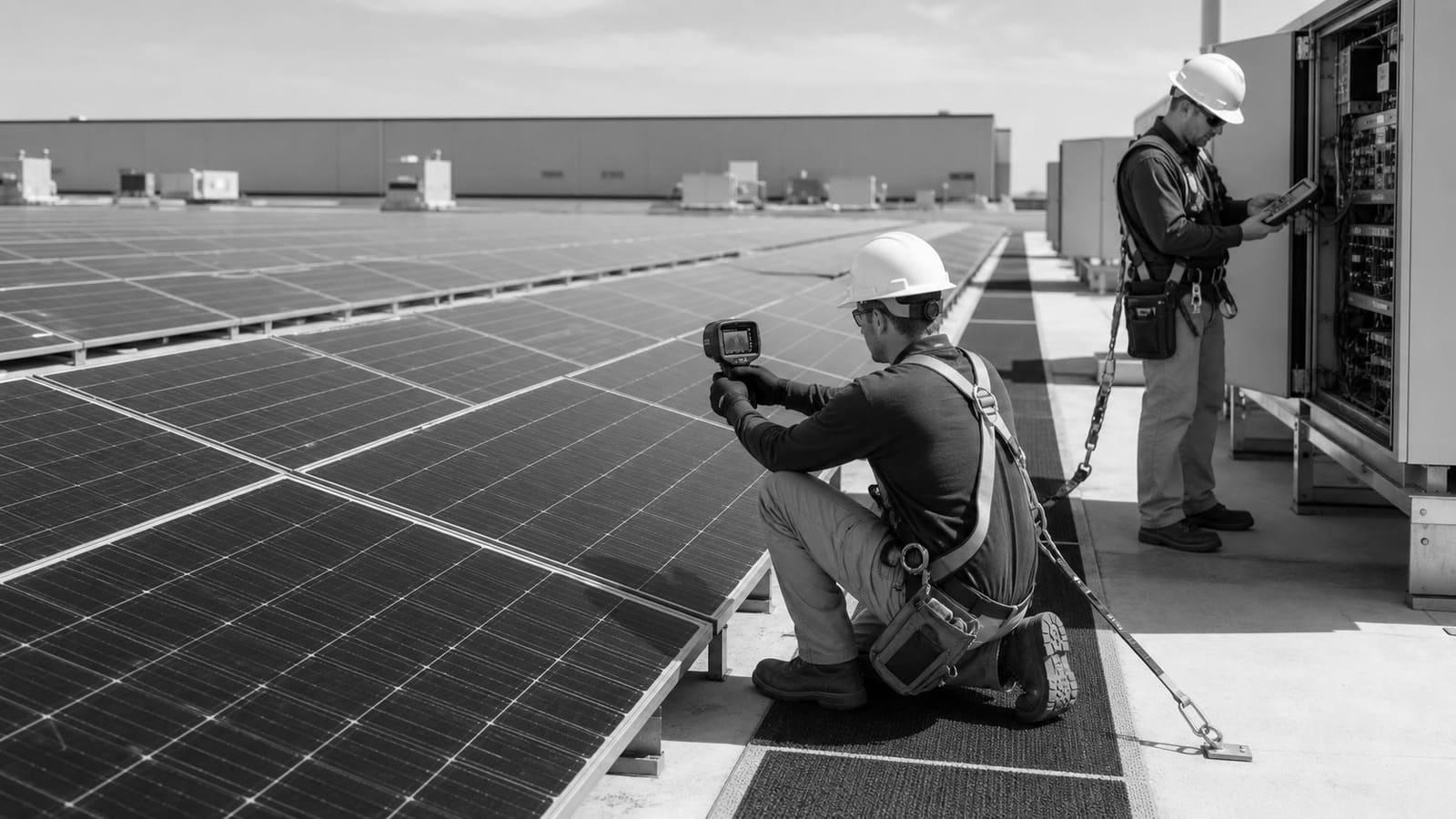
One team carries design, permits, utility interconnection, construction, commissioning, and solar maintenance. We also compare direct ownership with solar financing and PPAs, and add battery storage only when it has a clear job.
START HERE
What should Santa Ana businesses check before adding solar?
Commercial solar installation in Santa Ana starts with a system sized for the building, its electrical use, and the available installation area. A weak fit is a site that cannot support the planned equipment or lacks clear project records. We use site, weather, design, and installation details to set the scope. These checks affect system size, equipment placement, roof work, and the final buyer decision. They also give the building team a clear record of what was installed.
Use Santa Ana weather in the system plan
Santa Ana averages about 14 inches of rain per year. Its average August high is 80.8°F. We use this weather record when the project team models solar output and reviews exposed equipment. Rain also makes roof drainage and sealed roof openings key checks. These conditions can change panel placement, roof details, and the production estimate used for the buying decision.
Roof exposure checks
How does Santa Ana weather affect commercial solar installation?
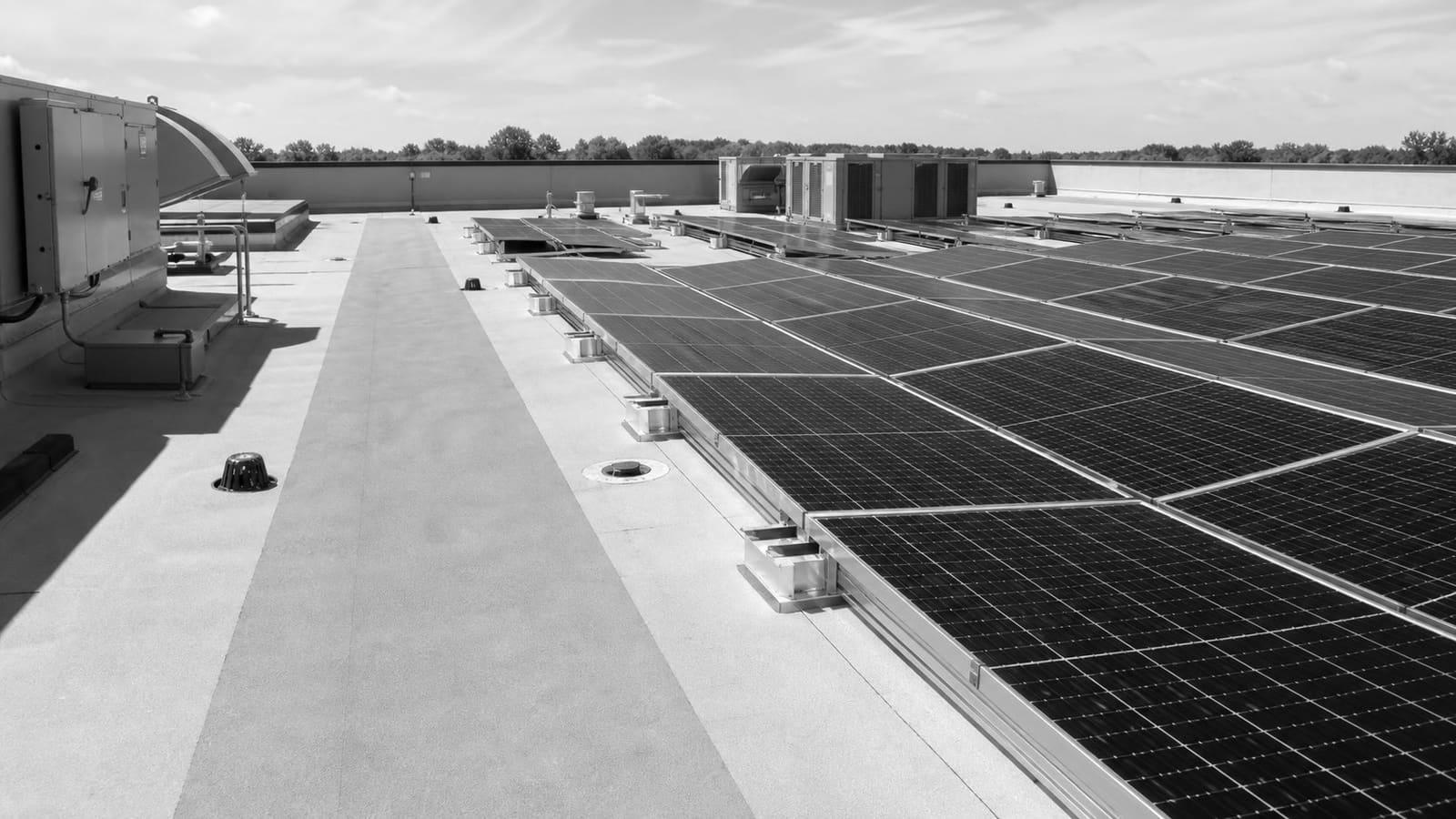
- Confirm that panel placement does not block roof drainage; the result changes the array layout.
- Record every planned roof opening and its seal detail; the record changes the roof scope before installation.
- Use Santa Ana’s 80.8°F average August high in the weather file; it changes the production model and equipment review.
- Use Santa Ana’s average annual rain of about 14 inches when checking exposed roof details; the finding changes flashing and placement decisions.
WHAT WE HANDLE
Everything under the solar door.
PROJECT PLANNING
How should Santa Ana buyers compare solar installation plans?
Weather data source
MODEL
Ask which weather file supports the output model. The source changes the production estimate used to compare plans.
Array layout
LAYOUT
Check panel locations against roof drains and planned openings. A conflict changes panel count or placement.
Connection design
TIE-IN
Check the named electrical connection point and related equipment. The answer changes installation scope and site fit.
Quality statement
GUIDE
Ask whether the provider follows the NREL commercial and industrial PV guide. The guide is voluntary, so the answer changes how buyers judge quality controls.
Energy fit records
What records guide commercial solar installation in Santa Ana?
Electric use record
SIZE
Check the commercial building’s electric use record. It changes the proposed system size and shows whether the plan fits the site.
Electrical supply record
POWER
Confirm the building’s existing electrical supply and connection point. The result changes the tie-in design and equipment scope.
Transmission and supply limits
GRID
Record any supply or transmission issue found during project review. A limit can change system size, connection plans, or project fit.
Installation quality record
QUALITY
Require a record showing which commercial and industrial installation practices were followed. Missing records are a poor fit for buyers who need clear asset review.

BEFORE YOU BUY
What should the Santa Ana solar handoff include?
- A final equipment list; it tells the facility team what assets must be tracked.
- A final array layout; it shows panel locations and keeps roof access decisions clear.
- The weather data used for the production model; it lets the buyer review the estimate basis.
- A record of followed installation practices; it supports later asset and quality review.
- The confirmed electrical connection point; it guides future electrical work near the system.
QUESTIONS
Straight answers.
Is every Santa Ana commercial roof a good fit for solar?
No. A roof is a poor fit if the planned array conflicts with drainage, needed roof openings, or the building’s ability to support the equipment.
Why does Santa Ana rain matter to a rooftop solar plan?
Santa Ana averages about 14 inches of rain each year. That makes drainage paths, flashing, and sealed roof openings part of the layout decision.
Why use Santa Ana temperature data in the solar model?
Santa Ana’s average August high is 80.8°F. Using local weather data gives the buyer a clearer basis for reviewing output and exposed equipment.
Is the NREL commercial solar installation guide mandatory in Santa Ana?
The supplied NREL guide says its best practices are voluntary. Buyers can still use the guide to compare quality records and project controls.
GET STARTED
Tell us about the building.
Whatever the trade, we scope it, price it, and put the right crew on it. Site visits are free, always.
MORE SERVICE AREAS