OMAHA, NE · SOLAR
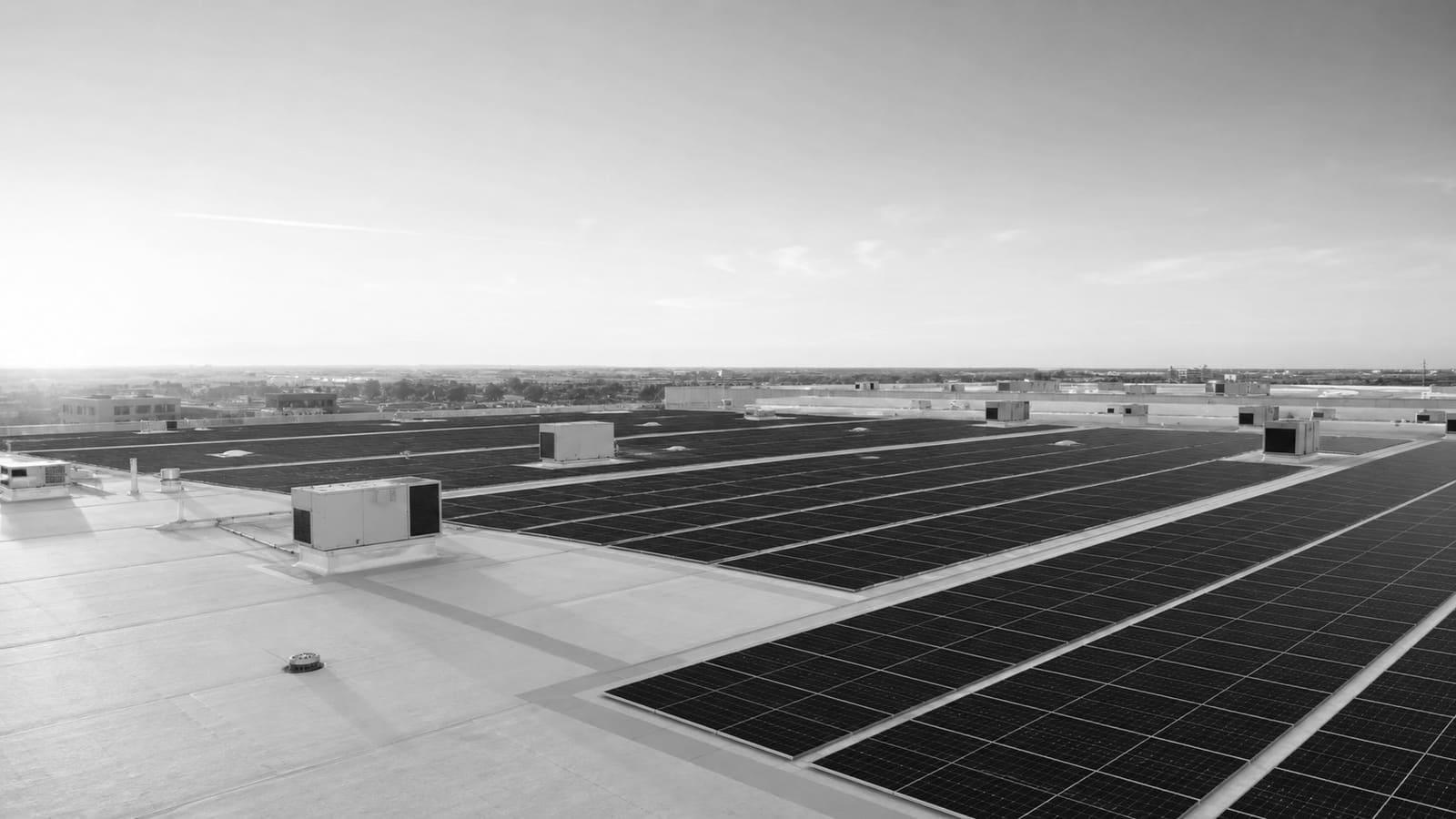
Commercial solar installation in Omaha.
Commercial solar installation for Omaha offices, warehouses, plants, and other commercial sites, with array choices tied to the building and its exposure.
Start with the building, not the panels.
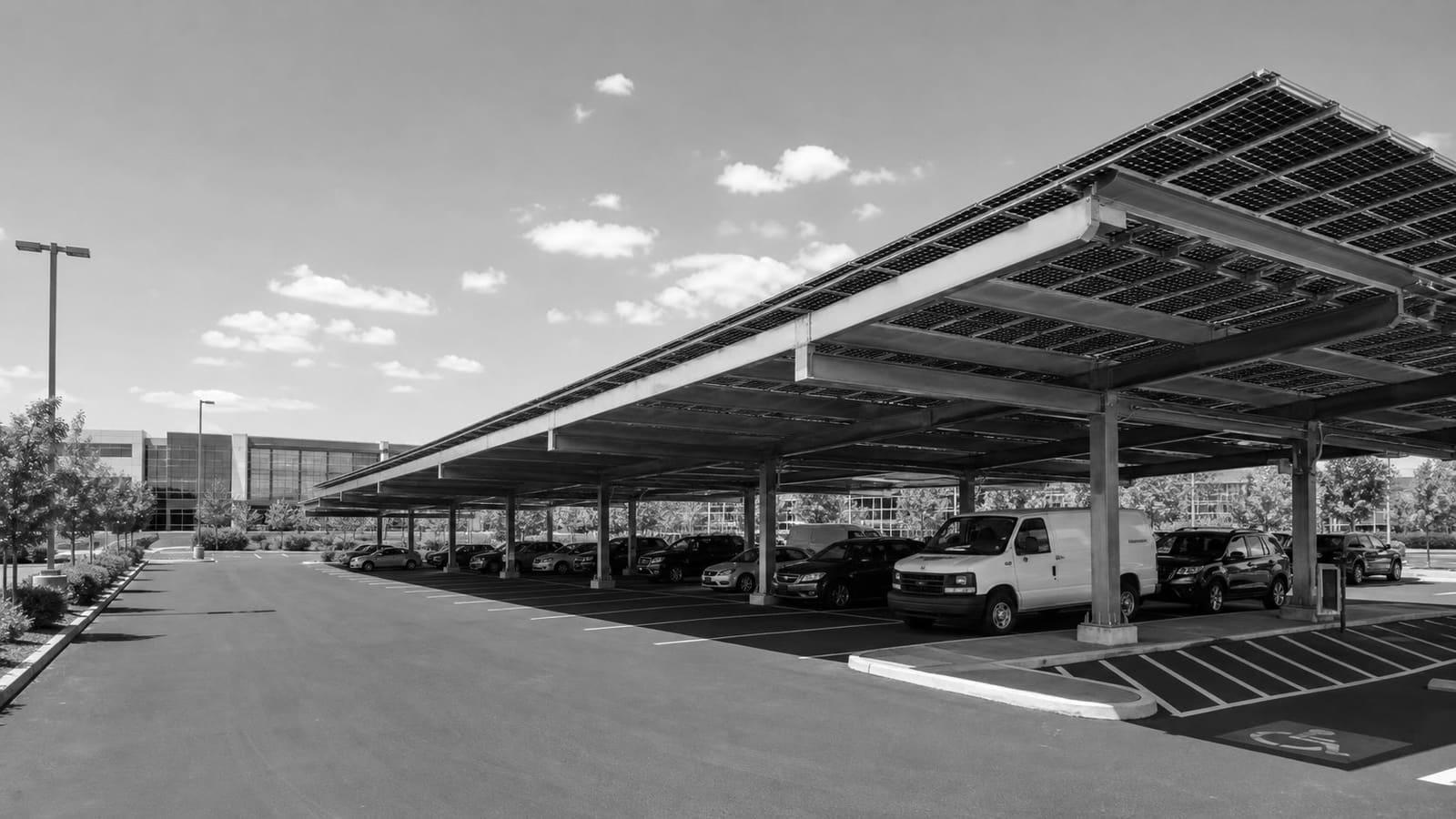
A commercial solar project has to fit the site, the roof, the electrical system, and the utility rules. We start with a solar feasibility study, then compare rooftop solar with solar carports where parking offers the stronger site.
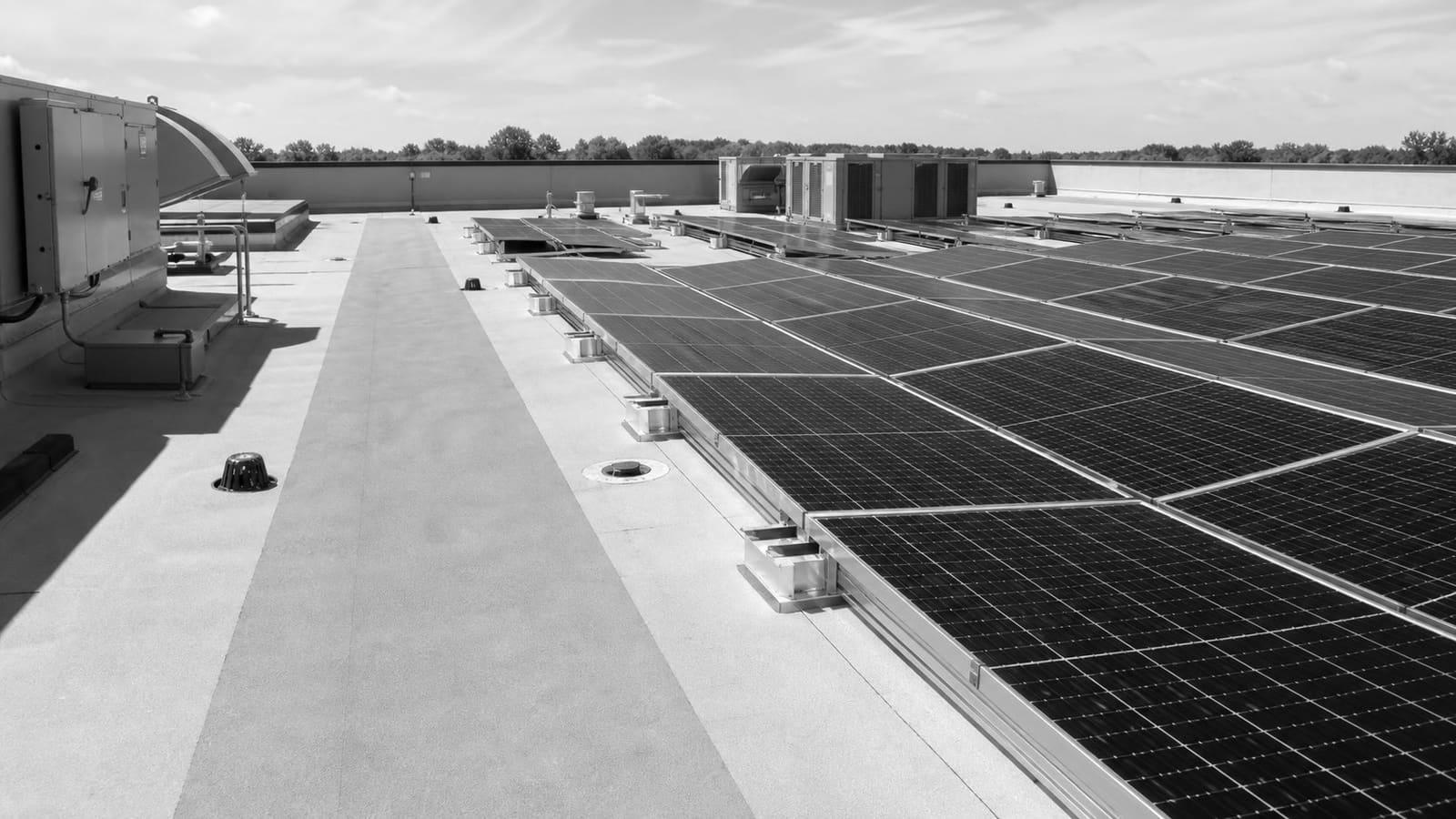
One team carries design, permits, utility interconnection, construction, commissioning, and solar maintenance. We also compare direct ownership with solar financing and PPAs, and add battery storage only when it has a clear job.
START HERE
What should an Omaha business decide before installing solar?
For Omaha commercial buildings, we plan solar around the site, roof, energy goals, and exposure to wind and snow. The key choice is not just how many panels fit. It is which layout can produce power while protecting the roof and supporting safe building use. We compare panel direction, tilt, roof fit, and expected utility cost impact. We also separate voluntary industry guidance from city code review. This gives facility teams a clear basis for choosing the array design and checking a proposal before installation starts.
Tilt changes both output and weather exposure
Omaha averages about 23 inches of snow each year. That makes panel tilt a real design choice. Federal guidance says south-facing panels tilted from 15 to 40 degrees often give the best production in the continental United States. A lower tilt can cut wind load and may improve production. A steeper tilt can shed more snow and hail, but it also raises wind load. We use that tradeoff to compare output, roof forces, and winter exposure for each commercial site.
Array fit checks
What shapes commercial solar installation in Omaha?
- Roof attachment condition: The roof and mounting approach must be a sound fit. If they are not, a rooftop array is a poor fit until the conflict is resolved.
- Panel direction: A south-facing layout can support stronger production. A different direction changes the expected output and system plan.
- Tilt choice: A 15- to 40-degree tilt can support production, while lower or steeper angles change wind load and snow shedding.
- Flush-mount choice: Panels set flush with the roof may improve appearance and reduce wind load, even when the angle is not best for production.
WHAT WE HANDLE
Everything under the solar door.
PROJECT PLANNING
How Omaha facility teams can compare solar proposals
- Compare the same panel direction in each proposal. A changed direction can change projected production.
- Compare the same tilt basis. A lower angle and a steeper angle carry different wind and snow tradeoffs.
- Check whether each design is flush-mounted or raised. That choice changes appearance, wind load, and solar exposure.
- Separate code items from voluntary practices. Omaha’s fire code review and the NREL best-practice guide do not serve the same role.
- Reject any proposal that gives a fixed savings result without tying it to the planned commercial array and expected utility cost impact.
Review records
Commercial solar installation records for Omaha buyers
Energy-cost estimate
BUDGET
Check the proposal’s expected utility cost change. It affects the budget case, so the estimate should support the buyer’s financial decision without promising a set payback.
Tilt and direction record
DESIGN
Record the chosen panel tilt and direction. These choices change expected production, wind load, and how the array sheds snow.
Fire review record
CODE
Confirm how Omaha’s adopted 2024 International Fire Code applies to the project. The answer changes the permit and review path for the building.
Installation quality plan
QUALITY
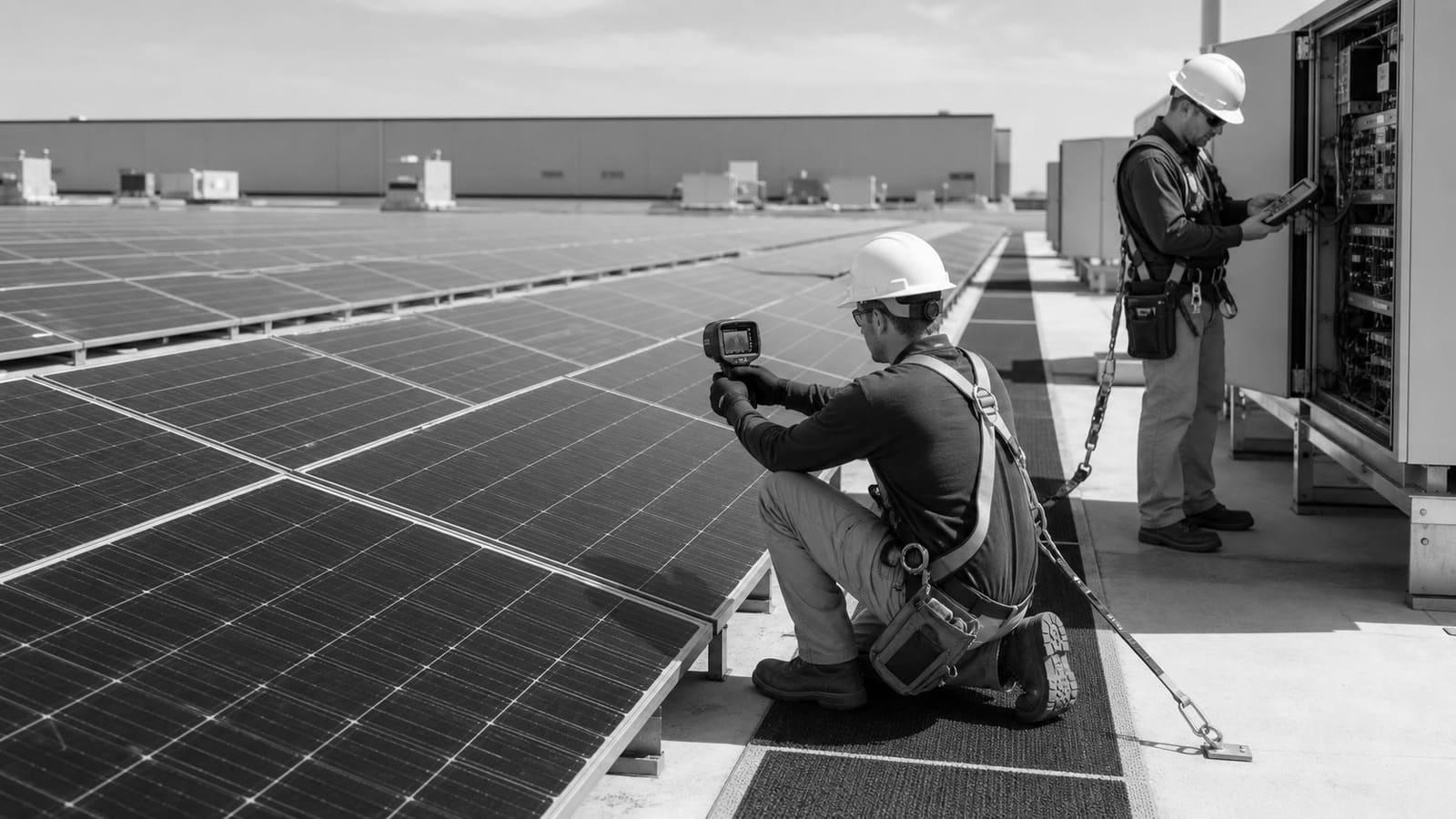
Ask whether the vendor follows the voluntary NREL guide for commercial and industrial solar projects. The answer changes how the buyer judges quality controls and project records.

BEFORE YOU BUY
Which solar array choices fit an Omaha commercial building?
Lower panel tilt
LOW TILT
Choose a lower tilt when reduced wind load carries more weight. The tradeoff is less snow shedding than a steeper array.
Steeper panel tilt
STEEP TILT
Choose a steeper tilt when snow and hail shedding carry more weight. The tradeoff is added wind load on the panels.
Flush roof layout
FLUSH
Choose a flush layout when appearance and lower wind load matter. It may give up some production if roof direction and angle are not ideal.
South-facing layout
OUTPUT
Choose a south-facing layout when the site allows it and production is the main goal. Roof shape or use may limit that fit.
QUESTIONS
Straight answers.
How does Omaha snow affect a commercial solar design?
Omaha averages about 23 inches of snow a year. A steeper panel angle can shed more snow, but it also raises wind load.
What panel angle works best for an Omaha commercial site?
Federal guidance says the ideal tilt equals local latitude. It also says a south-facing angle from 15 to 40 degrees often gives the best production in the continental United States.
Are flush-mounted panels a good choice for an Omaha building?
They can be when appearance or lower wind load matters. They may produce less power if the roof angle and direction limit solar exposure.
Is the NREL installation guide an Omaha code requirement?
The supplied NREL guide says its practices are voluntary. Omaha has adopted the 2024 International Fire Code, so code review must be treated separately.
GET STARTED
Tell us about the building.
Whatever the trade, we scope it, price it, and put the right crew on it. Site visits are free, always.
MORE SERVICE AREAS