NEW ORLEANS, LA · SOLAR
Commercial solar installation in New Orleans.
We plan commercial solar for New Orleans roofs, power needs, wind load, drainage, permits, and grid connections.
Start with the building, not the panels.
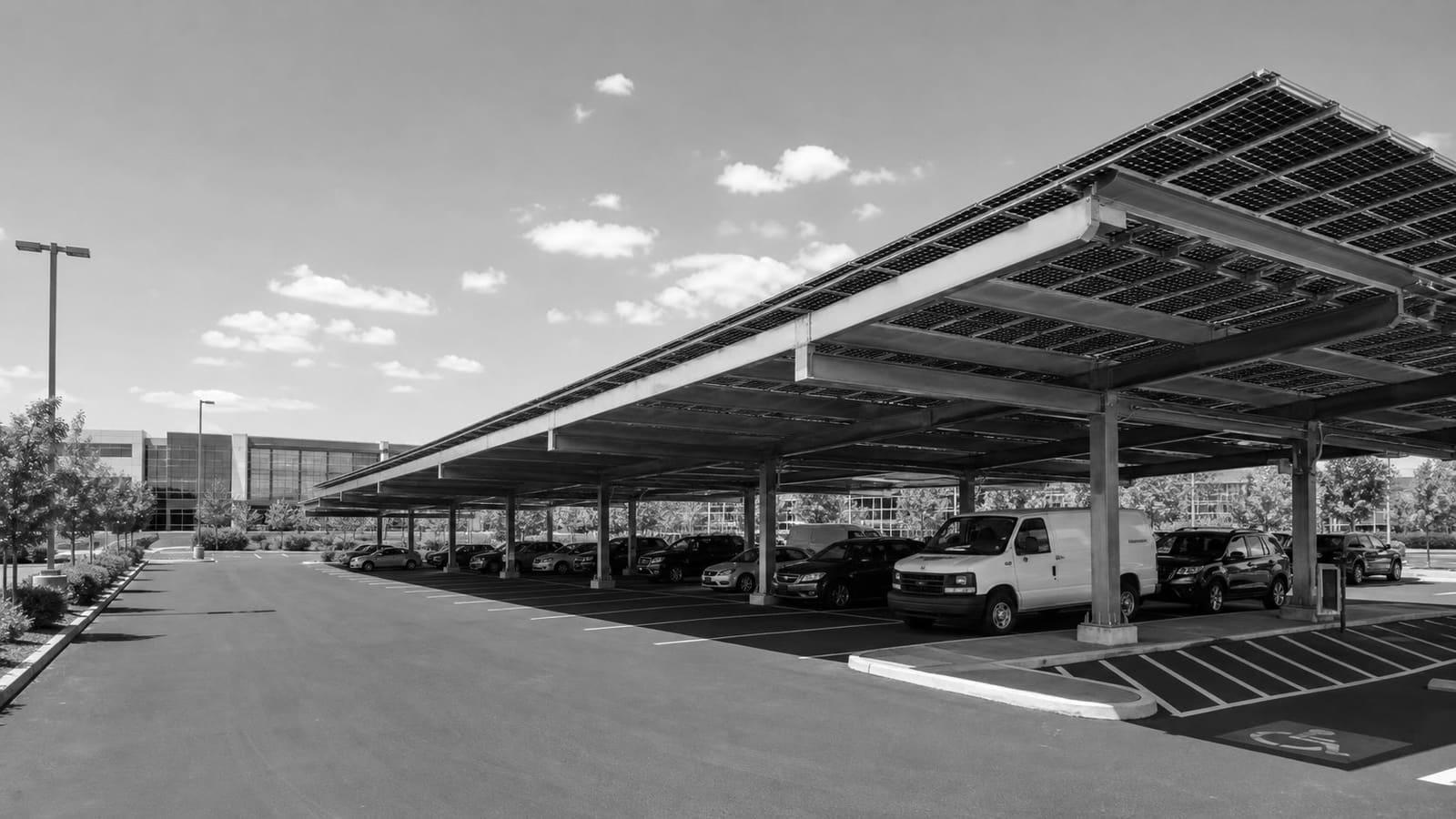
A commercial solar project has to fit the site, the roof, the electrical system, and the utility rules. We start with a solar feasibility study, then compare rooftop solar with solar carports where parking offers the stronger site.
One team carries design, permits, utility interconnection, construction, commissioning, and solar maintenance. We also compare direct ownership with solar financing and PPAs, and add battery storage only when it has a clear job.
START HERE
How does solar work for a New Orleans commercial building?
Commercial solar installation in New Orleans starts with the roof, power plan, wind load, and grid connection. We match panel layout and tilt to the building. A lower tilt can cut wind load. A steeper tilt can raise wind load, so the choice affects both output and roof forces. We also set the permit path before crews start. New Orleans may require plan review for structural work. The review covers city building, electrical, and mechanical codes. If required plans do not pass review, the city will not issue the building permit.
Set the permit path before final design
New Orleans issues building permits for new construction and changes to existing buildings. Structural work may need plan review before a permit can be issued. That makes the roof attachment plan a key buying choice. We define the array layout, tilt, attachment points, and electrical path early. If plan review is required, those details must be ready for review. An incomplete review is a clear stop: installation cannot move ahead under the building permit.
Roof fit checks
What changes commercial solar installation scope in New Orleans?
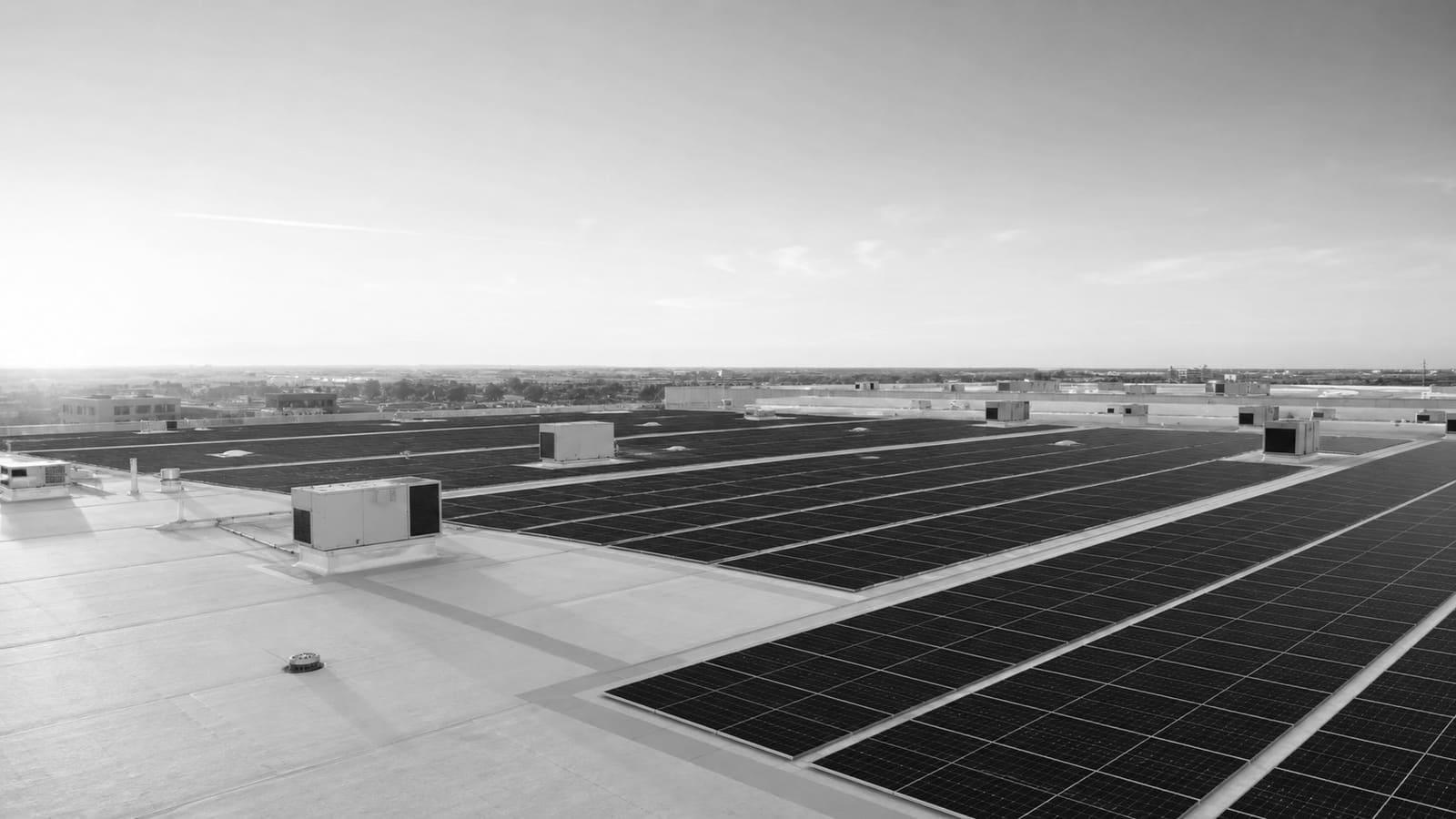
- Check roof space and array layout. A local warehouse project used about 7,000 panels across nearly 240,000 square feet, which shows why usable roof area changes system size.
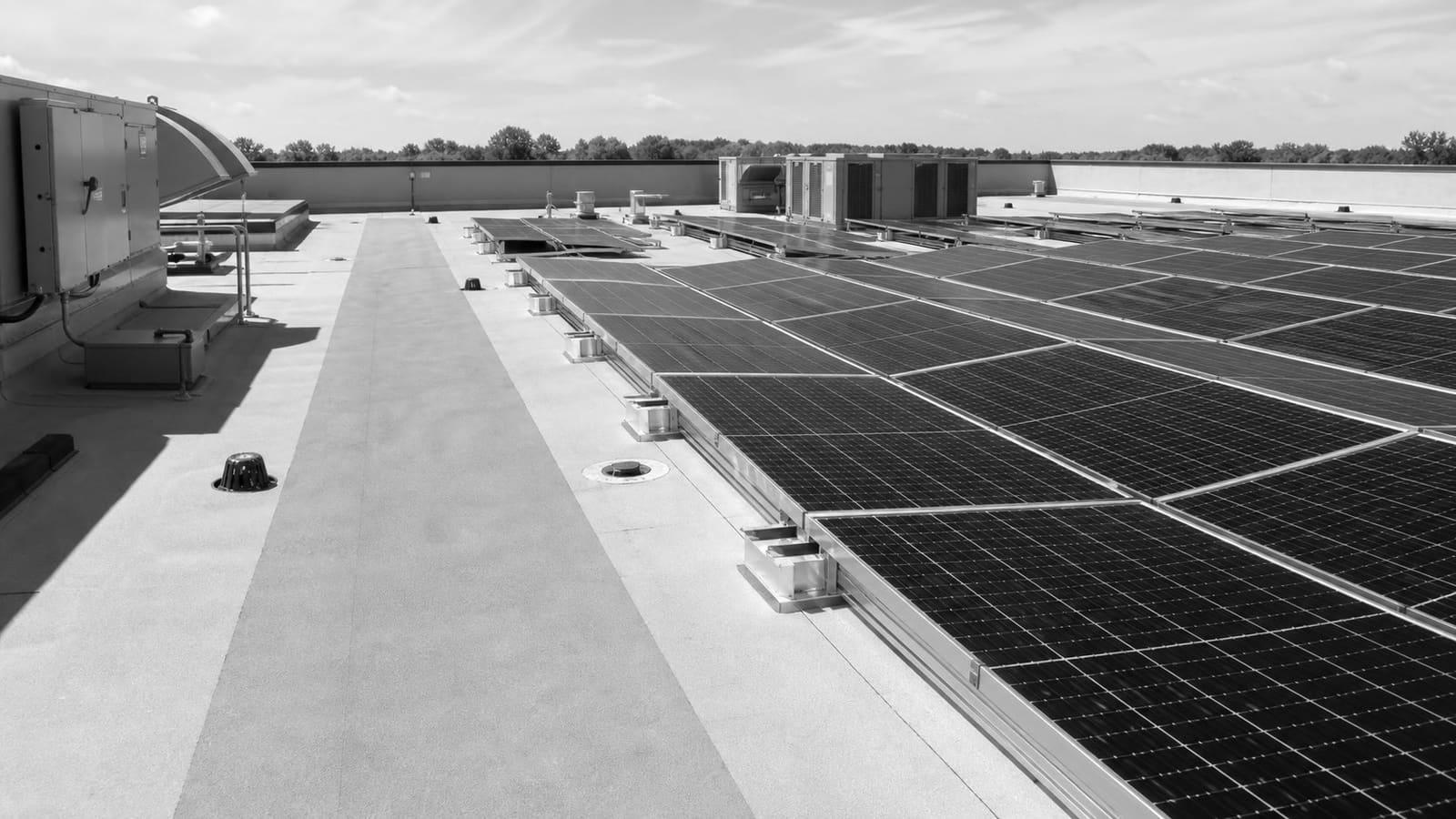
- Check panel tilt against wind load. A lower tilt can reduce wind load, while a steeper tilt raises it.
- Check roof appearance needs. Flush panels may be chosen for appearance and lower wind load even when tilt and direction are not best for output.
- Check rain paths around panels and mounts. New Orleans averages about 55 inches of rain a year, so blocked drainage changes the roof layout.
WHAT WE HANDLE
Everything under the solar door.
PROJECT PLANNING
How should New Orleans businesses choose a solar array design?
Tilt choice
TRADEOFF
Compare solar exposure with wind load. DOE guidance says 15 to 40 degrees facing south gives the best production in the continental United States, but site needs may change that choice.
Roof position
LAYOUT
Choose flush or tilted panels. Flush panels may lower wind load and improve appearance, but they may give up some production.
Project type
FIT
Name the array as rooftop PV or another system type before design. System type changes the checks and equipment plan.
Quality record
QUALITY
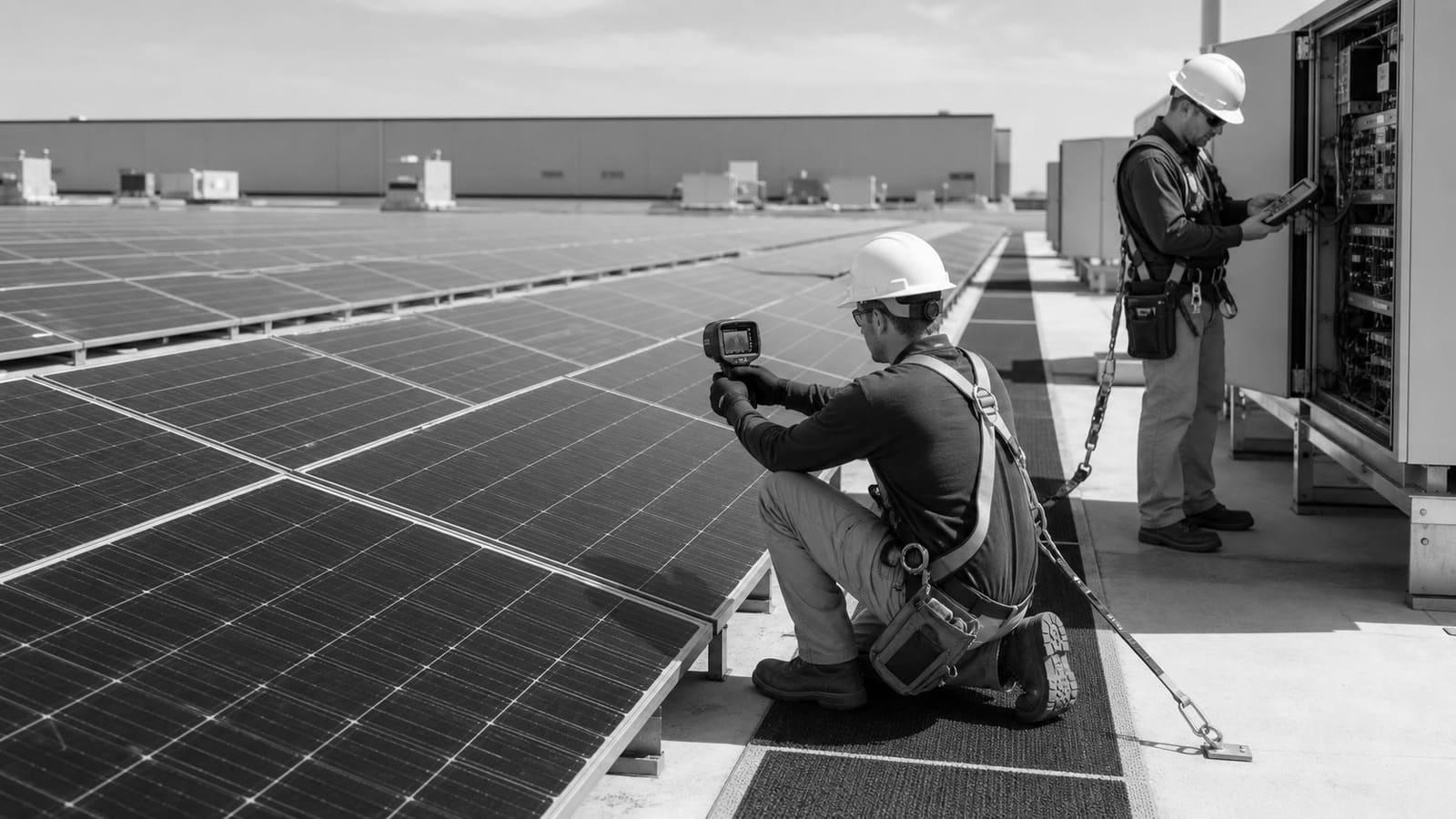
Ask for the installation and commissioning checks in writing. The NREL commercial guide frames these practices as voluntary minimums, so the record shows what the vendor will follow.
Approval gates
Which New Orleans commercial solar installation records matter?
Building permit scope
PERMIT
Record whether the project alters the building. That answer sets whether a city building permit applies.
Plan review status
PASS/FAIL
Record whether structural plans are required and approved. The city will not issue the building permit until required plan review is complete.
Code review set
PLANS
List the building, electrical, and mechanical plans sent for review. The set defines what city reviewers can approve.
Grid connection plan
GRID
Name the point where the solar system connects to the distribution grid. That choice changes the electrical design and installation path.

BEFORE YOU BUY
What should a New Orleans solar handoff include?
- A final panel count and roof layout, so facility staff know the exact installed array.
- The approved permit and plan set, so the building record matches the installed structural and electrical work.
- The grid connection record, so staff know how the system feeds the distribution grid.
- The chosen tilt and mounting record, so later roof work does not ignore wind-load and attachment choices.
- The commissioning results, so the buyer has a clear pass or fail record before handoff.
QUESTIONS
Straight answers.
Does a New Orleans commercial solar project need plan review?
It may. The city says structural work can require plan review. When review is required, the building permit is not issued until that review is complete.
How does wind affect a New Orleans solar design?
Panel tilt changes wind load. Lower tilt can reduce that load. Steeper tilt can increase it, so we weigh roof forces against solar exposure.
Why does rain matter for rooftop solar in New Orleans?
New Orleans averages about 55 inches of rain a year. Panel rows and mounts must leave clear roof drainage paths, which can change the usable layout.
Can a large New Orleans commercial roof hold a large solar array?
Roof area helps set array size, but it is not the only check. One local warehouse project used about 7,000 panels over nearly 240,000 square feet of roof.
GET STARTED
Tell us about the building.
Whatever the trade, we scope it, price it, and put the right crew on it. Site visits are free, always.
MORE SERVICE AREAS