MOBILE, AL · SOLAR
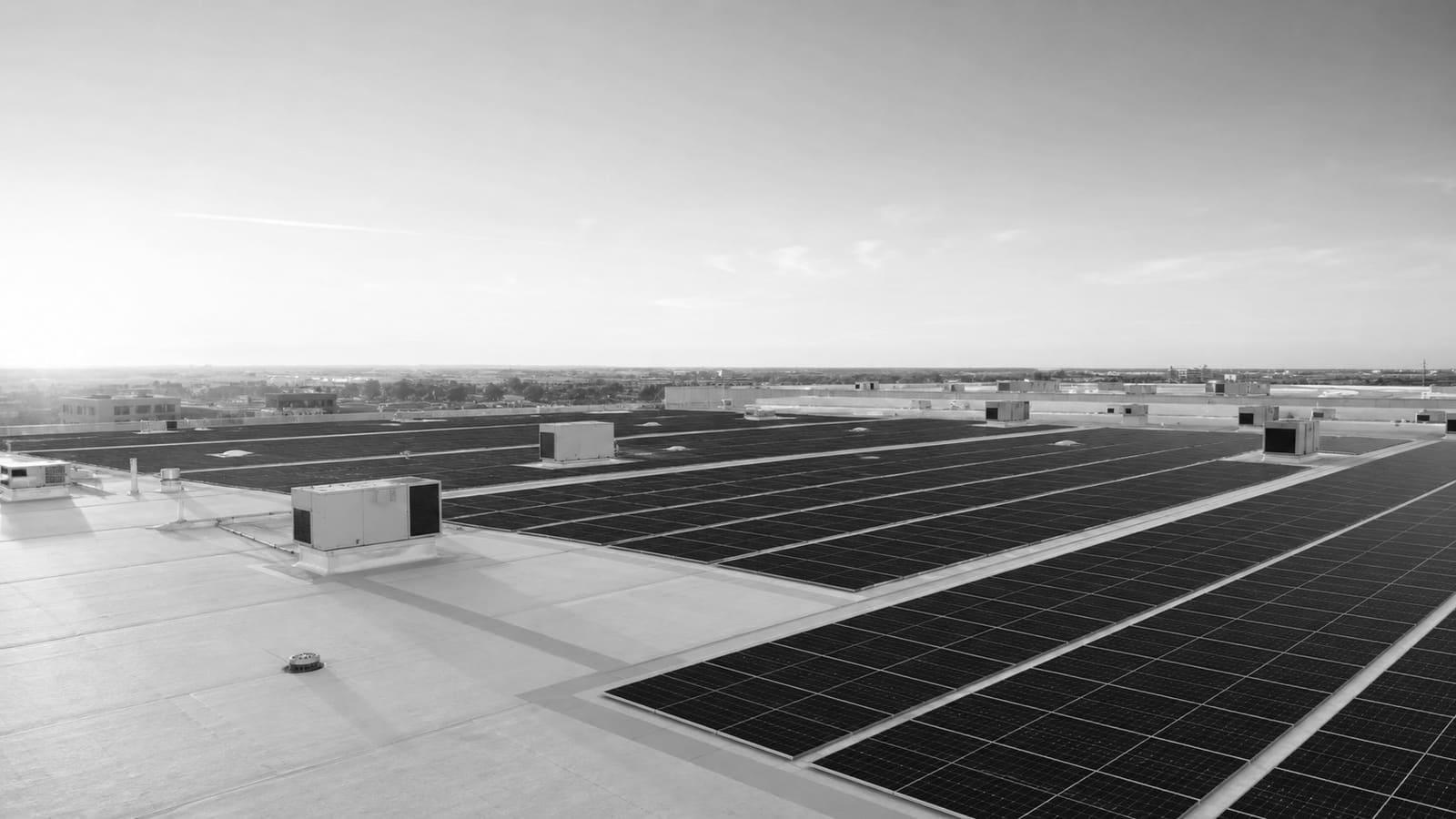
Commercial solar installation in Mobile.
We plan solar PV for Mobile commercial buildings around roof fit, wind load, utility rules, permits, and ownership.
Start with the building, not the panels.
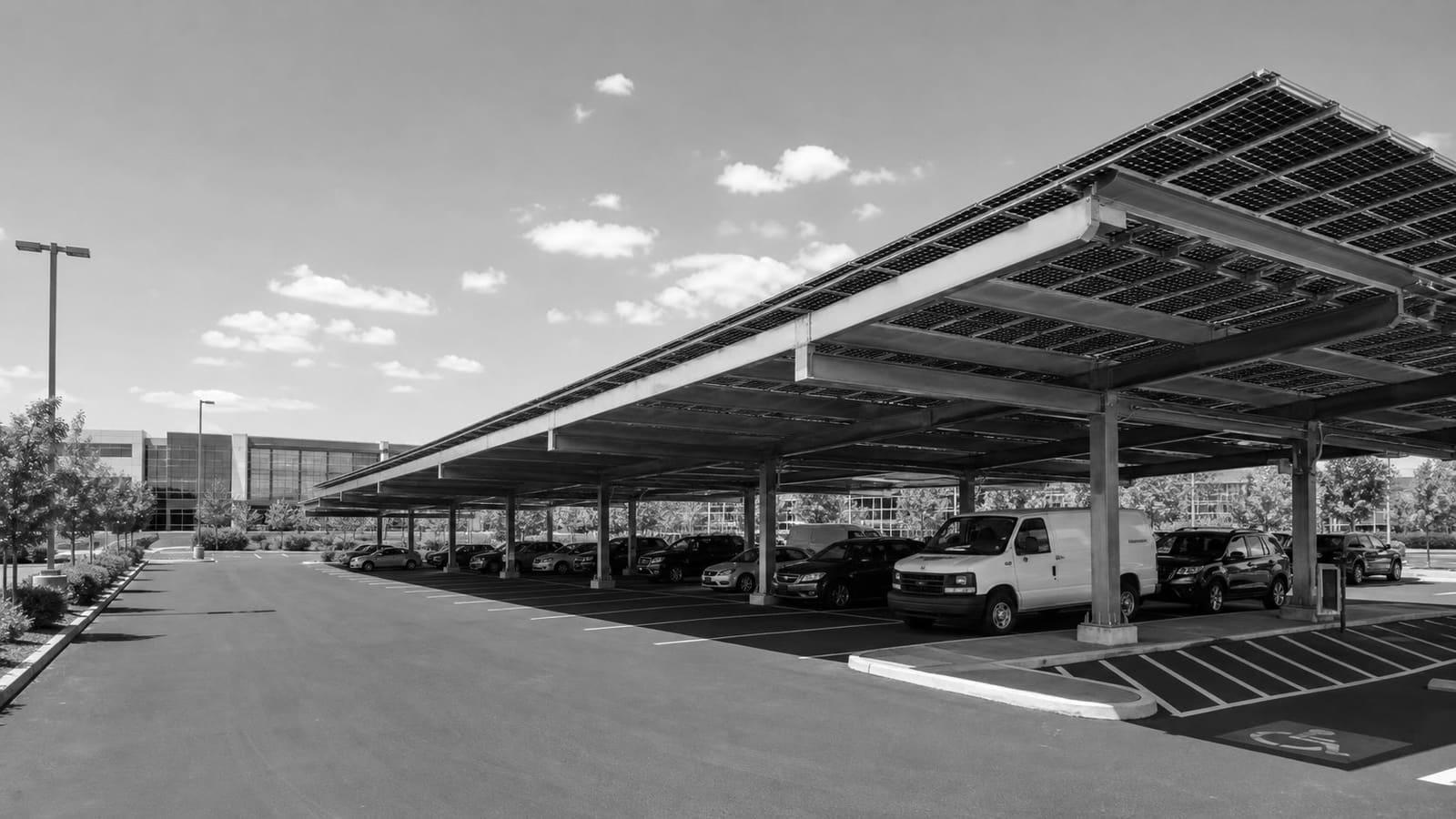
A commercial solar project has to fit the site, the roof, the electrical system, and the utility rules. We start with a solar feasibility study, then compare rooftop solar with solar carports where parking offers the stronger site.
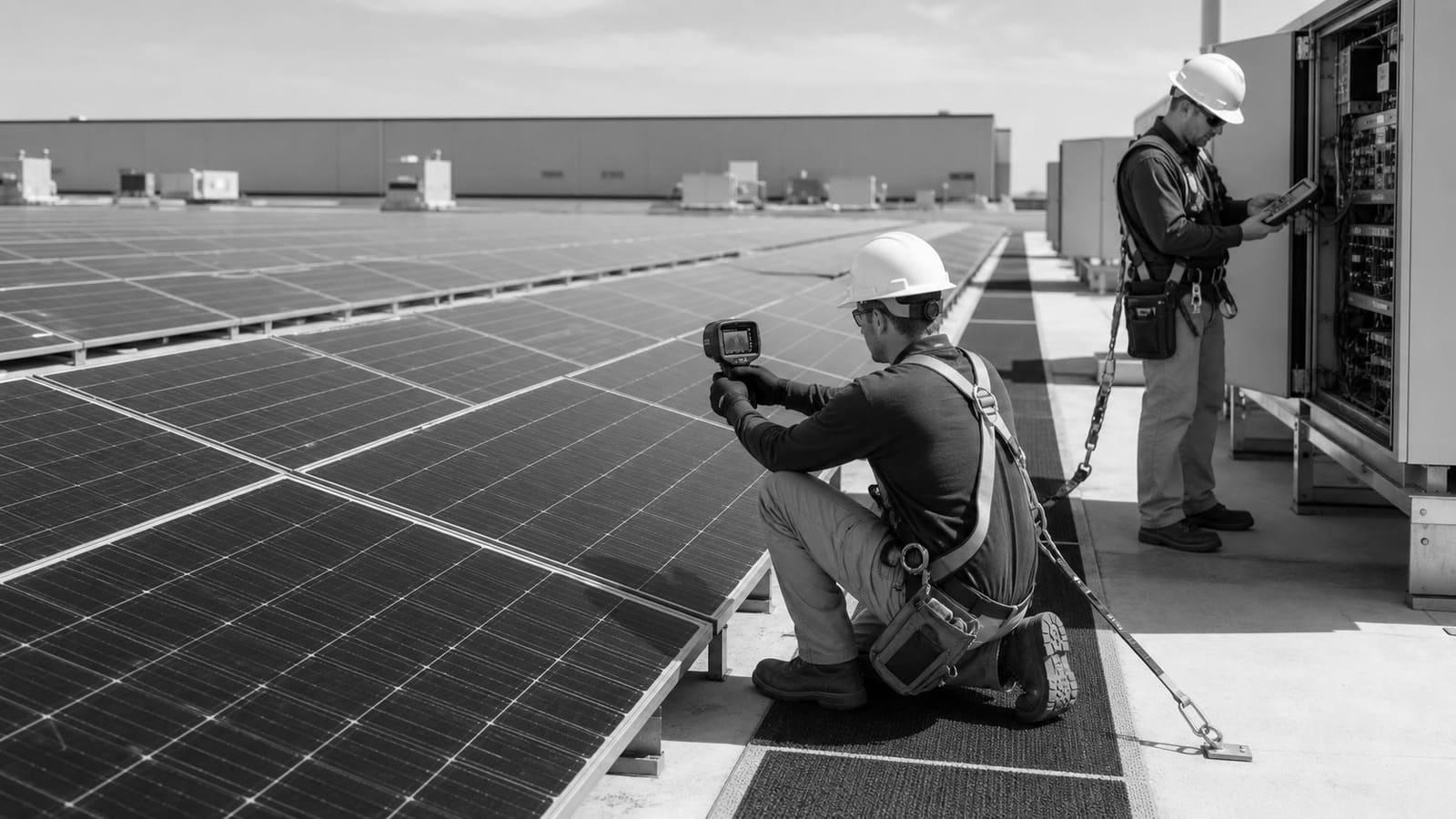
One team carries design, permits, utility interconnection, construction, commissioning, and solar maintenance. We also compare direct ownership with solar financing and PPAs, and add battery storage only when it has a clear job.
START HERE
What should a Mobile business check before installing solar?
Commercial solar installation in Mobile starts with a site design that fits the building, power needs, roof, and local approval path. We also check utility interconnection rules before the project moves forward. Panel angle creates a key tradeoff. A south-facing tilt from 15° to 40° can support strong production in the continental United States. A lower or flush layout may reduce wind load, but it may produce less power than the best angle.
Set the approval path first
Permitting and utility rules can change by location. Mobile publishes forms and applications through its Build Mobile department. Utility policies can also set interconnection steps and payment terms for power sent to the grid. We confirm the current application path and utility terms before final design. These records can change the layout, project schedule, ownership choice, and financial case.
Site fit checks
Commercial solar installation checks for Mobile buildings
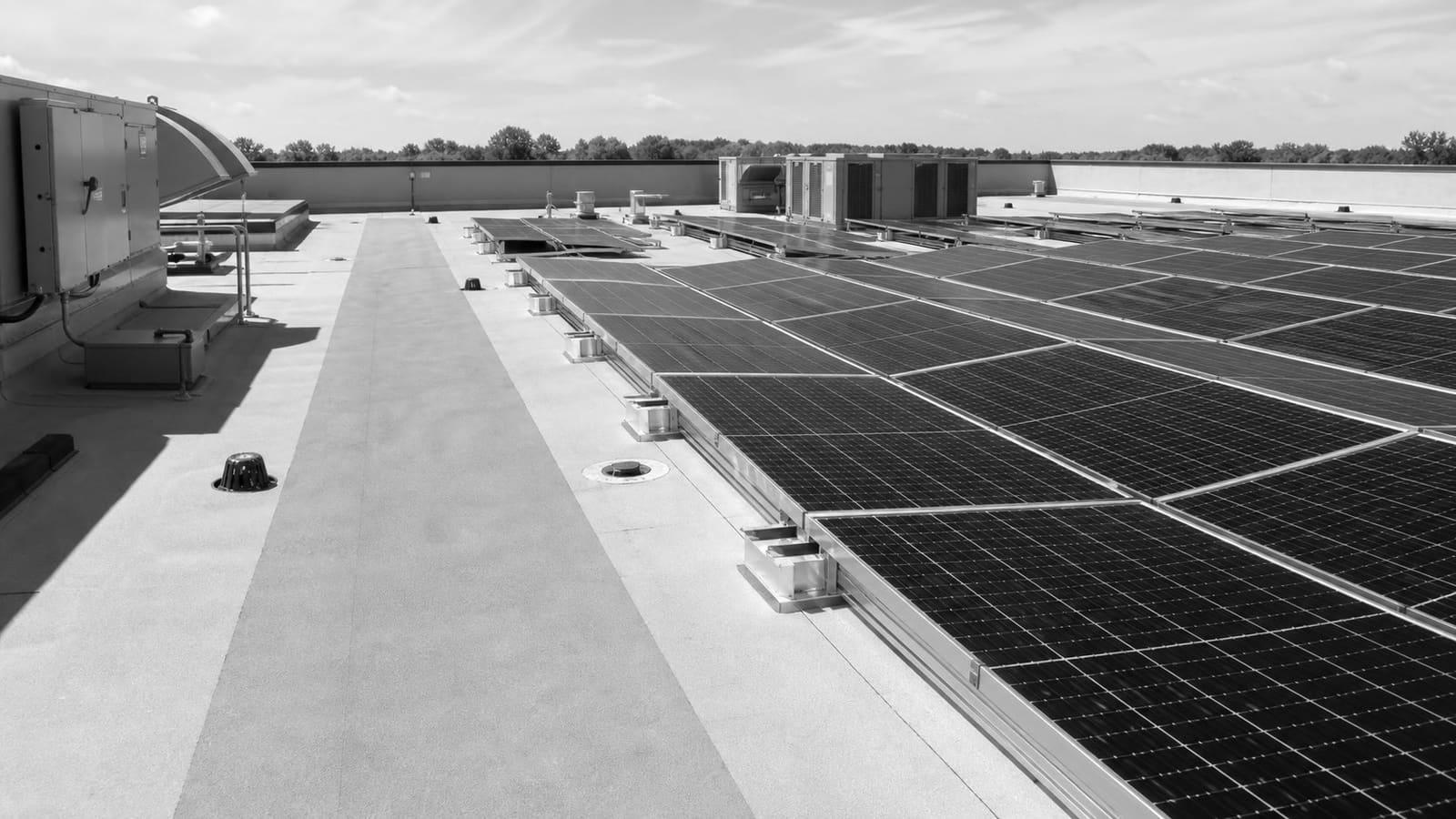
- Roof mounting check: We compare a flush layout with a tilted array. The choice changes wind load, appearance, and expected production.
- Panel direction check: We test whether a south-facing layout is practical. Roof shape and blocked areas can change panel placement.
- Tilt check: We compare angles within the 15° to 40° range cited for strong production in the continental United States. A lower angle may reduce wind load.
- Project type check: We confirm whether rooftop PV fits the building. If the roof cannot support a safe, useful layout, the rooftop plan does not pass.
WHAT WE HANDLE
Everything under the solar door.
PROJECT PLANNING
Which solar ownership plan fits a Mobile facility?
Direct ownership decision
OWN
The business buys the PV system. This choice changes who funds the project and owns the equipment.
Lease decision
LEASE
A lease uses a different ownership structure. Its terms change payment duties and equipment control.
Power purchase agreement decision
PPA
A PPA ties payment to purchased solar power under the agreement. Its terms change the financial review and contract duties.
Utility policy check
TERMS
Net metering, interconnection rules, and incentive structures can differ by location. Current terms can change which ownership plan makes sense.
Approval records
Commercial solar installation decisions in Mobile
Build Mobile application record
PERMIT
We identify the current city form and approval path before setting the install date. The result changes the submittal list and schedule.
Utility interconnection record
UTILITY
We confirm the utility's current connection terms. The result changes system design, approval steps, and when the array can operate.
Fire access condition
ACCESS
We mark required access and life-safety areas for review with the proper authority. Any conflict changes panel placement and clear space.

BEFORE YOU BUY
What must be set before a Mobile solar build?
- Final array layout: Record panel direction, tilt, and mounting type so the production and wind-load tradeoff is clear.
- Approved connection plan: Record the utility's accepted interconnection steps before the system is placed in operation.
- Permit record: Keep the current Mobile application and approval documents with the project file.
- Ownership record: State whether the business will own, lease, or buy power from the system because that choice changes contract duties.
- Installation quality plan: Use a written commercial and industrial PV guide to set project checks. The cited best-practice guide is voluntary, so its use must be stated in the project scope.
QUESTIONS
Straight answers.
Does a Mobile commercial solar array need utility review?
Utility interconnection rules differ by location. We confirm the current connection process before final design and operation.
What panel angle should a Mobile facility use?
A south-facing angle from 15° to 40° can support strong production. We balance that range against roof fit, appearance, and wind load.
Is a flush roof layout a good fit in Mobile?
It can be when appearance or lower wind load matters. The tradeoff is that a flush layout may not use the best tilt and direction for production.
Can a Mobile business choose how it owns the solar system?
Yes. Common structures include direct ownership, a lease, and a power purchase agreement. Utility terms and contract duties affect the choice.
GET STARTED
Tell us about the building.
Whatever the trade, we scope it, price it, and put the right crew on it. Site visits are free, always.