MOBILE, AL · EV CHARGING
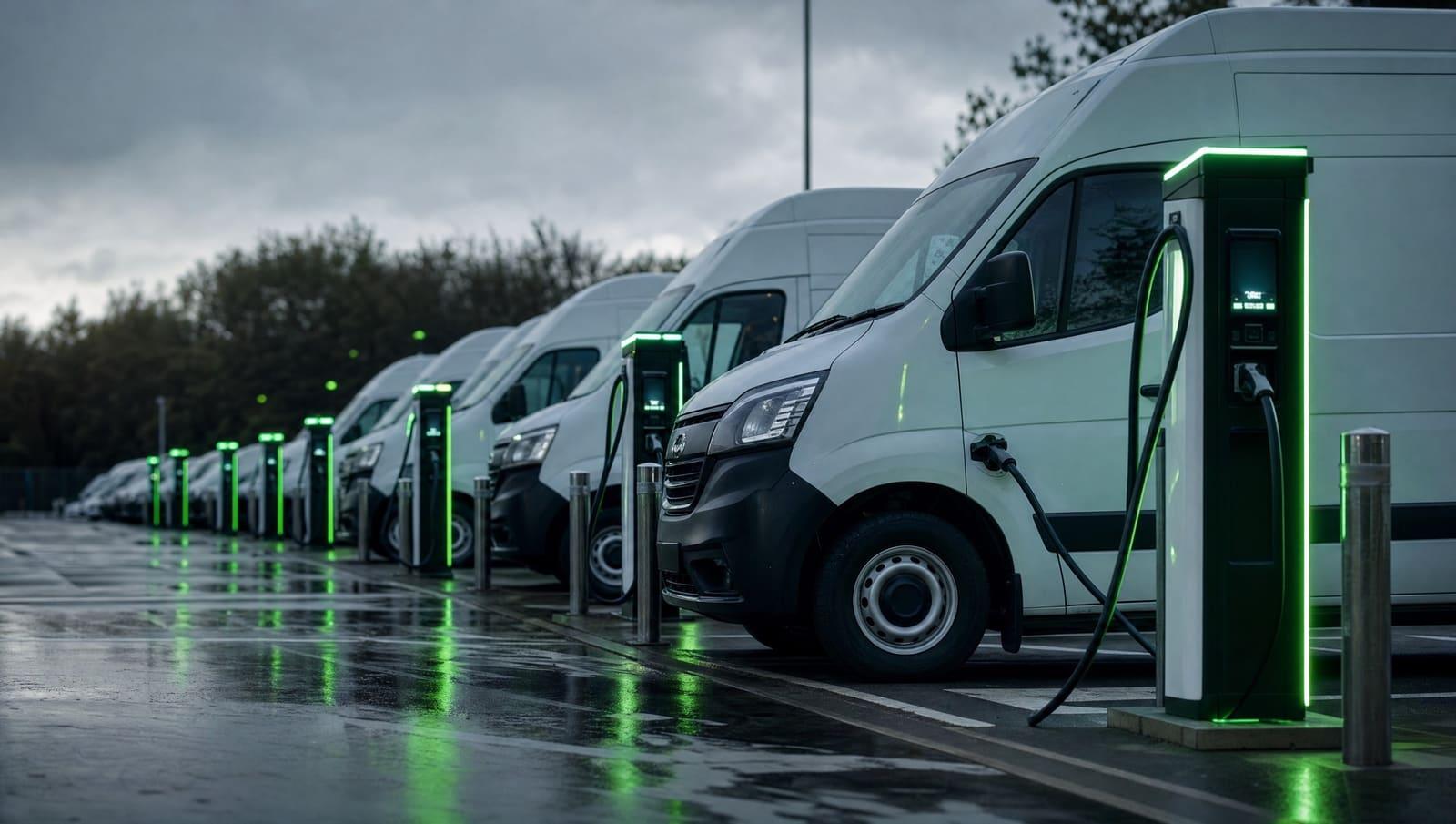
Commercial EV charging installation in Mobile.
We plan and install EV chargers for commercial buildings in Mobile, with clear choices for access, charging speed, fees, and upkeep.
Chargers that show up on time.
The hard part of EV charging installation isn't the charger, it's the power: service capacity, panel upgrades, trenching, and utility make-ready programs that can cover a surprising share of the cost. Good designs start from your electrical reality, not a brochure.
Good fleet charging plans start from routes and dwell times so vehicles are charged when they roll, and workplace charging gets managed loads so your demand charges don't eat the benefit. Broken chargers kill adoption, so service is part of every proposal.
START HERE
What should Mobile businesses plan before adding EV chargers?
Commercial EV charging installation in Mobile starts with four choices: who may charge, when they may charge, how fast they need to charge, and whether drivers will pay. Those answers guide charger type, parking location, access rules, and network needs. We also match the plan to daily use. DC fast chargers can raise demand charges more often than Level 1 or Level 2 units. Time of use and session length can change power costs. A charger is a poor fit if its speed, access, or fee setup does not match the people and vehicles that will use it.
Public access can change a Mobile charging project
A business seeking Alabama state funding must choose its access plan before design. DC fast charging stations must be open to the public at all times. Paid Level 2 stations must be open at least during the host business hours. Level 2 use may be limited to customers or staff only when charging stays free. These rules change gate access, parking control, signs, payment setup, and the charger location. A restricted paid station would not fit the stated program terms.
Site fit checks
Commercial EV charger installation choices for Mobile sites
PROJECT PLANNING
How Mobile businesses can control EV charging costs
WHAT WE HANDLE
Everything under the EV door.
Permit path
Commercial EV charging installation permits in Mobile
BEFORE YOU BUY
EV charger handoff and upkeep for Mobile facilities
- Test that each charger starts and ends a charging session; a failed session does not pass handoff.
- Record charger use data so the facility can compare demand with the number and type of installed units.
- Set a cable storage method; loose cables are more likely to be damaged.
- Set checks for plugs, cables, housings, and other parts; damage changes the repair plan.
- Record warranty terms as fixed-term, renewable, or included with the equipment; the term changes future repair coverage.
Project in Mobile?
Tell us the building, exact scope, and target date. Flux will review the request and send the next step.
QUESTIONS
Straight answers.
Should a Mobile commercial site choose Level 2 or DC fast chargers?
Choose by vehicle dwell time and power-cost risk. DC fast units charge faster but are more likely than Level 1 or Level 2 units to trigger demand charges.
Can a funded Mobile charging site limit use to employees or customers?
The supplied Alabama program terms allow limited Level 2 access only when charging stays free. Paid Level 2 sites must be public during host business hours.
Does charger location matter at a Mobile commercial building?
Yes. A visible, well-lit, easy-to-reach space can support use and safer vehicle movement. The spot also sets the parking plan and charger route.
What records should a Mobile facility keep after installation?
Keep utilization data, warranty terms, repair notes, and maintenance checks. These records guide charger count, upkeep, and future equipment choices.
GET STARTED
Put a real number on your chargers.
Free site visit, make-ready money screened, and a price that covers the whole job, not just the hardware.