MAINTENANCE
Fire and life safety services.
Inspections, testing, and corrections that keep the building legal and the log book current.
THE SHORT VERSION
What fire and life safety services cover
Fire and life safety services keep a commercial building legal and its systems ready: extinguishers serviced, alarms and sprinklers tested on schedule, exit signs lit, emergency lights that hold their charge. Every system runs on its own code clock. The fire marshal reads the paperwork before touching a single device. The work is a calendar, and the calendar has legal teeth.
Running it well takes a system: service on schedule, licensed testing where the code demands it, corrections priced from findings, and a log book that stays current without anyone chasing dates. Tell us the building and get exactly that priced.
THE CODE CLOCK
Fire inspection frequencies by system
Monthly
QUICK CHECKS
Extinguisher and emergency-light visuals most inspectors expect to see logged.
Annual
FULL SERVICE
Extinguisher maintenance, alarm testing, and the 90-minute emergency lighting test.
Quarterly+
SPRINKLER ITM
Sprinkler inspection ladder: quarterly gauges up through internal checks at five years.
Every visit
DOCUMENTATION
Tags, reports, and the binder updated. The paper trail is the inspection.
WHAT'S COVERED
Fire and life safety inspection schedule
Fire extinguishers
NFPA 10
Annual maintenance, monthly visual logging, and the 6- and 12-year internal cycles that quietly come due.
Fire alarm testing
NFPA 72
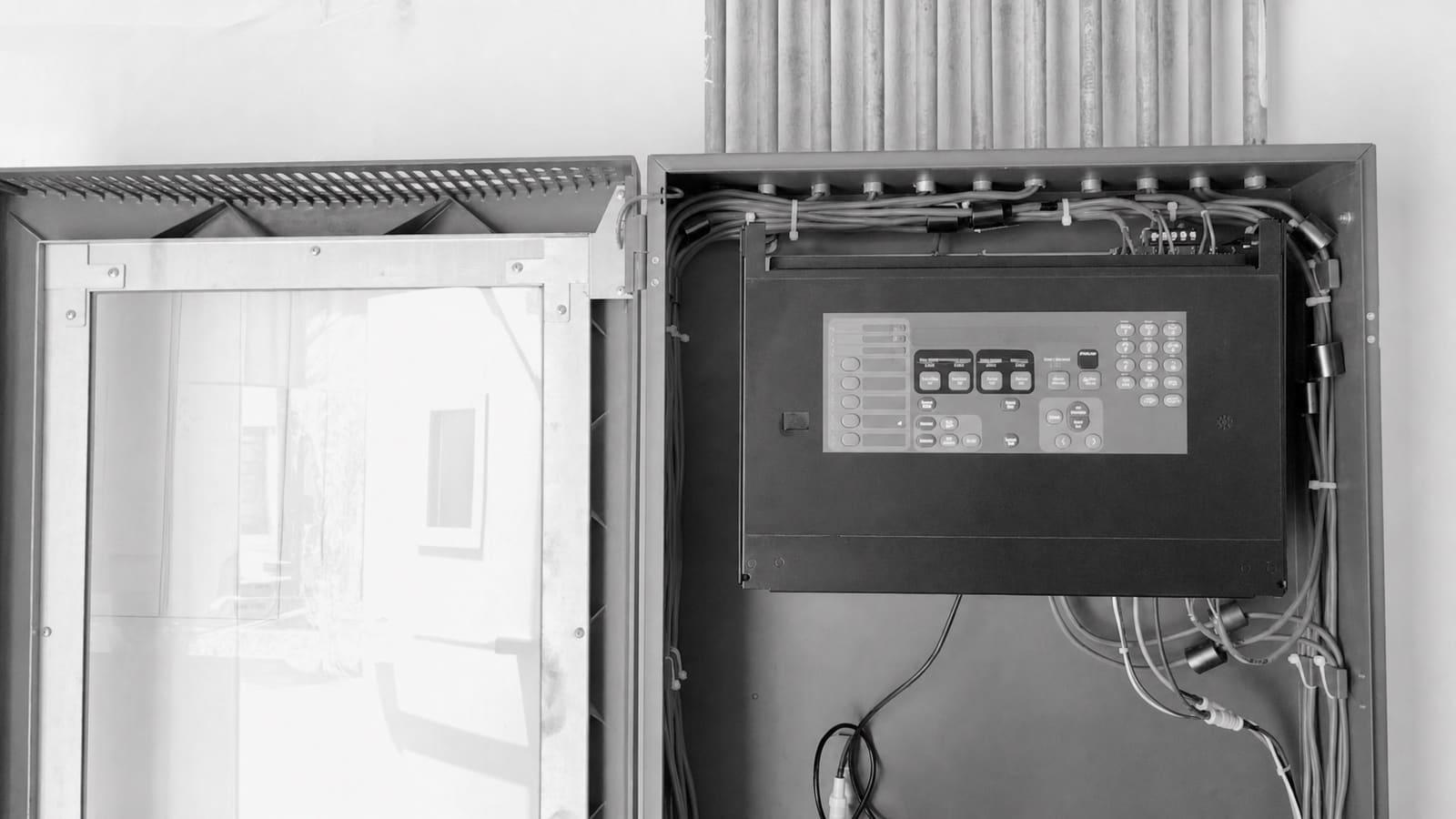
Annual functional testing of panels, devices, and notification. Licensed testers only, and the reports belong in your log book.
Sprinkler inspection and testing
NFPA 25
The quarterly-to-five-year ITM ladder: gauges, valves, main drains, flow tests, and internal pipe checks.
Exit signs and emergency lighting
NFPA 101
Monthly function checks and the annual 90-minute battery test. This is the failure everyone finds during an inspection.
Fire doors and dampers
ANNUAL
Door drop tests and damper cycling where the occupancy calls for them, documented with the rest.
Corrections from findings
PRICED FIRST
A failed item should come back as a priced correction, never a surprise invoice. Approve-then-fix is the standard to hold any provider to.
Behind on inspection dates?
Tell us the building and the last dates in the log. We'll pick the calendar up from wherever it stopped.
IN PRACTICE
How the compliance calendar works
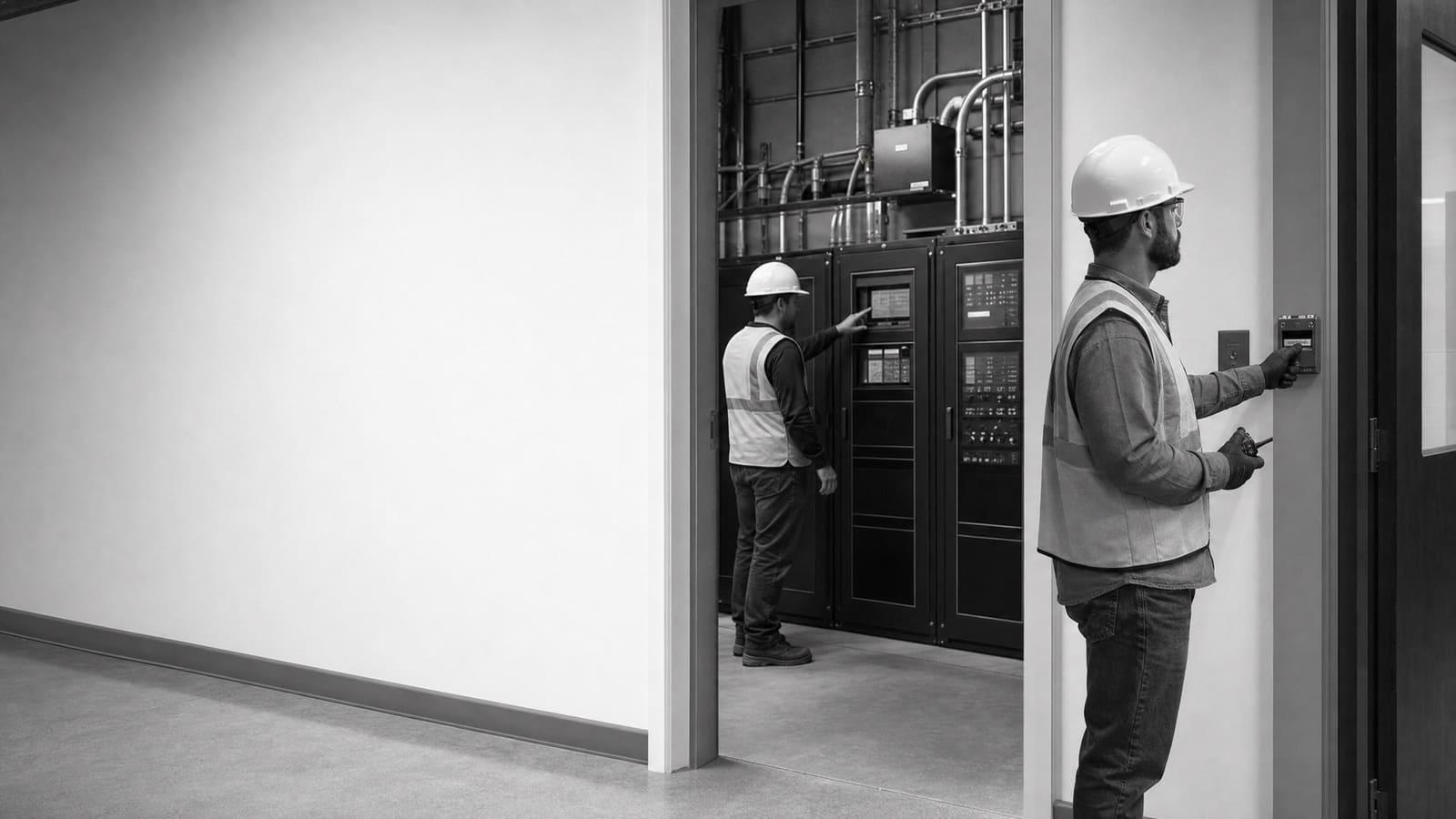
Every system in the building lands on one maintenance calendar with its own cadence. A well-run calendar schedules the visits, brings in licensed testers where the code requires them, and logs every tag and report the day the work happens. The two biggest rungs get their own pages: sprinkler inspections and fire alarm testing.
When something fails a test, the correction should arrive priced with the finding attached. Approved, fixed, re-tested: the loop closes in the same binder. When the fire marshal walks in, the book is current. That is most of what they came to see.
WORTH KNOWING FIRST
Five things owners get wrong about fire inspections
01
The log book is the inspection
Marshals read paperwork before they look at devices. A current, complete binder settles most of the visit before it starts.
02
Annual doesn't cover everything
Sprinklers alone carry quarterly, annual, and five-year requirements. One yearly visit was never the whole calendar.
03
Extinguishers age out on hidden clocks
Beyond the annual tag, extinguishers hit internal-maintenance and hydro test cycles at 6 and 12 years. Nobody remembers those without a system.
04
Emergency lights fail quietly
Batteries die in place with the fixture looking fine. The annual 90-minute test exists because the failure is invisible until an outage.
05
Corrections have deadlines
A violation notice starts a clock. Re-inspection windows are short, and missing them escalates fines instead of closing the file.
Already holding a violation notice?
Send the marshal's report with your request and get every correction priced to land inside the re-inspection window.
QUESTIONS
Straight answers.
Can you take over the whole compliance calendar?
That's exactly the request to make. Describe the building and the systems in it, and the whole calendar gets priced as one contract: catch-up work first, then the recurring dates.
What if the fire marshal already left a report?
Attach it to your request. Corrections price straight from the findings, and the work has to land inside the re-inspection window, so having the report actually speeds things up.
Who is allowed to test fire sprinklers and alarms?
Licensed fire protection contractors. Whoever does the testing, make sure the license number and the test reports land in your log book. The marshal will ask for both.
How often do commercial fire systems need inspection?
It varies by system: extinguishers get monthly visuals and annual service, fire alarms an annual functional test, and sprinklers a ladder that runs quarterly, annual, and five-year. One calendar covering all of them is the point of the service.
What happens if a building fails a fire inspection?
You get a violation notice with a re-inspection deadline. Fixing the findings inside that window usually closes the file without fines. Missing it invites escalating penalties, which is why the corrections get scheduled first.
GET STARTED
Get the calendar handled.
Tell us the building and what the log book says. Get the whole calendar priced, from catch-up work to the recurring dates.