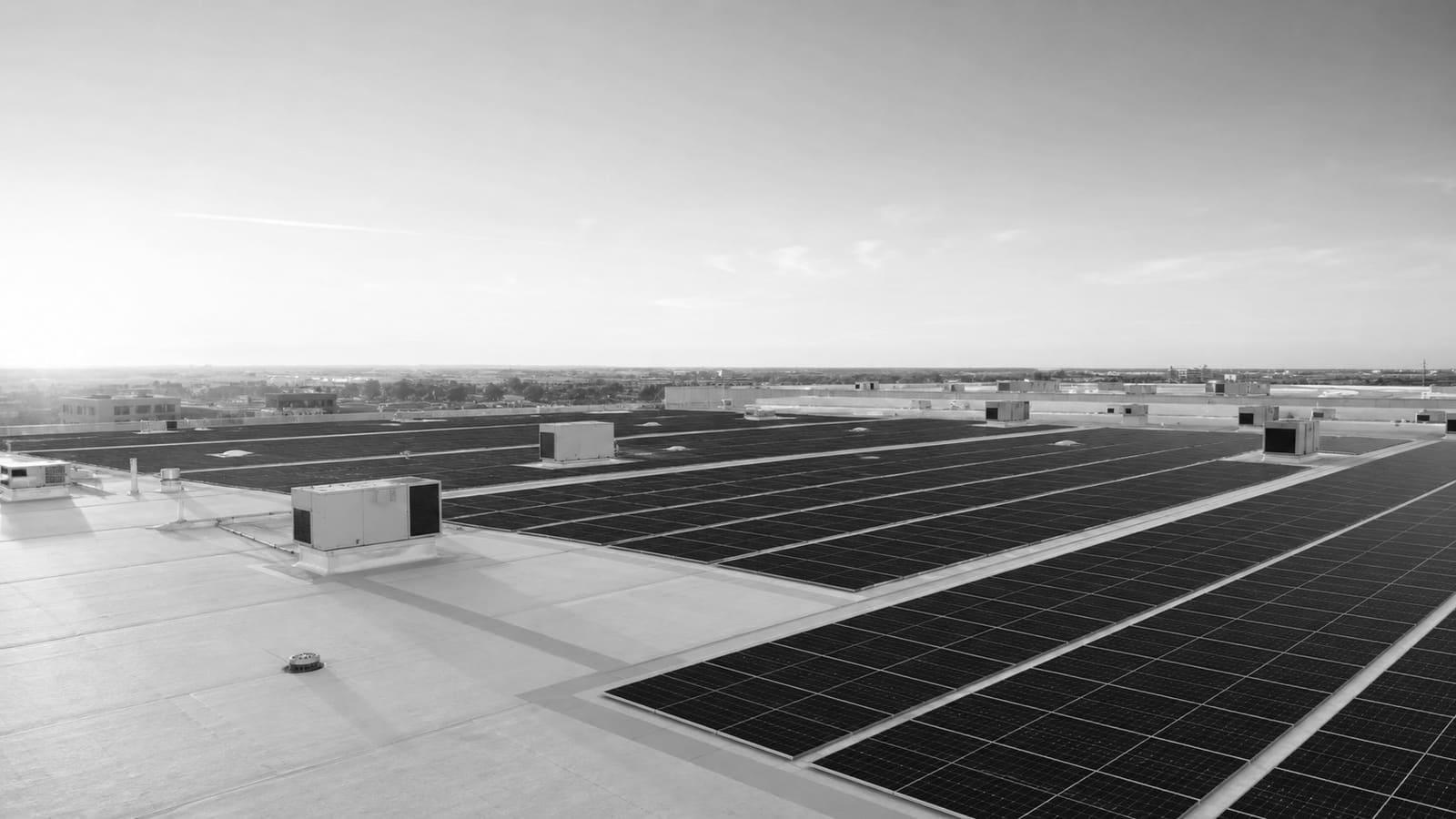
BOISE, ID · SOLAR
Commercial solar installation in Boise.
Commercial solar installation for Boise offices, warehouses, retail sites, and other commercial buildings.
Start with the building, not the panels.
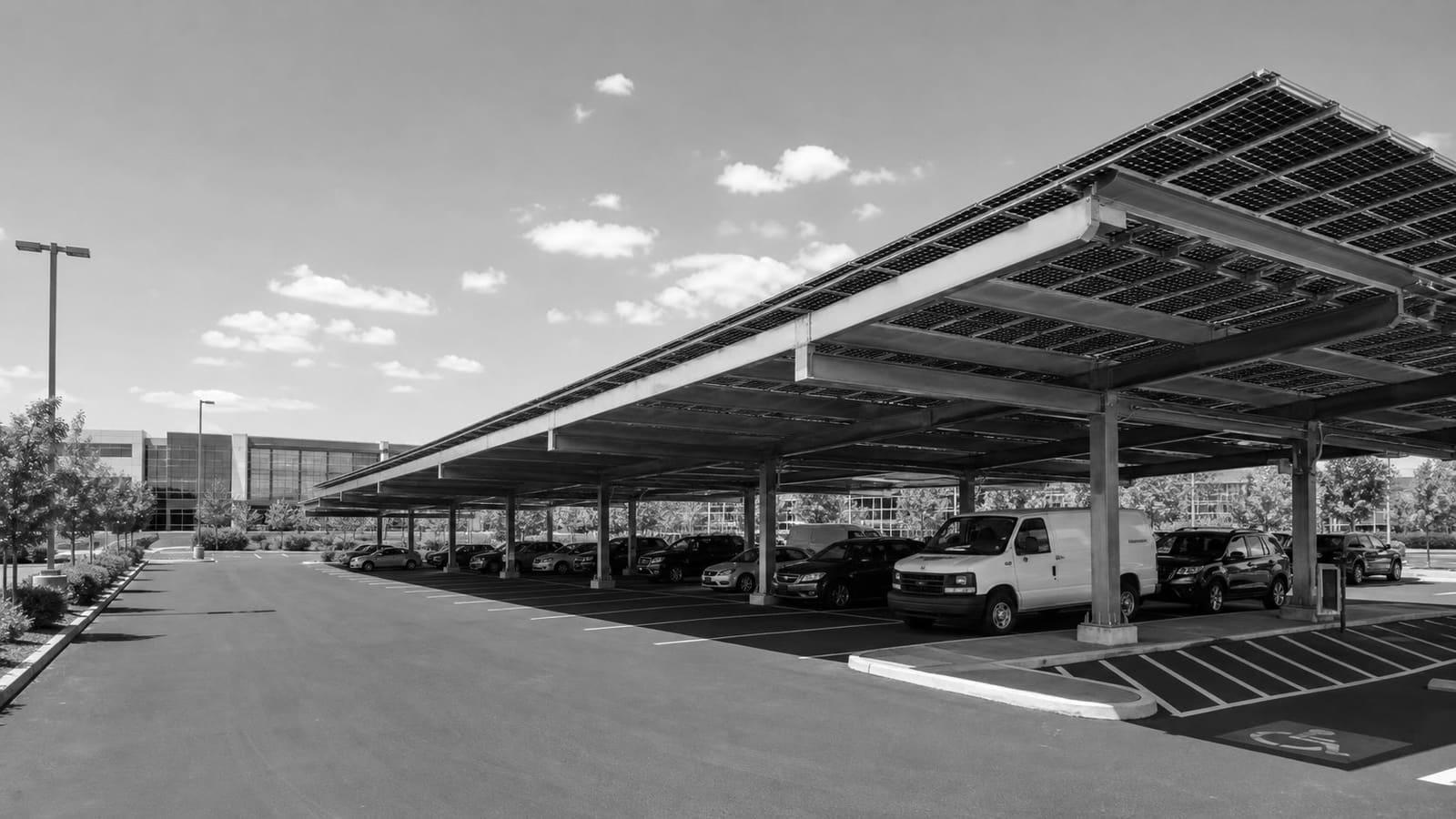
A commercial solar project has to fit the site, the roof, the electrical system, and the utility rules. We start with a solar feasibility study, then compare rooftop solar with solar carports where parking offers the stronger site.
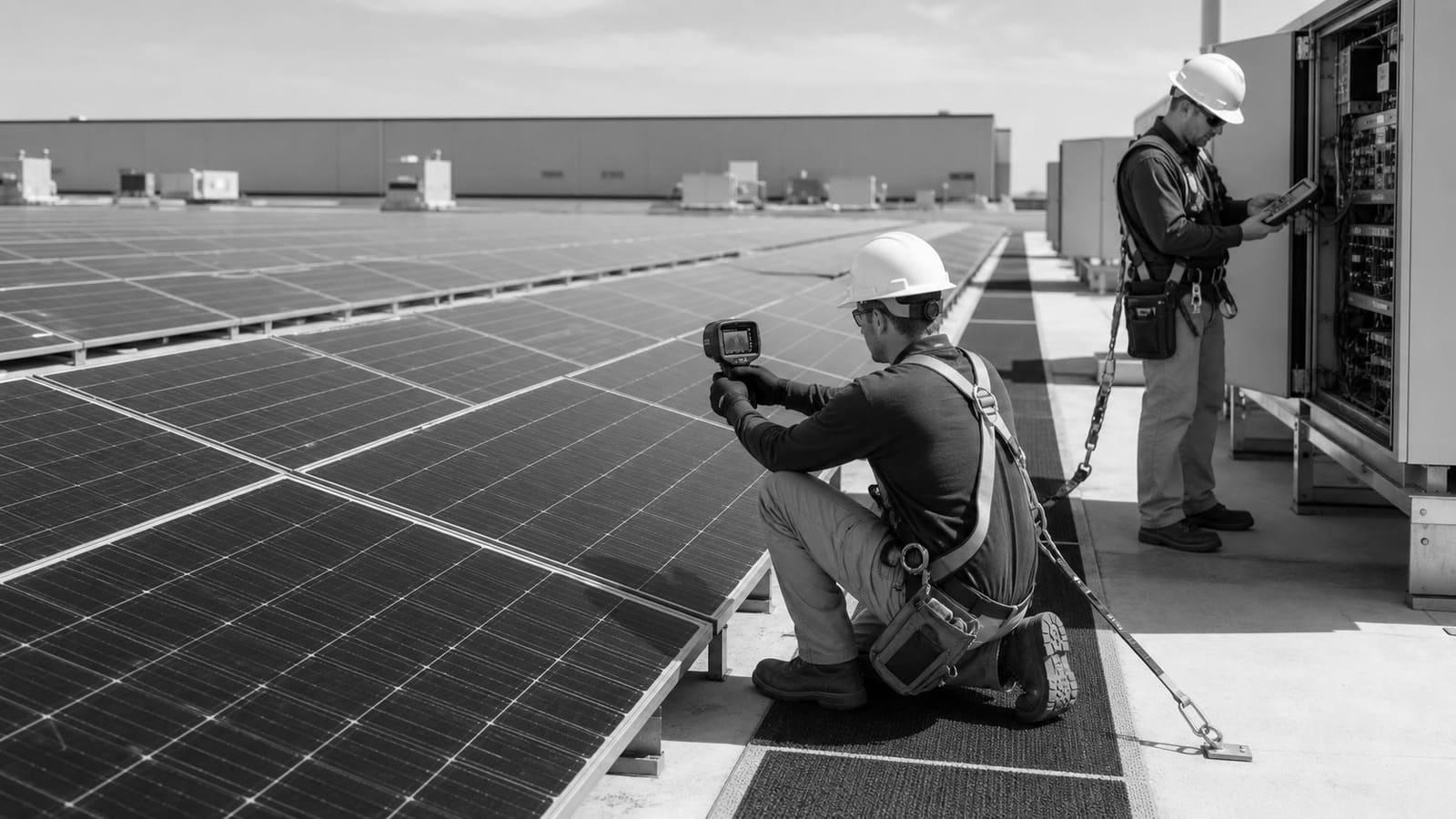
One team carries design, permits, utility interconnection, construction, commissioning, and solar maintenance. We also compare direct ownership with solar financing and PPAs, and add battery storage only when it has a clear job.
START HERE
What should Boise businesses know before installing solar?
Commercial solar installation in Boise should match the building, utility rules, permit path, and the company’s financial plan. We help commercial buyers compare rooftop PV with other site options and decide whether owning, leasing, or using a power purchase agreement fits the project. Panel angle also affects the design. A steeper angle can shed snow and hail better, but it adds wind load. A low angle can reduce wind load. A flush roof layout may improve appearance, even when it gives up some energy output.
Confirm the Boise permit path first
Boise lists the 2018 International Building Code among its adopted codes. That makes the building review a key early decision for a commercial solar project. We confirm which building conditions affect the proposed array before the layout is fixed. We also separate City of Boise rules from Boise County information. They are different jurisdictions, so using the wrong permit office can send the project down the wrong path.
Site fit checks
Commercial solar installation checks for Boise buildings
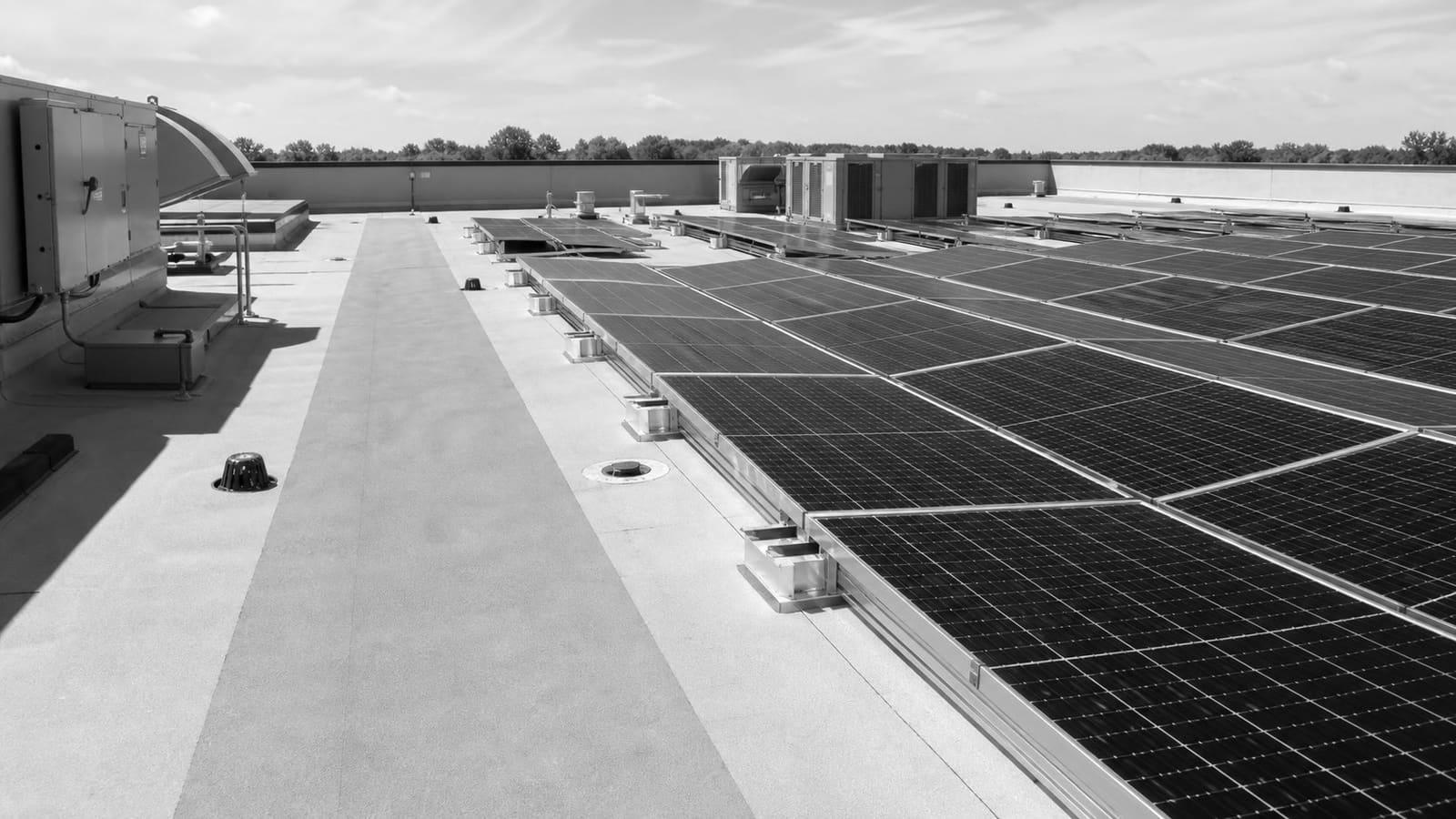
- Roof or ground location: This choice changes the array layout and the building work tied to the project.
- Panel tilt: A 15°–40° south-facing range can support strong production, while a steeper angle adds wind load and sheds snow or hail better.
- Flush mounting: This can lower wind load and improve appearance, but it may reduce output when the roof angle or direction is not ideal.
- Utility policy: Net metering and interconnection terms change the financial case and the path to connect the PV system.
WHAT WE HANDLE
Everything under the solar door.
PROJECT PLANNING
How Boise solar panel angle changes the design
- South-facing panels set between 15° and 40° can provide strong production in the continental United States.
- A lower tilt can reduce wind load and may improve solar production.
- A steeper tilt, up to 60°, can shed snow and hail more effectively.
- A steeper tilt also raises wind load, so snow shedding and wind exposure must be weighed together.
Buyer choices
Commercial solar installation decisions in Boise
Own, lease, or PPA
FINANCE
The ownership model changes who funds and controls the PV system. We compare ownership, lease, and power purchase agreement options before the project moves ahead.
Rooftop PV fit
LAYOUT
The roof type and preferred panel position change the mounting plan. A flush array may be a poor fit when energy output matters more than appearance or lower wind load.
Interconnection terms
UTILITY
The utility’s interconnection rules change how the system can connect. The project should not pass planning until those terms are clear.
Boise code review
PERMIT
The applicable City of Boise building review changes permit documents and design choices. The listed 2018 IBC is the code record to confirm for the site.
BEFORE YOU BUY
When a Boise commercial solar project should pause
Utility terms are unknown
NO PASS
Pause when net metering or interconnection terms are not clear. Those policies can change both connection plans and the financial case.
Ownership is not chosen
DECIDE
Pause when the buyer has not compared owning, leasing, and a power purchase agreement. That choice changes project control and financing.
Mounting tradeoff is unresolved
DESIGN
Pause when the team has not chosen between flush mounting and a tilted array. The choice changes wind load, appearance, and expected production.
Permit jurisdiction is unclear
VERIFY
Pause when the site has not been tied to the correct Boise jurisdiction. City and county permit information cannot be used as if it were the same.
QUESTIONS
Straight answers.
What solar system types can a Boise commercial building use?
Rooftop PV is one main option. The right location depends on the commercial site, mounting needs, and the planned array layout.
Should Boise commercial solar panels be mounted flush?
Flush panels may improve appearance and lower wind load. They may also give up production when the roof angle or direction is not ideal.
Does panel tilt matter for a Boise commercial building?
Yes. Lower angles can reduce wind load. Steeper angles can shed snow and hail better, but they place more wind load on the panels.
What should a Boise business decide before approving solar?
The buyer should settle the site, utility terms, permit jurisdiction, mounting approach, and whether to own, lease, or use a power purchase agreement.
GET STARTED
Tell us about the building.
Whatever the trade, we scope it, price it, and put the right crew on it. Site visits are free, always.