TALLAHASSEE, FL · SOLAR
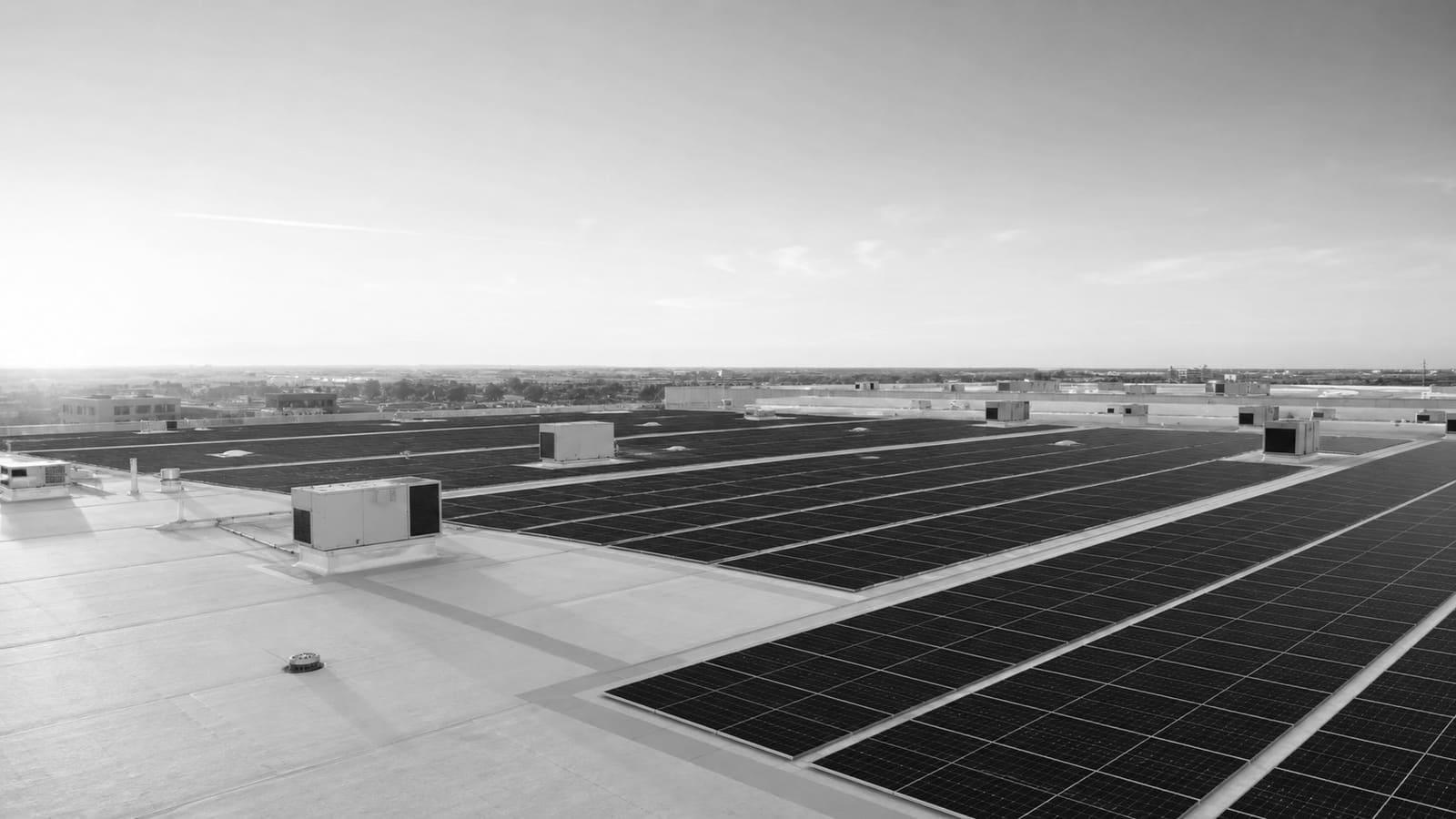
Commercial solar installation in Tallahassee.
Commercial solar installation in Tallahassee for offices, warehouses, retail sites, and other commercial buildings.
Start with the building, not the panels.
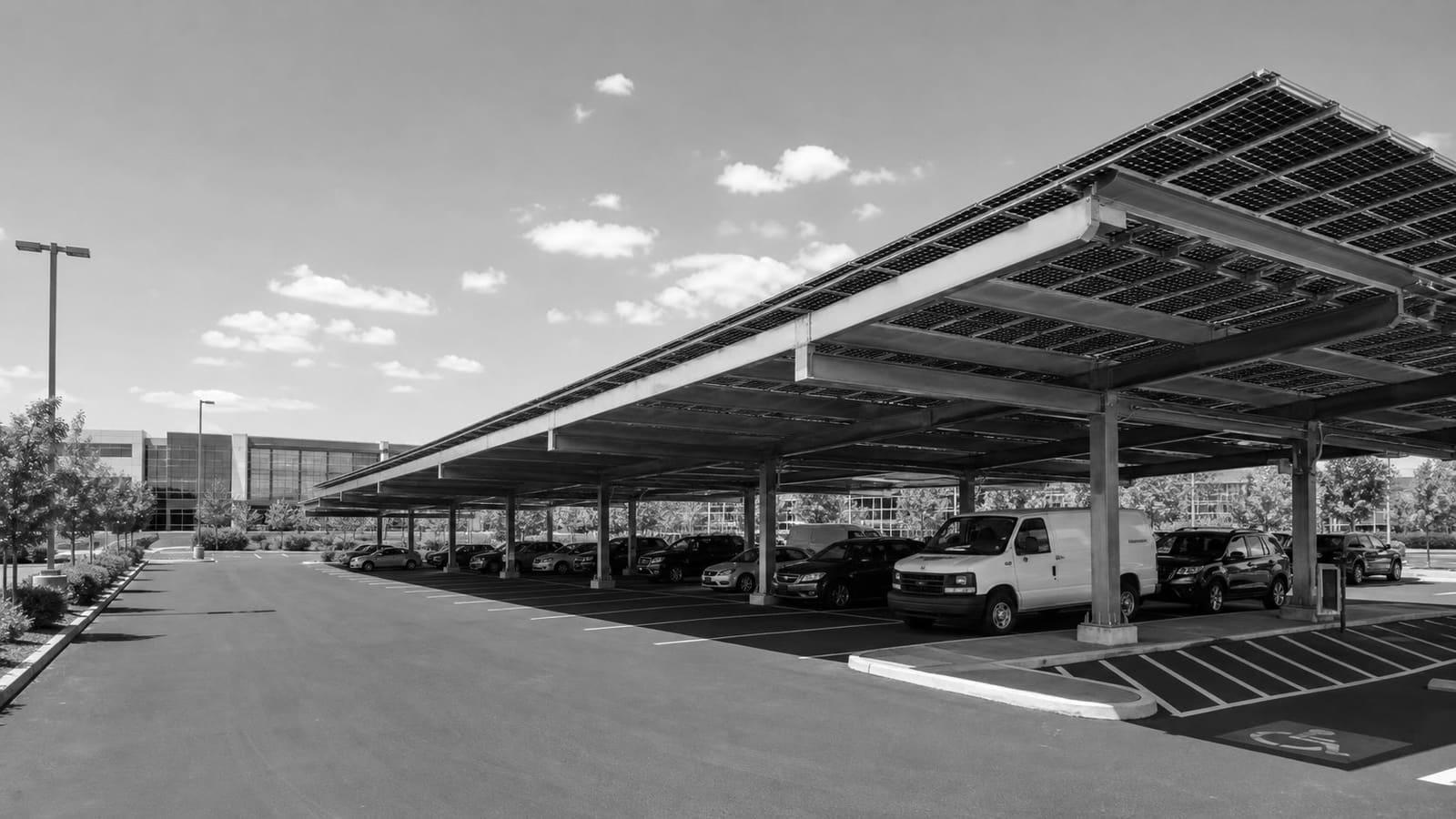
A commercial solar project has to fit the site, the roof, the electrical system, and the utility rules. We start with a solar feasibility study, then compare rooftop solar with solar carports where parking offers the stronger site.
One team carries design, permits, utility interconnection, construction, commissioning, and solar maintenance. We also compare direct ownership with solar financing and PPAs, and add battery storage only when it has a clear job.
START HERE
What should Tallahassee businesses expect from a solar project?
For Tallahassee commercial buildings, Commercial solar installation adds an on-site power system built around the facility’s roof, electric use, and permit path. Solar panels make direct current power. An inverter changes it into alternating current used by the building. We match the layout to usable space and building needs. A weak roof fit, blocked solar access, or an unclear approval path can make a proposed layout a poor fit. Those conditions must be resolved before equipment is ordered.
Confirm the local path before design is final
Tallahassee’s commercial permit process may depend on earlier land use, site plan, subdivision, or environmental approvals. We confirm which approvals apply before the solar layout is final. This can change panel placement, equipment locations, and the project schedule. Commercial City of Tallahassee utility customers are directed to call 850-891-4968 for program information. That call helps the buyer confirm which utility options apply before choosing financing or approving the system plan.
Site fit checks
How is Commercial solar installation sized in Tallahassee?
- Check the building’s electric use record; it sets the load profile used to compare system sizes.
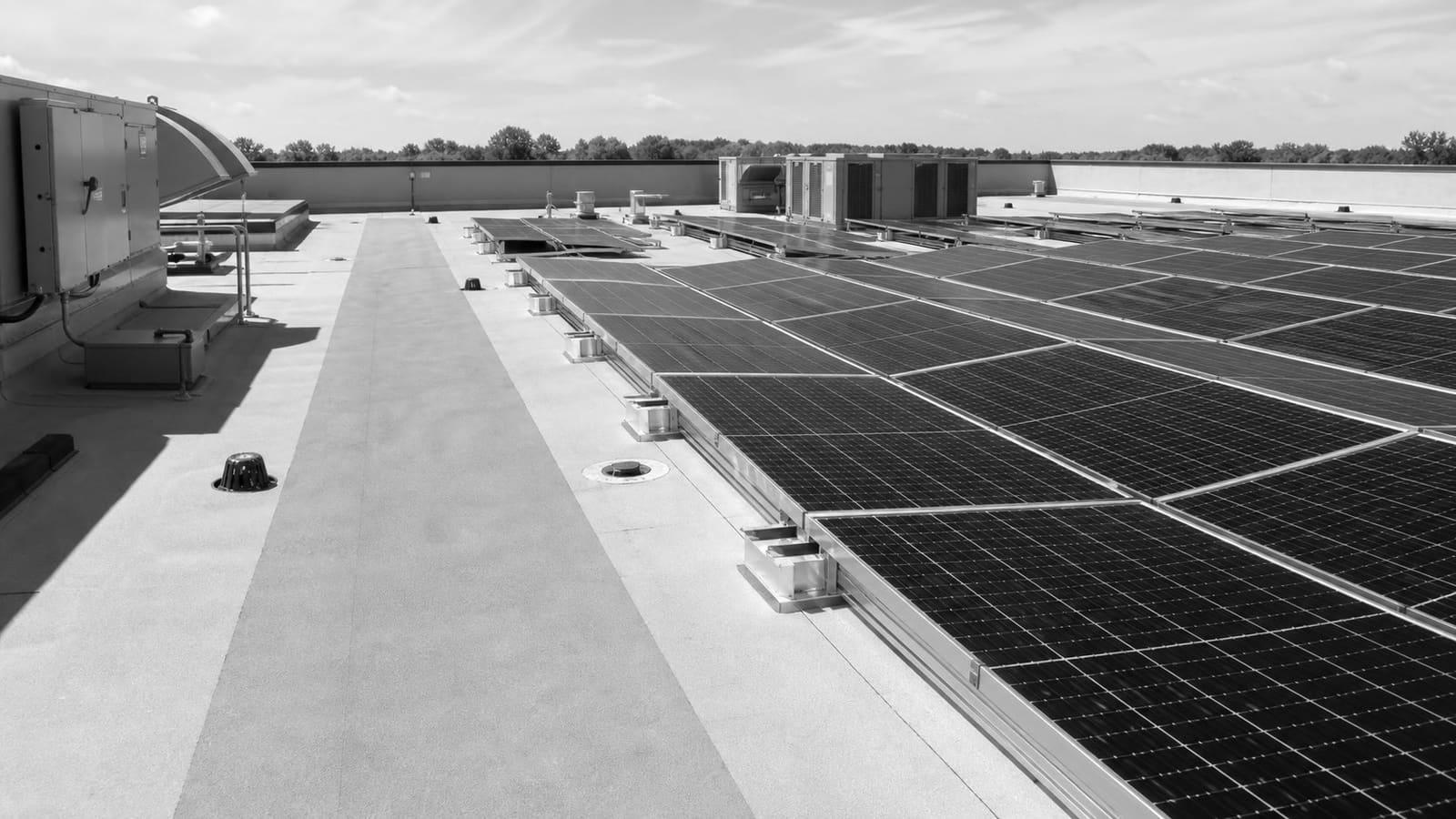
- Check clear roof or ground area; blocked space reduces the area available for panels.
- Check the roof condition and attachment plan; a roof that cannot support the proposed array fails the site-fit review.
- Choose rooftop or ground-mount equipment; available space and site limits change the array layout.
- Choose the inverter location; its path to the building electrical system changes cable routing and equipment placement.
PROJECT PLANNING
Which solar equipment choices matter for Tallahassee facilities?
Panel location
ARRAY
Choose roof or ground placement after measuring usable area. The choice changes mounting, cable routes, and site use.
Inverter plan
POWER
Name the inverter type and location on the design. That choice changes how direct current becomes building-ready alternating current.
Utility connection
UTILITY
Record the utility coordination steps before approval. The confirmed path changes closeout tasks and when the system can operate.
Monitoring setup
MONITOR
Name the monitoring equipment and data owner. This decides who can spot lost output after installation.
WHAT WE HANDLE
Everything under the solar door.
Approval path
What permits affect Commercial solar installation in Tallahassee?
Land use approval status
VERIFY
Confirm whether the site already has the needed land use approval. An open approval can delay the commercial permit application.
Approved site plan
SITE PLAN
Compare the solar layout with the approved site plan. A conflict can change ground equipment placement or require another review.
Environmental review status
SITE LIMIT
Check whether an environmental review applies to the site. Its result can change where ground-mounted equipment may go.
Building alteration scope
PERMIT
Ask Growth Management whether the planned roof or electrical changes follow the commercial alteration process. The answer sets the permit path.
BEFORE YOU BUY
What records should a Tallahassee solar buyer receive?
- Keep the final system layout; it shows panel, inverter, and electrical equipment locations.
- Keep approved permit documents; they prove which design passed local review.
- Keep equipment records; exact model details guide later repair and replacement choices.
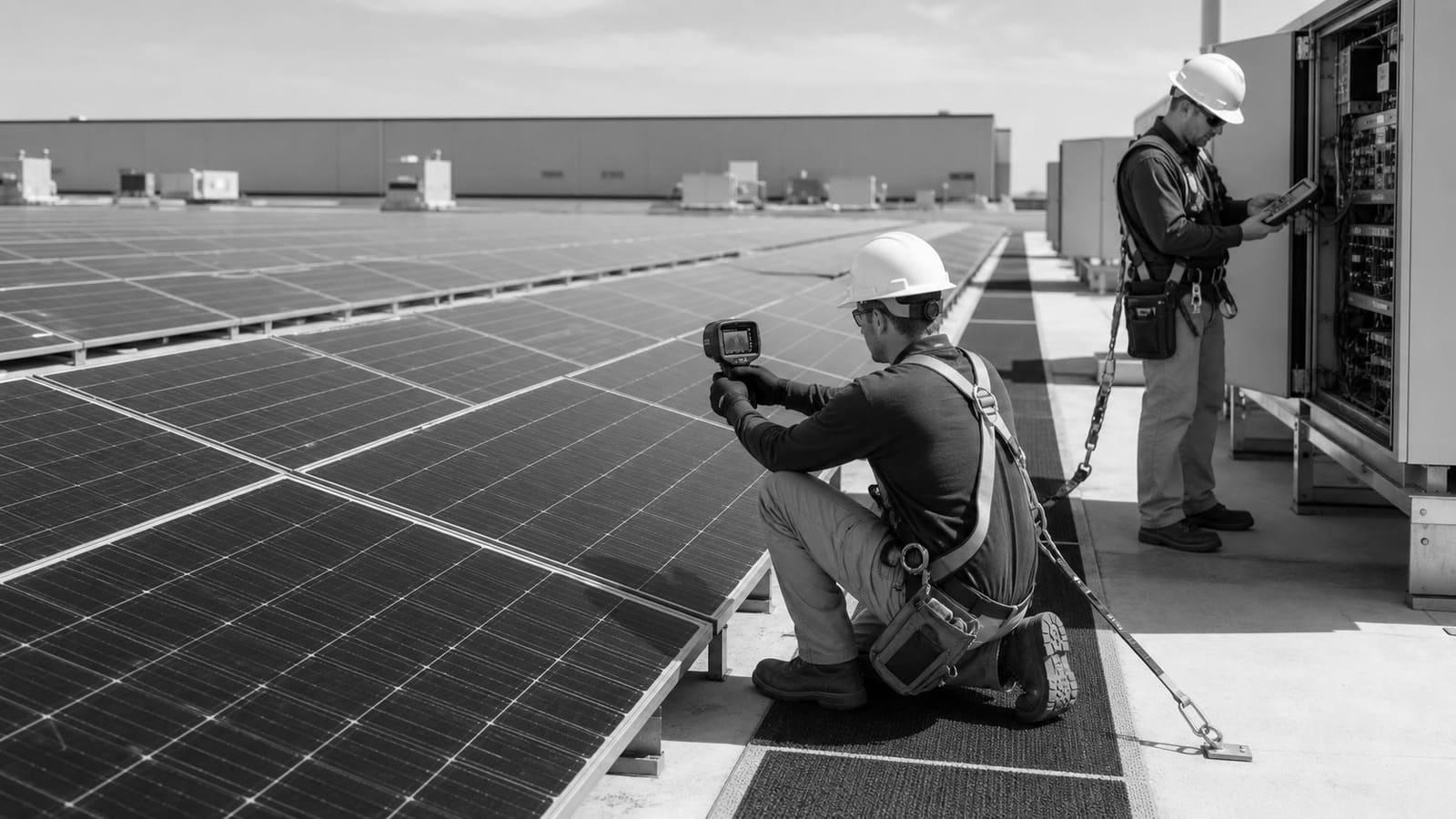
- Keep commissioning results; pass/fail checks show whether the installed system operated as designed at turnover.
- Keep monitoring access details; named users and login control decide who can review system output.
- Keep the installer’s quality record; the NREL guide describes its commercial installation practices as voluntary and provider self-certified.
ASKED IN TALLAHASSEE
Common questions about commercial solar installation in Tallahassee
How much does it cost to install commercial solar panels?
COST
Cost depends on system size, mounting type, roof or site conditions, inverter needs, electrical routing, and approvals. We define those items before pricing.
What is the best solar system for commercial use?
FIT
The best fit matches the building’s electric use, usable space, mounting conditions, and operating plan. No single panel layout fits every facility.
QUESTIONS
Straight answers.
Does Tallahassee have a commercial utility contact for solar questions?
Yes. The City directs commercial customers to call 850-891-4968 for program information. Confirm the options for the specific account before making a buying decision.
Can prior site approvals affect a Tallahassee solar project?
Yes. The city says commercial permits may rest on prior land use, site plan, subdivision, and environmental approvals. The applicable approvals can change placement and timing.
What makes a Tallahassee commercial roof a poor fit for solar panels?
A roof is a poor fit when its condition, usable area, or attachment limits cannot support the proposed array. That result calls for a smaller layout, another location, or no roof array.
What should happen before a Tallahassee solar system is accepted?
The buyer should receive final plans, permit records, equipment details, commissioning results, and monitoring access. Failed commissioning checks must be corrected before acceptance.
GET STARTED
Tell us about the building.
Whatever the trade, we scope it, price it, and put the right crew on it. Site visits are free, always.