DIRECT ANSWER
Commercial HVAC installation in San Jose.
A complete commercial HVAC installation covers load review, equipment selection, removal, rigging, curbs or pads, duct and piping connections, electrical work, controls, startup, testing, and staff handoff. Replacement is often more useful than another repair when an older unit cannot hold conditions, fails often, or keeps consuming maintenance funds without restoring reliable operation.
A site review must verify loads, equipment condition, electrical capacity, service access, physical clearances, ductwork, controls, and the needs of occupied areas.
FIRST DECISIONS
Choose the operating result before choosing equipment
Start with what the building must do each day. Comfort is only one part of the decision. Operating hours, ventilation, indoor loads, zoning, humidity needs, noise limits, and critical rooms can change the right system. A like-for-like replacement may shorten design and field work, but it can also repeat an old sizing or control problem. A higher-efficiency rooftop unit may lower energy use when the system runs many hours. A heat pump rooftop unit can provide both cooling and reverse-cycle heating, but the team must first review electrical capacity, physical space, climate fit, utility rates, and backup heat needs. Write these goals into the request for pricing. That gives each bidder the same target and makes the proposals easier to compare.
BUDGET DRIVERS
What changes a commercial HVAC installation price
There is no reliable universal installed price in the supplied research. Ask bidders to separate equipment, field work, allowances, and exclusions so the real cost drivers stay visible.
EQUIPMENT FIT
Compare systems by the job they must perform
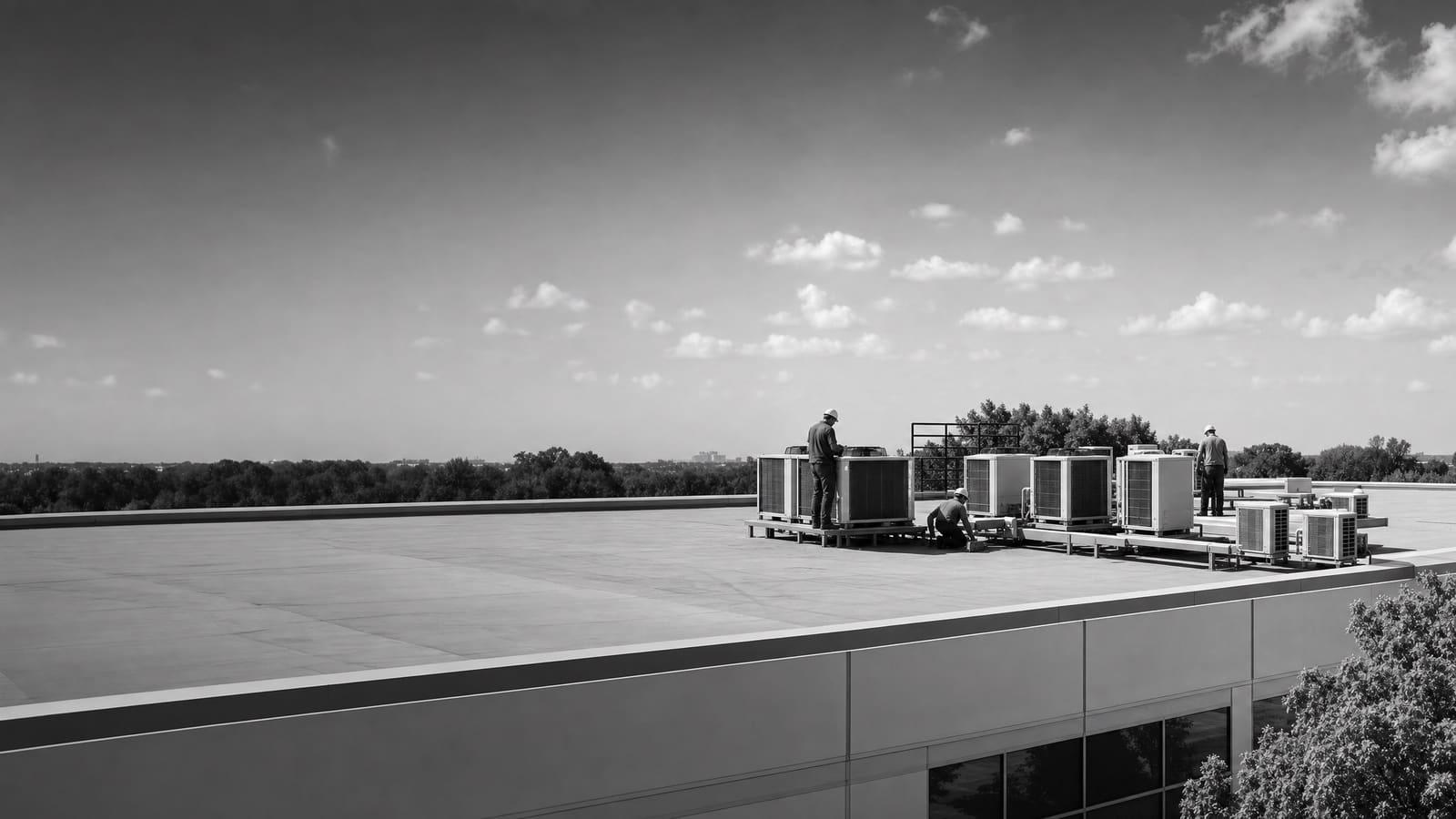
Packaged rooftop units combine major heating, cooling, and air-moving parts in one cabinet. They can be practical where roof structure, service clearances, curb conditions, and duct routes support them. A high-efficiency RTU may pair efficient compressors and fans with better controls. DOE field programs have shown that efficient rooftop equipment can produce meaningful energy savings, but the result depends on correct sizing, installation, controls, and operation.
Heat pump RTUs cool like standard air-conditioning units and reverse their cycle to provide heat. DOE guidance says the choice should consider geography, building type, equipment availability, electrical capacity, physical limits, gas infrastructure, contractor knowledge, utility costs, emissions goals, and incentives. An all-electric unit is not an automatic fit for every roof or electrical service. Dual-fuel equipment may preserve another heating source while adding heat-pump operation.
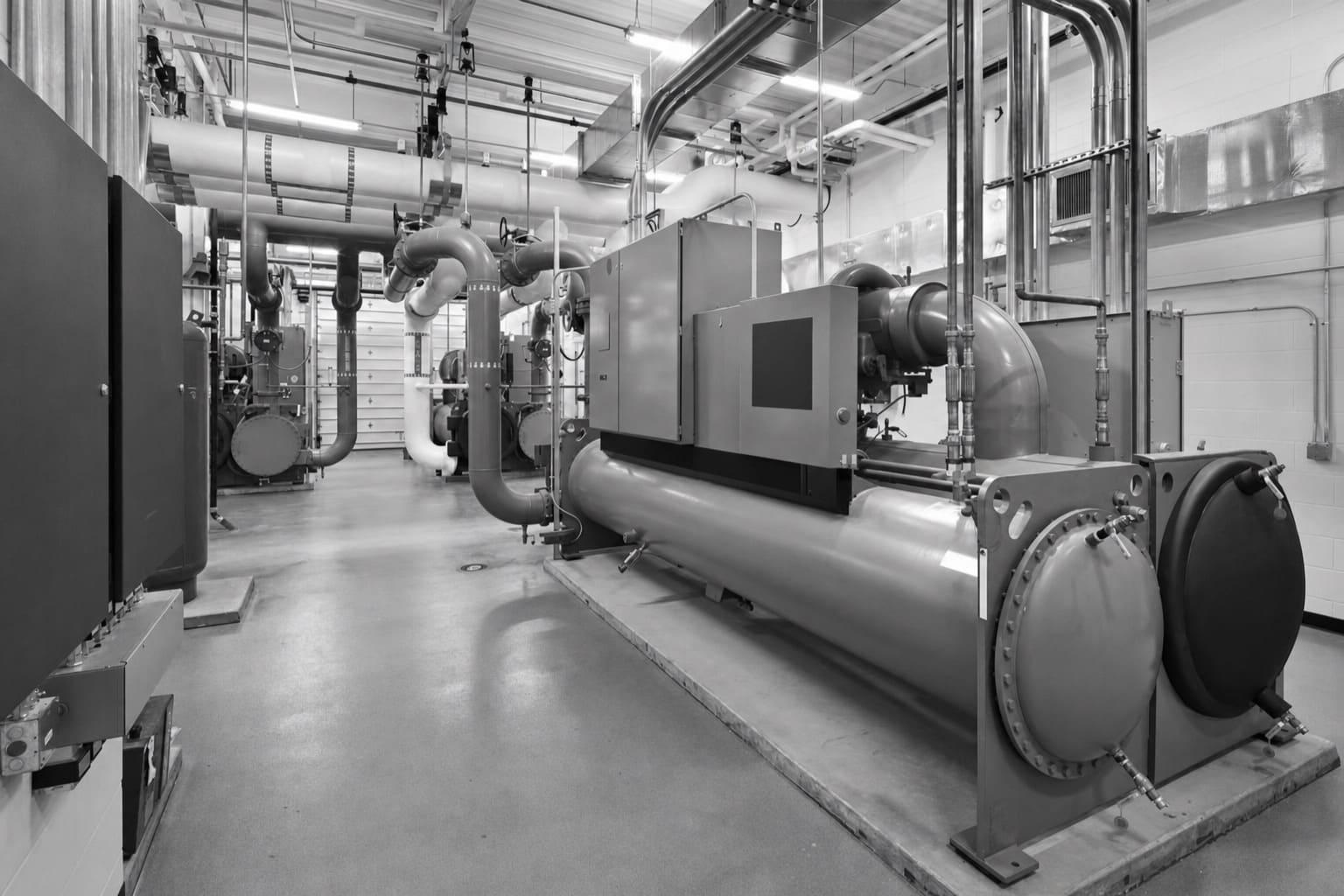
Split systems, larger central systems, and specialized equipment can make more sense when zoning, process loads, indoor equipment rooms, or architectural limits rule out a simple packaged replacement. If the project changes system type, use early design-build planning to connect equipment choices with structural, electrical, piping, controls, and ductwork needs.
COMPLEXITY CHECK
Know whether this is a swap or a building project
Two replacements with the same nominal equipment capacity can require very different work. The quote should reflect the field conditions, not just the model number.
LOWER COMPLEXITY
Compatible replacement
The curb, duct openings, utilities, controls, access, and operating schedule fit the new unit with limited changes. Existing conditions still need verification.
HIGHER COMPLEXITY
System conversion
Capacity, fuel, voltage, dimensions, controls, zoning, ductwork, structure, or equipment location changes. Design and trade coordination become core parts of the project.
SITE REVIEW
Inspect the building before fixing the scope
A useful site review starts with records and ends at the equipment. Gather model and serial information, service history, comfort complaints, control trends, utility data, operating schedules, and known space changes. Then inspect equipment condition, filters, coils, fans, heat exchangers, drains, refrigerant circuits, economizers, dampers, sensors, duct connections, piping, disconnects, panels, curbs, pads, and service clearances.
The review should also test the replacement assumptions. A unit that appears undersized may have a failed damper, dirty coil, weak airflow, bad sensor, or poor sequence. A unit that appears oversized may cycle because the zones or controls no longer match the space. Where use or loads have changed, complete a load review instead of copying the old nameplate.
Map the work path as carefully as the equipment. Confirm delivery space, crane position if needed, roof protection, ceiling access, shutdown windows, noise limits, security rules, and debris removal. If new sheet metal is required, define it with the sheet-metal scope before bids are compared.
Ask for documented existing conditions
Photos, equipment data, measured findings, access notes, and stated assumptions help prevent an attractive base price from becoming a long list of change orders.
OWNERSHIP VIEW
Balance reliability today with operating needs tomorrow
The lowest first price can be reasonable when a building has a short holding period or light operating schedule. For long ownership, compare maintenance access, filter and belt service, controls support, efficiency at expected loads, warranty terms, replacement parts, and staff training. Older RTUs deserve extra scrutiny: DOE guidance notes that units over 15 years old can waste substantial energy and money compared with newer models, while frequent maintenance or inadequate conditioning can support proactive replacement.
Do not treat estimated savings as a promise. Ask for the assumptions behind runtime, loads, utility rates, control sequences, and maintenance. Incentives are also time-sensitive. The supplied San Jose business program required installation by the end of 2024, so it is expired historical context in August 2026 and should not be placed in a current budget.
RELIABILITY
Reduce failure exposure
Plan replacement before a critical unit fails when poor performance, repeated service, or limited equipment availability threatens operations.
LIFETIME VALUE
Compare more than efficiency
Review energy, maintenance, controls, service access, warranty, staff needs, useful life assumptions, and the cost of disruption.
PROJECT DELIVERY
Build a sequence that protects daily operations
A commercial HVAC installation usually moves through discovery, design or scope confirmation, equipment selection, procurement, field preparation, shutdown, removal, installation, startup, testing, correction, and handoff. Put an owner decision date beside each stage. Late choices about controls, finishes, electrical work, or equipment options can affect procurement and crew sequencing.
For an occupied building, divide the work by unit, floor, zone, or operating window. Identify which spaces can lose conditioning, for how long, and under what weather or business limits. State whether temporary conditioning is required. Coordinate noisy work, ceiling access, alarms, security, dust control, and delivery routes with the facility contact. If one unit serves several areas, explain how occupants will be supported during the outage.
Procurement should track approved equipment, alternates, expected availability, storage, delivery conditions, and return limits. Do not remove working equipment until the replacement and key accessories are confirmed. For projects that combine several mechanical trades, a coordinated mechanical construction plan can keep duct, piping, controls, power, structure, and startup responsibilities connected.
STARTUP AND HANDOFF
Require proof that the installed system works
Installation is not complete when the equipment starts. The contractor should verify power, rotation, refrigerant condition, drains, gas or heating operation where present, filters, belts, dampers, economizer action, safeties, sensors, airflow, temperatures, control commands, alarms, and communication with the building system. Required checks vary by equipment, so the final plan should follow the approved product and project documents.
Ask for deficiencies to be listed, assigned, corrected, and closed. Air balance should show whether intended airflow reaches the system and occupied zones. Controls testing should confirm schedules, setpoints, occupied and unoccupied modes, staging, heating and cooling changeover, alarm behavior, and any remote access promised in the quote.
The handoff package should include approved submittals, equipment data, warranties, startup records, test and balance reports when included, control information, final sequences, maintenance instructions, and training notes. EPA rules govern refrigerant handling and recycling for stationary air-conditioning and heat-pump equipment. The proposal should identify who recovers existing refrigerant, records the work, and manages removed equipment.
QUOTE CHECKLIST
Five items every comparable quote should show
Give every bidder the same performance goals and site information. Then check these five items before comparing totals.
01
Equipment schedule
Manufacturer, model, capacity, efficiency, heating type, voltage, options, warranty, and approved alternates.
02
Included field work
Removal, rigging, curbs, pads, ductwork, piping, insulation, power, controls, drains, protection, and cleanup.
03
Testing and handoff
Startup, balancing, controls tests, deficiency closeout, training, records, manuals, and warranty delivery.
04
Schedule and operating plan
Procurement assumptions, work hours, shutdowns, phasing, temporary service, access, storage, and owner decisions.
05
Exclusions and allowances
Permits, design, structural work, hazardous materials, hidden conditions, repairs, taxes, escalation, and change-order rates.
Keep planning locally
Related mechanical pages in San Jose
Get a defensible number
Price the equipment and the building together.
Send the address, operating target, and target opening date. Flux will identify what must be verified before the project can be priced.
Get a free estimateQuestions
Straight answers.
When should a commercial rooftop unit be replaced instead of repaired?
Replacement deserves a full review when an older unit cannot maintain conditions, fails often, needs repeated major repairs, or no longer fits the building load. DOE guidance notes that RTUs over 15 years old can waste substantial energy and money compared with newer models. Age alone is not the decision. Compare condition, repair history, remaining service life, energy use, equipment availability, and the operational cost of failure.
What should a commercial HVAC installation include?
The scope should address equipment selection, removal, refrigerant recovery, delivery, rigging, curbs or pads, duct transitions, piping, drains, electrical connections, controls, insulation, weather sealing, startup, testing, balancing when required, cleanup, training, and closeout records. It should also state exclusions and identify work assigned to the owner or another trade.
Should we choose a standard RTU or a heat pump RTU?
Choose after reviewing loads, heating needs, electrical capacity, physical space, existing gas service, operating hours, utility rates, emissions goals, controls, and available equipment. Heat pump RTUs provide cooling and reverse-cycle heating. All-electric, dual-fuel, and cold-climate configurations solve different problems. A model number should follow the building review, not lead it.
Can HVAC installation happen while the building remains open?
Often, yes, if the project is phased around zones, work hours, access, noise, safety, and shutdown limits. The plan should name affected spaces, outage length, temporary-conditioning needs, delivery routes, ceiling access, and the person authorized to make field decisions. Some work may still require a planned closure or restricted area.
How can owners compare commercial HVAC bids fairly?
Issue the same equipment criteria, operating goals, site notes, and scope form to every bidder. Compare model details, field work, controls, electrical work, testing, schedule, warranty, allowances, and exclusions line by line. Clarify qualifications before award. A low bid that omits rigging, duct transitions, control integration, or startup is not directly comparable.
Are San Jose HVAC incentives included in the project budget?
Only include an incentive after current eligibility, funding, equipment rules, application timing, and approval are verified. The supplied San Jose Energy Efficient Business Program terms covered equipment installed through December 31, 2024. That offer is expired historical context as of August 2026 and should not be represented as currently available.
What records should we receive after installation?
Request approved submittals, model and serial records, warranties, startup forms, refrigerant records, test and balance reports when included, control sequences, setpoints, alarm information, training notes, maintenance instructions, and a final deficiency list showing closure. Keep these records with the building so future service teams can work from verified information.
Sources used for this guide
- [1]betterbuildingssolutioncenter.energy.gov — DOE Advanced Rooftop Unit Replacement Guidance
- [2]betterbuildingssolutioncenter.energy.gov — DOE Commercial Heat Pump Rooftop Unit Replacement Guidance
- [3]betterbuildingssolutioncenter.energy.gov — DOE High-Efficiency Commercial Rooftop Unit Toolkit
- [4]energy.gov — DOE Efficient Commercial Rooftop Air Conditioner Program
- [5]epa.gov — EPA Stationary HVAC Refrigerant Management