FACILITY ROBOTICS
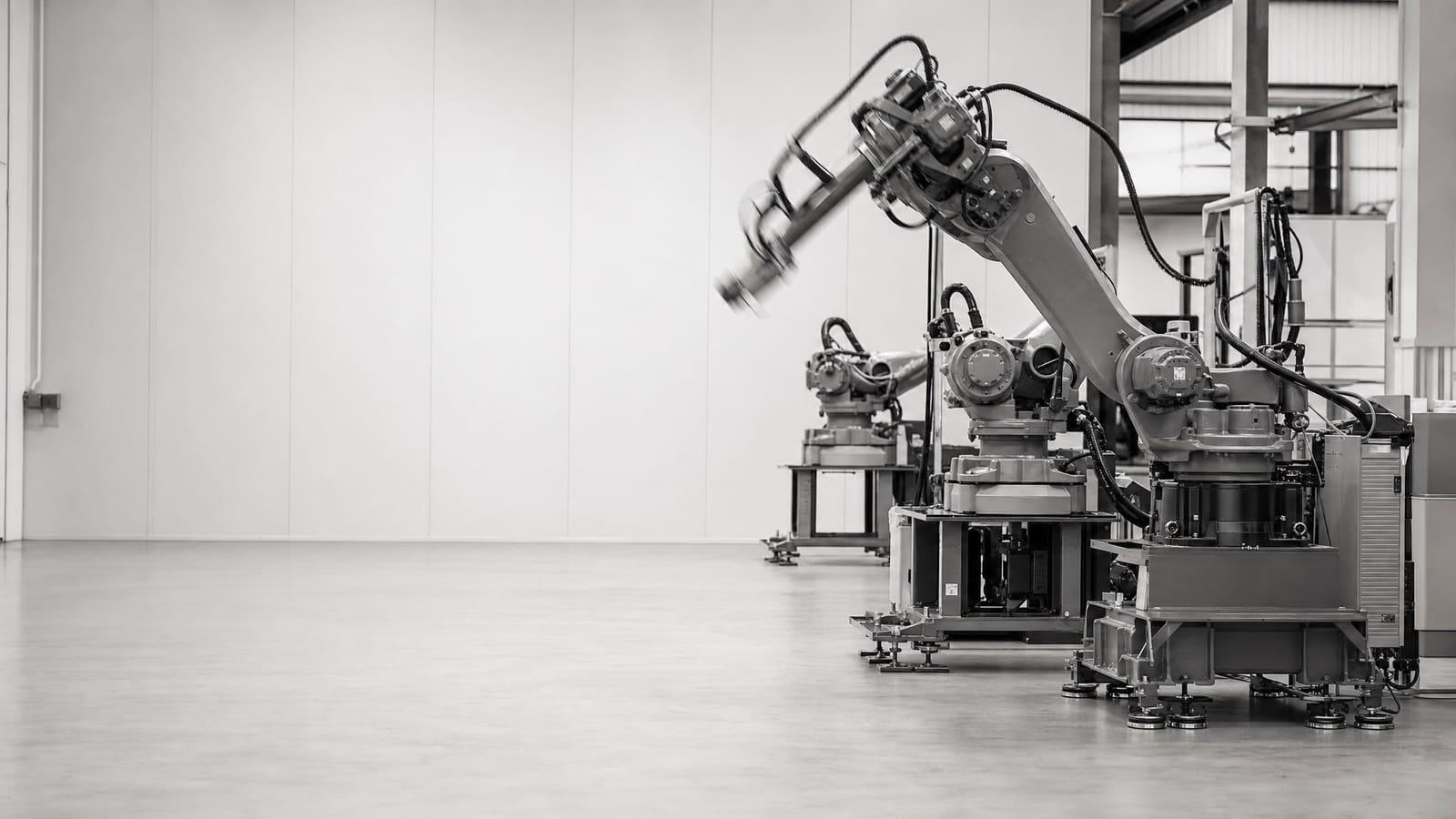
Refurbished industrial robots.
Inspected, rebuilt robot arms from the major brands, at a fraction of new pricing and without the lead time.
THE SHORT VERSION
What refurbished industrial robots offer
Refurbished industrial robots cut the hardware line roughly in half: a six-axis arm that lists new at $50,000-80,000 commonly sells refurbished around half that, with the same reach and payload doing the same work.
The honest picture includes the rest: refurbished units carry shorter warranties, possible near-term repairs, and sometimes older controllers that complicate modern integration. For the right application, tolerant of a previous-generation controller, backed by a reseller who actually rebuilt the unit, refurbished is the smart money. For the wrong one, the discount leaks away in integration hours.
WHAT TO VERIFY
What to check on a refurbished robot
- Hours and duty history: low-hour arms age very differently
- What was actually replaced in the refurbishment
- Controller generation and the protocols it speaks
- Warranty terms: length and what's covered
- Parts availability for that model's remaining life
- Who supports it after the sale, in writing
THE REAL MATH
New vs refurbished robot cost comparison
The sticker gap is real: roughly $50,000 new versus half for refurbished on a typical arm. The first-year gap is smaller: refurbished units budget $3,000-8,000 in potential repairs and carry thinner warranties, landing the true first-year cost closer than the sticker suggests.
Still a real saving, when the controller fits your integration. When it doesn't, hours spent making an old controller speak to modern equipment erase the discount fast.
WHERE IT FITS
Best applications for refurbished arms
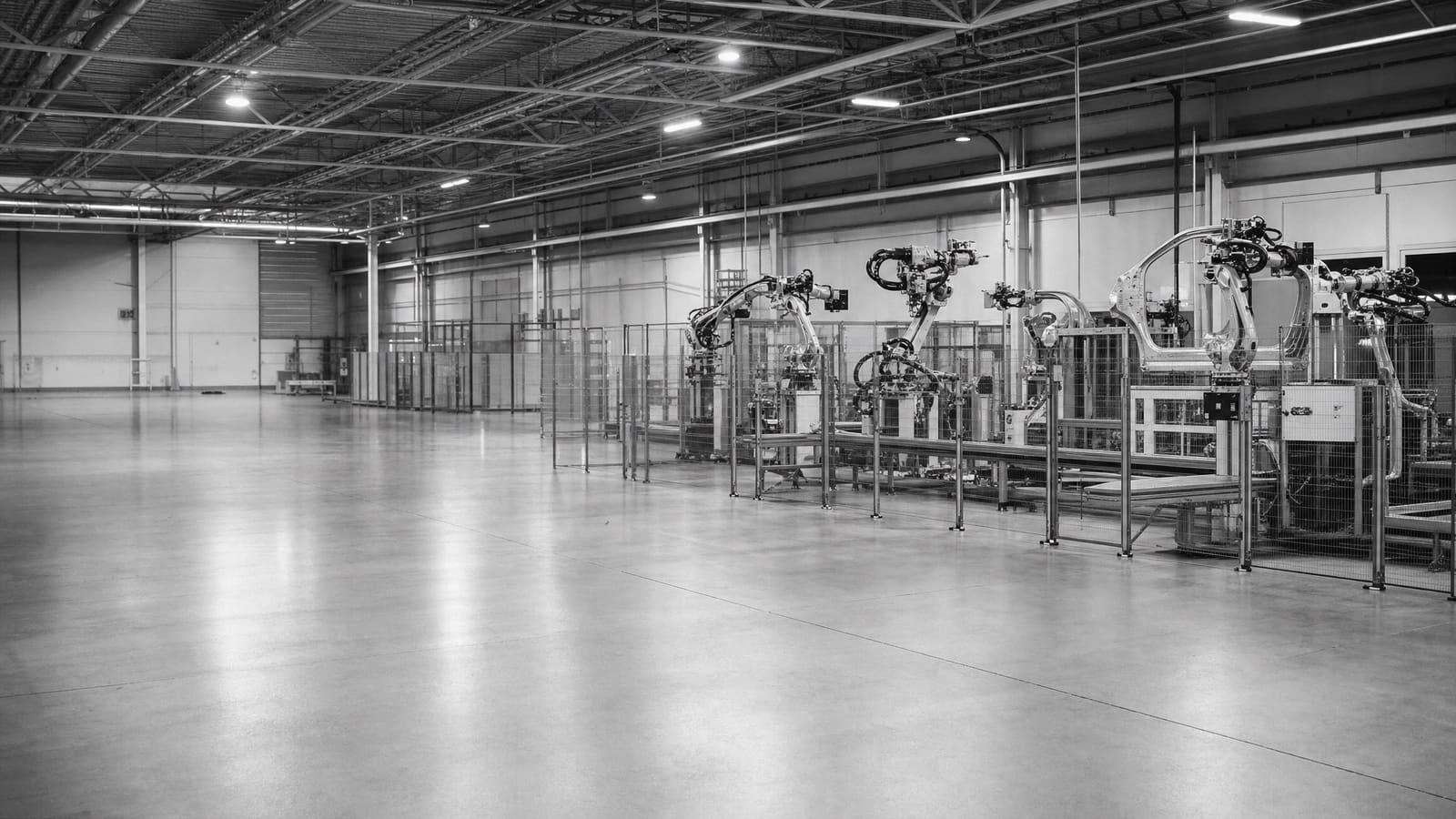
Straightforward, well-understood tasks: machine tending, palletizing, and material handling, where a proven previous-generation platform does everything needed and controller sophistication doesn't matter.
Cutting-edge cells with tight modern-protocol integration lean new. The task decides, which is why the recommendation should come after hearing it, not before.
Automation budget tighter than the ambition?
That's the refurbished conversation. Describe the task and see both numbers honestly.
QUESTIONS
Straight answers.
How much does a refurbished robot save?
Roughly half off the arm's new price, with a typical new six-axis at $50,000-80,000. Budget some of the saving for potential repairs and integration; the honest comparison is first-year cost, not sticker.
What's the catch with refurbished?
Warranty and controller age. Shorter coverage means repair risk sits with you sooner, and older controllers may not speak modern protocols, which turns integration into the hidden cost.
Remember the arm is only part of the cell?
Exactly: tooling, fencing, programming, and conveyance make the full system, often exceeding the arm itself. Saving on the arm helps most when the rest of the cell is simple.
Do refurbished robots come with support?
They should, and it's the difference between resellers. Verify parts access, service terms, and who answers the phone in year two before the discount decides anything.
GET STARTED
Buy the arm, not the hype.
Describe the task and the budget. New and refurbished options come back side by side, with the honest trade-offs.