COLUMBUS, GA · SOLAR
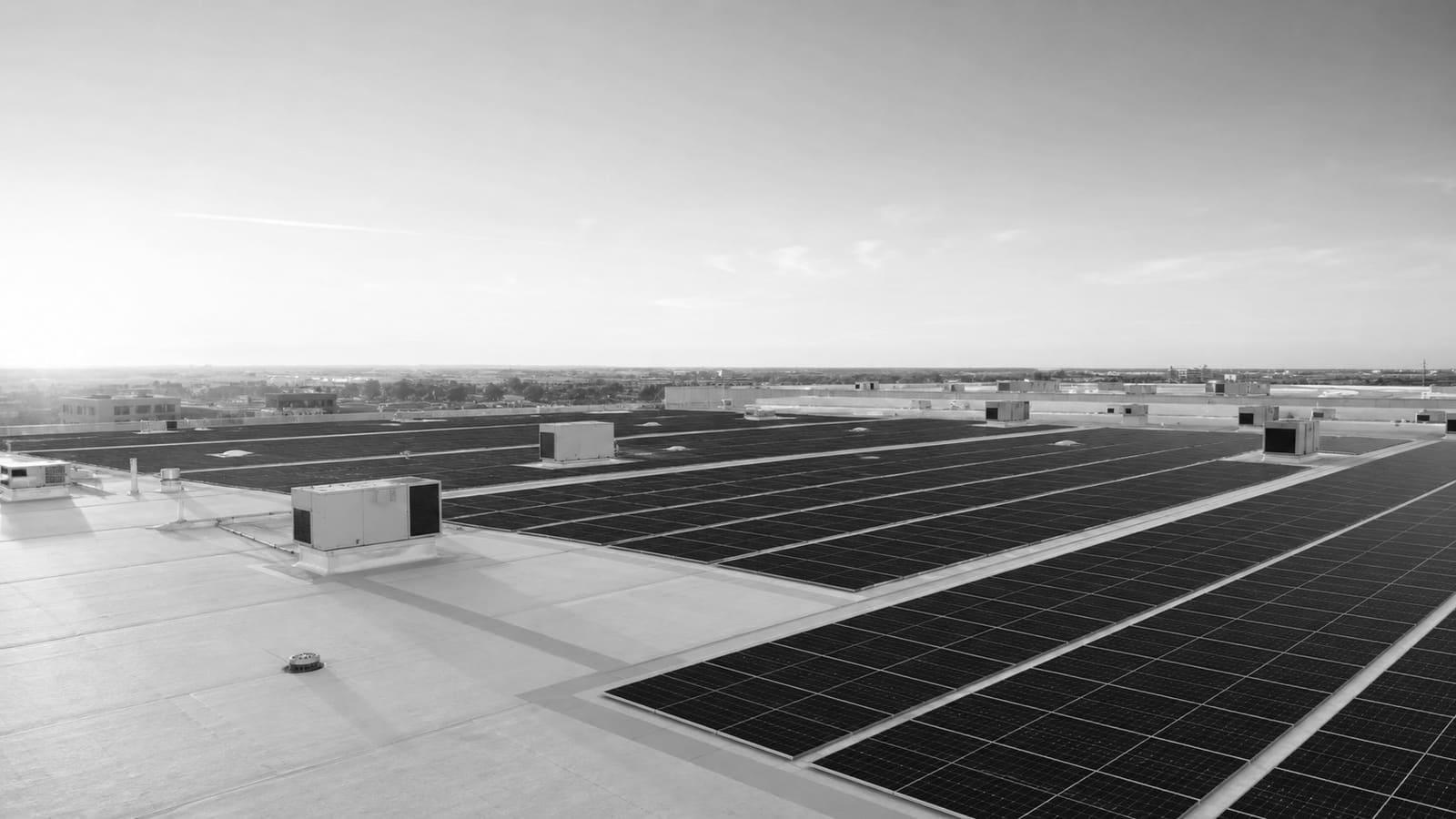
Commercial solar installation in Columbus.
We plan and install solar systems for commercial buildings in Columbus, GA, based on power use, site space, ownership, permits, and utility rules.
Start with the building, not the panels.
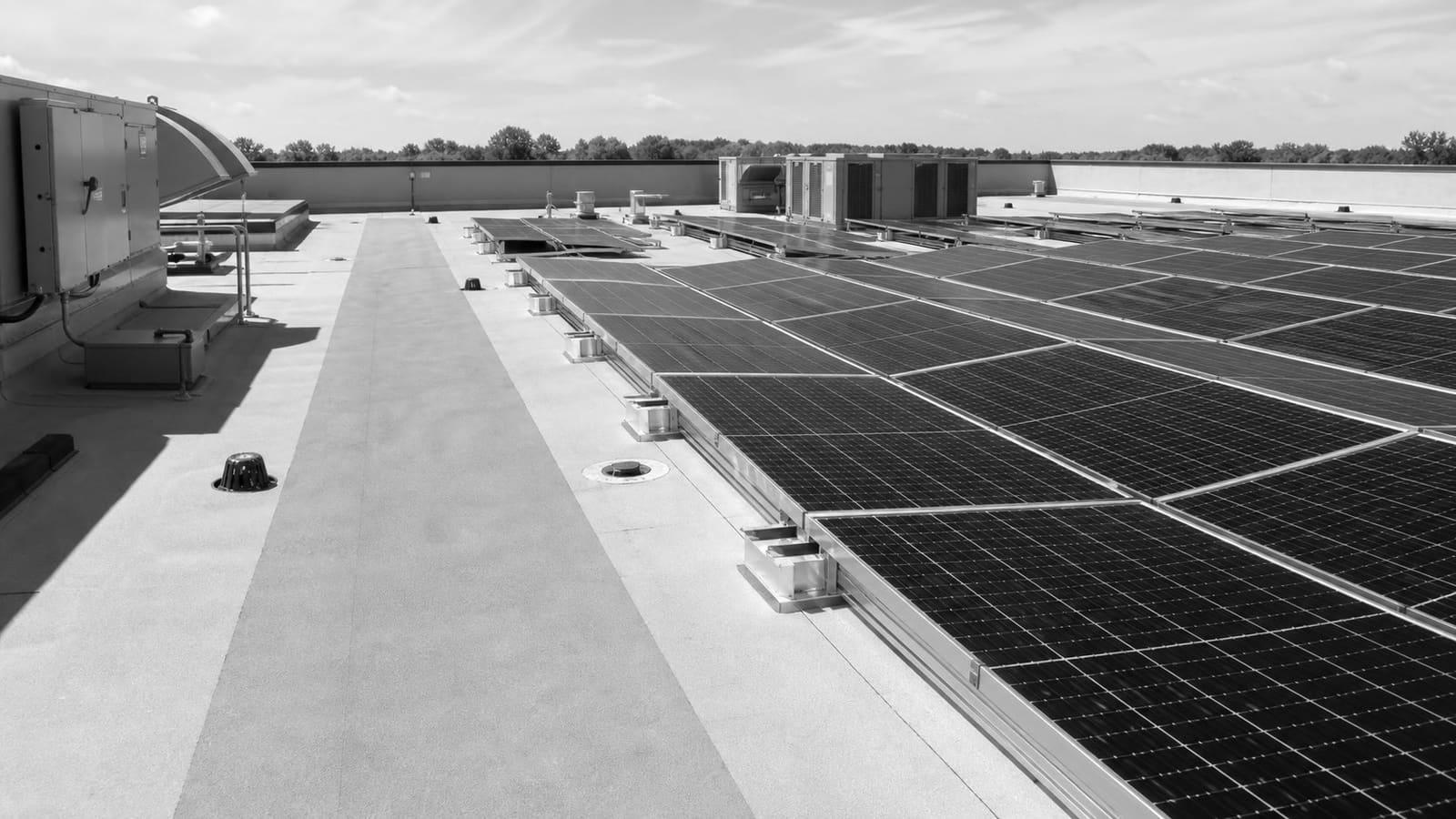
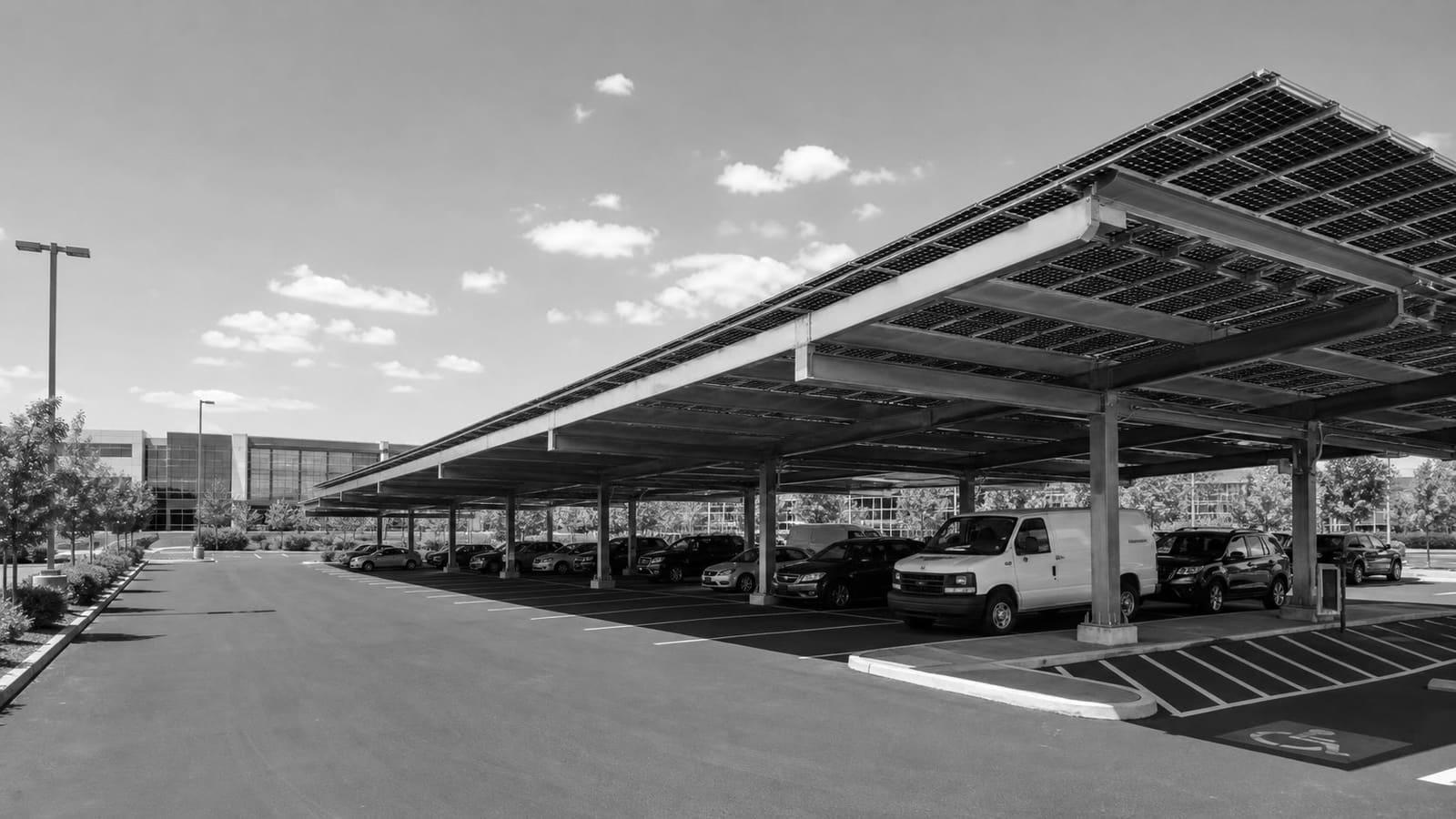
A commercial solar project has to fit the site, the roof, the electrical system, and the utility rules. We start with a solar feasibility study, then compare rooftop solar with solar carports where parking offers the stronger site.
One team carries design, permits, utility interconnection, construction, commissioning, and solar maintenance. We also compare direct ownership with solar financing and PPAs, and add battery storage only when it has a clear job.
START HERE
Is solar a good fit for a commercial building in Columbus?
Commercial solar installation can fit a Columbus commercial building with a large daytime power load and enough clear roof or property space. Those conditions let the system produce power when the building can use it. We also check the site, funding plan, utility rules, and permit path before design. A building with poor solar access or little daytime demand may be a poor fit. That result changes the project size or can stop the project before equipment is ordered.
Plan for the Columbus permit path
Columbus issues building permits under technical codes adopted through the Georgia Uniform Codes Act. New commercial plans must go through the city’s online portal as of January 1, 2026. We use that submission path when the solar scope changes the building or its equipment. The permit review can affect plan sheets, project order, and the date field installation can begin.
Fit checks
Commercial solar installation fit checks in Columbus
Daytime electric load
LOAD
We check when the building uses power. A large daytime load supports direct use of solar output and changes the useful system size.
Roof or ground space
SPACE
We check for suitable roof or property space. Limited clear space cuts the array size or makes the site a poor fit.
Ownership choice
TERMS
We compare purchase, lease, and power purchase agreement options. The choice changes who owns the equipment and how the project is funded.
Utility policy
UTILITY
We confirm the serving utility’s interconnection and net-metering terms. Those records change how the array connects and how exported power is handled.
WHAT WE HANDLE
Everything under the solar door.
PROJECT PLANNING
How we set a solar array design in Columbus
Panel tilt
ANGLE
We compare tilt with site exposure. A 15° to 40° south-facing range can support strong production, while a lower tilt can reduce wind load.
Roof-flush layout
LAYOUT
We check whether a flush layout is preferred for appearance or lower wind load. That choice may reduce output if tilt or direction is less favorable.
Roof or ground array
SITE
We compare rooftop PV with available property space. Roof limits, clear ground area, and the building load change the array type and size.
Permit records
Commercial solar installation permit planning for Columbus
- Confirm whether the planned roof, electrical, or equipment changes need a Columbus permit; the answer sets the approval path.
- Prepare new commercial plan files for the city’s online portal; Columbus moved these submissions online on January 1, 2026.
- Match plan details to the technical codes adopted by Columbus under the Georgia Uniform Codes Act; conflicts must be fixed before approval.
- Track permit and inspection records; an open item can hold the project before connection or use.
BEFORE YOU BUY
What must pass before solar startup in Columbus?
- Verify the installed array matches the approved plans; a mismatch must be resolved before startup.
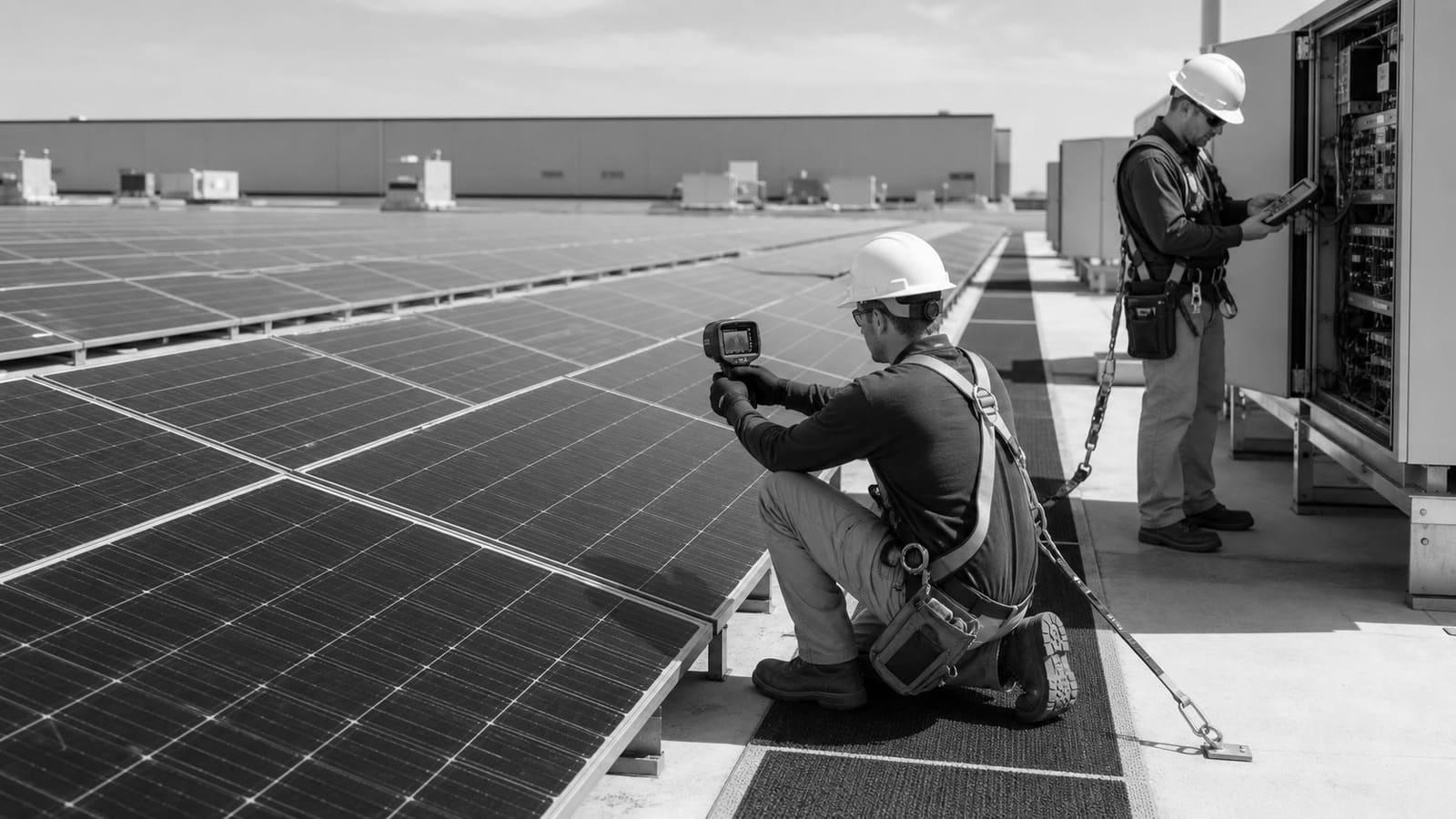
- Test the PV system during commissioning; a failed test keeps the affected equipment out of operation.
- Confirm utility interconnection approval; without it, the system cannot be placed into normal grid-connected use.
- Close required Columbus inspection items; an open correction changes the startup date.
- Deliver system and commissioning records to the building team; these records support later operation and maintenance.
QUESTIONS
Straight answers.
Is solar a good fit for every commercial building in Columbus?
No. A site with little daytime power use or too little suitable roof or property space may be a poor fit or may need a smaller array.
How are new commercial solar plans submitted in Columbus?
Columbus requires new commercial plans to be submitted through its online portal as of January 1, 2026.
What ownership choices can a Columbus business compare?
A business can compare owning the system, leasing it, or using a power purchase agreement. The choice changes ownership and funding.
Why do utility rules matter for a Columbus solar project?
Interconnection and net-metering policies vary by utility. They change the connection process and how power sent to the grid is handled.
GET STARTED
Tell us about the building.
Whatever the trade, we scope it, price it, and put the right crew on it. Site visits are free, always.