
DIRECT ANSWER
Commercial energy audit cost in San Jose.
Commercial audit planning ranges are $0.05–$0.12 per square foot for Level I, $0.10–$0.30 for Level II, and $0.25–$0.50 for Level III. For a 50,000-square-foot building, that equals about $2,500–$6,000, $5,000–$15,000, or $12,500–$25,000. These figures cover the audit, not the recommended upgrades.
Use these figures for early planning, not as a San Jose quote. Building use, system complexity, access, records, measurements, and report depth can change the fee.
CHOOSE THE DEPTH
Match the audit level to the decision
The lowest audit fee is not always the lowest project cost. A light review can be useful when you need a broad list of operating problems and likely improvements. It may not give enough detail to approve a large equipment purchase.
A Level I audit is a walk-through analysis. It is a practical starting point for basic screening or for a portfolio owner deciding which buildings need more study. A Level II audit adds an energy survey and analysis. It is better when the owner needs stronger findings for budgets, equipment planning, or a group of related upgrades.
A Level III audit is an investment-grade review. It is suited to major capital decisions that need precise energy measures and equipment needs. It may require more engineering work, field measurements, or analysis. Before choosing, ask what decision the report must support. Then buy only the depth needed to make that decision with confidence.
PRICE MECHANISM
What moves the audit fee?
Square footage provides a starting point. The final price reflects how much information the auditor must collect, test, organize, and explain.
BUILDING SYSTEMS
Equipment choices change the work behind the price
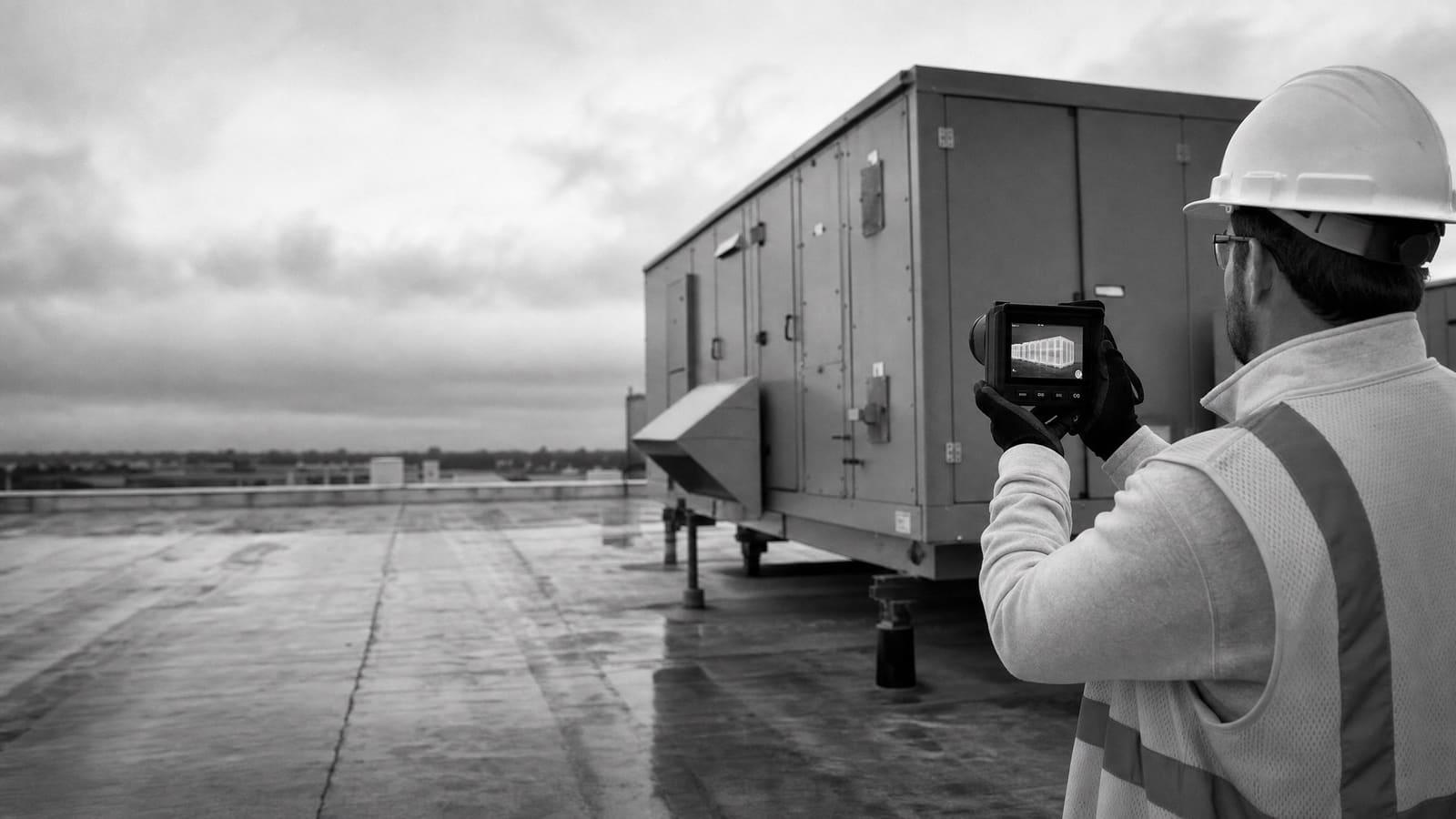
A simple office with repeated rooftop units, standard lighting, and clear schedules is easier to review than a facility with several system types. The auditor can inspect repeated equipment, check how it operates, and apply findings across similar areas. That keeps the field plan focused.
Higher-use buildings need a different approach. A facility may have central heating and cooling equipment, packaged units, exhaust systems, server rooms, kitchens, refrigeration, process loads, or several control platforms. The audit must separate normal building energy from special loads. It must also show which equipment can be adjusted, repaired, controlled, or replaced.
Ask whether the proposal covers only major equipment or also includes controls, schedules, sensors, simultaneous heating and cooling, ventilation, lighting, and occupant-driven loads. A quote for commercial energy audits should also say whether the auditor will estimate replacement needs or only identify opportunities. Equipment selection and installation design are separate services unless the proposal includes them. This distinction prevents a low audit fee from turning into an incomplete capital plan.
COMPLEXITY CHECK
Similar square footage can produce different quotes
Area matters, but it does not show how hard the building is to understand. Compare the actual systems, operations, and access conditions behind each price.
LOWER COMPLEXITY
Repeated systems and clear records
The building has similar equipment across many areas, known schedules, accessible rooms, and useful operating records. The auditor can verify conditions with less tracing and fewer assumptions.
HIGHER COMPLEXITY
Mixed systems and critical loads
The property has several equipment types, changing occupancy, special loads, limited shutdown access, or incomplete controls information. More investigation may be needed before recommendations are dependable.
SCOPE BEFORE PRICE
Prepare the site review before requesting quotes
Start with the building decision, not an audit label. Tell bidders whether you need operating fixes, a capital plan, equipment replacement guidance, ordinance support, or investment-grade analysis. A clear goal lets each firm price the same job.
Provide the building area, use, occupancy pattern, and list of major energy systems. Share available utility records, equipment schedules, control information, drawings, past studies, and known comfort or maintenance concerns. Mark spaces that have limited access. Explain whether work must occur around tenants, production, security rules, or critical operations.
Also name the expected deliverable. A short findings memo takes less work than a detailed report with equipment tables, calculations, ranked measures, and an owner presentation. If field measurements may be needed, ask the bidder to state which tests are included and what would trigger added work. This preparation makes commercial HVAC and electrical findings easier to compare. It also reduces broad allowances that protect the auditor from an unclear scope.
Give every bidder the same site facts
Use one written scope, one equipment summary, and the same access rules for every proposal. Differences in price will then reflect approach and value instead of missing information.
SAN JOSE PLANNING
Check local building-performance needs before selecting a scope
San José maintains an Energy and Water Building Performance Ordinance and a Beyond Benchmarking program. Before buying an audit, confirm whether the property is covered and what the City expects from the current compliance path. Do not assume that any general energy audit will satisfy a local submission.
Give the auditor the property information and any City notices you have received. Ask the proposal to separate ordinance-related work from broader facility planning. This matters when an owner wants the same engagement to support compliance, operating improvements, and future capital work. If equipment upgrades follow, review those projects separately for local permit and plan-review needs. The audit fee should not quietly include unknown design, application, or construction work.
Define the required deliverable
Ask the City what applies to the property, then place that requirement in the bid scope. The auditor should state what will be prepared and what remains the owner's responsibility.
OWNER PRIORITIES
Consider who will use the report after delivery
A useful audit should fit the way the property is owned and operated. An owner-occupied building may focus on comfort, maintenance, equipment life, and capital approval. A leased property may need findings organized by landlord equipment, tenant loads, access rights, and lease responsibility.
The operating team also affects value. If facility staff can change schedules and controls, the report should identify clear operating actions. If service vendors control much of the equipment, the recommendations should be written so those vendors can verify settings and provide repair or replacement prices. Decide who will approve, perform, and track each action before the audit begins.
OWNER-OCCUPIED
Connect energy findings to facility priorities
Ask for recommendations that address comfort, reliability, deferred maintenance, equipment age, and capital timing as well as energy use.
LEASED OR MULTITENANT
Separate owner and tenant responsibility
Define which spaces, meters, equipment, schedules, and loads are in scope. Confirm access and identify who can approve each change.
BUYING STRATEGY
Phase the work when the full study is not yet justified
A phased audit can control cost when the owner does not yet know where deeper analysis is needed. Begin with records, staff interviews, and a walk-through. Use those findings to select the systems or buildings that deserve added measurements and engineering. This keeps detailed work focused on decisions with real budget or operating value.
Do not split the work so much that each phase repeats the same site discovery. The first proposal should explain how findings can move into deeper analysis. Ask whether collected equipment data, photos, schedules, and calculations will carry forward. The owner should be able to stop after a useful screening report or continue without paying to rebuild the file.
Keep implementation separate from the audit fee. Repairs, controls programming, equipment design, permits, purchases, installation, commissioning, and ongoing measurement can all follow the study, but they are not the same service. If the auditor may also sell an upgrade, require clear assumptions and itemized costs. A good report should help the owner compare equipment paths, including repair, control changes, staged replacement, and full replacement, without forcing an early purchase.
QUOTE CHECKLIST
Five items every comparable quote should show
Read beyond the total fee. Each proposal should define the same building, audit depth, field effort, analysis, and final deliverables.
01
Exact building scope
List included areas, meters, equipment, tenant spaces, and any exclusions.
02
Audit level and purpose
State the review depth and the owner decision the report will support.
03
Fieldwork and measurements
Name site visits, interviews, tests, logging, access needs, and added-work triggers.
04
Analysis and recommendations
Explain calculations, assumptions, equipment options, operating actions, and how measures will be ranked.
05
Deliverables and boundaries
Define reports, presentations, schedule, revisions, ordinance support, and services not included.
Keep planning locally
Related Energy pages in San Jose
Get a defensible number
Scope the audit before you price it.
Send the building size, use, utility history, and decision the audit needs to support. Flux will identify the right audit depth and the information needed for a useful proposal.
Get a free energy auditQuestions
Straight answers.
How much does a commercial energy audit cost in San Jose?
Planning ranges are $0.05–$0.12 per square foot for Level I, $0.10–$0.30 for Level II, and $0.25–$0.50 for Level III. A local quote can move based on building use, systems, access, records, measurements, and report depth.
What would an audit cost for a 50,000-square-foot commercial building?
The planning range is about $2,500–$6,000 for Level I, $5,000–$15,000 for Level II, and $12,500–$25,000 for Level III. These amounts are audit fees, not construction or equipment budgets.
Which commercial energy audit level should I buy?
Choose Level I for broad screening, Level II for stronger upgrade and budget planning, and Level III for detailed investment and equipment decisions. The right level depends on what the owner must approve after reading the report.
Does the audit price include new equipment or installation?
Not unless the proposal clearly says so. The audit normally studies the building and recommends actions. Design, permits, controls programming, equipment, installation, commissioning, and follow-up measurement should be identified and priced separately.
How can I get more accurate commercial energy audit quotes?
Give each bidder the same building area, system list, utility records, access conditions, operating concerns, audit goal, and required deliverable. Ask each firm to list assumptions, exclusions, measurements, added-work triggers, and final report contents.
Will any energy audit satisfy San Jose building-performance requirements?
Do not assume it will. Confirm whether the property is covered by San José's building-performance rules and what the current pathway requires. Put that deliverable in the proposal and ask the auditor to state exactly what compliance support is included.
Sources used for this guide