SACRAMENTO, CA · SOLAR
Commercial solar installation in Sacramento.
We design commercial solar systems around roof fit, panel angle, permits, interconnection, and safe installation plans for Sacramento buildings.
Start with the building, not the panels.
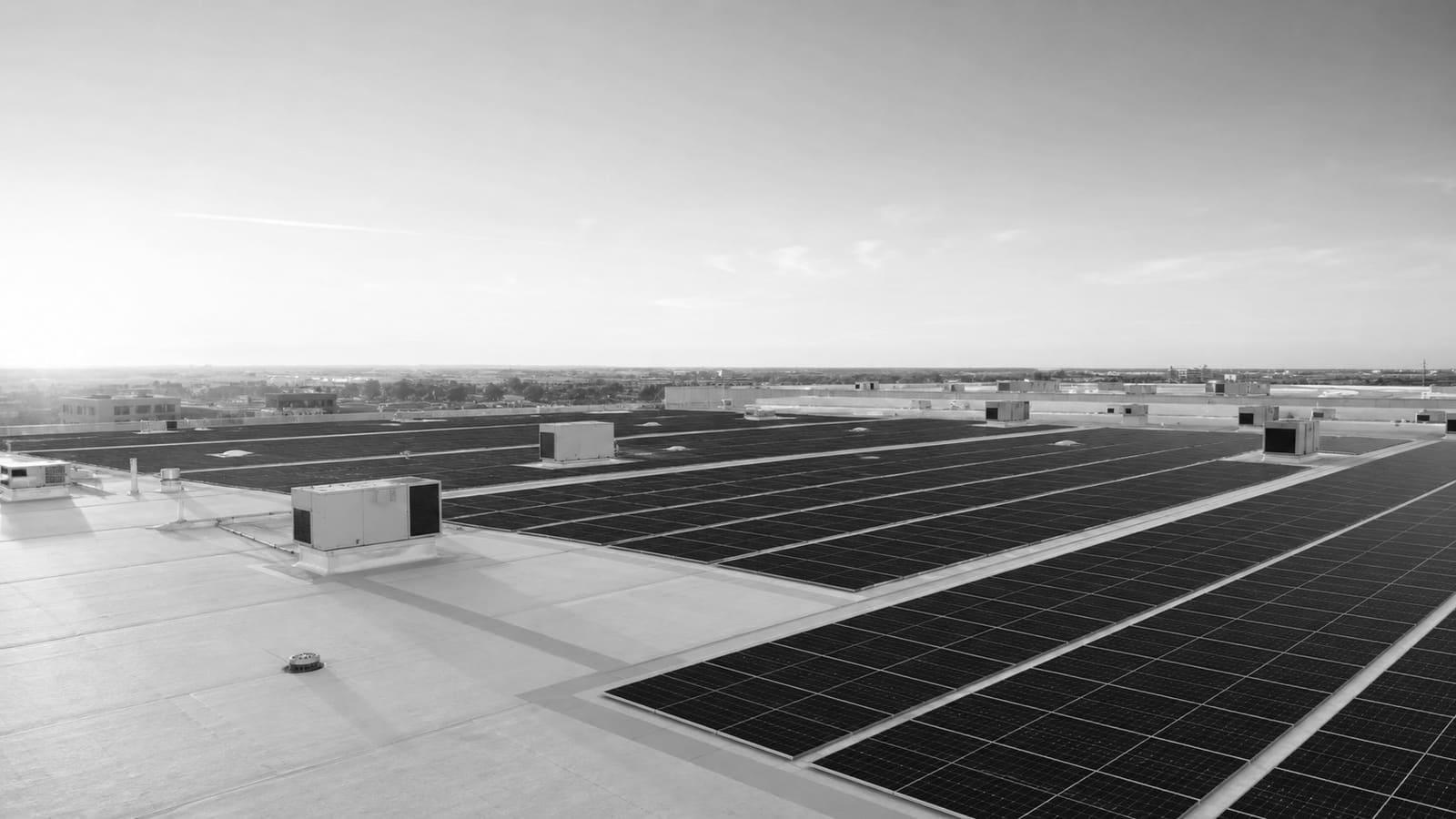
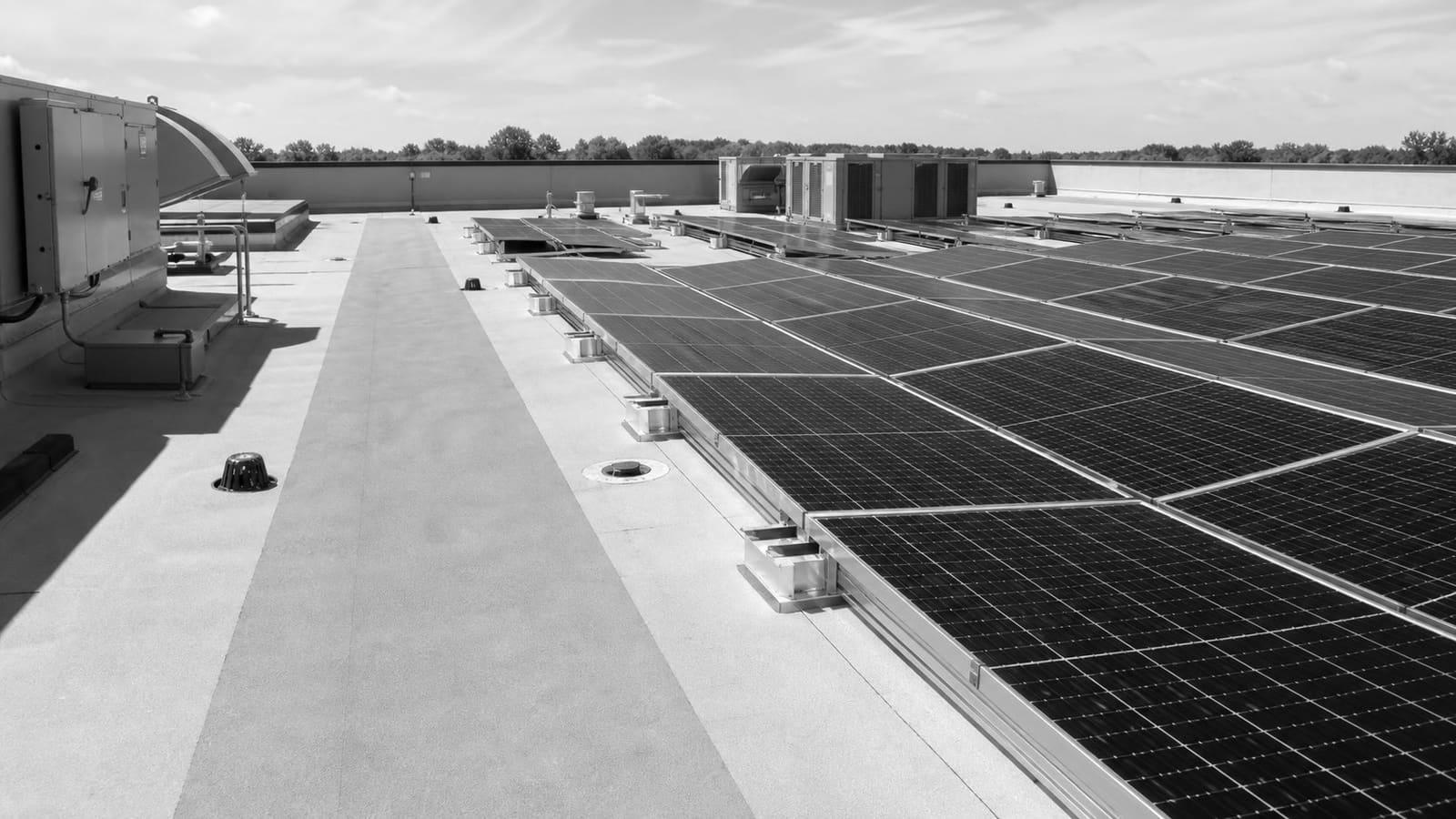
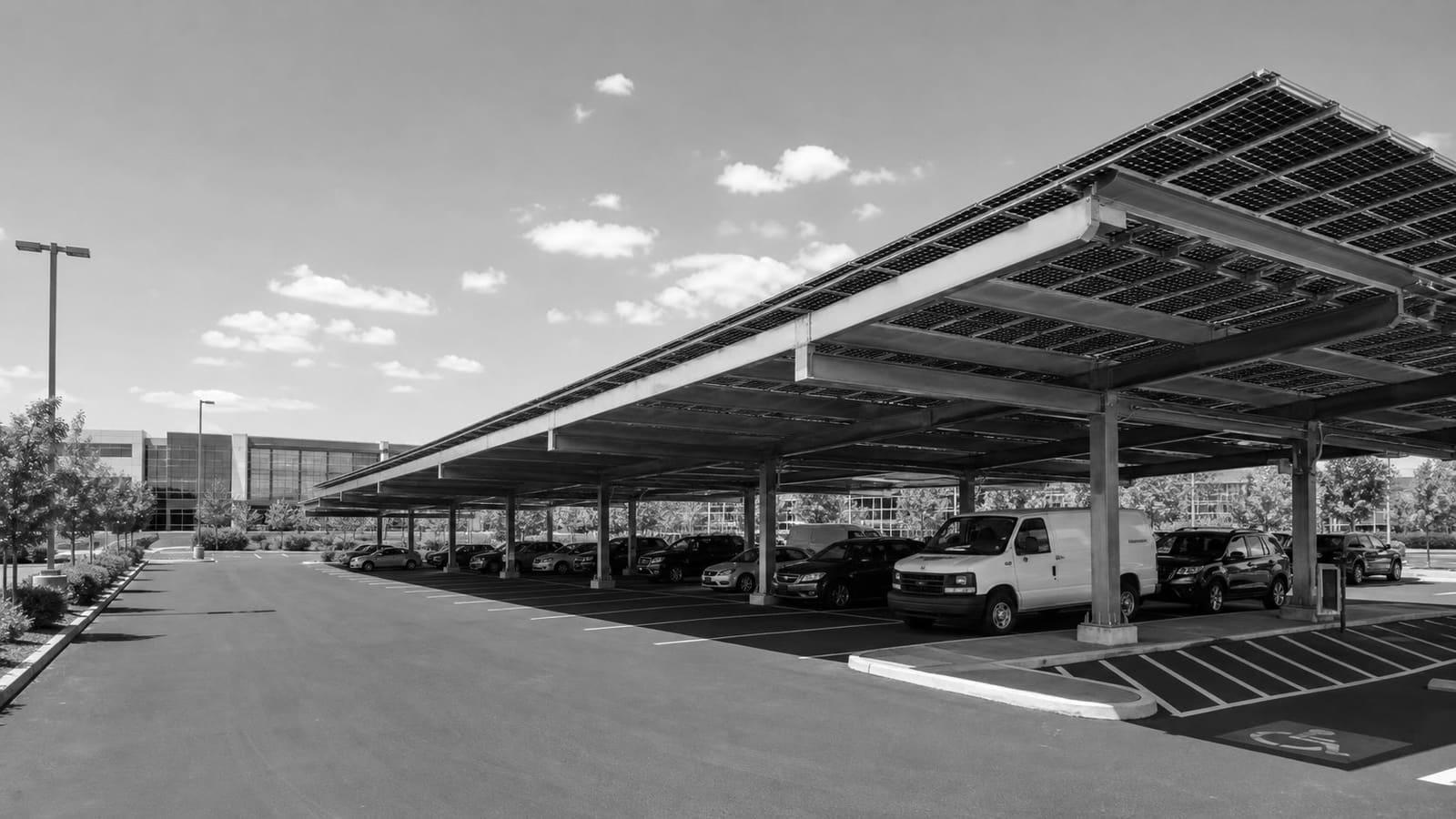
A commercial solar project has to fit the site, the roof, the electrical system, and the utility rules. We start with a solar feasibility study, then compare rooftop solar with solar carports where parking offers the stronger site.
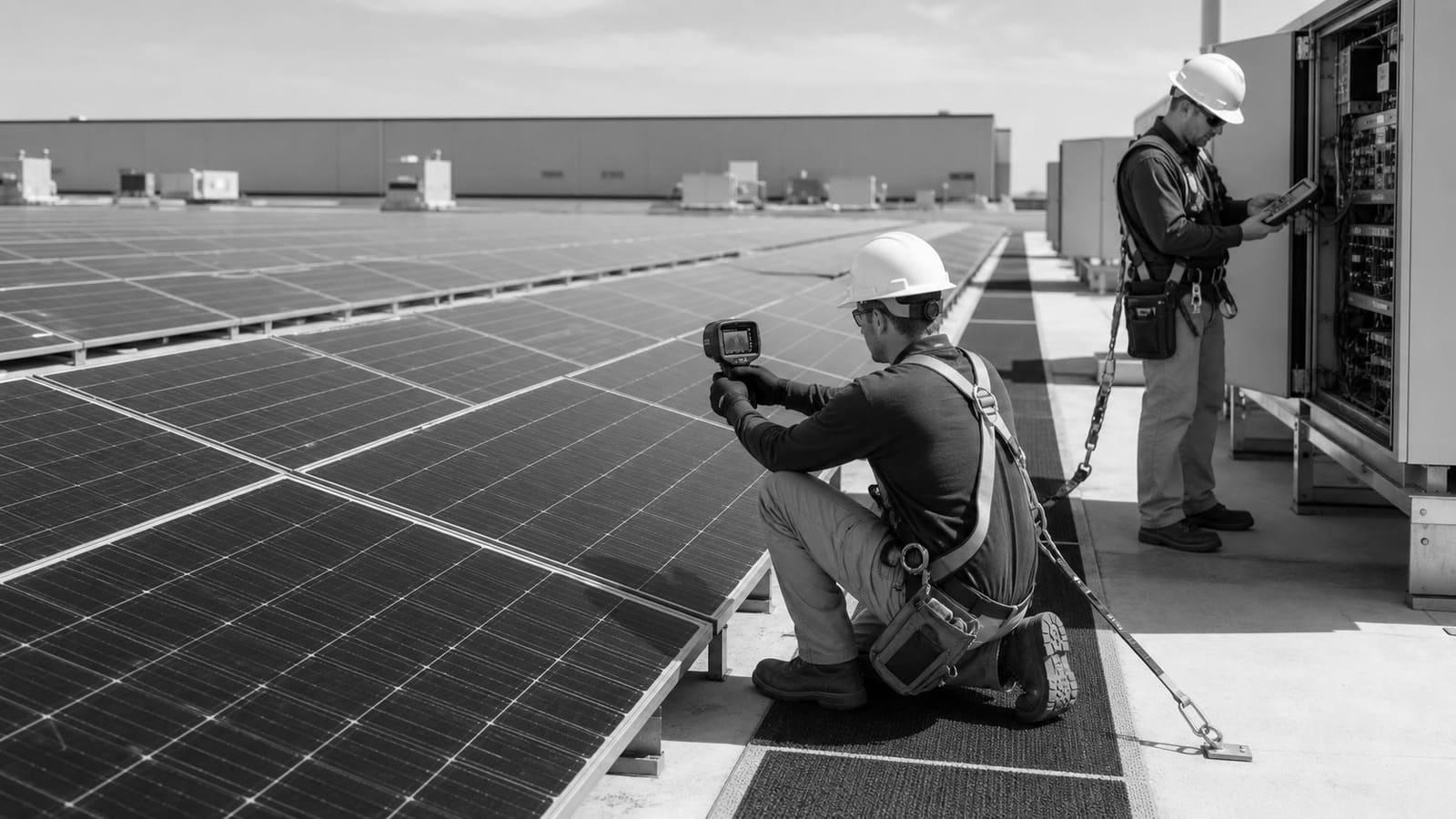
One team carries design, permits, utility interconnection, construction, commissioning, and solar maintenance. We also compare direct ownership with solar financing and PPAs, and add battery storage only when it has a clear job.
START HERE
What should Sacramento businesses check before installing solar?
For a Sacramento commercial building, solar installation should move forward only when the roof, panel layout, permits, and utility connection all fit the site. We check these points before equipment is set. Rooftop PV is one main system type. Panel angle changes energy output and wind load. A south-facing angle from 15° to 40° often gives strong production in the continental United States. A flush layout may reduce wind load and improve the look, but it may produce less power.
Plan permits and utility work together
California commercial solar projects can involve complex permit and interconnection steps. The City of Sacramento provides separate paths for permit services, plan review, fees, forms, and inspections. We place those steps in the project plan before installation starts. Flux uses this to the buyer compare proposals by scope, not just by panel count. A proposal is a poor fit if it leaves permit or interconnection work unnamed.
Approval path
What does Commercial solar installation in Sacramento need before field work?
- Name the City of Sacramento permit forms needed for the project. The form list sets what must enter the permit package.
- Confirm whether plan review is part of the schedule. That decision changes when field work can start.
- List building fees as a separate project item. Flux uses this to keep approval costs visible to the buyer.
- Name the utility interconnection task and its owner. A proposal fails our scope check if no party owns that step.
WHAT WE HANDLE
Everything under the solar door.
PROJECT PLANNING
Which solar layout fits a Sacramento commercial roof?
Rooftop PV fit
SYSTEM
Confirm that rooftop PV is the selected system type. This choice sets the mounting area, roof access, and equipment layout.
Tilt record
ANGLE
Record the chosen panel tilt in the design. The angle changes solar exposure and wind load.
Direction record
DIRECTION
Record panel direction with the tilt. A south-facing layout within the stated angle range supports the production case.
Appearance choice
FIT
Decide if a flush layout matters to the building. That choice may trade some production for lower wind load and a cleaner profile.
Roof exposure
How does Sacramento weather affect commercial solar installation?
Roof work hours
SCHEDULE
Sacramento’s average July high is 94.8°F. We use that exposure when setting roof access and crew work times.
Panel tilt
LAYOUT
A 15° to 40° south-facing tilt can support strong production. A lower tilt can cut wind load, so the final angle must balance output and roof forces.
Flush mounting
TRADEOFF
A flush panel layout may lower wind load and improve appearance. It can be a poor fit when the lost solar exposure hurts the project goal.
BEFORE YOU BUY
What should a Sacramento solar proposal include?
- A named rooftop PV system type, so the buyer knows what is being installed.
- A panel tilt and direction, so the output and wind-load tradeoff is clear.
- A City of Sacramento permit and plan-review scope, so approval work has an owner.
- A utility interconnection scope, so connection work is not left outside the proposal.
- An installation and commissioning record set, so the finished system can be checked against the approved design.
QUESTIONS
Straight answers.
Does a Sacramento commercial solar project need permit planning?
Yes. The city lists permit services, forms, fees, plan review, and inspections. The proposal should state which party handles each project step.
What panel angle should we consider in Sacramento?
A south-facing angle from 15° to 40° often supports strong production in the continental United States. Roof forces and building needs still shape the final layout.
Is a flush solar layout always the best fit for a commercial roof?
No. Flush panels may lower wind load and improve appearance, but a less favorable angle can reduce production.
What makes a commercial solar proposal fail a scope check?
It fails our scope check when it does not name the system type, panel layout, permit work, interconnection owner, or commissioning records.
GET STARTED
Tell us about the building.
Whatever the trade, we scope it, price it, and put the right crew on it. Site visits are free, always.
MORE SERVICE AREAS