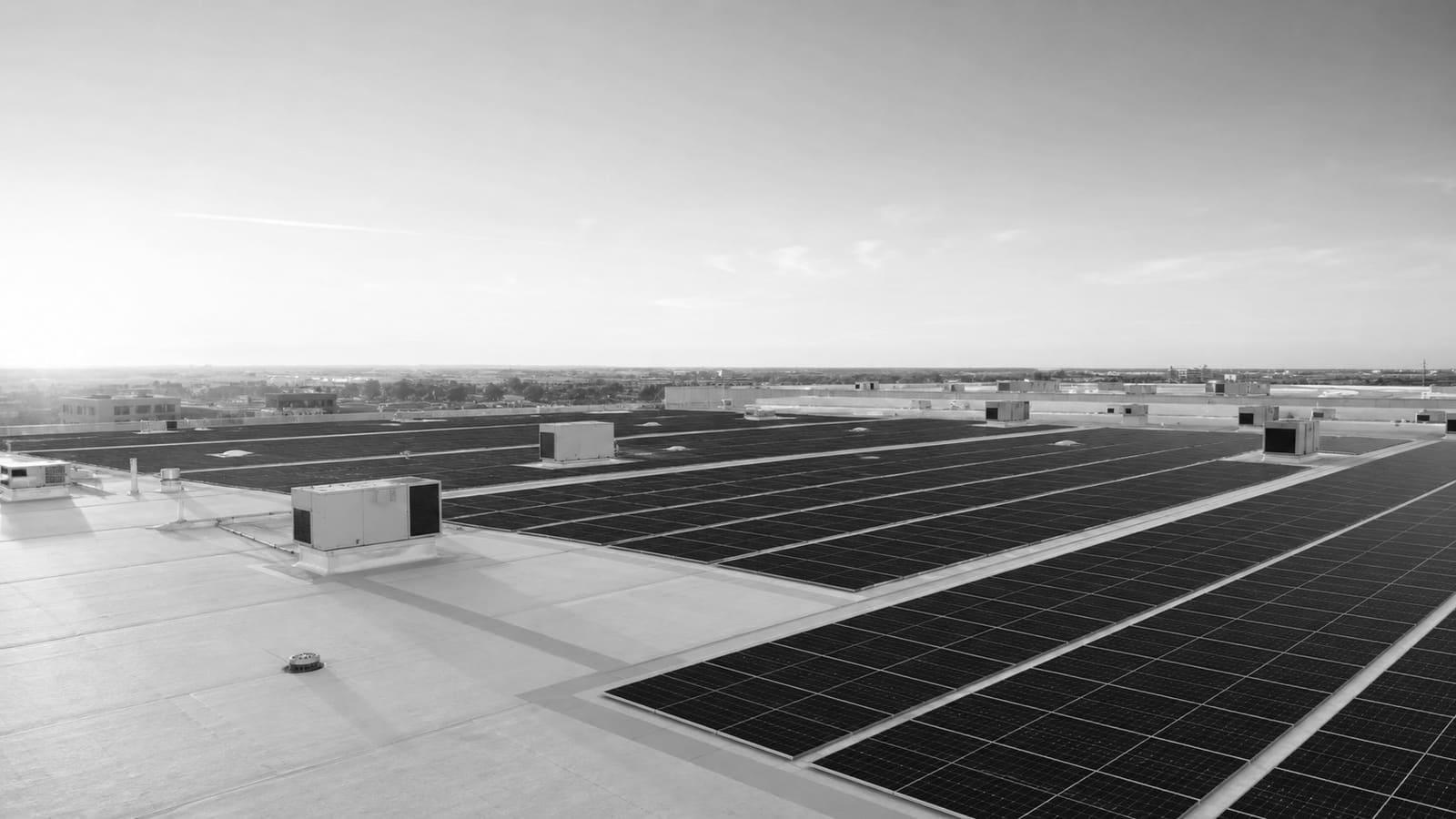
PROVIDENCE, RI · SOLAR
Commercial solar installation in Providence.
We plan commercial solar installation in Providence around roof condition, site space, access, permits, and long-term maintenance.
Start with the building, not the panels.
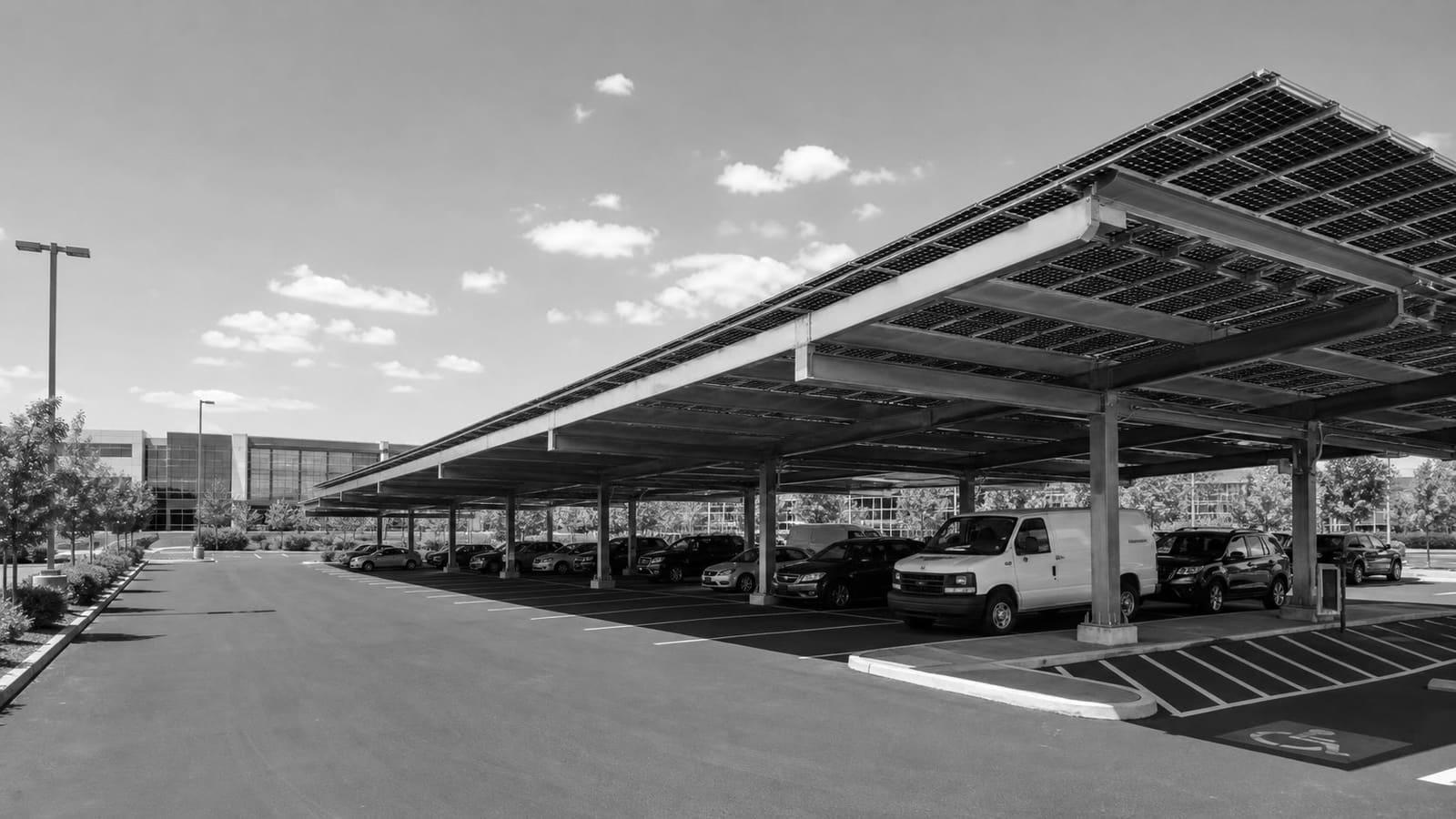
A commercial solar project has to fit the site, the roof, the electrical system, and the utility rules. We start with a solar feasibility study, then compare rooftop solar with solar carports where parking offers the stronger site.
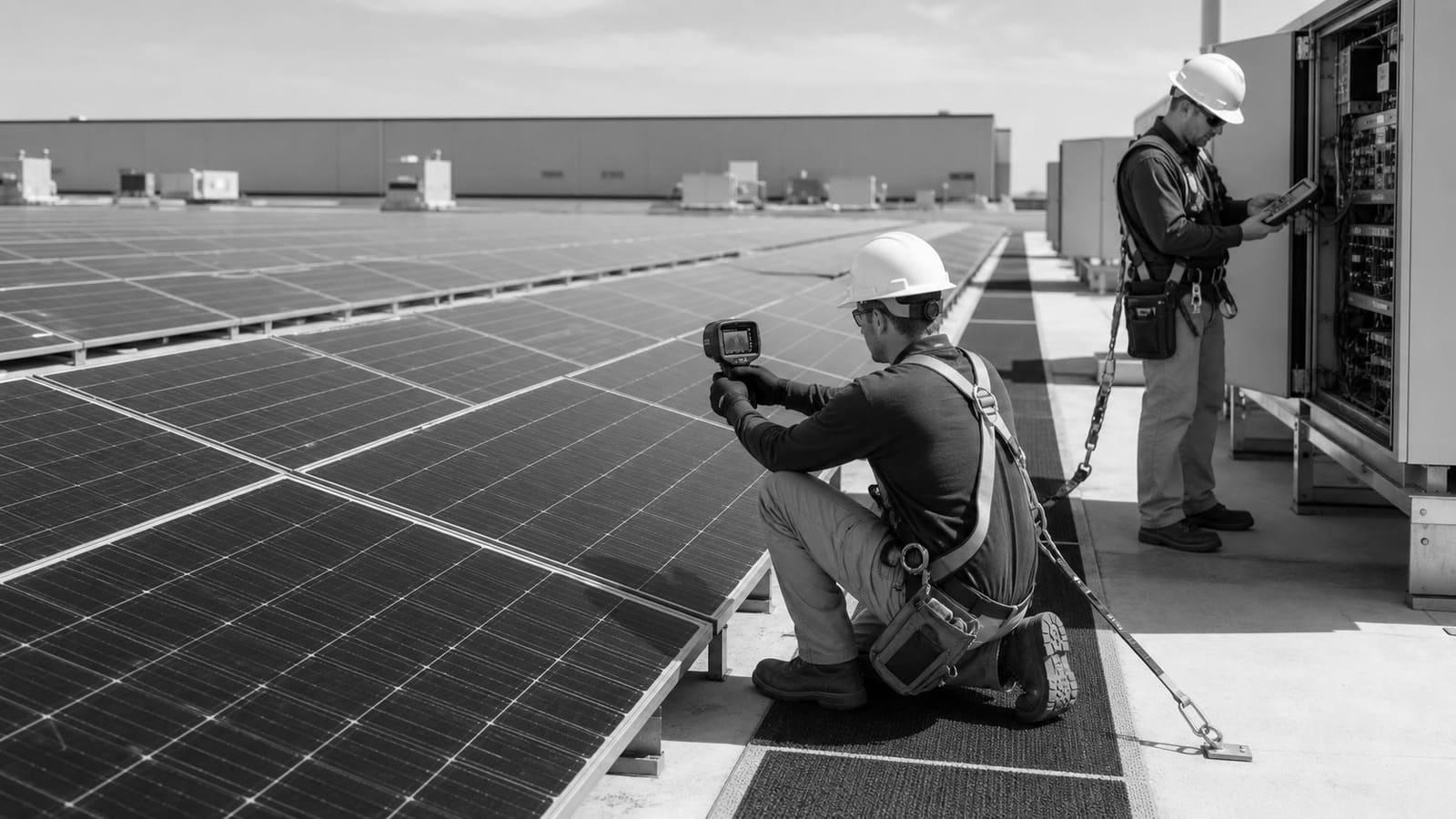
One team carries design, permits, utility interconnection, construction, commissioning, and solar maintenance. We also compare direct ownership with solar financing and PPAs, and add battery storage only when it has a clear job.
START HERE
What should Providence businesses check before installing solar?
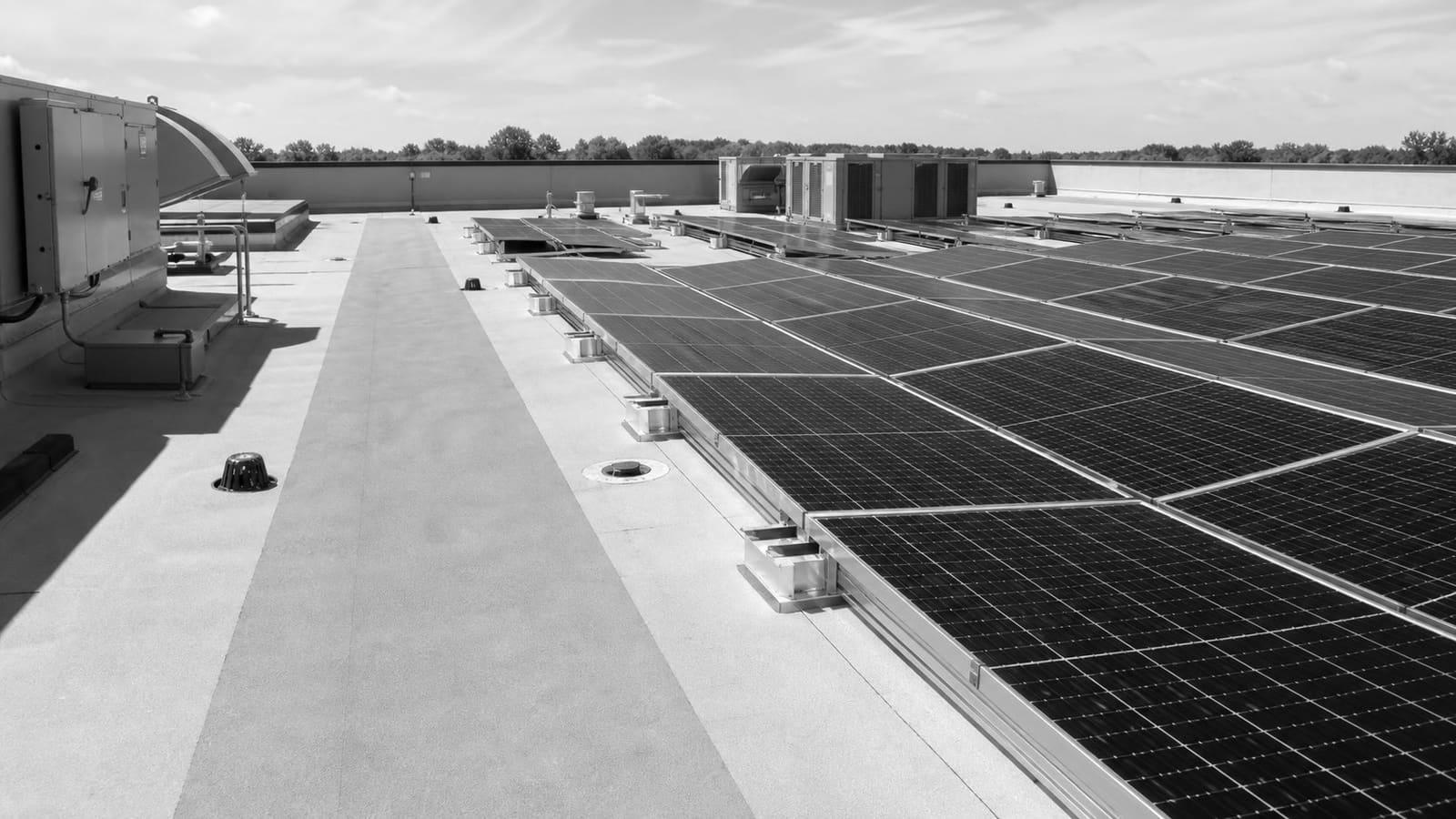
Commercial solar installation in Providence should fit the building, site, permit path, and maintenance plan. A roof mount uses existing roof space and keeps more ground area open. A ground mount avoids roof size limits and does not need removal when the roof is replaced. We first compare usable roof area with available land. We also check roof replacement plans and service access. These facts decide where the array belongs and whether the project is a sound fit for the commercial property.
Start with the Providence permit path
Providence Structures and Zoning handles building permits, plan review, inspections, and zoning compliance for building repairs, changes, additions, and new construction. The Fire Department also directs commercial fire plan review through the building permit application. Before design is final, we identify which reviews apply. That choice changes the plan set, submission path, and project schedule.
Mounting choice
Which commercial solar installation fits a Providence property?
Usable roof area
SIZE
We check the clear roof area for the array. Limited roof space can cap the size of a roof-mounted system.
Roof replacement record
PASS/FAIL
We check the planned roof replacement date. A near-term replacement makes a roof mount a poor fit because the array may need removal.
Open site area
SITE
We check whether the property has land available for a ground mount. Enough usable land can remove the roof-size limit.
Maintenance access
ACCESS
We check how crews can reach the panels. Ground-mounted arrays are easier to reach for cleaning and maintenance.
WHAT WE HANDLE
Everything under the solar door.
PROJECT PLANNING
How do Providence facility teams compare roof and ground solar?
Property space
ROOF
A roof mount uses the building as its base and leaves more ground area open. That matters when yard space supports parking, loading, or site operations.
Array size limit
CAPACITY
A roof mount is limited by roof dimensions. A ground mount is not confined to the roof, so available land becomes the main site check.
Future roof work
LIFECYCLE
Roof-mounted panels may need removal for roof replacement. A ground mount keeps the array apart from that roof work.
Panel temperature
TRADEOFF
Ground mounts can keep panels cooler, which can improve energy output. We weigh that benefit against the land the array will use.
Permit records
What Providence solar permit records affect the project?
- Building permit path: confirm the required submission with Providence Structures and Zoning; it changes the plan package.
- Zoning review status: record whether zoning approval applies; it can change array placement.
- Plan review comments: track each city comment and response; unresolved comments hold up approval.
- Inspection record: keep the city inspection result; a failed item must be corrected before that inspection can pass.
- Commercial fire plan review: confirm whether it applies through the building permit application; it changes the review path.
BEFORE YOU BUY
What should a Providence solar proposal document?
- Mounting type and the site condition that supports the choice.
- Usable roof dimensions or usable ground area, since that condition limits array placement.
- Roof replacement plan, because future roof work can require panel removal.
- Maintenance access route, since poor access makes cleaning and repairs harder.
- Applicable Providence permit, zoning, fire review, and inspection records.
- Use of the voluntary NREL commercial and industrial solar installation guide, if the vendor claims to follow it.
QUESTIONS
Straight answers.
Who handles building and zoning review for a commercial solar project in Providence?
Providence Structures and Zoning issues building permits, reviews plans, performs inspections, and manages zoning compliance.
Does a Providence commercial solar project need fire review?
The Providence Fire Department directs commercial fire plan review through the building permit application. We confirm whether that review applies before final plans.
When is a roof-mounted array a poor fit?
It is a poor fit when near-term roof replacement would require the panels to be removed or when usable roof dimensions cannot hold the planned array.
Why would a Providence commercial property choose a ground mount?
A ground mount can use available land, avoid roof-size limits, remain in place during roof replacement, and provide easier maintenance access.
GET STARTED
Tell us about the building.
Whatever the trade, we scope it, price it, and put the right crew on it. Site visits are free, always.