PLANO, TX · SOLAR
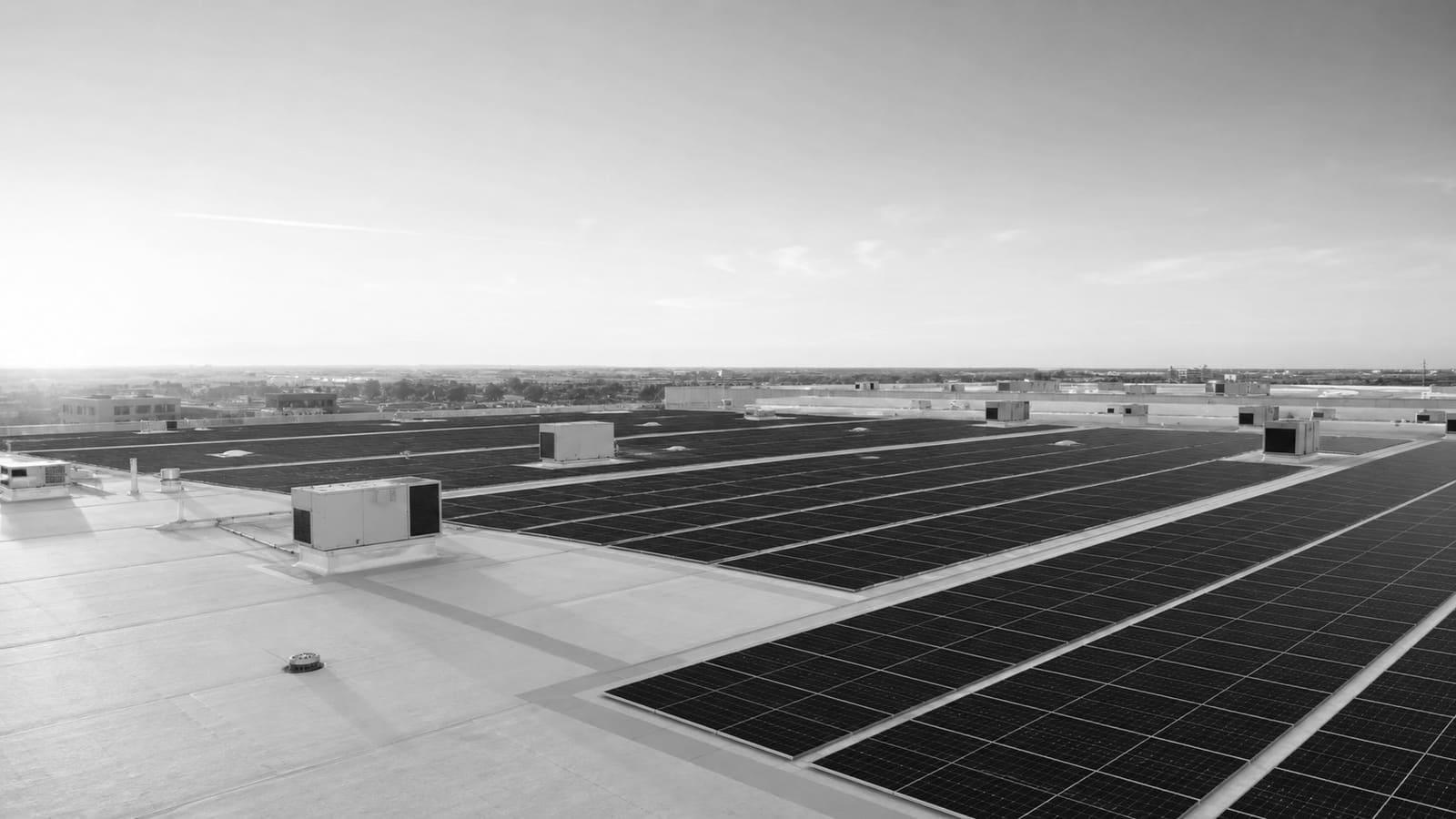
Commercial solar installation in Plano.
We design and install commercial solar systems for offices, warehouses, plants, and other commercial buildings in Plano.
Start with the building, not the panels.
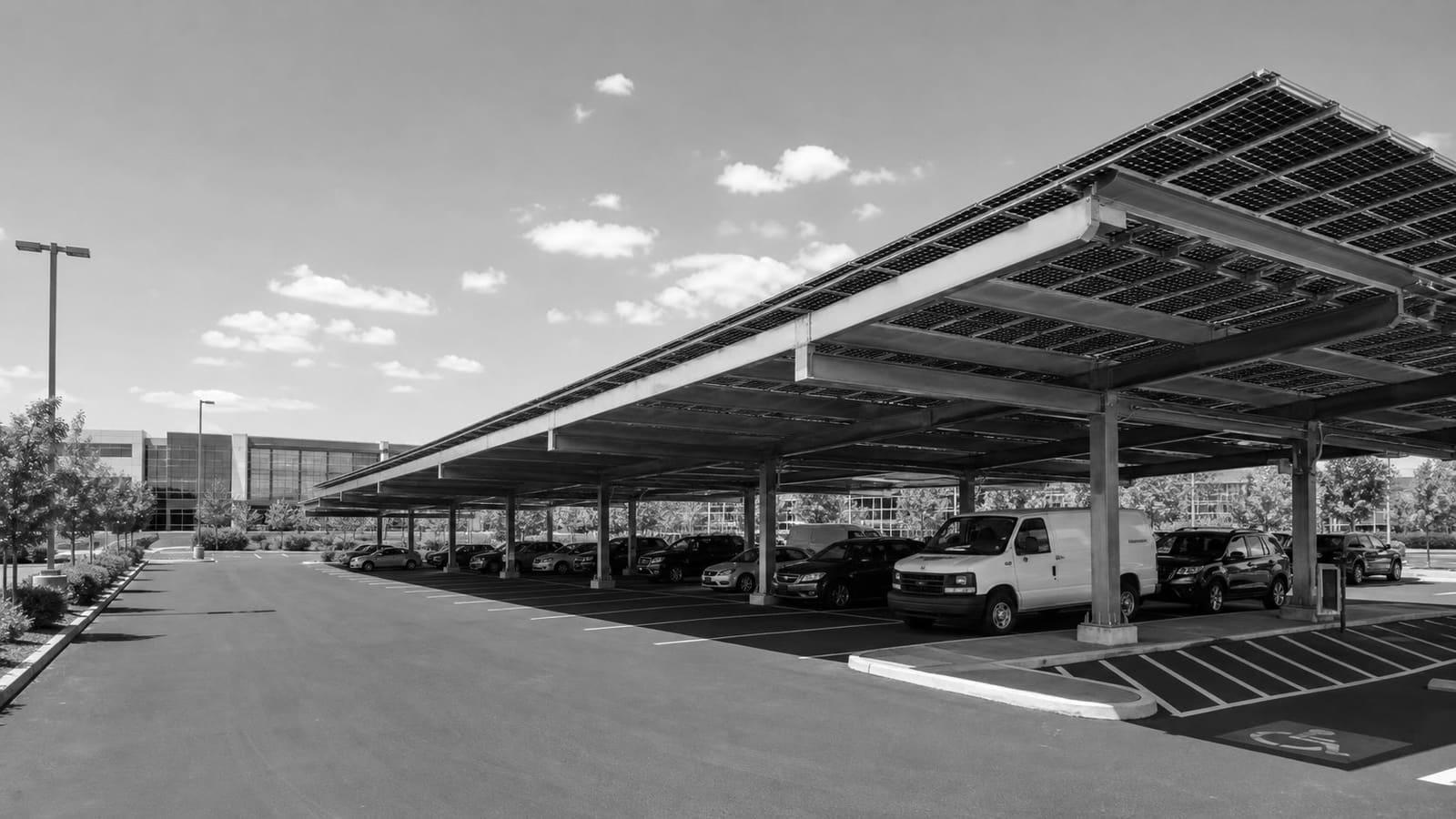
A commercial solar project has to fit the site, the roof, the electrical system, and the utility rules. We start with a solar feasibility study, then compare rooftop solar with solar carports where parking offers the stronger site.
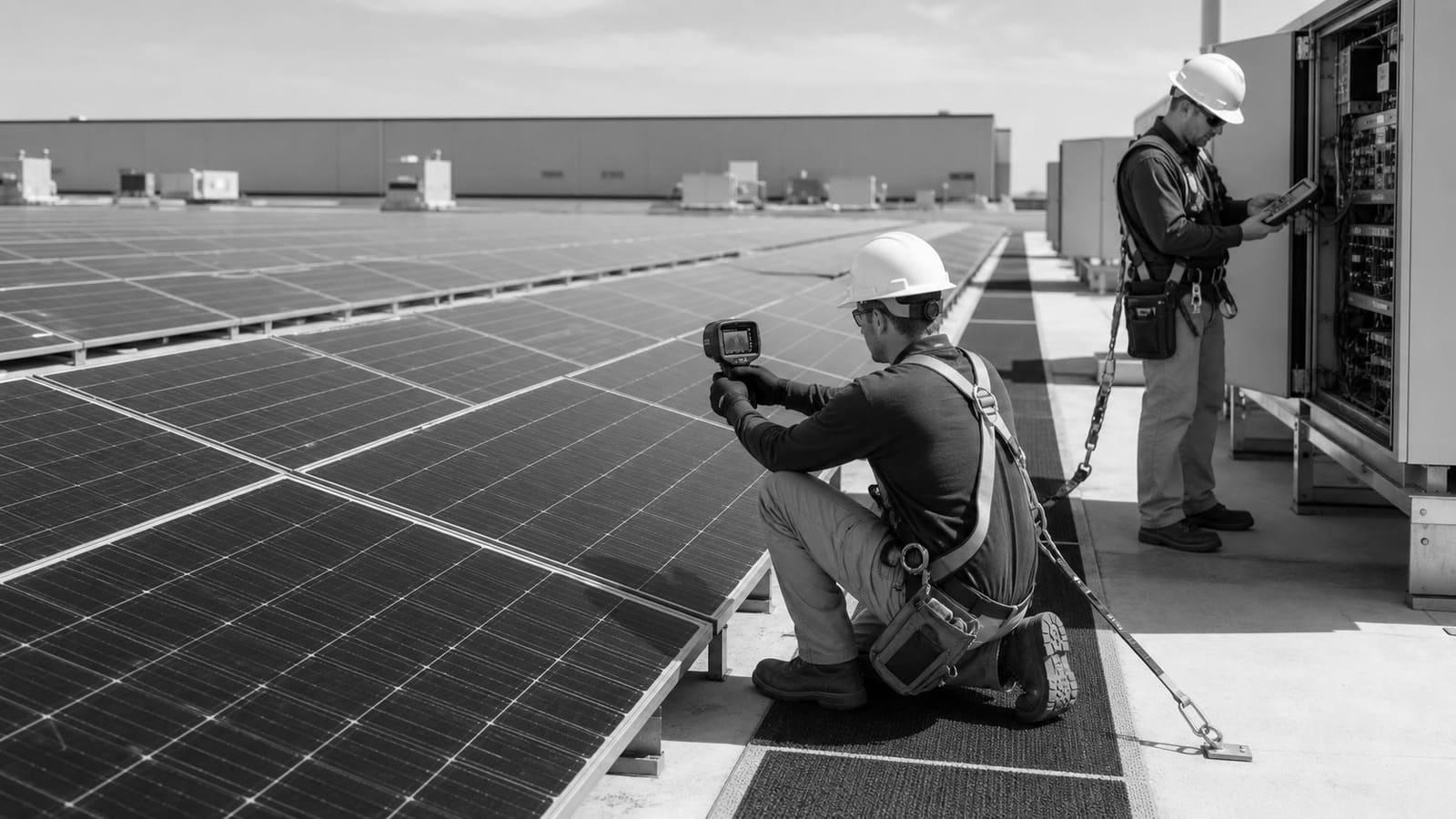
One team carries design, permits, utility interconnection, construction, commissioning, and solar maintenance. We also compare direct ownership with solar financing and PPAs, and add battery storage only when it has a clear job.
START HERE
Is solar a good fit for a commercial building in Plano?
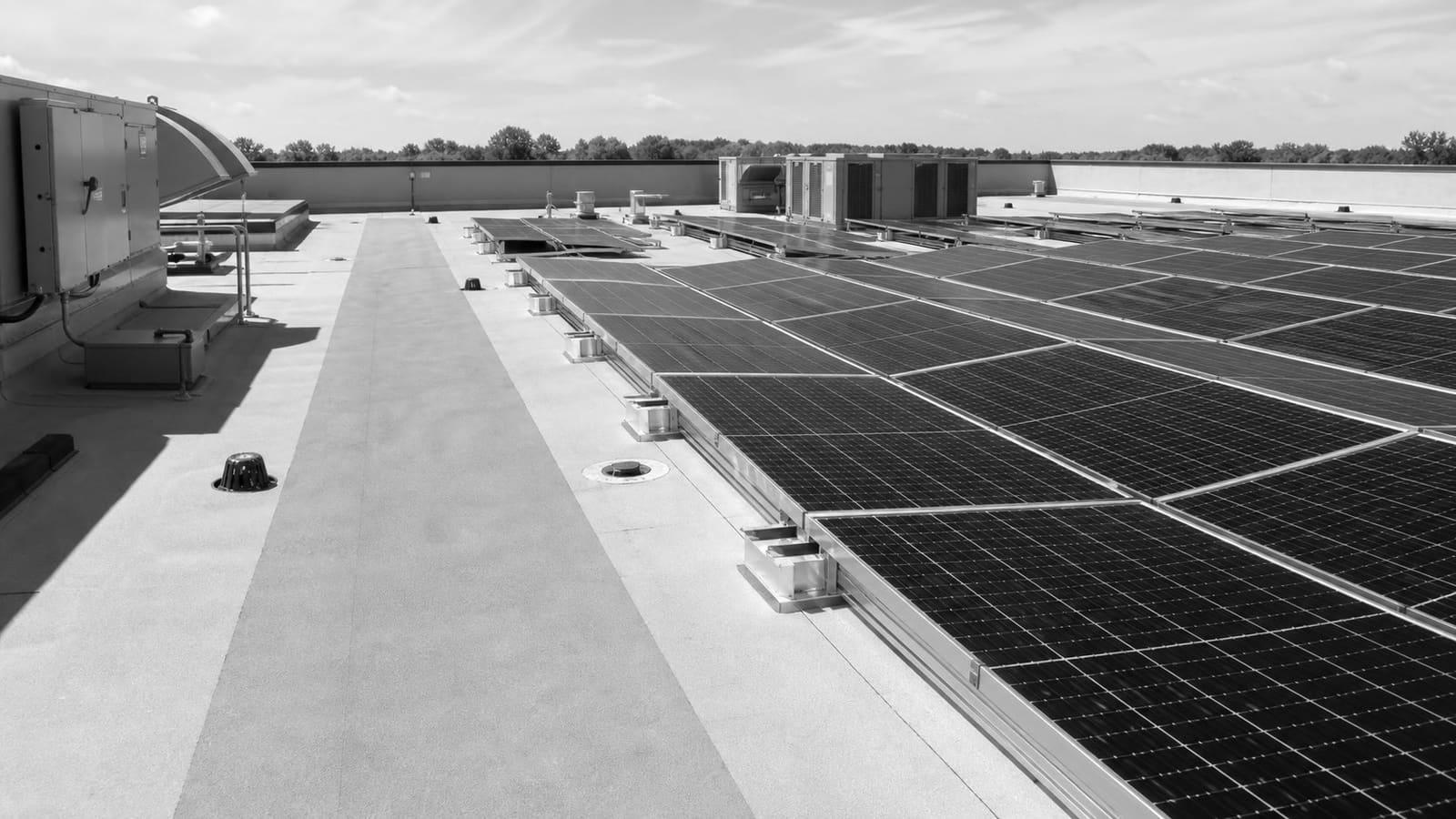
Commercial solar installation can fit a Plano commercial building when the roof can carry the added load, remain watertight, and provide clear space for a safe array. We start with a roof condition survey and a structural review. The cited Texas guidance says a solar system may add about 2 to 4 pounds per square foot. We also check roof age, access paths, panel layout, tilt, wind load, and electrical needs. A roof that needs near-term replacement is a poor fit until that roof work is complete.
Make the roof decision first
The roof plan can decide whether a Plano solar project should move ahead, change scope, or stop. A commercial roof that is 15 years old or more may need refurbishment or replacement before panels are installed. If roof replacement comes later, the array may need to be removed and installed again. We document roof condition, structural capacity, waterproofing, and usable layout area before array design. A failed structural or roof-condition review means the solar installation does not proceed on that roof.
Roof fit checks
What determines commercial solar installation scope in Plano?
Structural load check
LOAD
We verify whether the roof can support an added solar load of about 2 to 4 pounds per square foot. The result changes array size, mounting design, or project approval.
Roof condition survey
ROOF
We record membrane, metal panel, and waterproofing conditions. Active defects or a roof due for replacement can pause the array until repairs or replacement are complete.
Usable layout area
LAYOUT
We map clear panel zones and safe access paths. Blocked or unsafe areas reduce the usable array area and change equipment placement.
Tilt and wind tradeoff
TILT
We compare solar exposure with wind load. A lower tilt can reduce wind load, while a steeper tilt increases it, so the selected angle changes mounting and structural needs.
WHAT WE HANDLE
Everything under the solar door.
PROJECT PLANNING
Which solar design choices matter for Plano commercial roofs?
Rooftop system choice
FIT
We confirm that rooftop PV fits the building and roof. If structure, waterproofing, or clear area fails, a rooftop array is excluded from the current scope.
Panel orientation
ANGLE
South-facing panels set between 15 and 40 degrees can support strong production in the continental United States. Roof limits may require a different layout.
Flush mounting
TRADEOFF
A flush layout may lower wind load and improve appearance, but it may give up some production when tilt or direction is less favorable.
Hail exposure
EXPOSURE
A steeper panel angle can shed hail more effectively, but it also raises wind load. That tradeoff changes the rack angle and structural review.
Permit path
What records support a Plano commercial solar installation?
- Confirm the project record and permit status through Plano’s eTRAKiT permit system; the result sets the permit path before field work.
- Confirm which construction documents Plano requires for the planned building changes; that decision sets the drawing package.
- Check whether the permit scope triggers proof of a Texas Accessibility Standards submission; if it does, add that proof to the application.
- Check whether planned renovation or demolition triggers asbestos-survey proof; if it does, obtain the record before permit submission.

BEFORE YOU BUY
What should Plano facility teams decide before solar design?
- Choose whether roof life or near-term solar construction comes first; an older roof may need refurbishment or replacement before panels.
- Provide roof plans and condition records; missing structural or waterproofing details can hold the design at review.
- Set required roof access paths for facility staff; those paths reduce panel area but keep service routes clear.
- Identify the building’s electricity provider and power agreement; Texas deregulation makes the active provider record important to project planning.
- Approve the final tilt, orientation, and mounting tradeoff only after production goals and wind-load effects are compared.
QUESTIONS
Straight answers.
Can every Plano commercial roof support solar panels?
No. The roof must pass structural, waterproofing, condition, and layout checks. A failed check can reduce the array or stop rooftop installation.
Should an older commercial roof be replaced before solar panels are installed?
A roof that is 15 years old or more may need refurbishment or replacement first. Installing panels before that decision can lead to later removal and reinstallation.
How much load can a commercial solar system add to a Plano roof?
The supplied Texas guidance gives an estimate of about 2 to 4 pounds per square foot. The building still needs a project-specific structural review.
Where can a Plano facility team check a solar permit record?
The project team should confirm the record and required submission path before installation.
GET STARTED
Tell us about the building.
Whatever the trade, we scope it, price it, and put the right crew on it. Site visits are free, always.