MADISON, WI · SOLAR
Commercial solar installation in Madison.
Commercial solar installation for Madison facilities, planned around utility rules, permits, ownership, and building energy use.
Start with the building, not the panels.
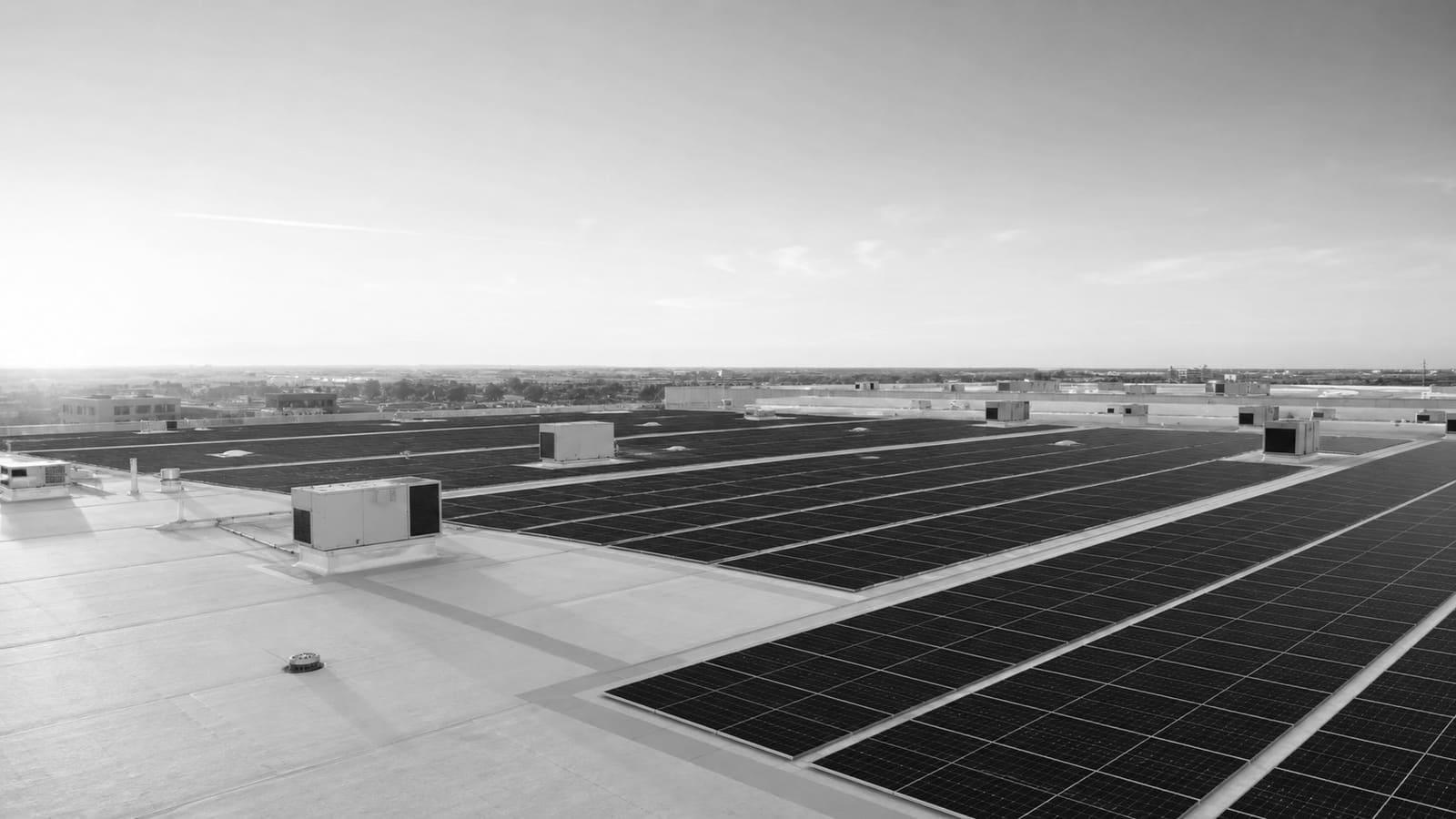
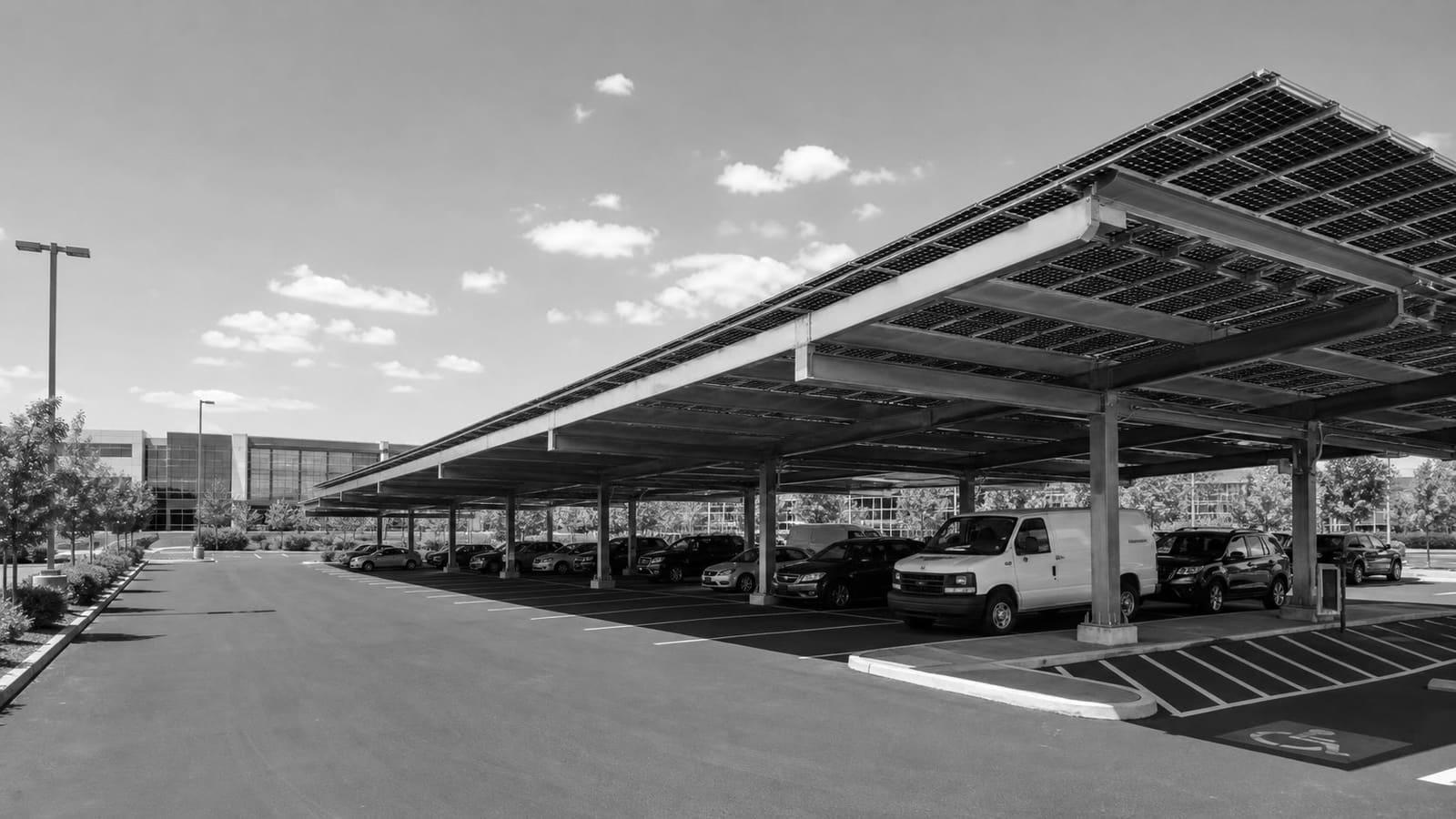
A commercial solar project has to fit the site, the roof, the electrical system, and the utility rules. We start with a solar feasibility study, then compare rooftop solar with solar carports where parking offers the stronger site.
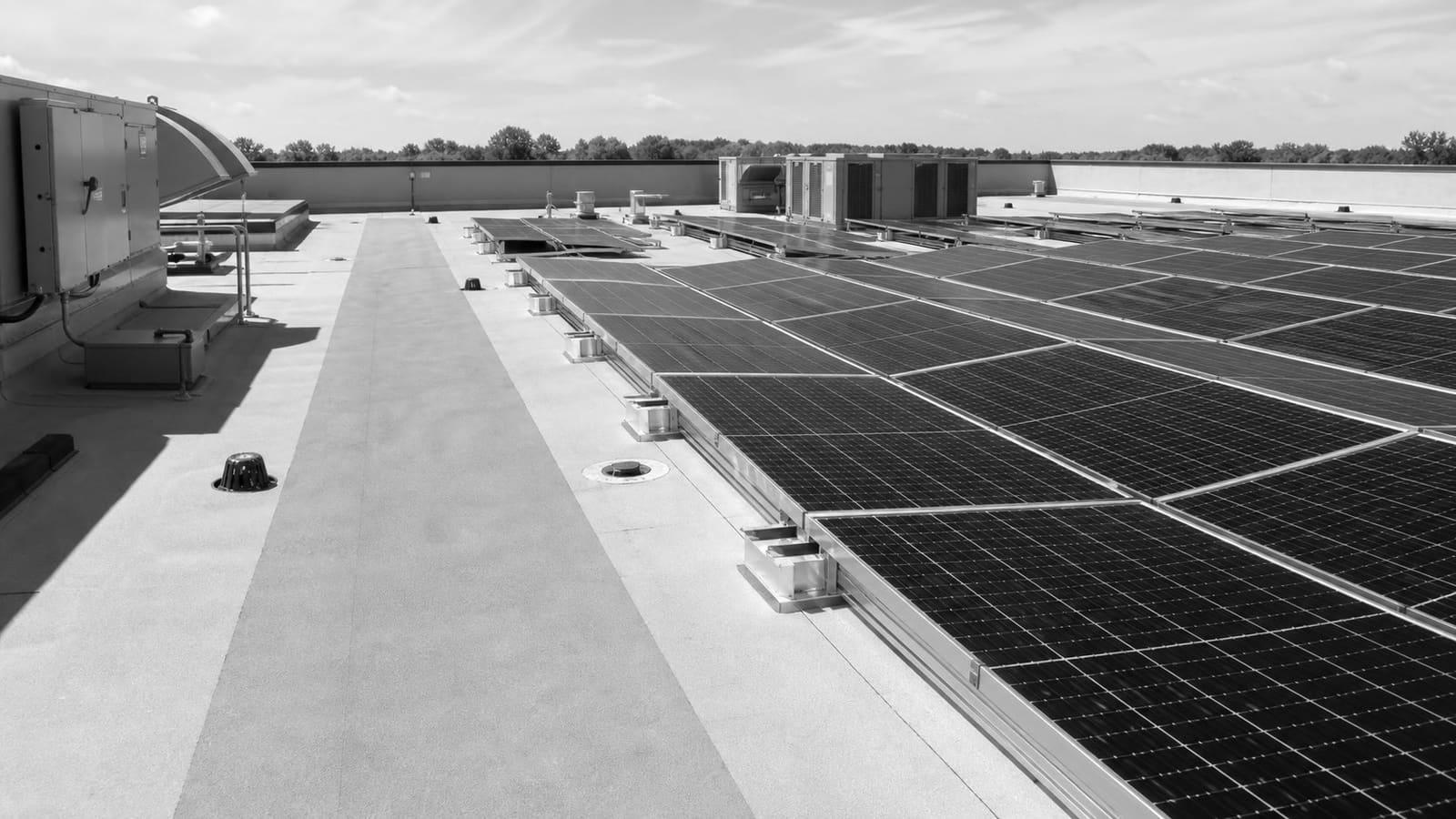
One team carries design, permits, utility interconnection, construction, commissioning, and solar maintenance. We also compare direct ownership with solar financing and PPAs, and add battery storage only when it has a clear job.
START HERE
Is solar a good fit for a commercial building in Madison?
Commercial solar installation in Madison can fit a commercial building when its energy use, utility rules, permits, and ownership plan support the project. We use building and utility records to shape the system plan. We also define whether the business will own, lease, or use a power purchase agreement, or PPA. A project is a poor fit when required permits, other approvals, or utility interconnection terms block the planned design.
Start with the meter record
Madison Gas and Electric provided advanced metering infrastructure, or AMI, meters to medium-to-large commercial and industrial customers in its service area. AMI records can show how power use changes over time. We use that pattern to guide the solar plan and avoid relying on one bill. The record changes the proposed system size and the way expected solar output is matched to building demand.
Approval path
What approvals shape commercial solar installation in Madison?
- Check the City of Madison permit chart for the exact project type. A required permit adds a city review step before installation.
- Ask Zoning Staff whether the solar plan needs another approval even when the permit chart does not list a permit. That answer can change array placement or project scope.
- Check MGO 34 and the applicable fire review path. Fire access conditions can change equipment placement and the final layout.
- Confirm utility interconnection rules before locking the design. An interconnection limit or condition can change system size and equipment choices.
WHAT WE HANDLE
Everything under the solar door.
PROJECT PLANNING
What should a Madison solar installation proposal include?
PV system scope
SCOPE
Require the proposal to name the planned PV equipment and installation scope. This sets the work that bidders must price and deliver.
Weather data source
DATA
Require the proposal to name the solar resource or weather data source used in the design. That record supports the expected output model.
Interconnection record
GRID
Require the utility policy and interconnection path in writing. This shows which utility terms may change the design.
Quality plan
QUALITY
Ask how the installer will document compliance with the C&I PV installation plan. The NREL guide is voluntary, so the proposal should state what the provider will follow.
Utility fit
How is a Madison solar installation sized for a commercial facility?
AMI usage pattern
METER
Review available AMI records by time period. The demand pattern changes how proposed PV output is matched to facility use.
Utility policy
UTILITY
Record the serving utility's net-metering and interconnection terms. Those terms change the financial case and may change system size.
Ownership structure
FINANCE
Choose direct ownership, a lease, or a PPA before comparing offers. The choice changes who owns the asset and how the project is evaluated.
Permit status
PASS/FAIL
Confirm the permit and approval path for the address. A blocked approval path is a fail condition for the proposed layout.
BEFORE YOU BUY
How do Madison facility teams compare solar ownership options?
- For direct ownership, record that the business will own the PV asset. Use that fact when reviewing project duties and capital needs.
- For a lease, record who owns the equipment and who handles each asset duty. The answer changes contract review.
- For a PPA, record how purchased solar power will be measured and billed. This changes the financial review.
- Compare each option under the same utility policy, interconnection terms, and permit path. Different base terms will not give a fair comparison.
QUESTIONS
Straight answers.
Does a Madison commercial solar project need a permit?
Use the City of Madison permit chart for the exact project. Some projects may need other approvals even when a permit is not listed, so the address and scope must be checked.
What local record helps size commercial solar installation?
Available AMI meter records can show commercial power use over time. That pattern helps match the proposed PV system to facility demand.
What can stop a proposed Madison solar layout?
A required approval, fire access condition, or utility interconnection term can block the layout. We treat an unapproved layout as a failed plan.
Should a Madison business own, lease, or use a PPA?
The right structure depends on who should own the PV asset and how the business will review the project. Compare all three under the same utility and permit terms.
GET STARTED
Tell us about the building.
Whatever the trade, we scope it, price it, and put the right crew on it. Site visits are free, always.