HUNTSVILLE, AL · SOLAR
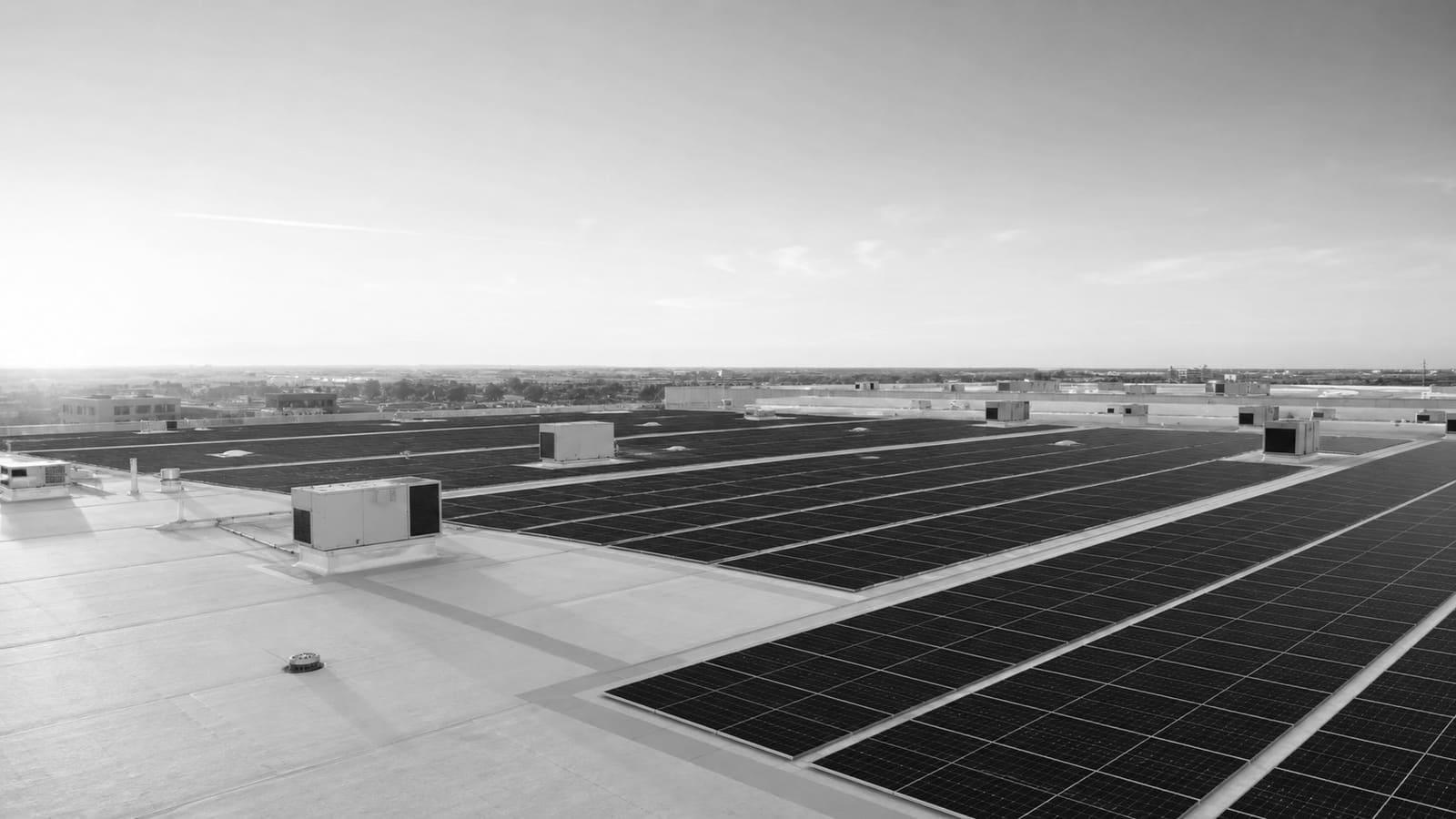
Commercial solar installation in Huntsville.
Commercial solar installation for Huntsville offices, warehouses, plants, and other commercial buildings.
Start with the building, not the panels.
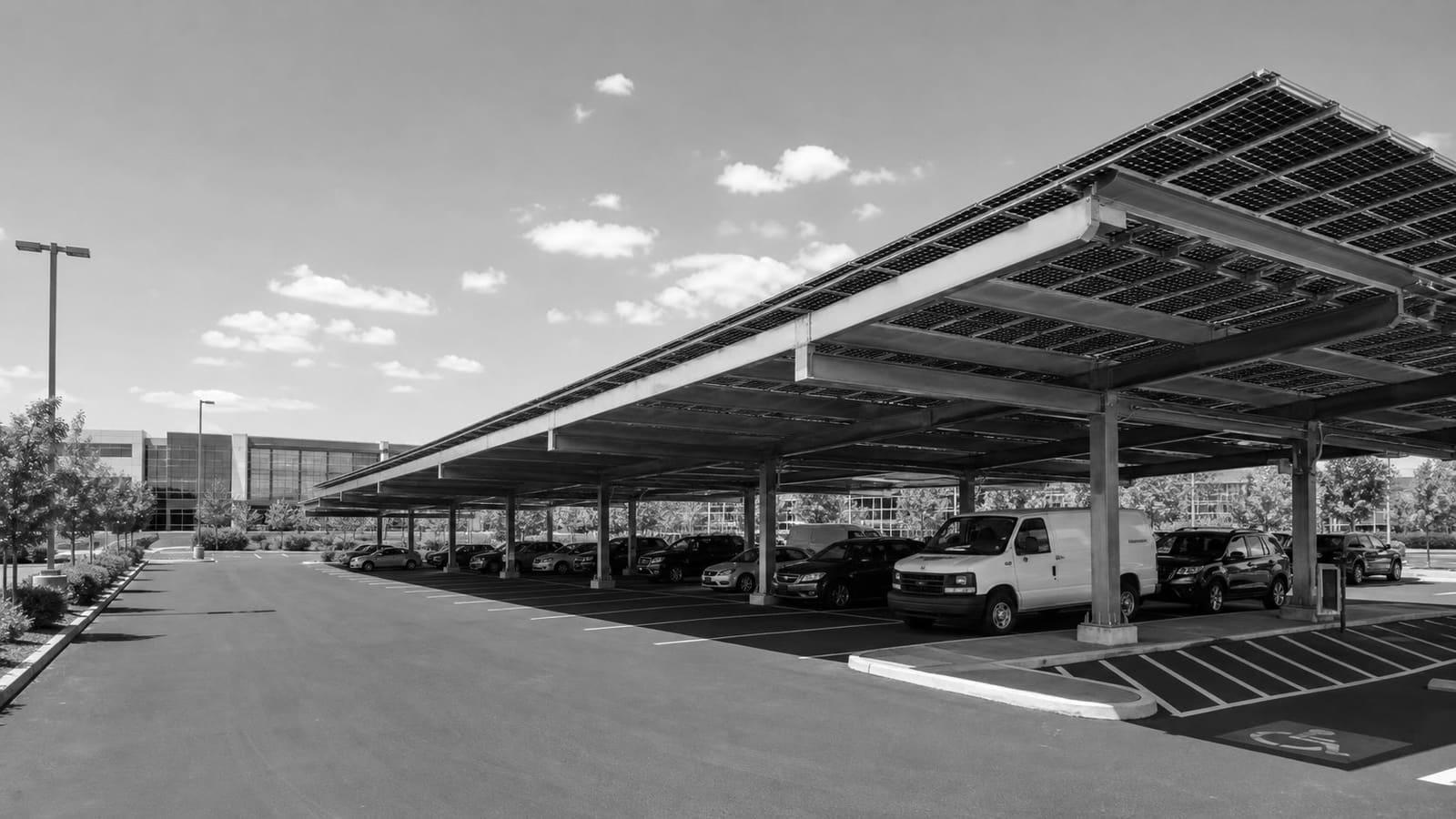
A commercial solar project has to fit the site, the roof, the electrical system, and the utility rules. We start with a solar feasibility study, then compare rooftop solar with solar carports where parking offers the stronger site.
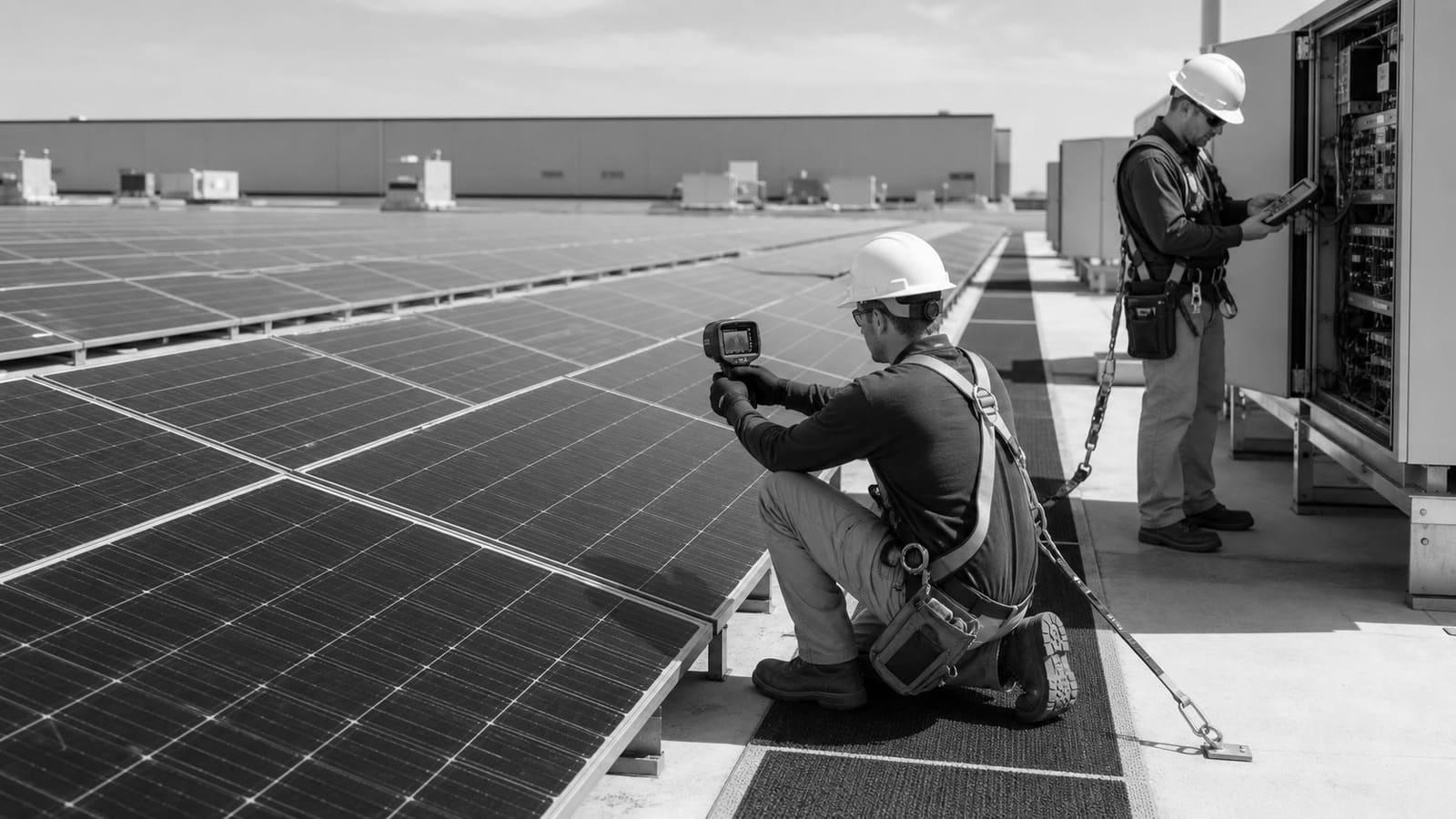
One team carries design, permits, utility interconnection, construction, commissioning, and solar maintenance. We also compare direct ownership with solar financing and PPAs, and add battery storage only when it has a clear job.
START HERE
How does a Huntsville business choose the right solar system?
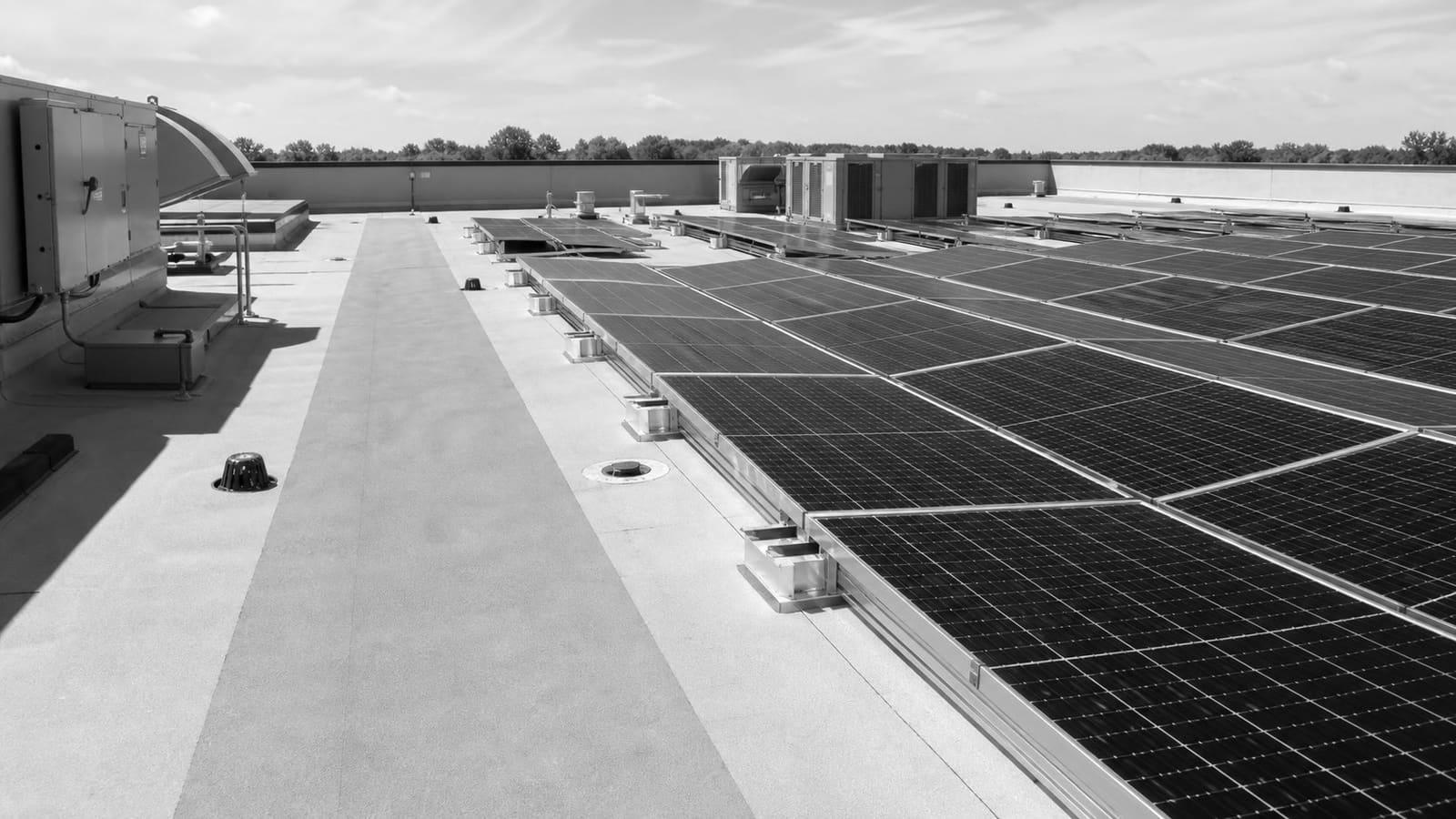
Commercial solar installation in Huntsville starts with the building, its power use, and a safe place for the panels. We compare rooftop and ground-mounted PV, then set panel direction and tilt around the site. A south-facing tilt from 15° to 40° often gives strong production in the continental United States. Tilt also changes physical loads. A lower tilt can reduce wind load. A steeper tilt can shed hail better, but it raises wind load. We use that tradeoff to shape the array instead of choosing a panel angle from energy output alone.
Confirm the utility path before design is final
Huntsville Utilities provides electric service in Huntsville and Madison County. That makes the utility connection path an early buyer decision. We identify the serving utility and the planned connection point before the array layout is final. A change in either item can change the electrical design and project records. City inspections also affect closeout. A commercial building cannot be occupied until final inspections are complete, so solar activity tied to a larger construction project must fit that inspection schedule.
Site fit checks
Commercial solar installation checks for Huntsville buildings
Mounting location
SITE
Choose rooftop PV or ground-mounted PV. The choice changes the mounting plan, wiring route, and area used by the array.
Panel direction
AZIMUTH
Record roof faces and open land that can face south. The available direction changes expected solar exposure and array placement.
Panel tilt
ANGLE
Compare a 15°–40° tilt with the building and mounting limits. Lower tilt can cut wind load; steeper tilt can improve hail shedding but raise wind load.
Project standard
RECORDS
Decide whether the record set will follow the voluntary NREL commercial and industrial PV installation guide. That choice changes quality records and asset transparency.
PROJECT PLANNING
Which solar layout fits a Huntsville facility?
Rooftop array
ROOF
Use it when the roof offers safe mounting space and a workable direction. A poor roof face can lower solar exposure or force a different layout.
Ground-mounted array
GROUND
Use it when open land supports a better array position. It changes the mounting base, wiring route, and land used by the project.
Flush roof panels
TRADEOFF
Choose flush mounting when appearance or lower wind load matters more than the best tilt and direction. That tradeoff may reduce energy production.
Poor-fit condition
NO-GO
A site fails the first fit check when neither the roof nor available land provides a safe mounting area and workable solar exposure.
WHAT WE HANDLE
Everything under the solar door.
Permit path
Commercial solar installation planning in Huntsville
- Name the serving electric utility. That choice sets the utility coordination path and connection records.
- Mark any slab, footing, pier, or anchor-bolt work. Huntsville inspections cover these items, so the mounting method changes the inspection list.
- Separate rough-in and final inspection steps. The sequence changes when equipment may be closed in and when the project can reach final approval.
- Check whether solar construction is part of a larger occupied-building project. Huntsville states that a building must not be occupied until final inspections are complete.
BEFORE YOU BUY
What records should a Huntsville solar project keep?
- Record the selected mounting type and location. This fixes whether later plans show rooftop or ground-mounted PV.
- Record panel direction and tilt. These values explain the production, wind-load, and hail-shedding tradeoffs used in design.
- Record the serving utility and connection point. These details control which electrical path appears in the final plan.
- Record passed rough-in and final inspections. These results show whether the project can move to closeout.
- Record any inspected footing, slab, pier, rebar, or anchor-bolt work. The mounting design decides which records apply.
ASKED IN HUNTSVILLE
Common questions about commercial solar installation in Huntsville
How much does it cost to install commercial solar panels?
COST
No single price fits every building. Rooftop or ground mounting, array size, wiring routes, structural work, and utility connection needs all change the cost.
What is the best solar system for commercial use?
FIT
The best fit depends on the site. Rooftop PV can preserve ground space; ground-mounted PV may allow a better direction or tilt when the roof is a poor fit.
QUESTIONS
Straight answers.
Does Huntsville inspect solar mounting work?
City inspection rules cover items such as slabs, footings, piers, rebar, and anchor bolts. Which checks apply depends on the mounting design.
Who provides electric service for a Huntsville commercial solar project?
Huntsville Utilities provides electric service in Huntsville and Madison County. Confirm the serving utility for the exact building before final electrical design.
Should a Huntsville facility use rooftop or ground-mounted solar?
Use the location that offers safe mounting and workable solar exposure. The choice also changes the wiring route, mounting base, and land or roof space used.
Can panels be mounted flush with a commercial roof?
Yes. Flush panels may help appearance and wind load, but they may give up some production when the roof direction or tilt is not ideal.
GET STARTED
Tell us about the building.
Whatever the trade, we scope it, price it, and put the right crew on it. Site visits are free, always.