HONOLULU, HI · SOLAR
Commercial solar installation in Honolulu.
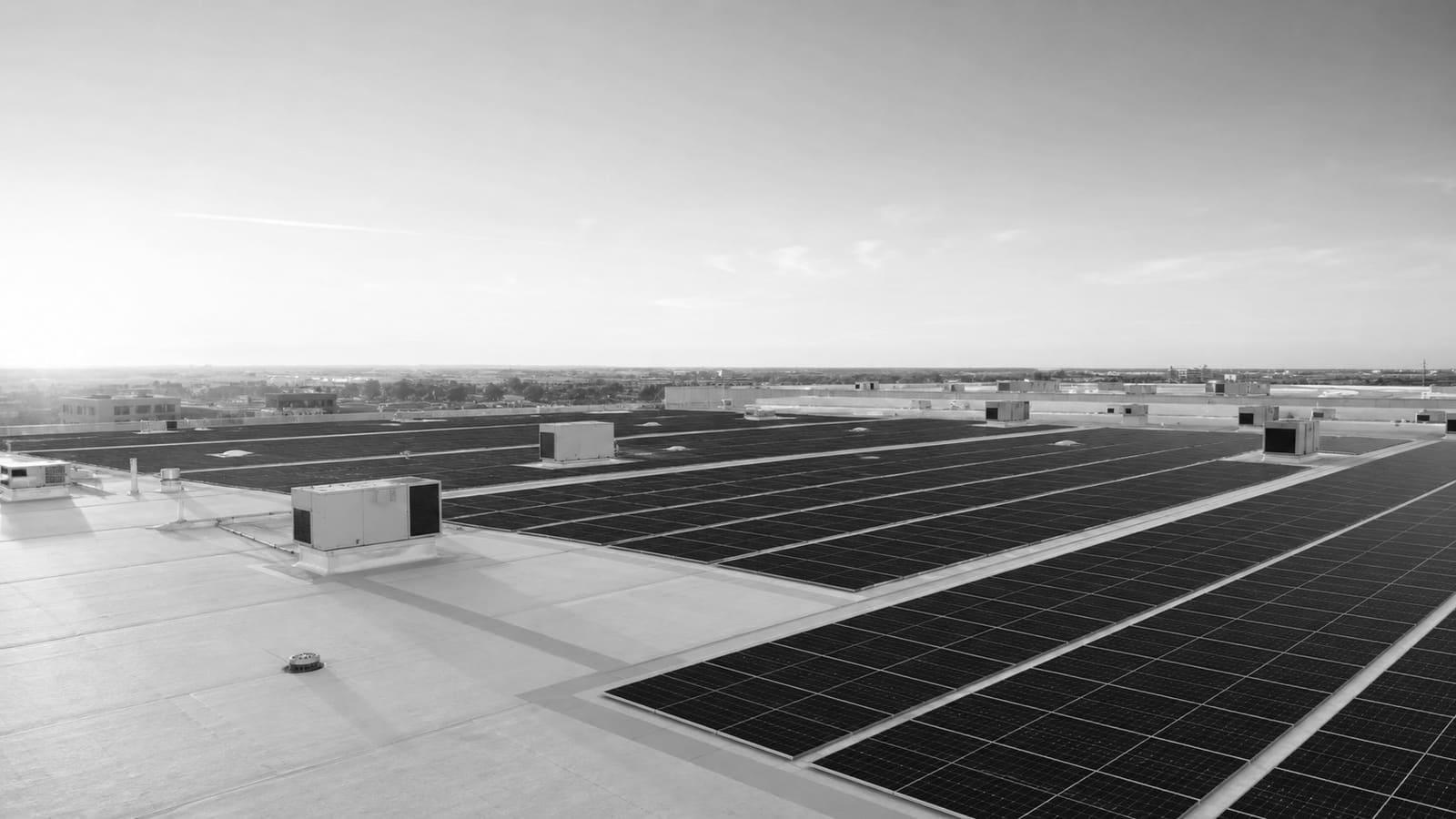
Commercial solar installation for Honolulu buildings, sized to the site, roof, power use, permit path, and ownership plan.
Start with the building, not the panels.
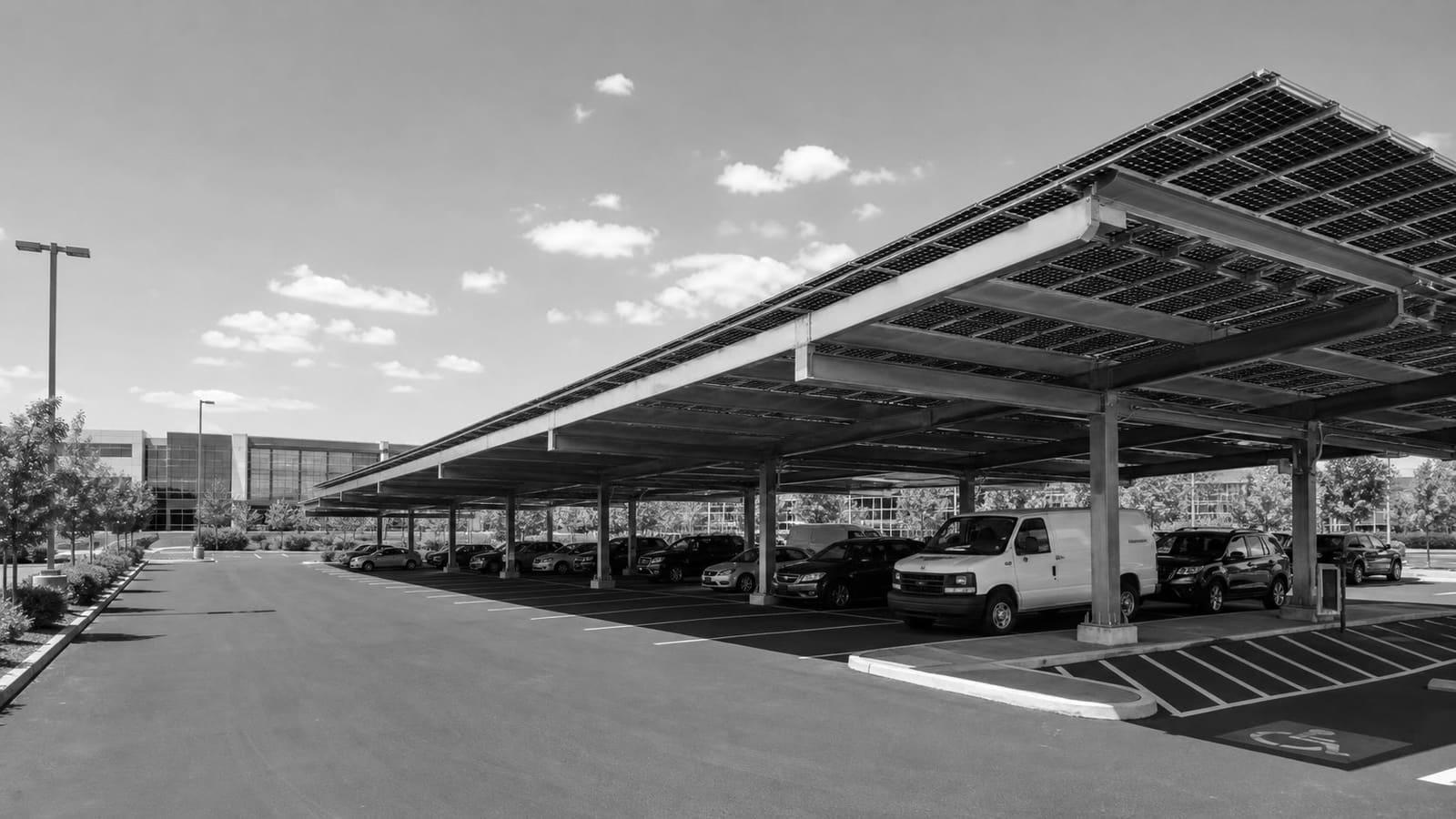
A commercial solar project has to fit the site, the roof, the electrical system, and the utility rules. We start with a solar feasibility study, then compare rooftop solar with solar carports where parking offers the stronger site.
One team carries design, permits, utility interconnection, construction, commissioning, and solar maintenance. We also compare direct ownership with solar financing and PPAs, and add battery storage only when it has a clear job.
START HERE
What should Honolulu businesses check before installing solar?
For a Honolulu commercial building, the right solar installation fits the roof or site, the building’s power use, and the local approval path. We use these facts to choose the array layout, mounting method, and project scope. A system that does not fit the building or utility rules is a poor fit. We also compare ownership choices before design moves ahead. A business may own, lease, or use a power purchase agreement. Utility policies, interconnection terms, incentives, and permit rules can change which choice makes sense.
Confirm the Honolulu permit path first
Honolulu’s Department of Planning and Permitting reviews building permits for commercial properties and conducts related inspections, except Honolulu Fire Department inspections. The Honolulu Fire Department also lists fire plans review under its permit work. We identify which reviews apply before the layout is final. A required review can change panel placement, access space, drawings, and the project schedule.
Site fit checks
Commercial solar installation checks for Honolulu buildings
- Record the building’s power use. It changes the system size and whether on-site solar fits the load.
- Check usable roof or ground area. It changes the array size and panel layout.
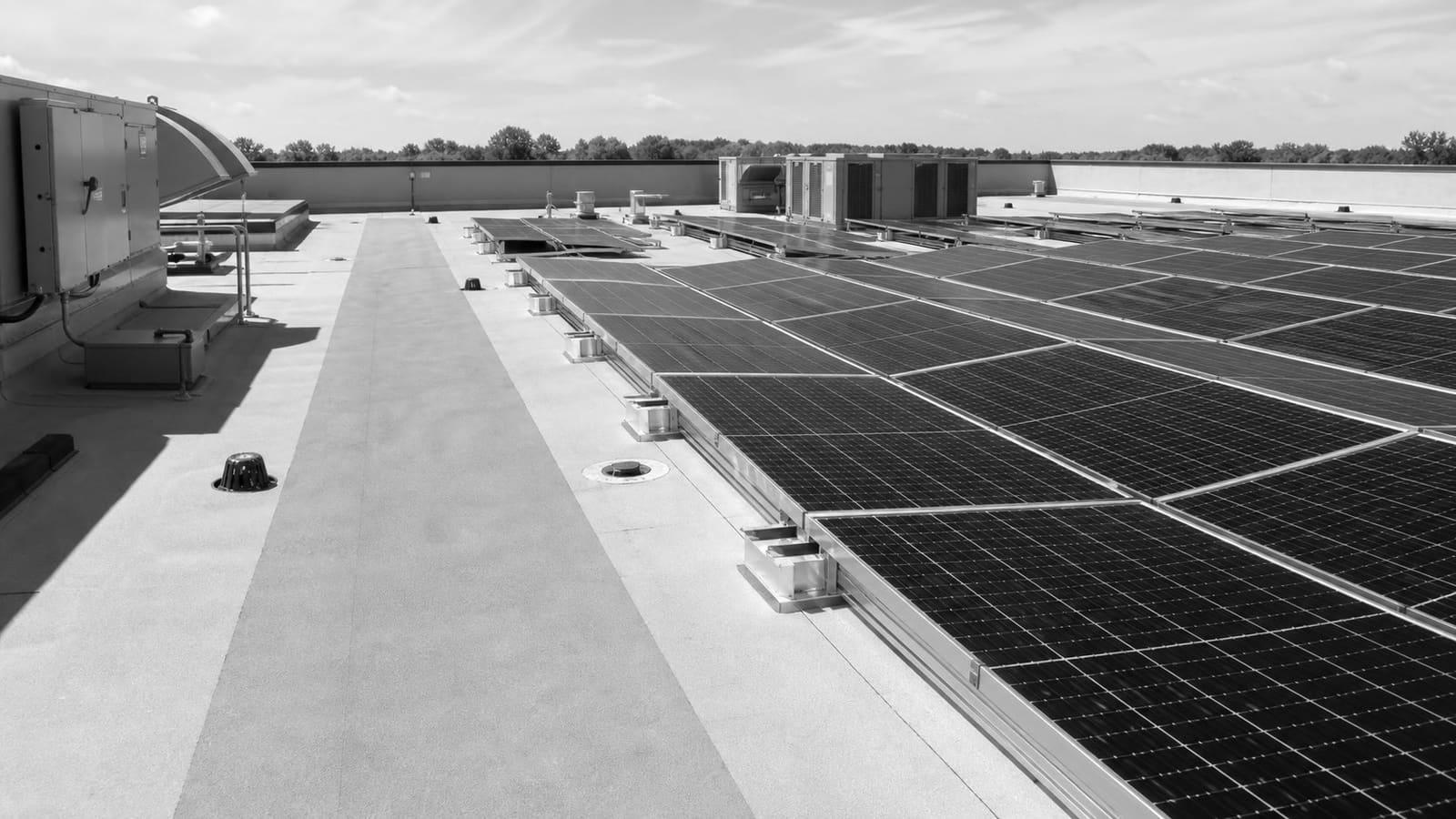
- Check roof condition and mounting limits. A roof that cannot support the planned system is a fail until the design or roof condition changes.
- Compare flush and tilted panels. Flush panels can lower wind load, while a different tilt can change solar production.
- Check utility interconnection terms. They can change the system design and project value.
PROJECT PLANNING
How panel layout choices affect Honolulu solar projects
Panel tilt
ANGLE
Tilt changes solar exposure and wind load. We weigh production against the mounting load on the building.
Flush mounting
MOUNT
Flush mounting is often chosen for appearance and lower wind load, even when tilt or direction is not ideal for production.
Roof or ground array
LAYOUT
Rooftop and ground-mounted PV need different site plans. Available space and mounting conditions decide which layout can move forward.
WHAT WE HANDLE
Everything under the solar door.
Buying choices
Commercial solar installation decisions in Honolulu
Own the system
OWN
Ownership puts the solar asset with the business. We compare it with lease and power purchase agreement terms before design approval.
Lease the system
LEASE
A lease changes who owns the equipment and how the business pays. The contract term becomes a key buying record.
Use a power purchase agreement
PPA
A power purchase agreement changes the payment structure and asset ownership. We check whether its terms fit the building plan.
Stop a weak project
NO-GO
If the site, load, utility terms, or permit path cannot support a workable design, the project should not move into installation.

BEFORE YOU BUY
What Honolulu facility teams should receive at handoff
- Final system drawings that match the installed array and equipment locations.
- Permit and inspection records for the commercial building.
- Utility interconnection records that show the approved connection path.
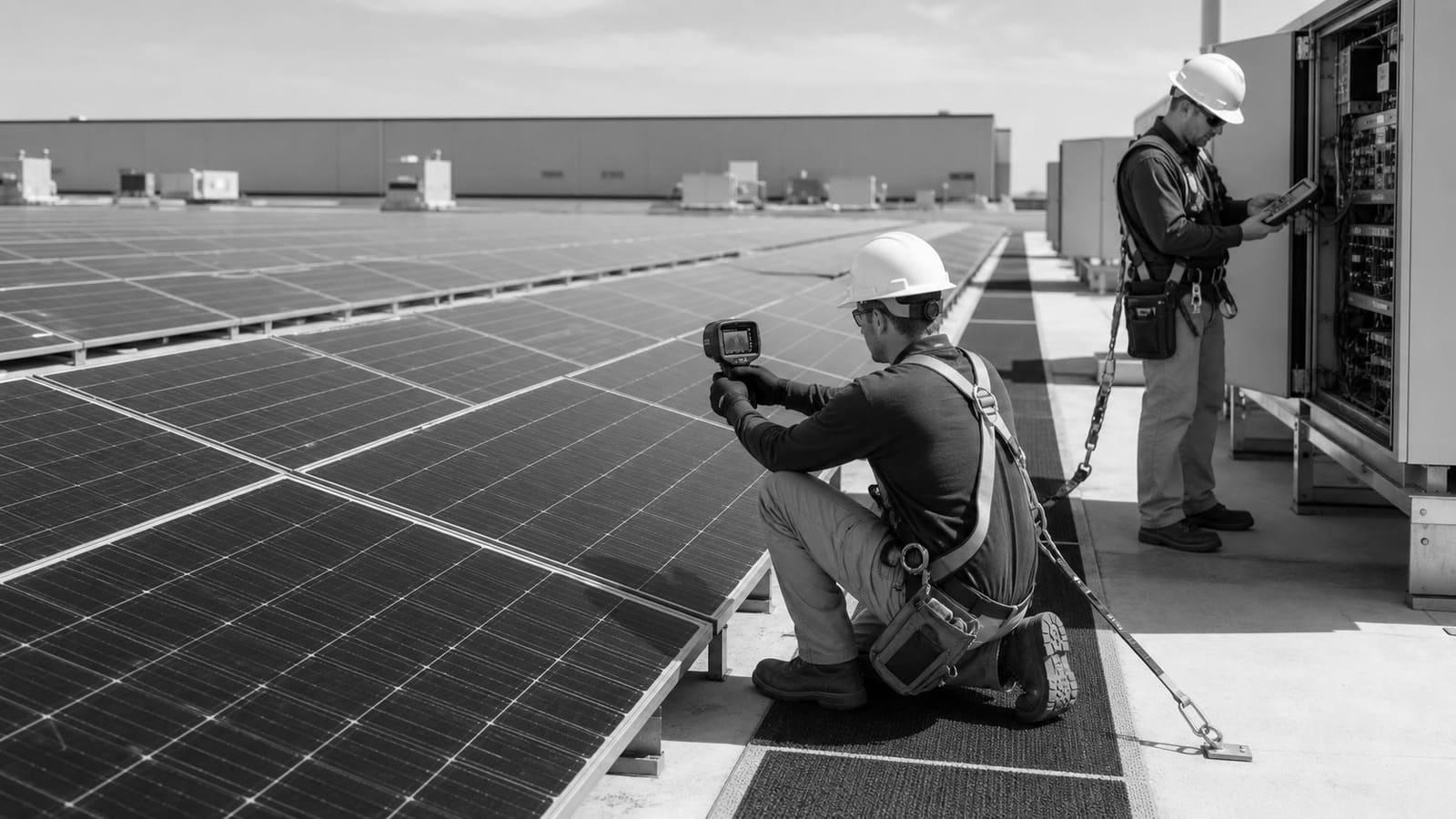
- Commissioning results that show the photovoltaic system was installed and checked.
- Ownership, lease, or power purchase agreement records for the selected buying plan.
ASKED IN HONOLULU
Common questions about commercial solar installation in Honolulu
How much does it cost to install commercial solar panels?
COST
Cost depends on system size, mounting, site condition, permit work, interconnection, and ownership. The supplied facts do not support one Honolulu price.
What is the best solar system for commercial use?
FIT
The best fit matches the building’s power use, usable area, mounting limits, utility terms, and ownership plan. No single system fits every facility.
QUESTIONS
Straight answers.
Who reviews commercial building permits in Honolulu?
Honolulu’s Department of Planning and Permitting reviews commercial building permits and conducts related inspections, except Honolulu Fire Department inspections.
Can fire review affect a Honolulu solar plan?
Yes. The Honolulu Fire Department lists fire plans review under its permit work. An applicable review can change access space, panel placement, drawings, or timing.
Should a Honolulu business choose flush-mounted panels?
Flush mounting can lower wind load and may improve appearance. The tradeoff is that the panel tilt or direction may not give the best production.
What can make a Honolulu solar project a poor fit?
A project is a poor fit when the site, building load, mounting limits, utility terms, or approval path cannot support a workable system.
GET STARTED
Tell us about the building.
Whatever the trade, we scope it, price it, and put the right crew on it. Site visits are free, always.
MORE SERVICE AREAS