RIVERSIDE, CA · SOLAR
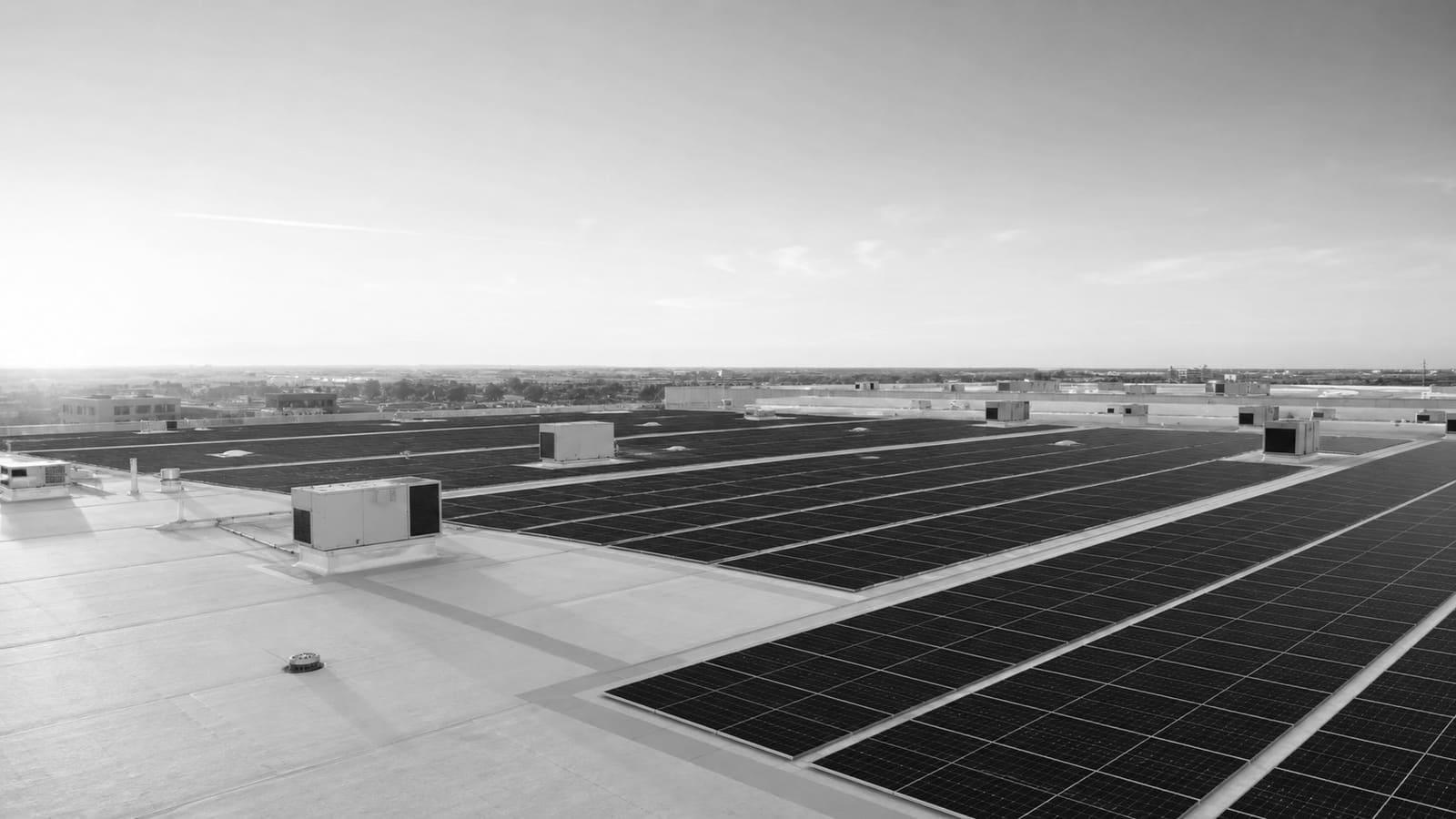
Commercial solar installation in Riverside.
We plan commercial solar installation for Riverside buildings around roof fit, electrical needs, heat exposure, and current utility options.
Start with the building, not the panels.
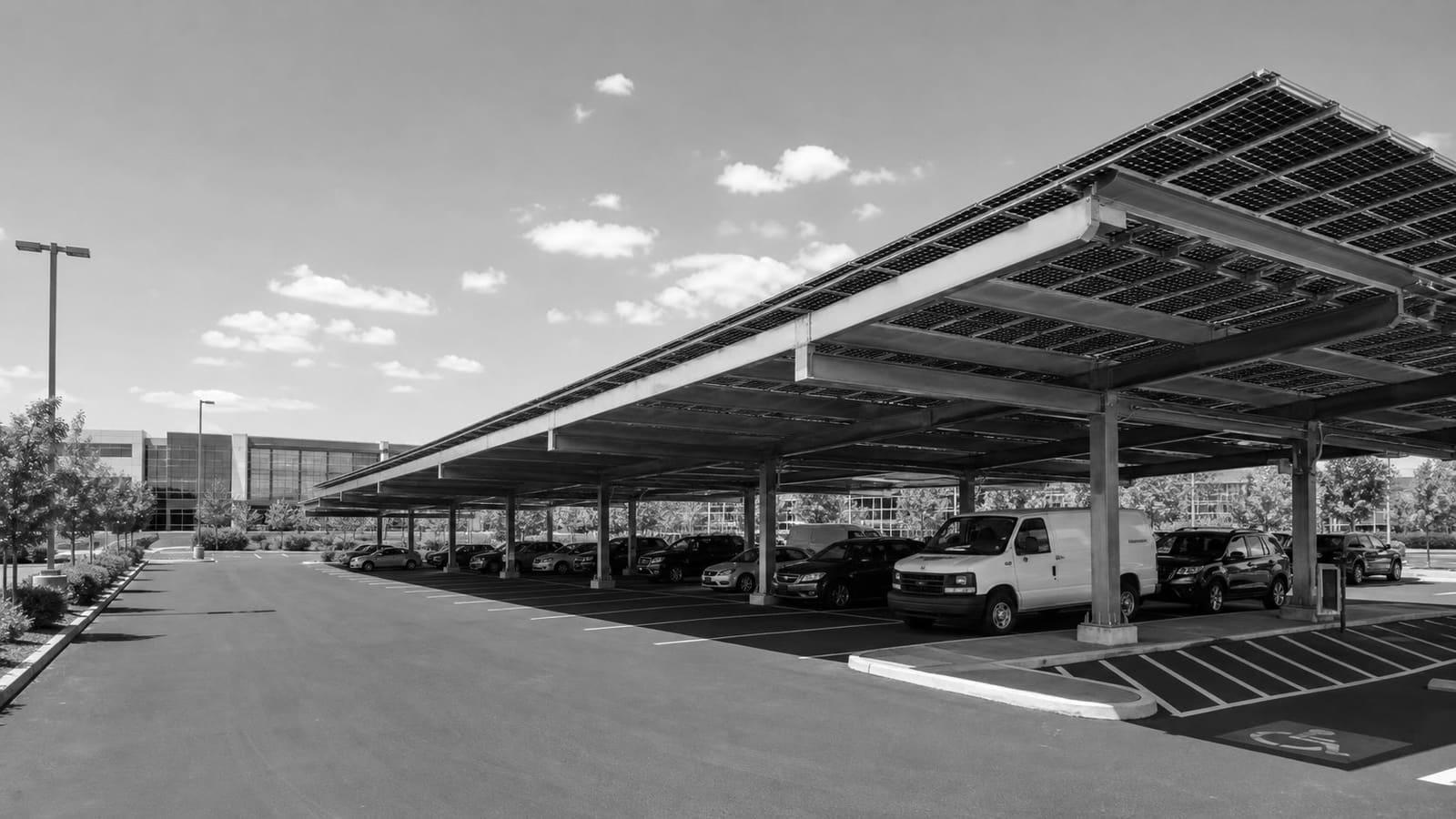
A commercial solar project has to fit the site, the roof, the electrical system, and the utility rules. We start with a solar feasibility study, then compare rooftop solar with solar carports where parking offers the stronger site.
One team carries design, permits, utility interconnection, construction, commissioning, and solar maintenance. We also compare direct ownership with solar financing and PPAs, and add battery storage only when it has a clear job.
START HERE
What should Riverside businesses decide before adding solar?
Commercial solar installation in Riverside should start with a clear check of the building, electrical use, and exposed equipment. Summer average highs reach about 94°F in August, so heat exposure must guide equipment location and the site plan. A project is a poor fit when the roof, site, or electrical setup cannot support the planned system without changes the buyer will not approve. We define those limits before the scope moves forward.
Check utility options before approving the budget
Riverside Public Utilities changes its rebates and incentives as programs develop. Its FY 2024 report says the utility reached 57% of its adopted energy savings goal, but it does not confirm a solar offer for every commercial project. We check the current program, customer type, and eligible equipment before an incentive enters the buying case. If eligibility is not confirmed, the project budget must stand without it.
SITE FIT
What does a Riverside commercial solar installation need before design?
- Record the usable roof or site area. Limited space changes the system size or makes the project a poor fit.
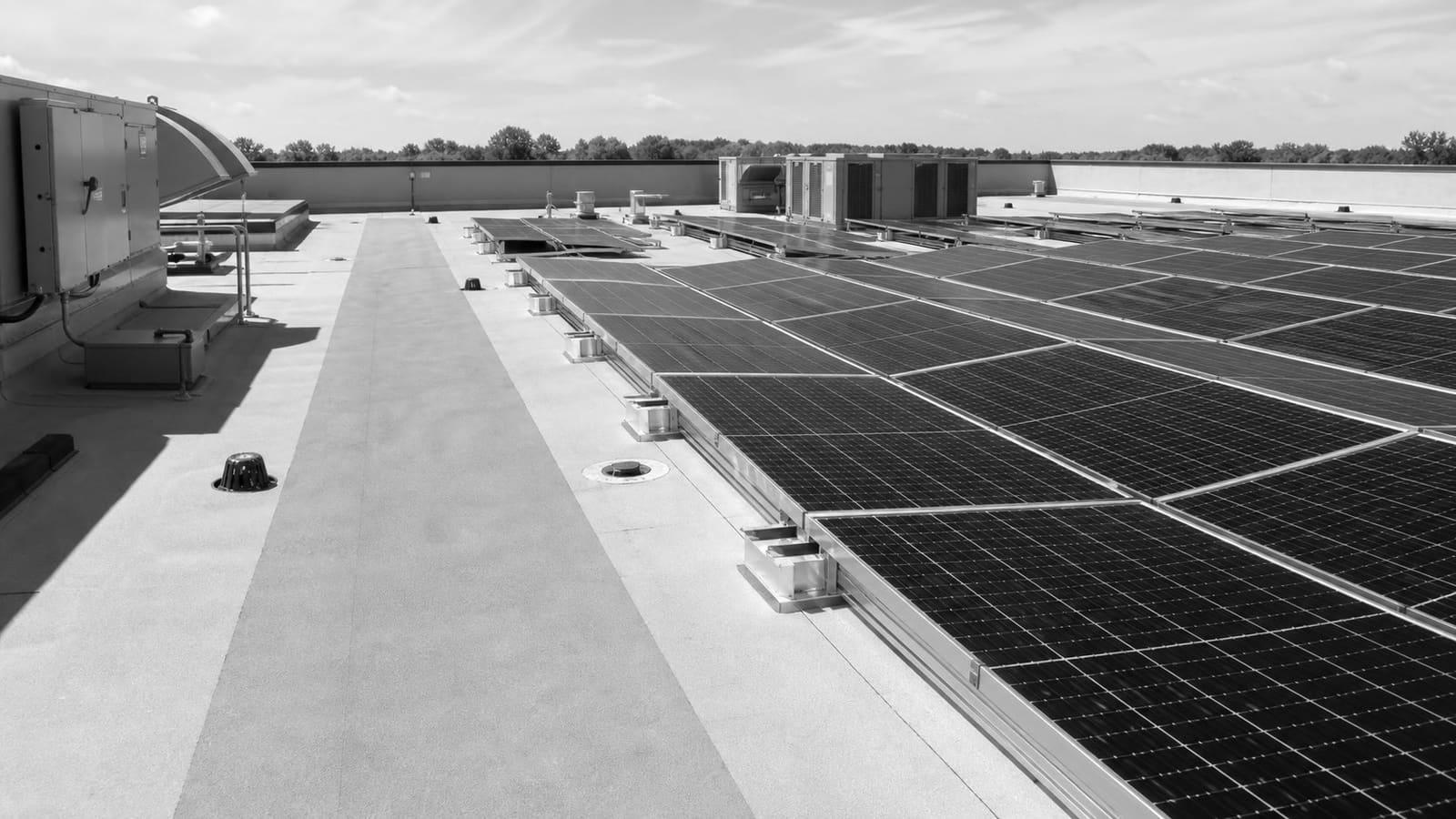
- List roof equipment and blocked areas. These conditions change panel placement and access paths.
- Document the building electrical setup. Its connection points change how the planned system can tie into the facility.
- Confirm who owns the building and who approves roof and electrical changes. That decision controls whether design can move ahead.
WHAT WE HANDLE
Everything under the solar door.
PROJECT PLANNING
What quality records should a Riverside solar project keep?
Approved project scope
SCOPE
Keep the final equipment and location list. It sets what crews install and what the buyer accepts.
Installation checks
QUALITY
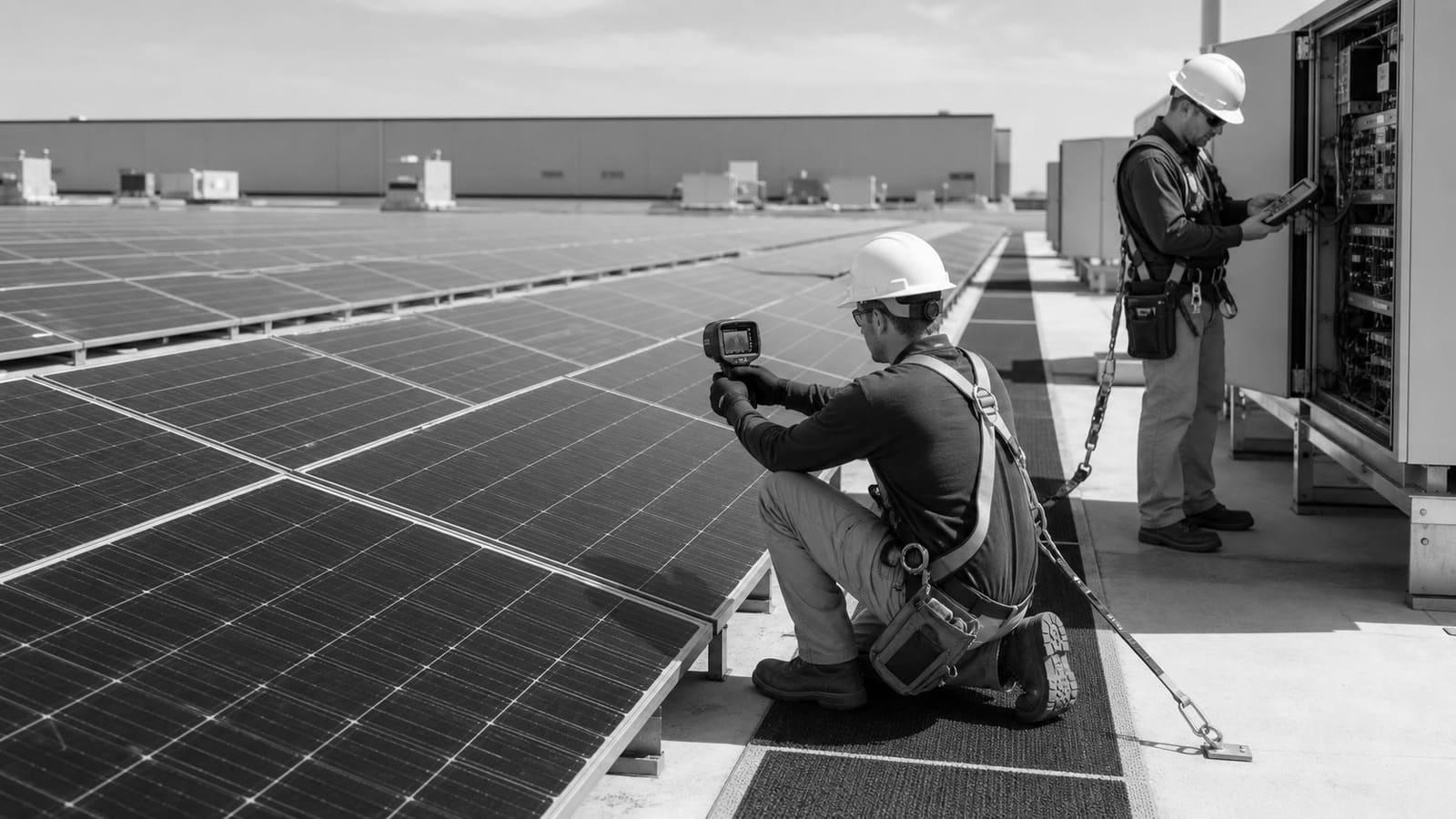
Record each completed installation check. Missing results stop the project from being treated as complete.
Project changes
CHANGE
Log field changes to equipment or placement. The record changes the final project file and buyer review.
Provider confirmation
DECISION
Buyers must decide whether that confirmation is enough for their project.
HEAT EXPOSURE
How does Riverside heat affect commercial solar installation?
August design condition
94°F
Riverside’s August average high is about 94°F. We use that outdoor condition when reviewing exposed equipment locations and the site plan.
Roof exposure
SITE CHECK
Record where roof surfaces and equipment face direct sun. The exposure changes placement and access decisions.
Work access
ROUTE
Record safe roof and site access for crews and equipment. The access condition changes the installation route and work plan.
Pass or fail
GATE
If approved equipment locations cannot provide workable access, the layout must change before installation can proceed.

BEFORE YOU BUY
What should Riverside buyers approve before solar installation starts?
- Approve the planned system area and equipment locations. This locks the working layout.
- Approve any roof or electrical changes found during the site check. A rejected change can reduce scope or stop the project.
- Confirm current Riverside Public Utilities program eligibility before counting an incentive in the budget.
- Set the required quality records. The NREL commercial and industrial guide presents voluntary minimum practices, so the buyer must state what records the contract requires.
QUESTIONS
Straight answers.
Is every Riverside commercial building a good fit for solar?
No. Limited usable space, blocked access, or an electrical setup that cannot support the planned system may force a smaller scope or stop the project.
Does Riverside heat affect a commercial solar plan?
Yes. August average highs are about 94°F. Exposed equipment locations and site access should be reviewed with that condition in mind.
Can a Riverside business assume a utility incentive will apply?
No. Riverside Public Utilities changes programs over time. Confirm the current customer and equipment rules before adding an incentive to the budget.
Are the NREL commercial solar installation practices required?
The cited NREL guide says its practices are voluntary and providers self-certify. Buyers should state which checks and records their contract requires.
GET STARTED
Tell us about the building.
Whatever the trade, we scope it, price it, and put the right crew on it. Site visits are free, always.