
COMMERCIAL ENERGY · AUTOMATION · FACILITY SERVICES
Commercial contractors in Los Angeles.
Flux Facility runs commercial contractor work in Los Angeles: permitted build-outs, repairs, and equipment installs in occupied buildings, from plan check to final inspection.
WHAT WE DO
From energy audits to robot repair.
Energy
Find the waste, fund the fix.
Energy audits
Audit cost & pricing
Efficiency consultants
ALL ENERGY →
Battery
Storage that pays for itself.
BESS installation
Battery backup
Containerized BESS
ALL BATTERY →
EV
Charging that shows up on time.
EV charging installation
Fleet charging
Workplace charging
ALL EV →
Robots
Automation that earns its floor space.
Cleaning robots
Autonomous floor scrubbers
Security robots
ALL ROBOTS →
Mechanical
The big installs, built right.
HVAC installation & replacement
Ductwork installation
Sheet metal & pipe fabrication
ALL MECHANICAL →
Maintenance
The trades that keep buildings alive.
HVAC service
Electricians
Roofing
ALL MAINTENANCE →
Not sure where it fits?
Reach out. We scope it and put the right team on it, whatever the trade.
LOS ANGELES BY THE NUMBERS
What Los Angeles does to buildings.
23"
RAIN A YEAR
Storm season is the real maintenance calendar here.
SUMMER
IS THE STRESS TEST
Cooling season is when undersized equipment shows itself.
3869K
PEOPLE STRONG
Los Angeles commercial buildings keep a growing market running.
START HERE
What do commercial contractors in Los Angeles handle?
Commercial contractors in Los Angeles run permitted work on commercial buildings: build-outs, repairs, equipment installs, and the inspections that close them. The Los Angeles Department of Building and Safety (LADBS) handles plan check, permits, and job inspections for building, zoning, plumbing, and electrical work. We file the plan check and pull the permit.
LADBS publishes rules for permitted construction and demolition hours. We schedule loud work inside those hours and put quiet tasks next to tenant shifts. A panel or service upgrade goes to LADWP as a construction or renovation electric service request. We file that request the same week we file the plan check.
Permits and inspections
How do commercial building permits and inspections work in Los Angeles?
Plan check submittal to LADBS
Permits
We submit plans for building, zoning, plumbing, and electrical review, then pull permit status online as it moves. LADBS posts a permit fee calculator. We run your job through it and put the permit cost in the budget before you sign.
Fire plan review on remodels
Fire review
The Los Angeles Fire Department reviews fire safety plans and inspects new buildings and remodels. We bring sprinkler, alarm, and exit changes into that review at design, not after the walls are framed.
Inspection trips and extra fees
Inspections
LADBS takes inspection requests online and charges an extra trip inspection fee when an inspector has to come back. We hold the crew and the punch list ready for one visit instead of two.
Temporary certificate of occupancy
Occupancy
LADBS collects payment for a temporary certificate of occupancy through its online services. We track every open item and name the person who owns it before you set a move-in date.
Retrofit programs on older stock
Retrofit
LADBS runs a soft-story retrofit program and a non-ductile concrete retrofit program. We check whether your building sits under either one before we price a remodel, then quote the retrofit as its own line.
Occupied building installs
Who installs heavy equipment in occupied Los Angeles commercial buildings?
- Get a written responsibility matrix before work starts. Disputes start at undefined handoffs between the building contractor, utility vendors, the equipment maker, and the crew that tests the line. We name an owner for each handoff in the contract.
- Have floor loads calculated and power drops placed before rigging day. We manage the structural engineering and the rigging work and keep the install compliant with Cal/OSHA, the state workplace safety agency.
- Plan the route for imported equipment. West Coast entry through the Los Angeles or Long Beach ports fits California projects, and inland transport should be planned around fragile equipment. We set the crane window and dock time against that arrival date.
- Ask for independent audits of your mechanical, electrical, and plumbing vendors. Audits catch ghost maintenance, where a visit is billed but the work never happened. We hand over signed field records for every visit.
- Look at who is actually free to do your job. The largest general contractors in Southern California are ranked by revenue, and the biggest ones do health care, education, and infrastructure work. Occupied-building repairs and small remodels are our core work.

POWER & AUTOMATION
Battery storage, EV charging, and robots that work.
Commercial buildings are adding batteries, chargers, and floor robots faster than most contractors can keep up. We design and install battery energy storage systems, handle utility interconnection, and build EV charging from a pair of stalls to a full fleet depot.
On the automation side, we deploy cleaning and security robots that pay for themselves in labor, then keep every piece of it running. Planning any of this? Get in touch and get a real number for your building.
Get in touchHOW IT WORKS
From first call to finished work.
01
Get in touch
Tell us the building and the problem. Two minutes, no phone tag.
02
Get a scoped proposal
We assess the site, engineer the fix, and put a real price on it.
03
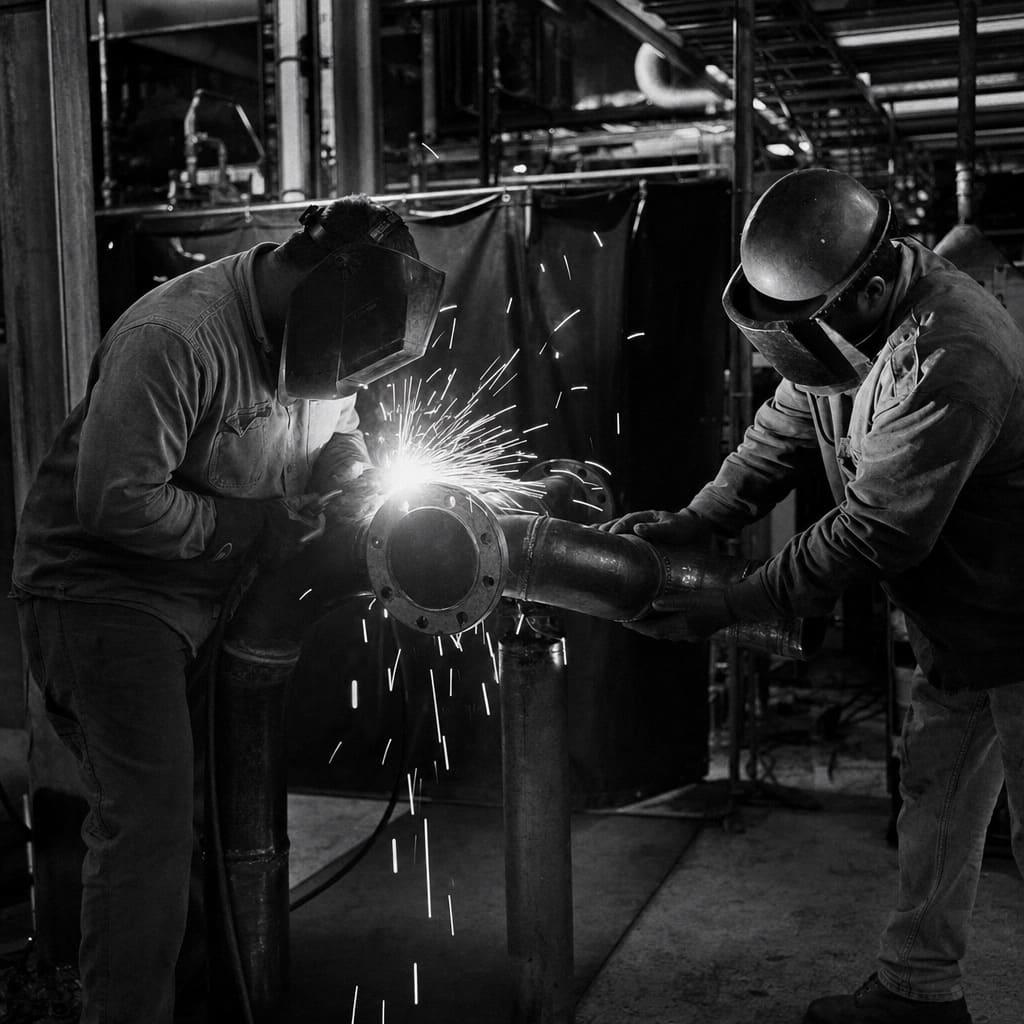
The work gets done
Vetted, insured local crews, with one point of contact from scope to done.
WHY FLUX
One call covers the whole building.
Every trade, one contact
Mechanical, electrical, energy, robots. You deal with one person from scope to done.
Licensed local crews
Insured crews from your market, vetted before they walk your site.
A real price, fast
Free site visit, scoped proposal, and a number you can take to your board.
Built for what's next
Battery storage, EV charging, and facility robots alongside the trades you already buy.
THE CORE TRADES
The trades that keep a building running.
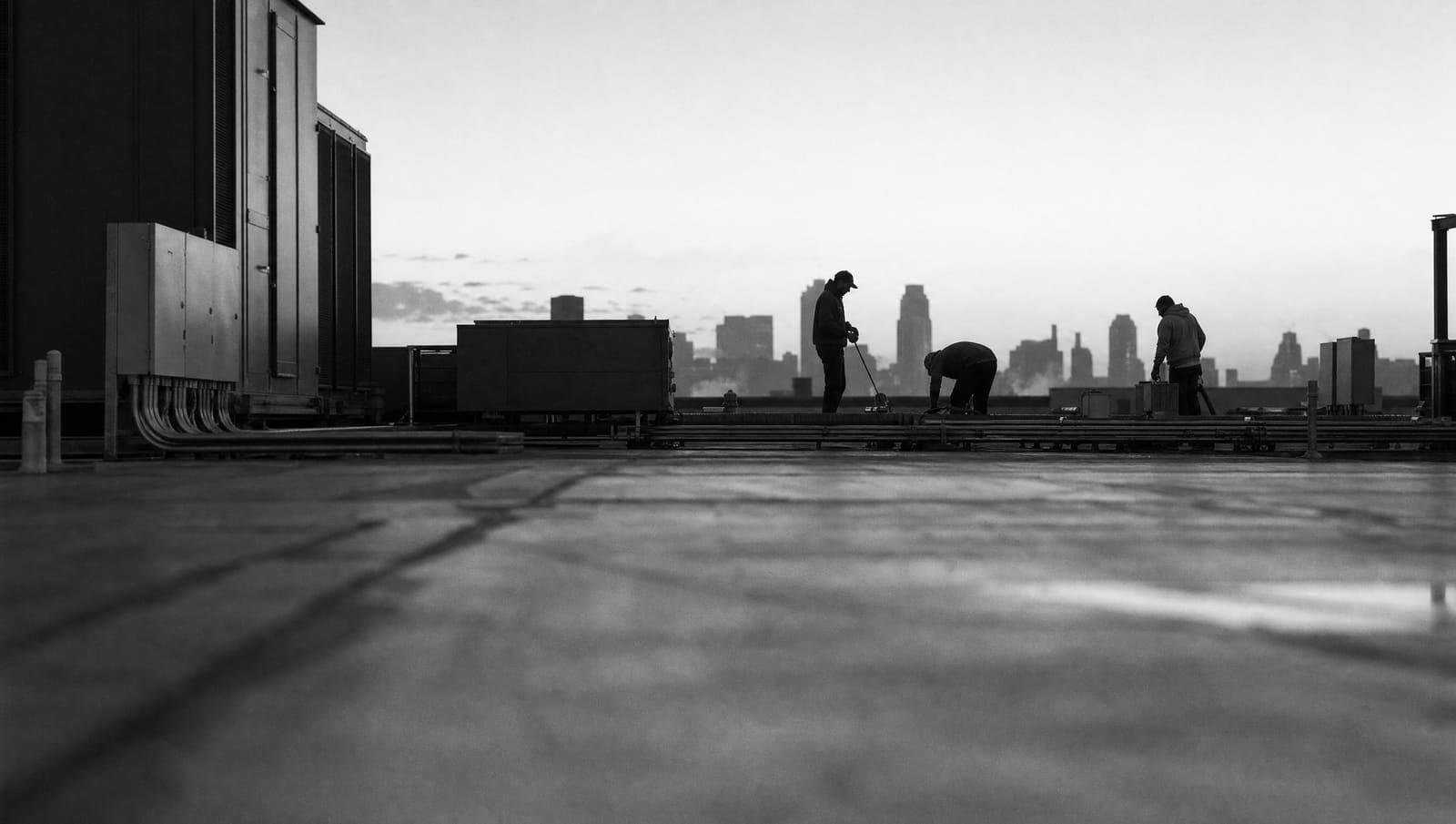
HVAC, plumbing, electrical, roofing. The unglamorous work is most of the job, and slow contractors are where it costs you. Our mechanical crews handle installs and replacements, from rooftop units to boilers, chillers, and process piping.
Maintenance covers the rest: service calls, electricians, roofing, fire and life safety, landscaping, and snow. Not sure where to start? An energy audit finds the waste and funds the fix.
Get in touchWHO WE SERVE
Every kind of commercial building.
Office & corporate
Tenant comfort, uptime, and energy costs under control.
Industrial & manufacturing
Process piping, automation, and the power to run it.
Warehouse & logistics
Docks, floors, charging, and robots that earn their space.
Retail & hospitality
Fast fixes and clean installs that never touch open hours.
Healthcare & medical
Code-first work in buildings that can't go down.
Multifamily & HOA
One contact for the whole property, every trade.
POPULAR PROJECTS
What we get asked for most.
QUESTIONS
Straight answers.
How much do commercial contractors charge per hour in Los Angeles?
We quote by scope instead of by the hour. The quote names the crew, the trade work, the materials, and the permit fees as separate lines. Ask us to price change orders and after-hours work up front, and we will put both in writing before the job starts.
What is the difference between a general contractor and a commercial contractor?
General contractor describes the role: hiring and managing the subcontractors and running the schedule. Commercial contractor describes the buildings: offices, clinics, warehouses, kitchens, and industrial space. Flux does both, and we review a subcontractor's financial strength and safety record before that crew sets foot on your site.
What types of Los Angeles commercial buildings does Flux work in?
Offices, clinics, warehouses, commercial kitchens, and stage support space. The Los Angeles County Economic Development Corporation tracks the region's industry clusters, including biosciences, entertainment, healthcare, and trade and logistics, and we scope work for those building types. Filming outside a certified soundstage or studio backlot needs a permit from the city, county, or other local jurisdiction, and we plan stage-adjacent work around the shoot window.
Can Flux run a restaurant build-out in Los Angeles?
Yes. LADBS runs a Restaurant and Small Business Express Program through its inspection assistance group, and the Department of City Planning issues Conditional Use Permits for alcohol. We sequence hood, grease, and gas line work against those filings so no trade sits idle waiting on paper.
GET STARTED
One call away.
Tell us the building and the problem. We bring the plan, the price, and the crew. Site visits are free, always.
MORE SERVICE AREAS