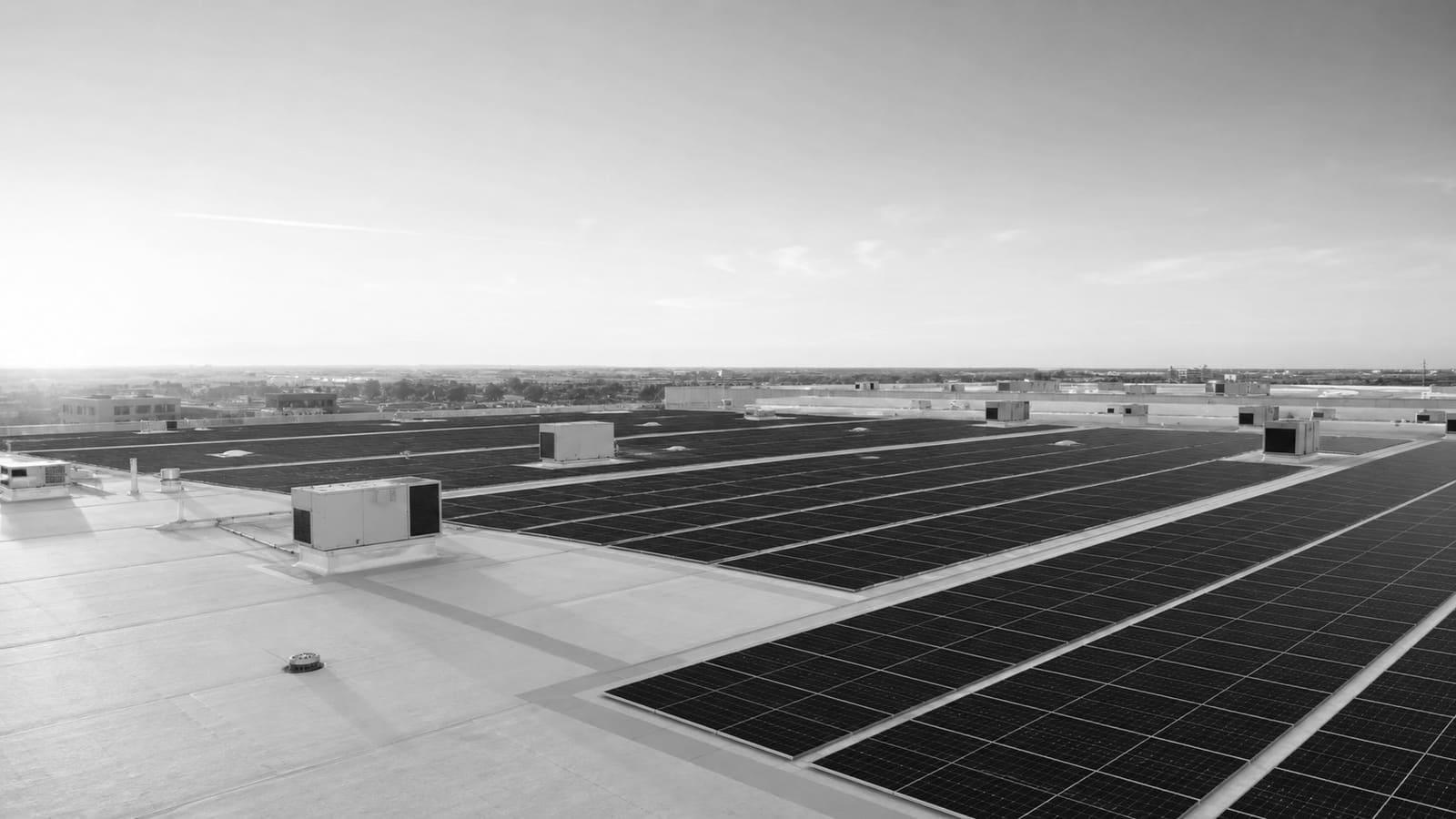
BOSTON, MA · SOLAR
Commercial solar installation in Boston.
We plan commercial solar around roof fit, snow exposure, permits, system records, and long-term operation for Boston buildings.
Start with the building, not the panels.
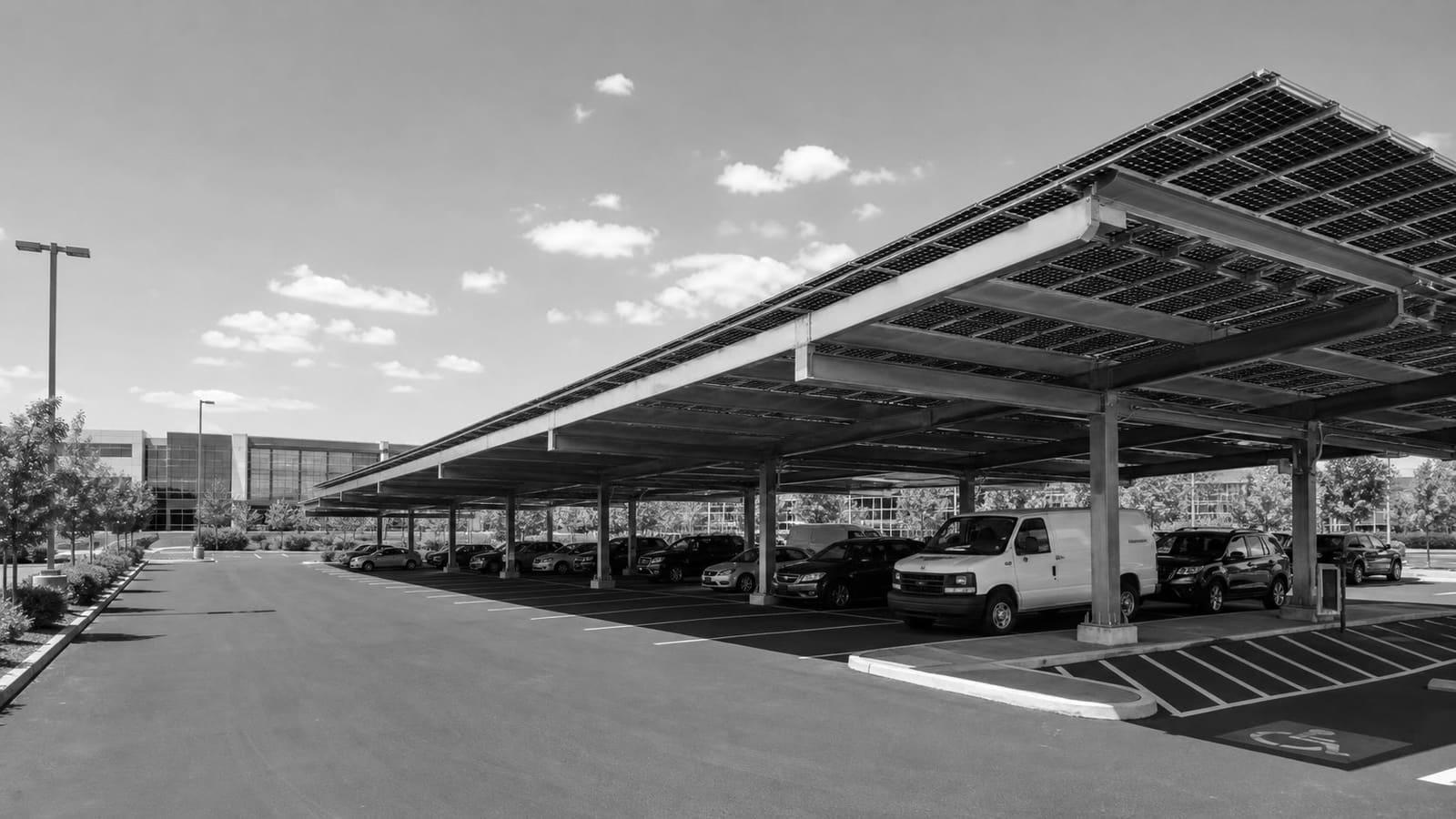
A commercial solar project has to fit the site, the roof, the electrical system, and the utility rules. We start with a solar feasibility study, then compare rooftop solar with solar carports where parking offers the stronger site.
One team carries design, permits, utility interconnection, construction, commissioning, and solar maintenance. We also compare direct ownership with solar financing and PPAs, and add battery storage only when it has a clear job.
START HERE
What should Boston businesses check before installing solar?
Commercial solar installation in Boston is a fit when the building, roof, permit path, and project records support a safe system that can be managed for years. We first confirm the roof area, roof condition, structural review, electrical connection point, and equipment layout. A project should not move ahead if the roof fails its structural review or cannot support the planned array. We also define the records the facility team will receive, so system details do not disappear after installation.
Snow load can change the array plan
Boston averages about 42 inches of snow each year. Snow adds weight and can cover panels, so the structural review must use the planned array layout and the building’s roof conditions. The result can change panel placement, attachment design, equipment access, or whether the roof is a fit at all. We treat a failed structural review as a stop condition, not a detail to solve after equipment is ordered.
Roof fit checks
Commercial solar installation checks for Boston roofs
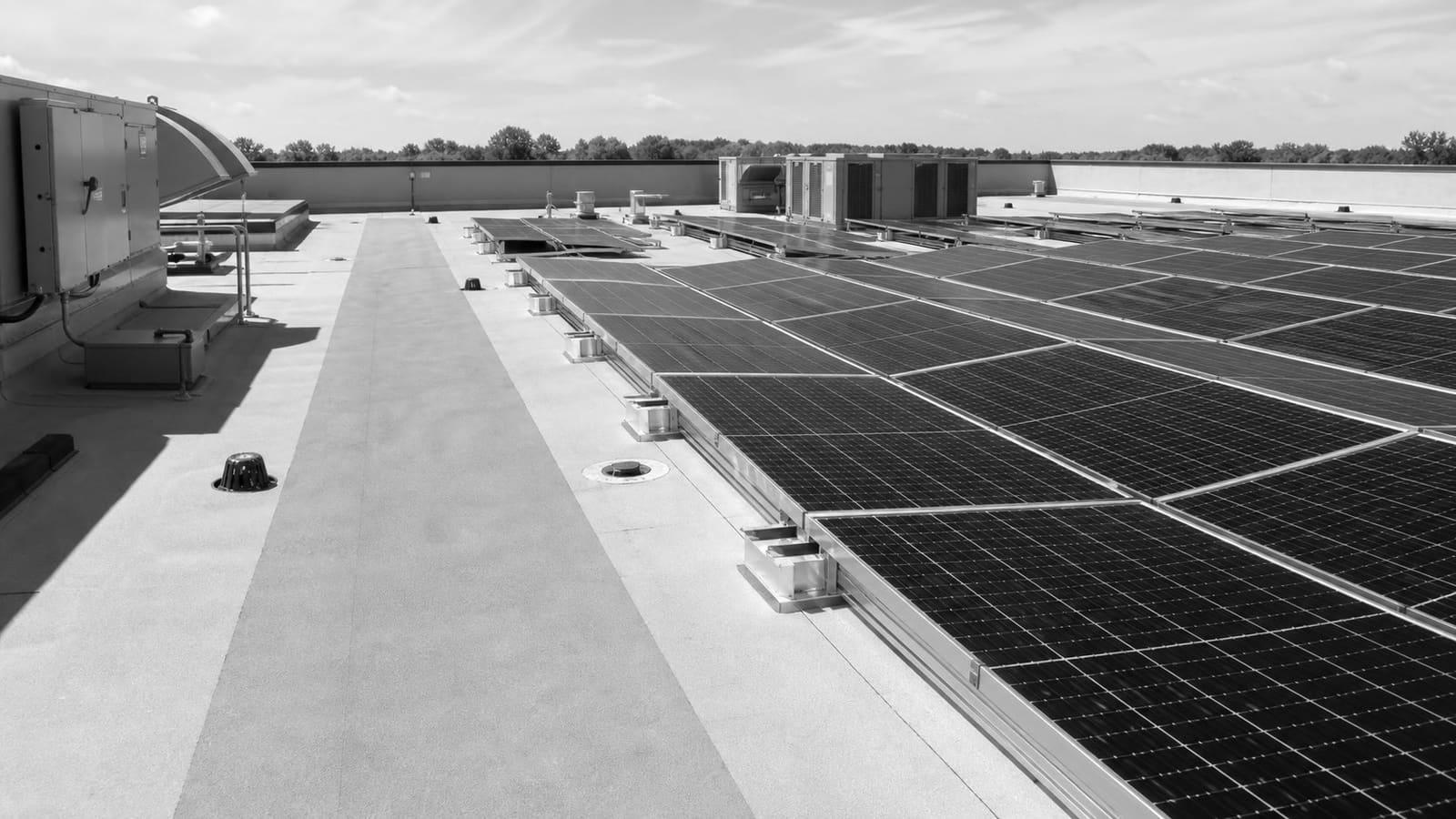
- Record the roof type, condition, usable area, and planned panel zones; these details set the array layout.
- Complete a structural review using the planned equipment and Boston snow exposure; a failed review stops the project or changes the design.
- Mark roof drains, edges, access paths, and fixed equipment on the layout; these conditions change panel placement and maintenance access.
- Confirm the roof’s repair plan before installation; planned roof work can change the project schedule and mounting decision.
WHAT WE HANDLE
Everything under the solar door.
PROJECT PLANNING
Which Boston commercial buildings are a fit for solar?
Roof and array match
FIT
Compare usable roof zones with the proposed panel layout. Blocked or weak zones reduce the area available for equipment.
Electrical connection point
ELECTRICAL
Record the proposed connection location and required equipment. The result changes cable routes and the installation plan.
Facility access
ACCESS
Map the route for crews, panels, and mounting equipment. A blocked route changes delivery and work planning.
Structural pass
STOP
Require a clear structural result for the planned array. A failed result makes the current design a poor fit.
Permit path
How Boston solar installation decisions affect permitting
Project permit list
SCOPE
Name each permit needed for the planned building work. The list sets the filing scope and project schedule.
Permit status record
RECORD
Track each filing, response, and approval. An open item can hold installation or system startup.
Design change check
PASS/FAIL
Compare permit documents with the final array and equipment plan. A mismatch requires review before field work follows the changed design.
BEFORE YOU BUY
What records should a Boston solar project deliver?
- Final equipment list with panel, inverter, and mounting details; facility staff use it to identify installed parts.
- Final array layout and electrical drawings; these records guide later inspection, repair, and roof planning.
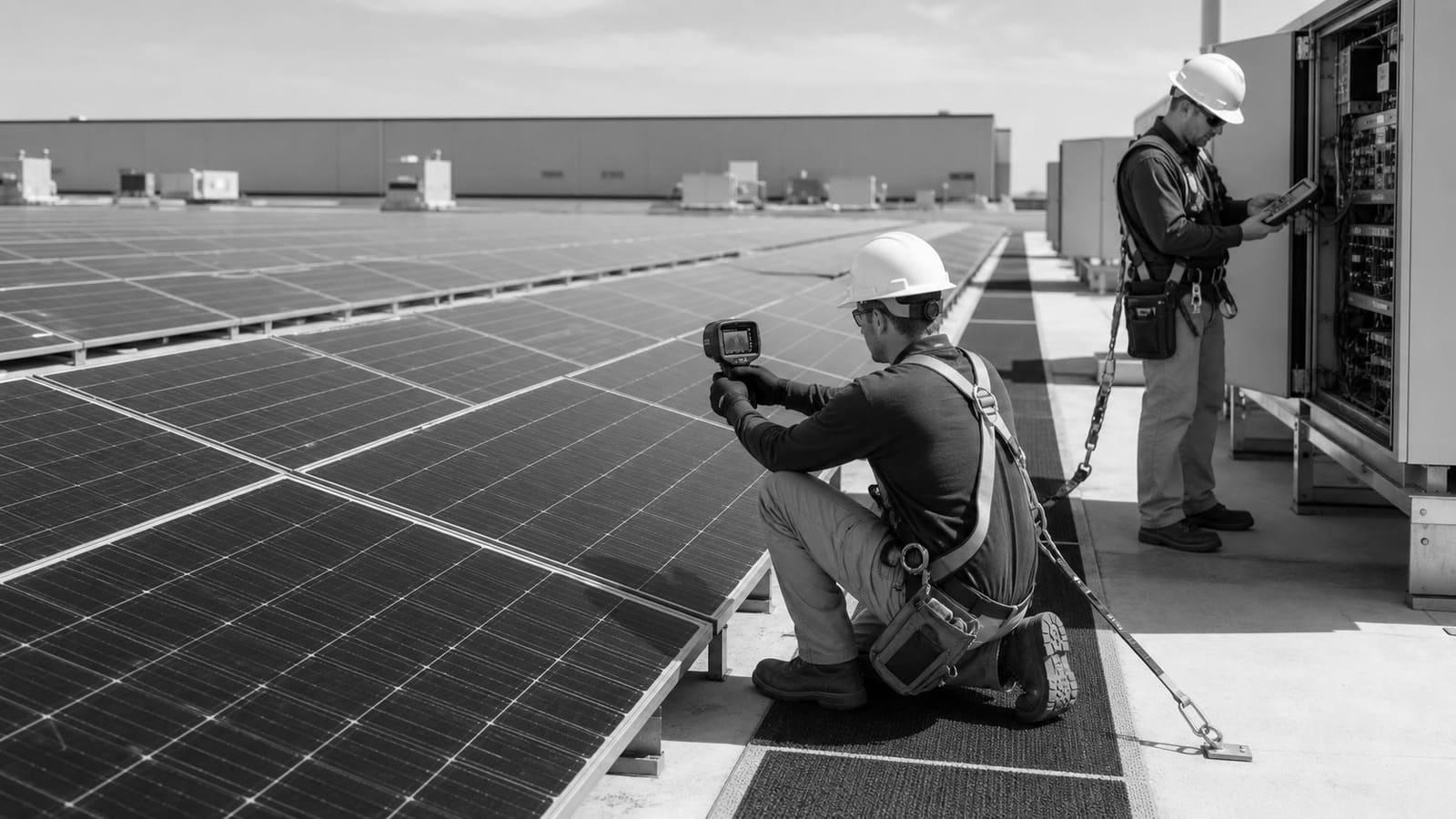
- Installation and commissioning record; it shows what was checked before the system entered operation.
- Permit and approval file; it gives the building team one record of the accepted project scope.
- Operations and maintenance plan; it assigns the checks needed after installation.
QUESTIONS
Straight answers.
How does Boston snow affect a commercial solar project?
Boston averages about 42 inches of snow a year. The planned array and snow exposure must be included in the roof and structural review.
Does a Boston commercial solar project need permits?
Boston directs project teams to identify the permits needed for building projects. The exact permit list should match the final project scope.
What makes a Boston roof a poor fit for solar?
A roof is a poor fit when the planned array cannot pass structural review or usable roof conditions cannot support a workable layout.
Should a business count on a Massachusetts solar incentive before signing?
No. Massachusetts provides a SMART Program application path, but eligibility and current terms should be confirmed before they enter the financial decision.
GET STARTED
Tell us about the building.
Whatever the trade, we scope it, price it, and put the right crew on it. Site visits are free, always.